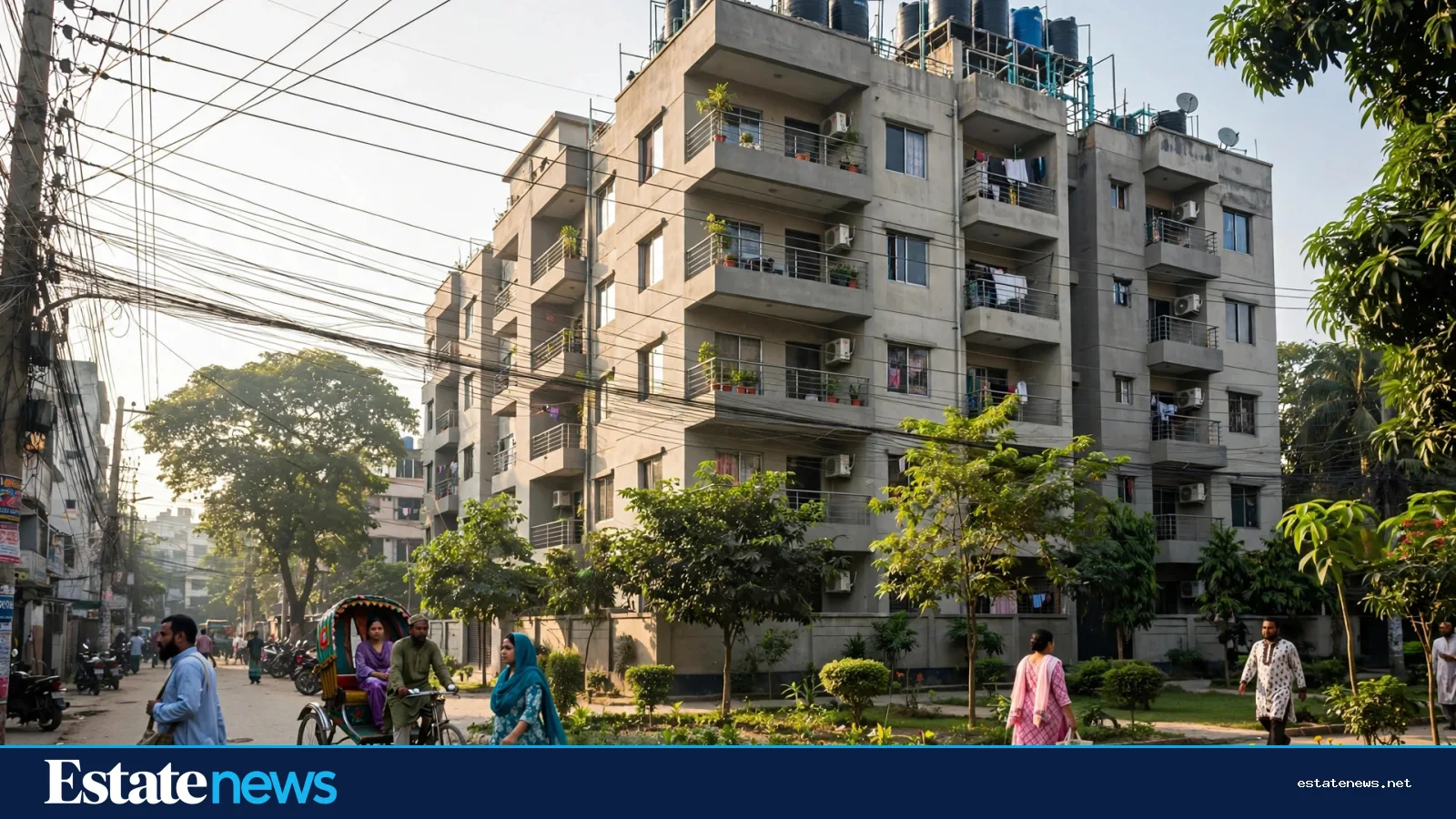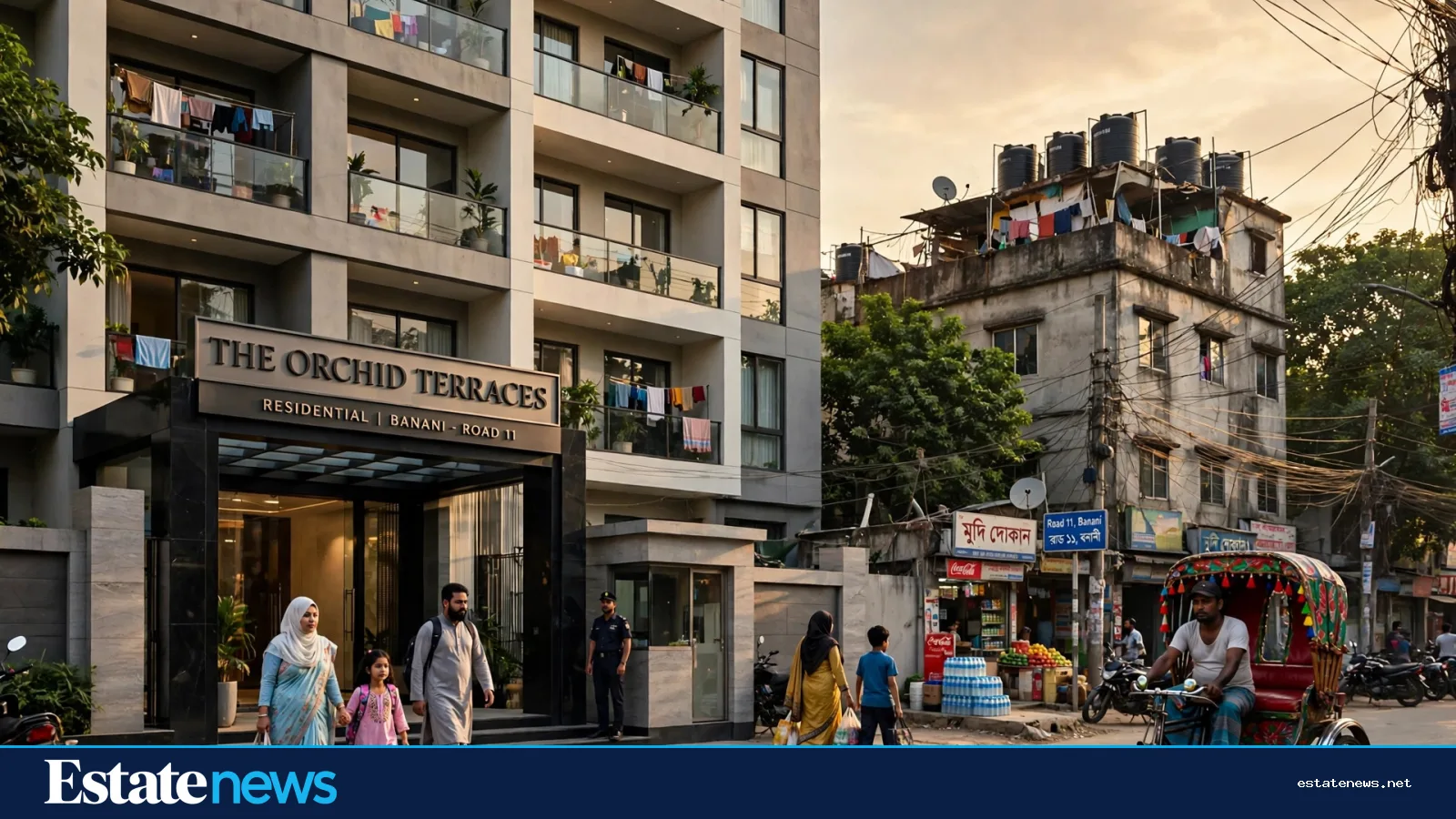
Kemal Ataturk Avenue in Banani moves at two speeds. On the road, rickshaws and cars push through the afternoon traffic. Behind the gates, the buildings stand quiet. ABC House is one of them, a 13-storey residential building on the avenue, and it gives away very little from the street. There is no loud signage, no sales pitch on the wall. That restraint is the point. ABC Real Estates has spent years building premium flats in Dhaka without making much noise about it, and the company's addresses now run from Banani through Gulshan and Baridhara to Uttara.
The firm is listed in the REHAB member directory, and its project list reads like a map of the city's established neighbourhoods. ABC House was designed by Ar. Mostaqur Rahman, who graduated in architecture from BUET in 1970. A named architect on a residential building was not common practice when many of Dhaka's apartment blocks went up, and it still tells a buyer something. It says the design was handed to someone whose name would be attached to the result.
ABC House still sets the tone for what the company builds in Banani. The flats there face a neighbourhood where offices, cafes and schools sit within a short walk, and where the street outside never really empties. Living in Banani means accepting the traffic in exchange for being close to everything. A builder that puts its name on a 13-storey building on Kemal Ataturk Avenue is betting that buyers will make that trade for years to come, and the building's quiet frontage suggests the bet was placed on the flats themselves rather than on marketing.

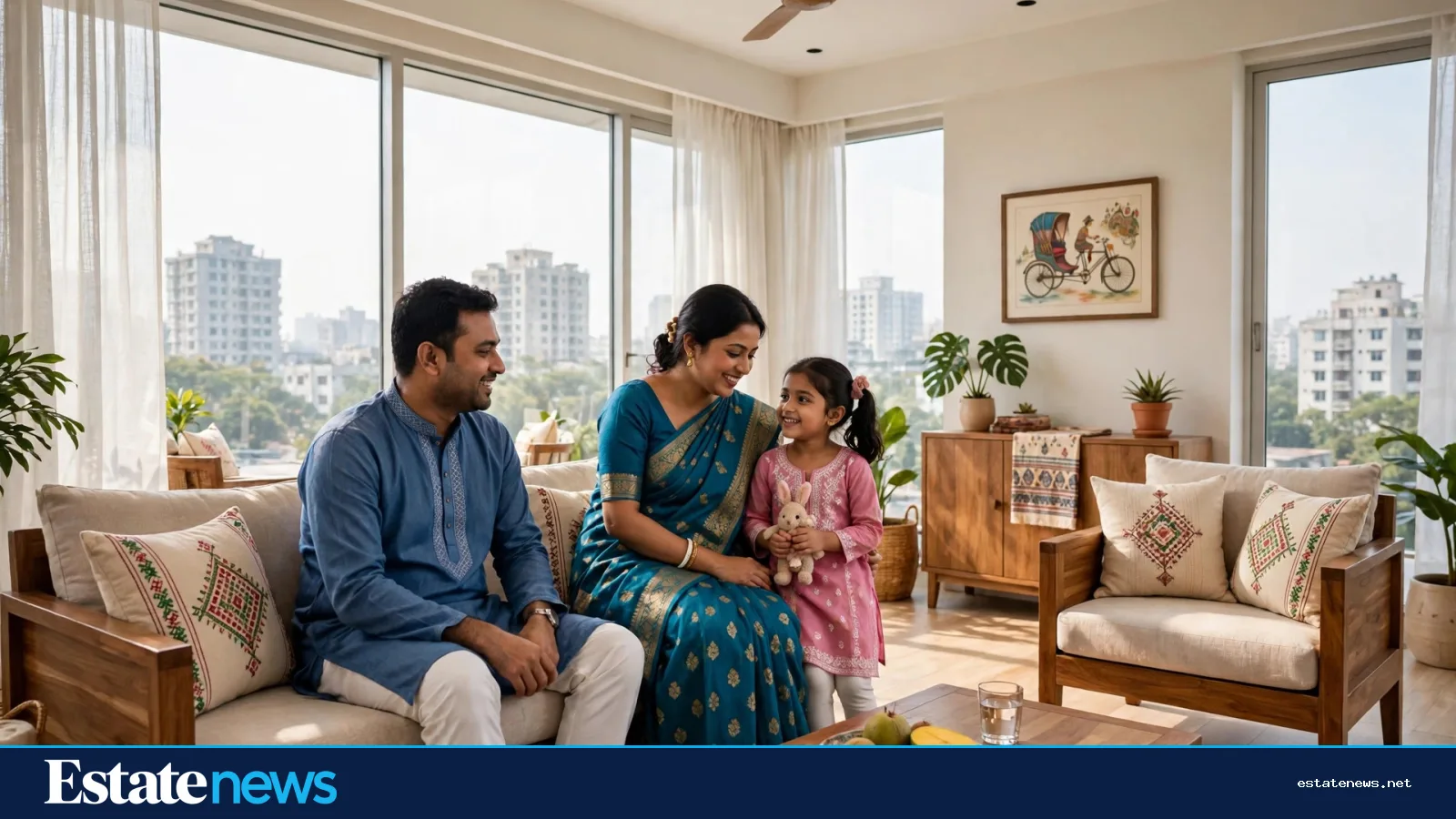
Uttara is where the same thinking takes a different shape. ABC Heritage stands on Jashimuddin Avenue in Sector 3, another 13-storey building, in a part of the city planned around wider roads and sector blocks. The company's Uttara list runs long. ABC Swapno Neer sits at the junction of Sectors 3, 5 and 7. ABC Subornorekha and ABC Mahananda are both in Sector 4. ABC Dewdrops, on 7.26 katha in Uttara, holds 16 units across nine storeys. The pattern is plain: ABC built where Uttara's sectors were filling up, and it kept building there as the area matured from new suburb to settled neighbourhood.
The Uttara years
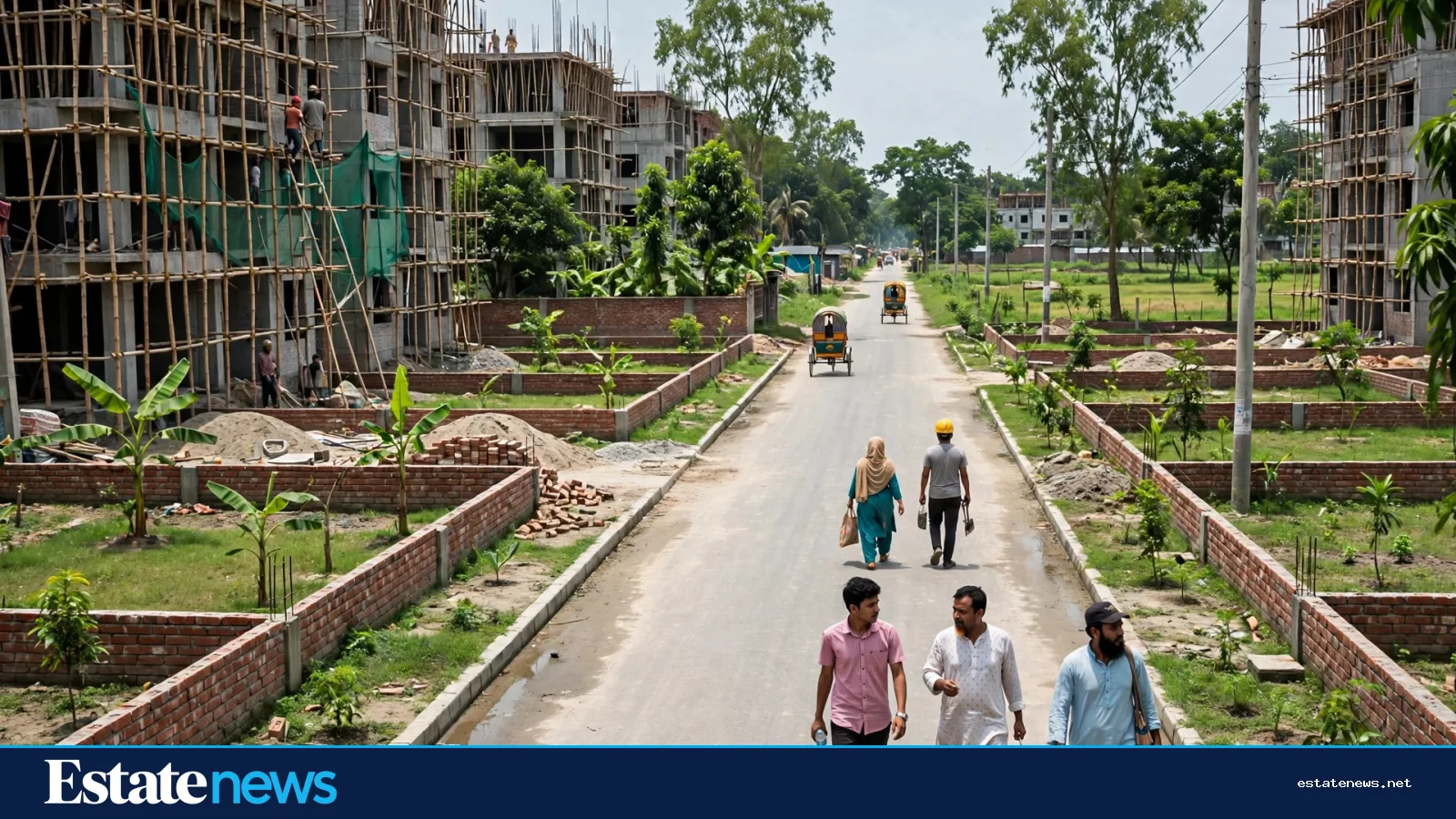
What Uttara offered was space to plan. The sectors gave the company plots with known neighbours and a street grid that would not change. A buyer moving to Sector 3 or Sector 4 was buying into a layout as much as a flat: parks at known distances, schools inside the sector, a lake road for an evening walk. ABC's buildings there fit that layout rather than fighting it. The flats are not the largest in the city, and the company has never claimed they are. They are aimed at families who want a planned neighbourhood and a builder with a record in it.
The other end of the company's map is the diplomatic zone and Gulshan. ABC Meghdoot stands in the Baridhara Diplomatic Zone, ABC Windchime in Gulshan 1, and ABC B-175 in Mohakhali DOHS. These are addresses where a buyer pays for quiet streets and security as much as for floor area. A builder that can work in Baridhara and in Uttara at the same time is working across two very different kinds of buyer, and ABC has done it without changing its basic approach: mid-rise buildings, a named architect where it counts, and very little fuss.


The company's most interesting move is not a single building. It is a partnership. In November 2024, ABC signed a joint venture agreement with the Ispahani Group to develop The Orchard at Ispahani Colony in Moghbazar, according to reports in The Business Standard on 2 November 2024 and the Dhaka Tribune on 3 November 2024. Mirza Salman Ispahani, chairman of the Ispahani Group, and Subhash Chandra Ghosh, chairman of ABC, signed the agreement. The project is planned as an exclusive gated residential complex with 143 apartments and 20 lifestyle facilities, designed by Volumezero Ltd. ABC had already developed The Oasis at the same colony, so The Orchard is a second act on land the company knows.
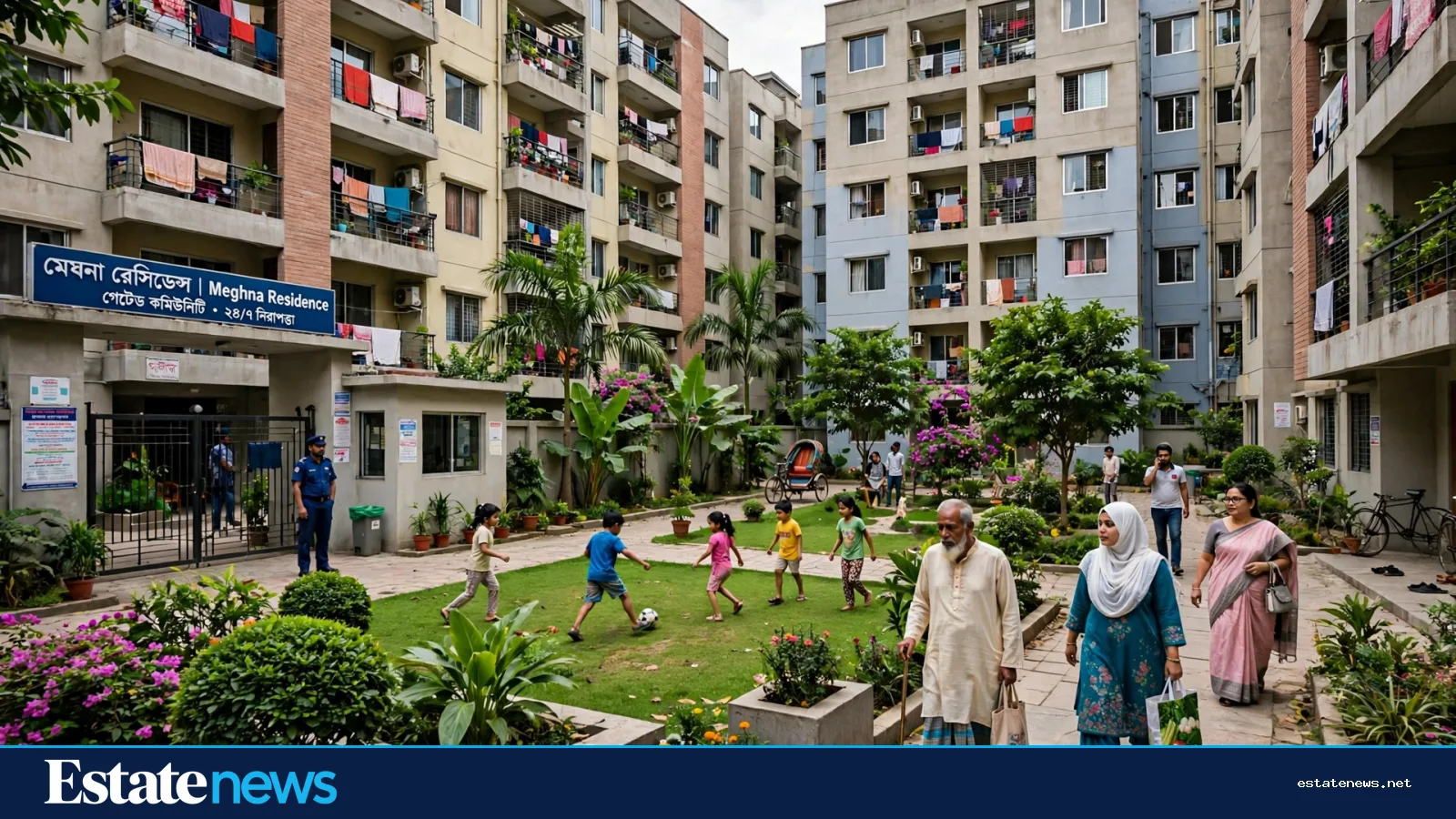
The Orchard is where that thinking turns into a neighbourhood. A gated complex of 143 apartments is a small town in itself, and 20 lifestyle facilities means the building has to work as a place to spend the day, not just a place to sleep. The Ispahani name carries weight in Moghbazar, where the colony has stood for decades, and the joint venture pairs that land with a builder that knows how to put up a premium block. For a buyer, the question is the same one that follows every gated project in Dhaka: whether the walls keep the city out or keep the residents in. The answer usually comes years after handover, when the gardens are grown and the facilities are either in daily use or quietly locked.
What quiet premium means in practice
There is a type of Dhaka developer that announces every launch with a fair stall and a newspaper spread. ABC is not that type. Its projects surface in the REHAB directory and on the company's own site, abcreal.com.bd, and buyers tend to hear about them from brokers and neighbours rather than from hoardings. That quietness has a cost. A buyer who wants a price list will not find one published for these projects, and this profile states no price for any of them, because the company has not published one. The trade-off is that the buildings are judged on their addresses and their architects, not on a launch offer.
That approach also shapes who buys. A family choosing between ABC House and a newer tower in Bashundhara is choosing between a Banani address with a known architect and a newer building with more facilities. Estate News covered a similar choice in "Sheltech: From Dhanmondi to Jolshiri, the Quiet Giant of Dhaka Housing", a profile of another builder that grew quietly across the city, and in "bti: The Builder That Turned Dhaka Flats Into Wellness Communities", which looked at how a developer can sell a way of living rather than just floor area. ABC belongs in that company, though its version of the pitch is plainer. It sells the address, the architect and the building, and leaves the rest to the buyer.
For anyone weighing a premium flat, the practical checks do not change with the brand. The deed and the chain of title, the RAJUK approval, the handover terms in the agreement, and the registration cost after purchase all matter as much as the lobby. Estate News's Bangla guide to flat registration costs walks through that arithmetic for a buyer who wants the full number before signing. A premium address does not remove any of those steps. It only raises the amount at stake in each of them.
ABC Real Estates is not the biggest builder in Dhaka, and it does not behave like it wants to be. Its footprint runs from a 13-storey block on Kemal Ataturk Avenue to a gated complex in Moghbazar, with Uttara, Gulshan and Baridhara in between. The Orchard will show whether the company's quiet method works at the scale of a small neighbourhood rather than a single building. If the gardens fill and the facilities stay open, the builder will have added a new kind of address to its list. If not, it will still have the Banani and Uttara buildings, standing quiet behind their gates, doing what they have always done.