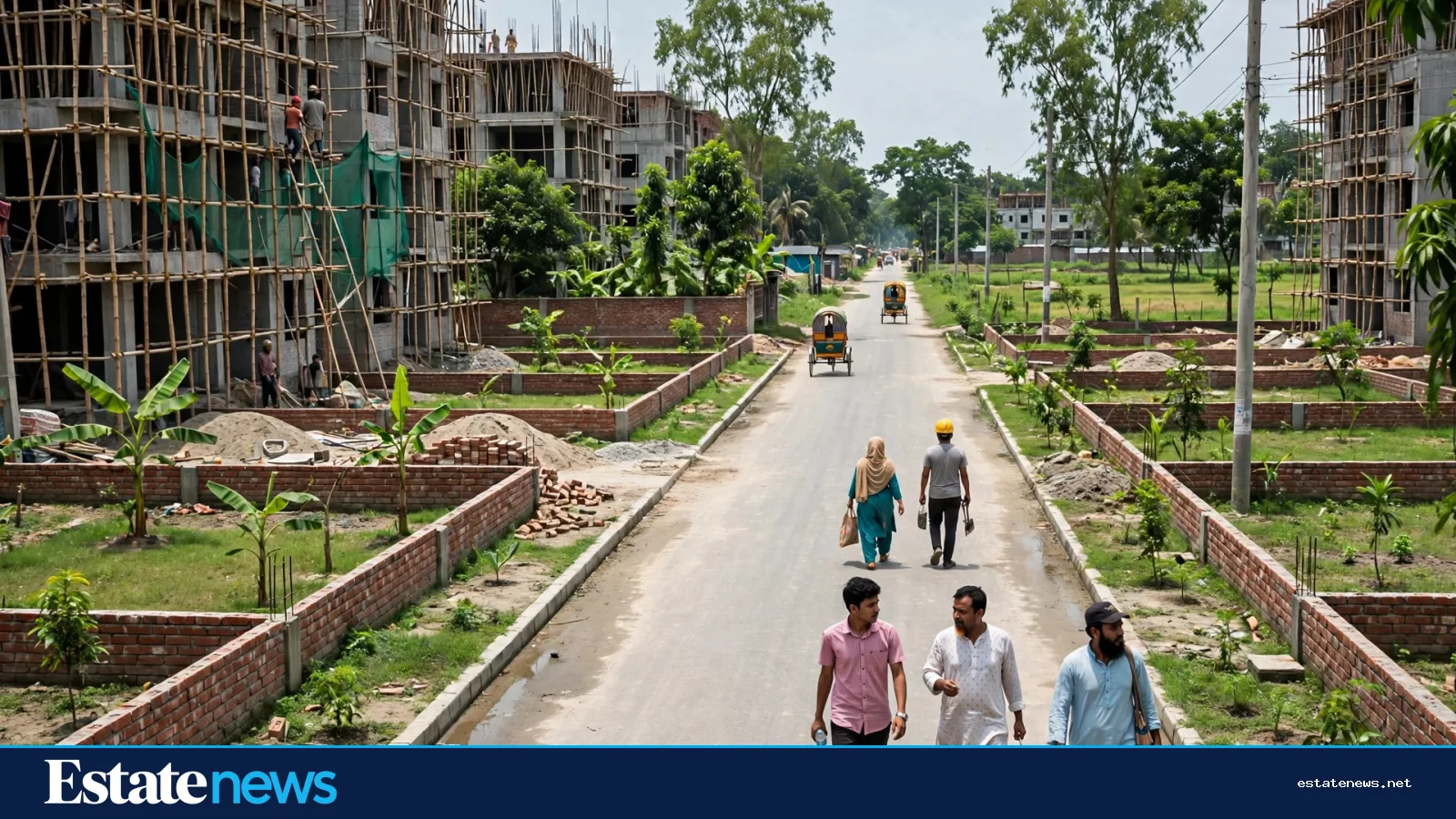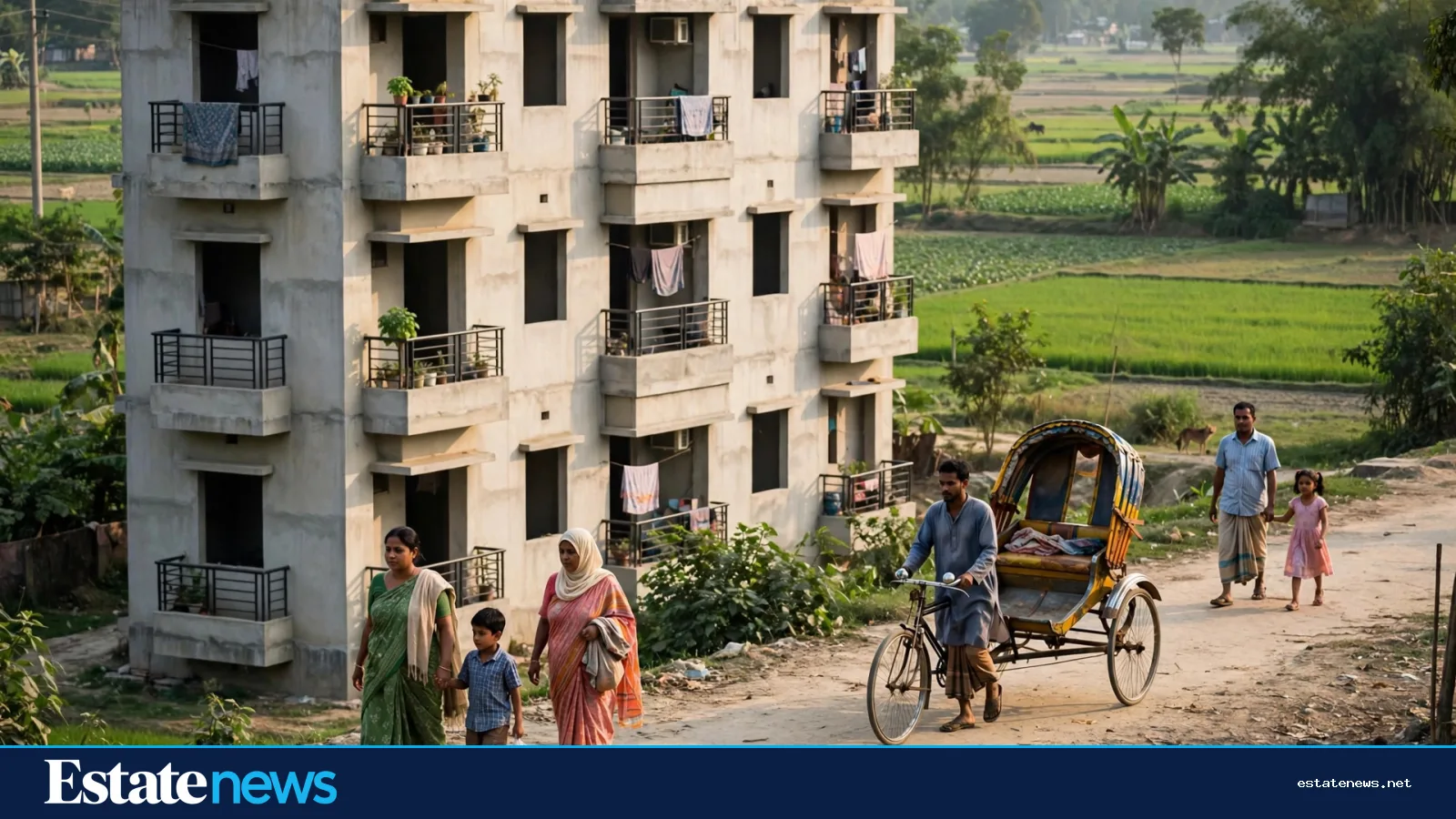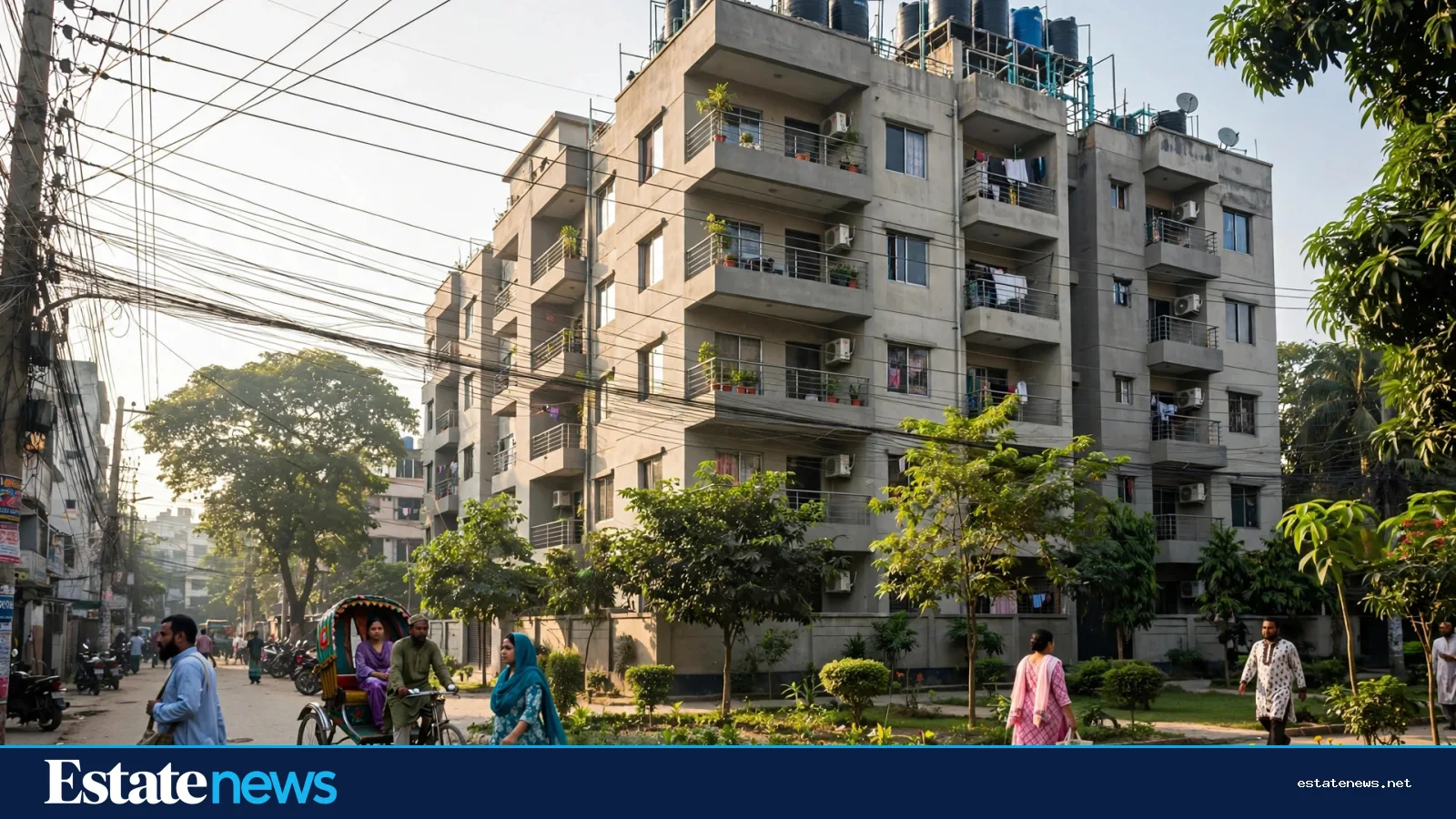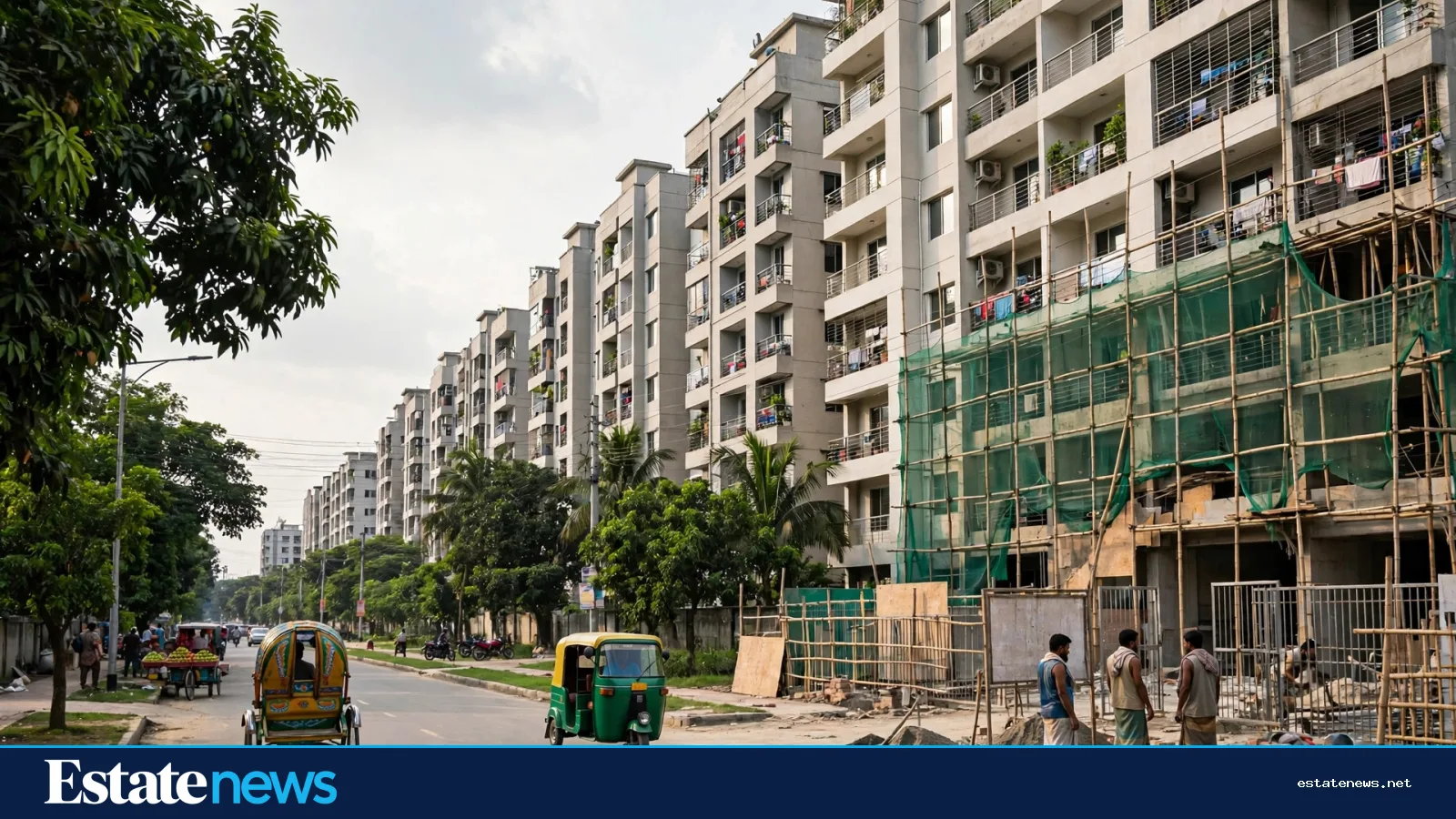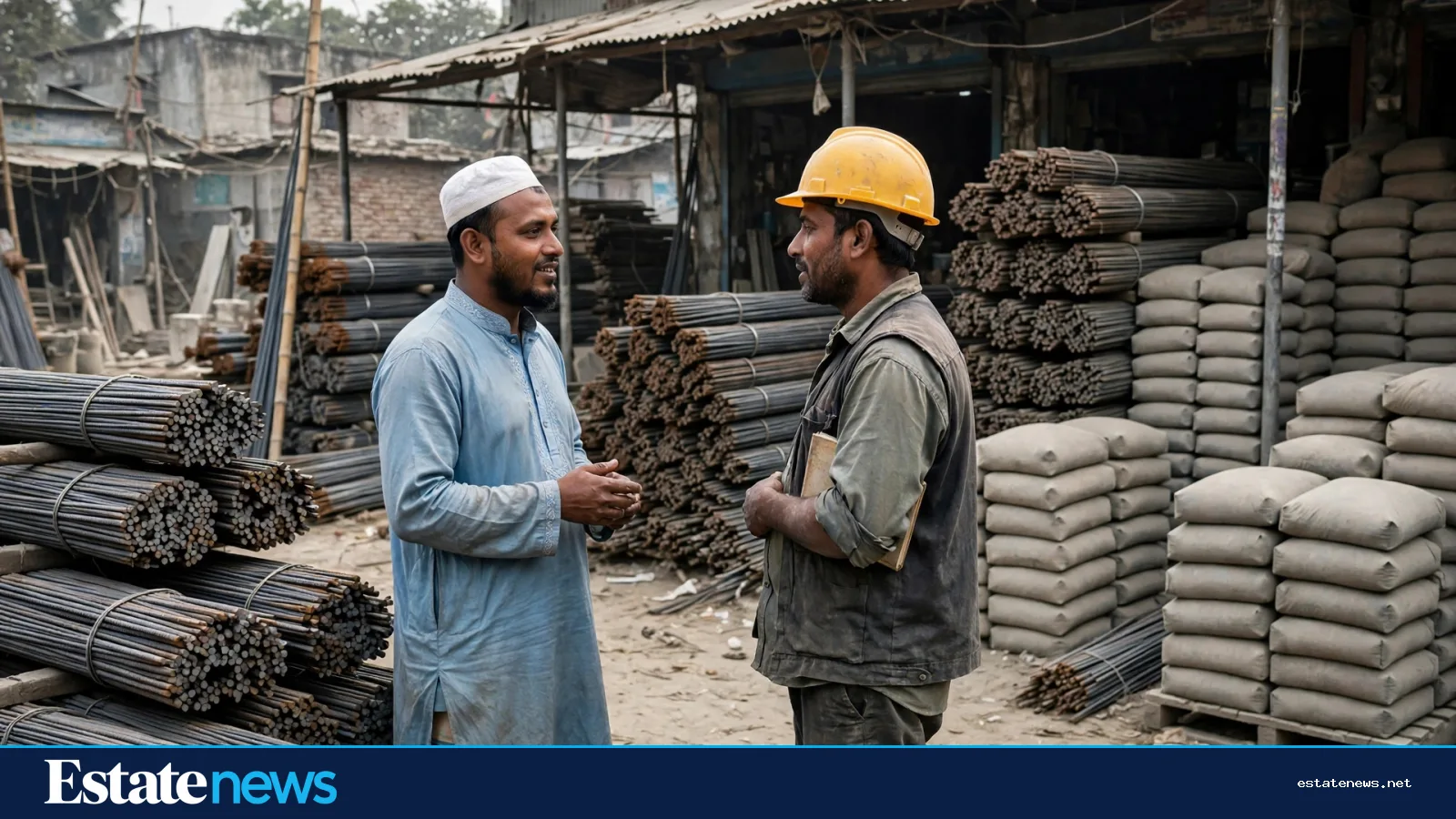
Ask a builder in Dhaka what keeps him up at night and the answer rarely starts with design. It starts with rod. The price of a tonne of steel rod moves the budget of every apartment block in the country, and it moves often enough that a quote from last month can be out of date before the foundation is poured.
November opens with a mixed picture. Prices have come down from the highs of last December. They have not come down far enough to make builders comfortable. And the budget for 2026-27, in force since July with its new taxes and duties on construction materials, hangs over the next round of buying.
What rod costs now, on the published record

The most recent published range comes from the Financial Express, reporting on dealer prices in Dhaka. Standard 72-grade mild steel rod was selling at Tk 75,000 to Tk 85,000 a tonne. The state-run Trading Corporation of Bangladesh, TCB, recorded rod at Tk 84,000 to Tk 85,000 a tonne at selling points in the capital on a recent Thursday. The same report put the range in the last week of August at Tk 87,000 to Tk 92,000, and last December at Tk 92,500 to Tk 99,500.
Read those numbers as a range, not as a price list. Rod prices vary by grade, by brand and by where the buyer stands. A 75-grade rod costs more than a 60-grade rod, and a mill-gate price differs from a retail price in North South Road. What the published ranges show, taken together, is direction: down from December and from August, but still high in absolute terms.
Brand prices from March show how wide the spread can run. The Business Standard reported that month that 75-grade rod was selling at Tk 90,000 to Tk 95,000 a tonne at mill gate, with BSRM at about Tk 95,000, KSRM at Tk 91,000 and GPH Ispat at Tk 92,000. Those are March figures, from a week when rod had jumped Tk 10,000 in ten days. They show the gap between brands at a moment of stress, not today's prices.
The brands behind the numbers
Four names carry most of the rod market: BSRM, KSRM, GPH Ispat and AKS, with RSRM and other re-rollers behind them. BSRM is the oldest and largest of the group, and its price is often the one dealers quote first. KSRM and GPH Ispat, both Chattogram-based, compete hard on quality and delivery. When one of these producers moves its price, the others usually follow within days.
Cement tells a quieter story this month. The big names are Shah Cement, Bashundhara Cement, Crown Cement, Premier Cement and LafargeHolcim Bangladesh, alongside Heidelberg Materials and others. No current verified per-bag price for November could be confirmed from a reputable published source this week, so this tracker gives no November bag price rather than guessing one. What is on the record is that cement prices rose by Tk 20 to 25 a bag during the March spike, and that LafargeHolcim's nine-month profit fell 21 per cent as energy costs ate into its margin, a result reported on 12 November.


Why the budget changes the arithmetic
The budget is where the direction of travel changed. REHAB warned when the budget was proposed in June that new taxes and duties on construction materials, including a specific VAT on steel rods, would raise construction costs and flat prices. The steel industry's warning is sharper in numbers. The Bangladesh Steel Manufacturers Association said in June that the proposed tax structure, together with power tariff rises, could add Tk 11,000 to Tk 12,000 to the cost of producing a tonne of rod. Power alone, the association said, added Tk 1,800 to Tk 2,000 a tonne, with port fees and transport adding another Tk 3,000 to Tk 3,500. Those are the association's figures, offered in its own interest, and they should be read that way. They still describe the cost chain a builder actually faces.
What builders and buyers should plan for
For a developer buying rod this month, the practical lesson is to lock in what can be locked in, and to read the budget text before signing a new supply contract. A project priced on August rod will look different on November rod, and different again as the budget's duties work through the market. For a buyer, the lesson is simpler. The price of a flat under construction carries the price of its materials inside it. If rod rises by Tk 10,000 a tonne, that rise will appear somewhere: in the flat's price, in the developer's margin, or in the pace of construction.
Winter is usually the busy season for building in Bangladesh, when dry weather lets sites work at full speed. That seasonality cuts both ways. Demand for rod rises while the budget's new duties are still working through the market. A builder who buys early buys certainty. A builder who waits buys a gamble on the budget.
Methodology note
This tracker uses published ranges from the Financial Express and the Trading Corporation of Bangladesh for current rod prices, and from The Business Standard for the March brand comparison, labelled with its date. Figures are asking and dealer-reported ranges, not verified transactions, and they vary by grade, brand and location. No November cement bag price is stated because no current verified figure could be confirmed this week. The budget figures are the steel and housing associations' own estimates, attributed as such.
Read more: Rod and cement prices in October (https://estatenews.net/development/oktobre-rd-oo-siment-damer-prisr-nirman-bzz-ebng-badi-bananor-priklpnaz-za-mathaz-rakhben) | Steel's price, every builder's problem (https://estatenews.net/development/steels-price-every-builders-problem-what-rod-prices-mean-for-construction-budgets-in-bangladesh) | November construction costs: what the latest published ranges say (https://estatenews.net/development/november-construction-costs-what-the-latest-published-ranges-say-and-what-they-do-not)