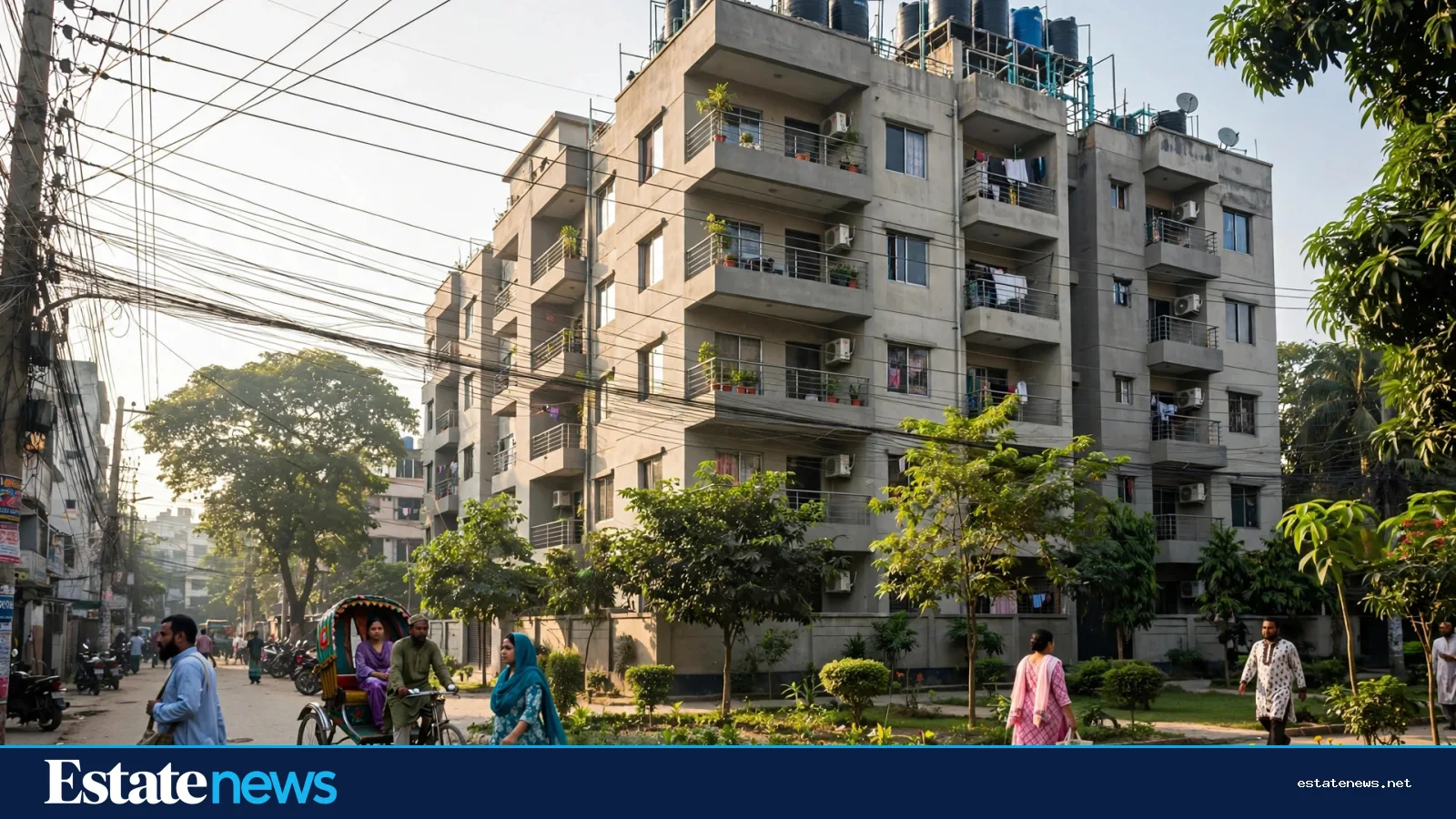
The pool is on the roof, and at seven in the morning it belongs to the early risers. A man does slow laps while his son watches from a bench. Below, the building wakes up in the usual Dhaka way. A caretaker sweeps the lobby. A rickshaw waits at the gate. Someone carries a school bag down the stairs because the lift is full.
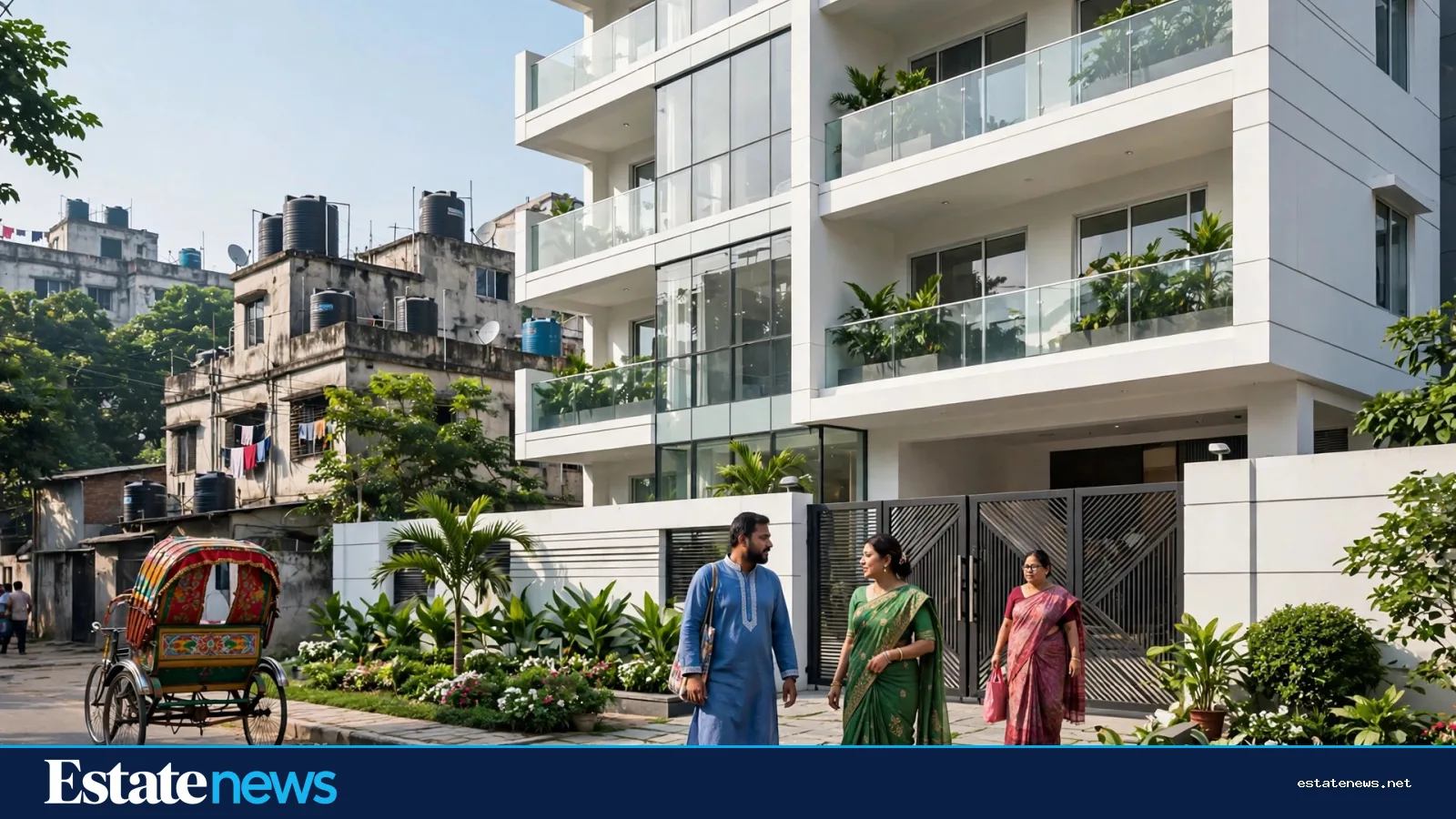
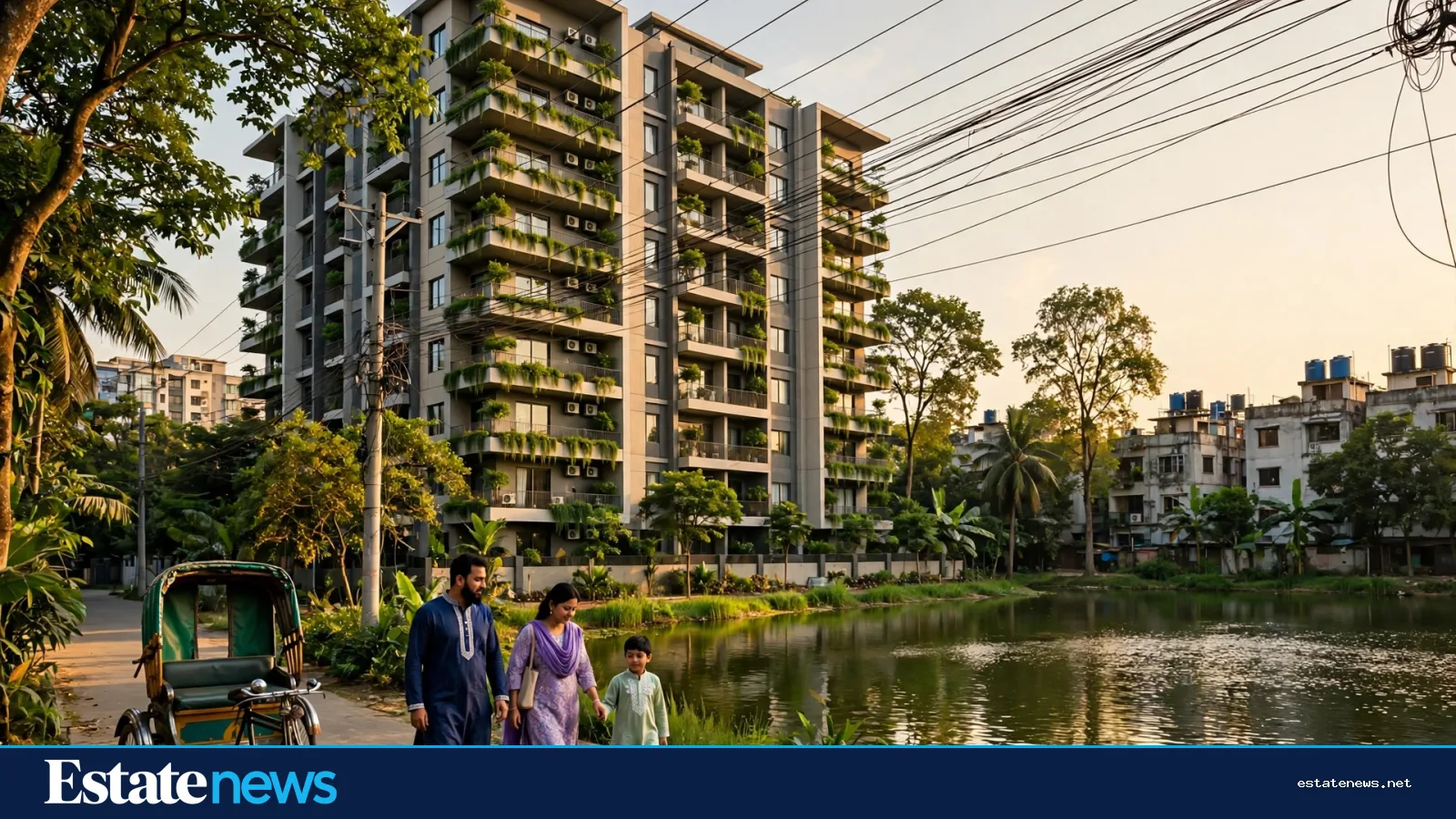
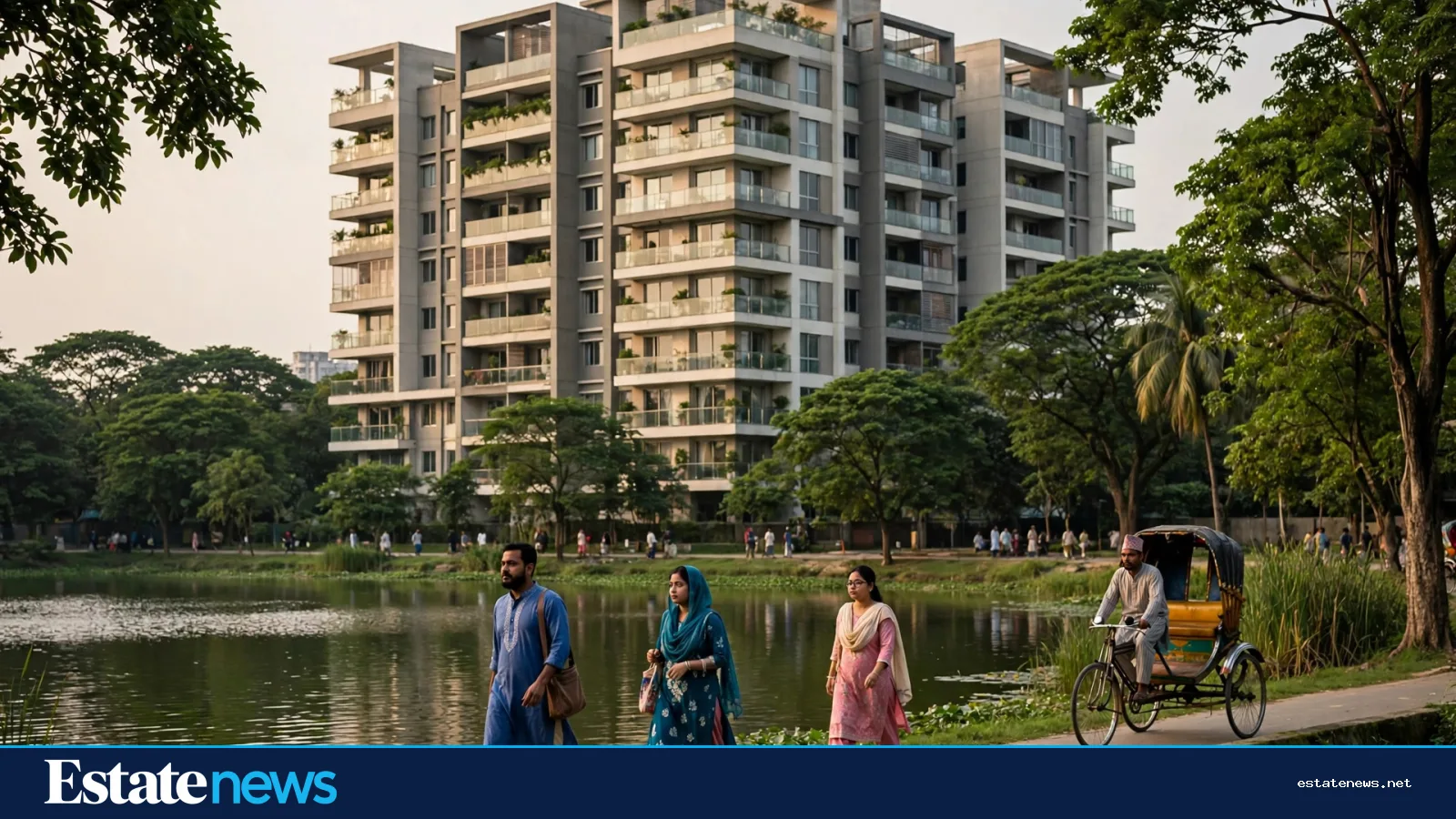
Nothing about the scene looks like a sales brochure. That is the point. For a growing number of Dhaka buyers, a flat is no longer judged only by its size or its address. The question has widened. What happens inside the building after the keys change hands? Where do children play when the street outside is busy? Where does an older parent walk in the evening?
A company that started in a small office

Building Technology and Ideas Ltd, known to everyone as bti, began in 1984 from a small office in the BRTC building. The company describes itself as a pioneer of the organised apartment business in Bangladesh, and the record gives that claim some weight. It is a founding member of the Real Estate and Housing Association of Bangladesh, REHAB, with membership number 001. It was also the first real estate company in the country to receive ISO 9001 certification for quality in design and construction of buildings.
Growth came in steps rather than leaps. In 2001 bti expanded beyond Dhaka to Chattogram. Later it added Comilla to its map. By 2021, according to a report in The Business Standard, the company said it had delivered homes to more than 6,000 customers, on time and in some cases ahead of time. The same report noted that every project carried fire safety and earthquake-resistant features. Two years earlier, in 2019, the company marked 37 years in business with a note on its own site that looked back at the BRTC office where it started.
Three collections, three kinds of buyer
Walk through bti's current portfolio and it falls into three clear groups. The Classic Collection is pitched at middle and upper-middle buyers: practical flats in accessible parts of Dhaka and Chattogram, with the facilities a family expects rather than the ones it shows off. The Luxury Collection sits at the other end, with larger flats, modern design and smart home features. Between them, and newer than both in spirit, sit the Wellness Communities.
The geography tells its own story. Company material lists projects across Gulshan, Bashundhara, Uttara, Mirpur, Mohakhali and Aftabnagar in Dhaka, and in Khulshi in Chattogram. That spread matters. A developer that builds only in one premium pocket can look strong while depending on a single market. bti's map runs from the city's established north to its newer eastern edge, and from Dhaka to the port city.
A second bti piece ran on Estate News on 31 October, looking at the same three collections as a market signal. This feature takes a different route. It asks what the wellness idea actually changes for the people who live with it, and where the idea still has to prove itself.
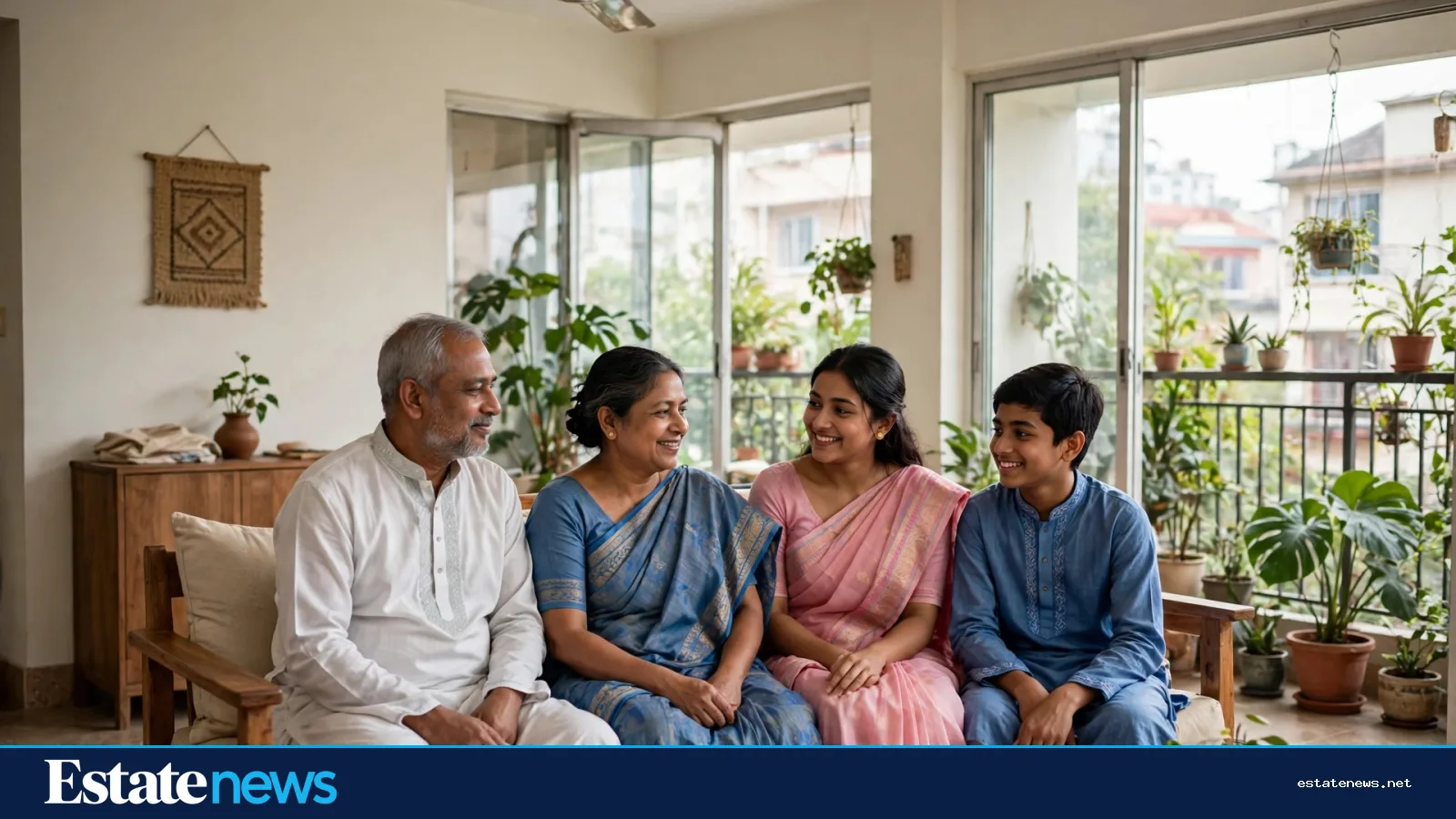
Wellness is the selling point, and the test
Ask what a Wellness Community contains and the company's own design writing gives a straight list: gym, sauna, swimming pool, outdoor terrace, play area and movie theatre, alongside the flat itself. Smart home features appear in the Luxury and Wellness collections. The logic is simple enough. Dhaka's streets are crowded, its parks are few, and a family that wants exercise, play or an evening walk often has to leave the neighbourhood to find it. Put those things inside the building and the building starts to do work the city cannot.
The test is less simple. A pool needs cleaning, a gym needs upkeep, a play area needs supervision. Service charges rise with every facility added, and a facility that looks good on handover day can look tired three years later if the residents' association and the developer have not agreed who maintains it. Buyers who like the wellness pitch should ask the unglamorous questions. Who runs the gym? What does the monthly charge cover? What happens when equipment breaks? A building that answers those questions plainly is worth more than one that only shows photographs.


Design, and the awards that followed
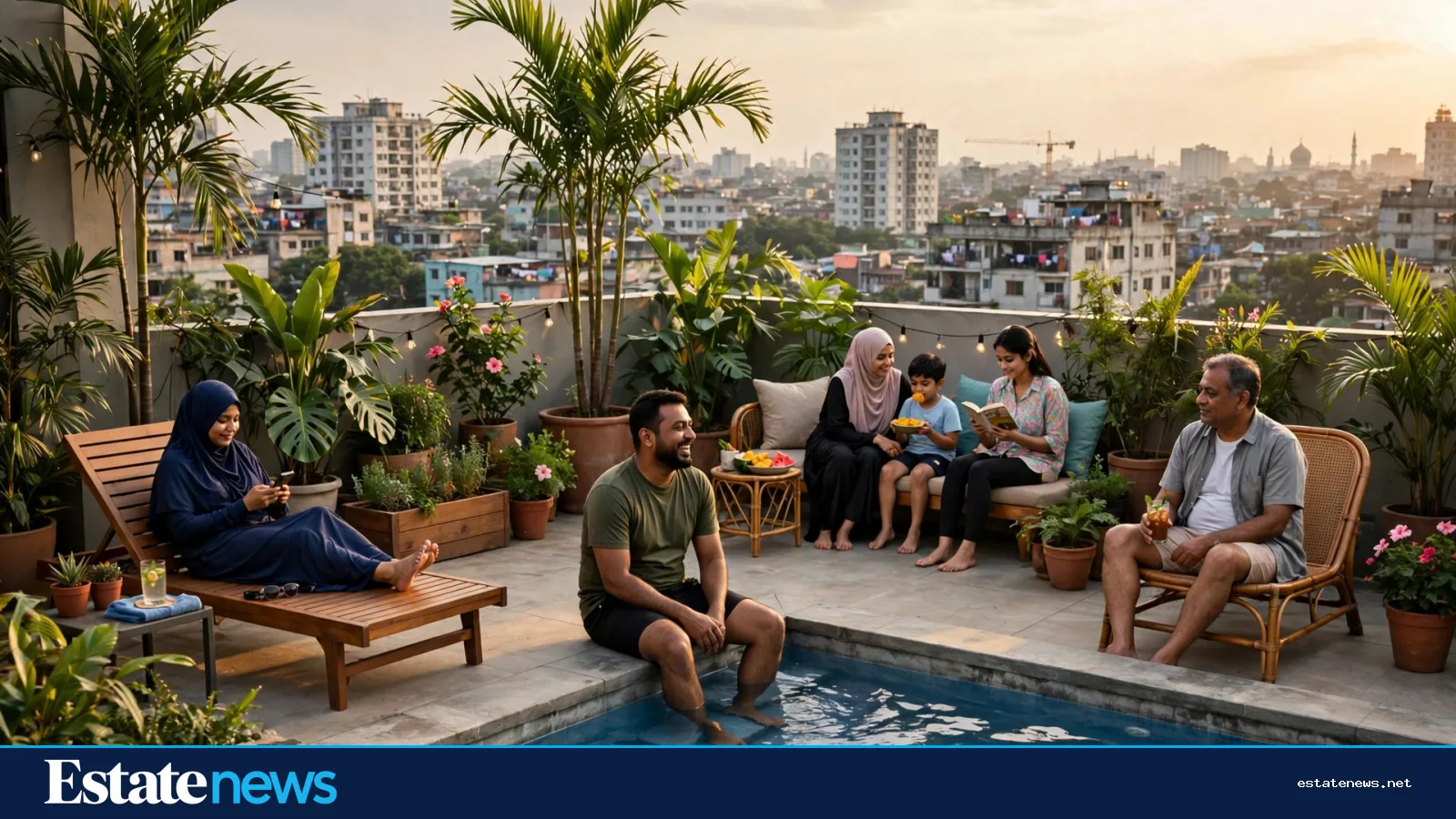
bti has made design a large part of its identity. Its own writing on the subject traces a shift from plain functional flats to homes where light, layout and finish matter as much as structure. The company says it has received ISO certifications twice for design excellence and quality of construction and service, along with LEED gold certification for design excellence and the ESSAB Safety Award for fire safety measures. Awards do not guarantee a good flat. They do show where a company has chosen to spend its attention, and bti has spent a good deal of it on design and safety.
Two side ventures sharpen the picture. bti Building Products, which makes concrete hollow blocks, has been used in the company's own projects since 2014, a step the company links to cutting its carbon footprint. Square Feet Story, its interior service, lets buyers shape the inside of a flat with a team the company provides. Neither venture is the story. Together they show a builder trying to control more of what a buyer actually lives with, from the block in the wall to the kitchen shelf.
The affordable edge, and the gated answer
Not every bti project aims at the top of the market. The company later introduced Chayabithi, a gated community, as part of its affordable housing work. The name matters less than the intent. Dhaka's housing shortage is sharpest below the premium bands, and a developer of bti's age is judged, fairly or not, by whether it builds anything for buyers who cannot stretch to Gulshan or Bashundhara prices. Chayabithi is the company's answer to that question, and its scale and pricing deserve the same close reading any buyer would give a premium launch.
Community work also runs through the company's history. Its own anniversary writing records art competitions, fire drills in schools and residential complexes, and relief contributions. These are small facts. They add up to a builder that has stayed visible in the neighbourhoods where it builds, rather than disappearing after handover.
What the numbers do and do not prove
Forty-two years, a REHAB founding membership, more than 6,000 customers by 2021, projects in two cities and a third on the map. The numbers describe endurance. They do not describe any single flat. A buyer still needs to visit the site, read the deed, check the RAJUK approval and talk to residents who already live there. A long record makes those checks easier, because there are older buildings to look at and older buyers to ask. It does not replace them.
The same caution applies to the wellness idea itself. A gym and a pool are real benefits when they are maintained. They are a cost when they are not. The difference shows up in the service charge, in the condition of the common areas after a few monsoons, and in whether residents use the facilities or walk past them.
Where bti goes from here
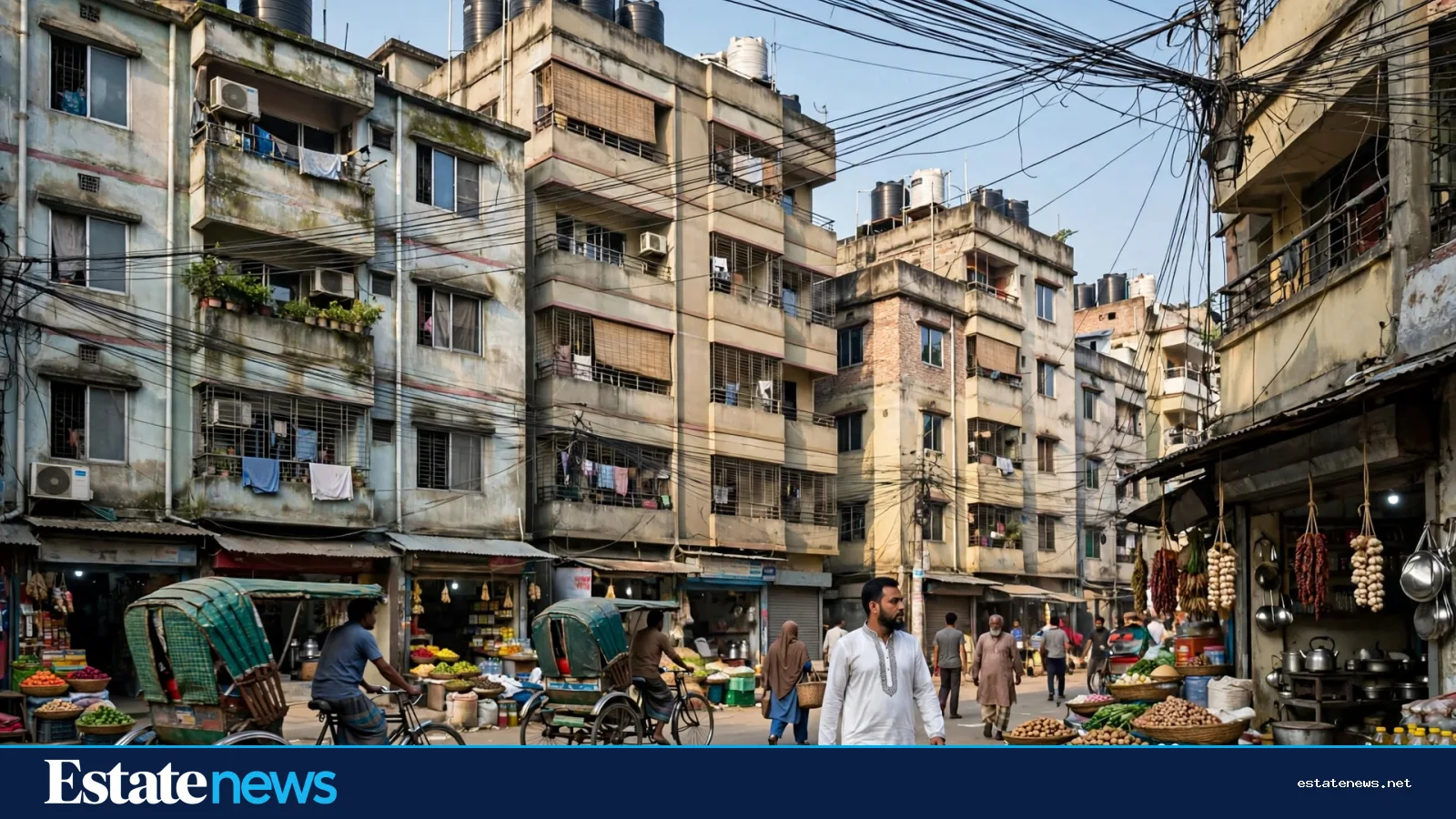
Dhaka keeps growing outward, and bti's newer ground sits in that direction: Bashundhara, Aftabnagar, the eastern edge where planned plots meet half-built streets. Chattogram gives it a second market when Dhaka slows. The wellness pitch gives it a way to stand out when every developer promises quality and every brochure promises light and air.
Whether the pitch lasts will be decided in the buildings themselves, in the morning swims and the evening walks, and in the maintenance bills that follow. A flat is a purchase that lasts decades. The companies that last with it are the ones whose buildings still work well after the launch photographs fade. On that measure, bti has earned its place in the conversation. The next forty years will test whether the wellness idea becomes a lasting part of Dhaka housing, or a passing fashion in a city that has seen many.
Read more: bti and its Classic, Luxury and Wellness Communities (https://estatenews.net/development/bti-building-technology-ideas-what-its-classic-luxury-and-wellness-communities-say-about-how-dhaka-buys-homes-now) | Inside Rupayan City, Uttara's walled green town (https://estatenews.net/luxury/inside-rupayan-city-uttaras-walled-green-town-and-the-life-it-promises) | Assure Group and its Uttara base (https://estatenews.net/development/assure-group-the-builder-with-uttara-at-its-centre)