Tk 40 lakh. Say the number to a Dhaka family renting a two-bedroom flat and watch what happens. Eyes lift. A calculation starts. Could that be a home of our own, not a landlord's? Could the monthly instalment be something a salary can carry?
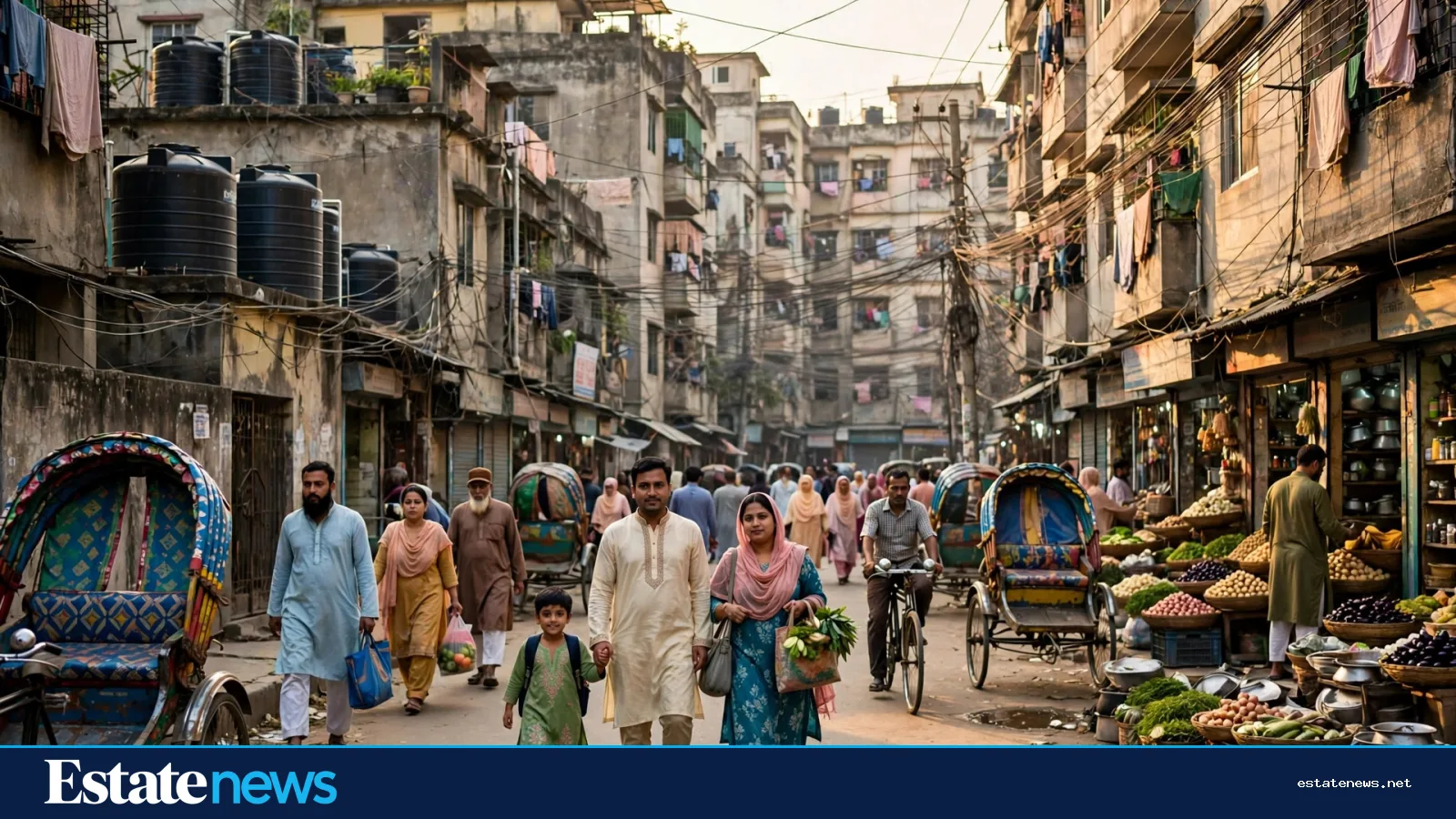
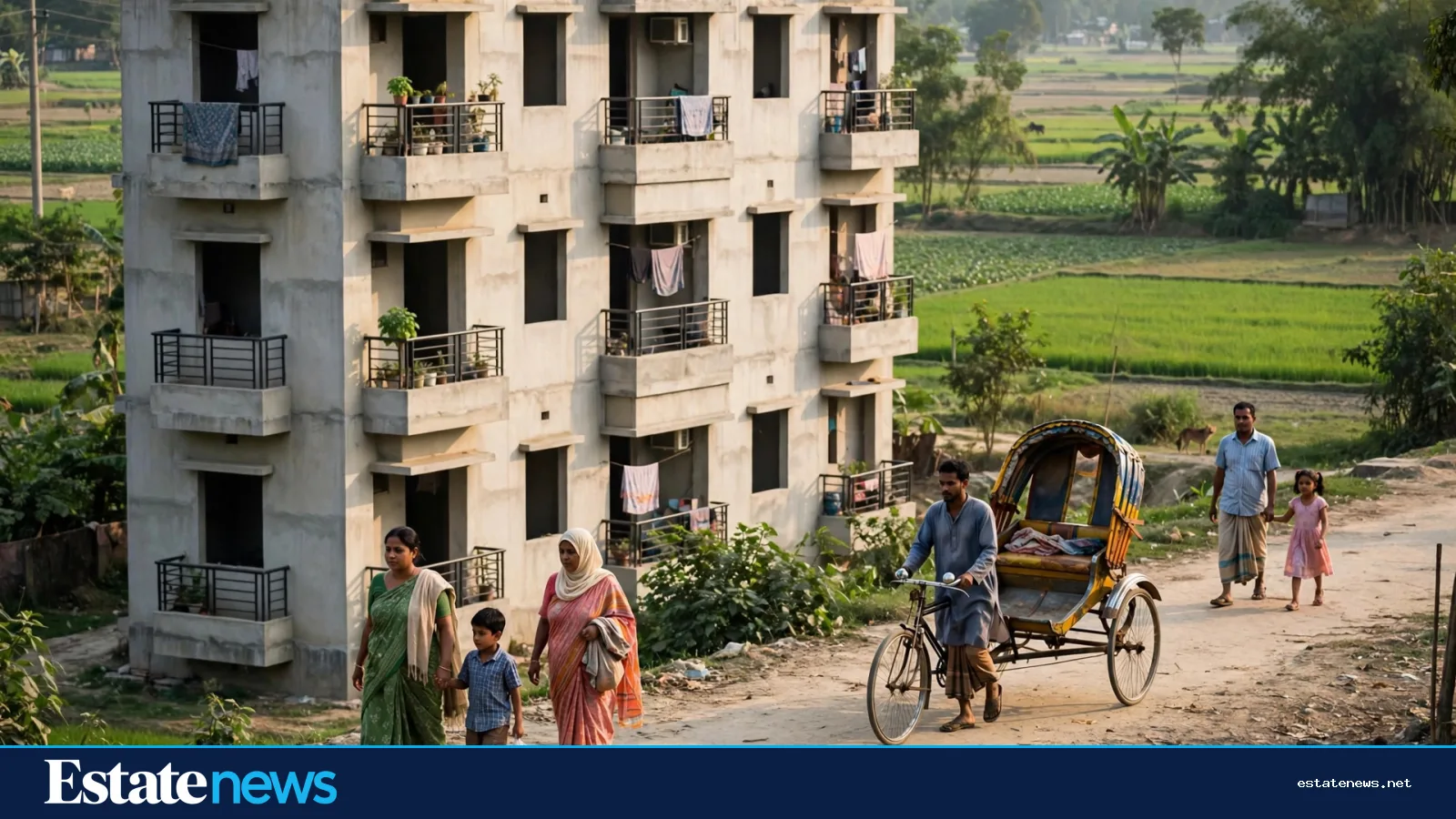
That is the number REHAB's new leadership has put into the conversation. The association's president, Ali Afzal, and senior vice-president Abdur Razzaque took office on 4 November. One of their first public pledges was for small flats priced at Tk 40 to 60 lakh, built in Savar, Gazipur and Keraniganj, the towns that ring Dhaka. Inside Dhaka itself, REHAB says, such flats are not feasible at that price. The land costs too much, and the arithmetic does not close.
Why Dhaka cannot do Tk 40 lakh

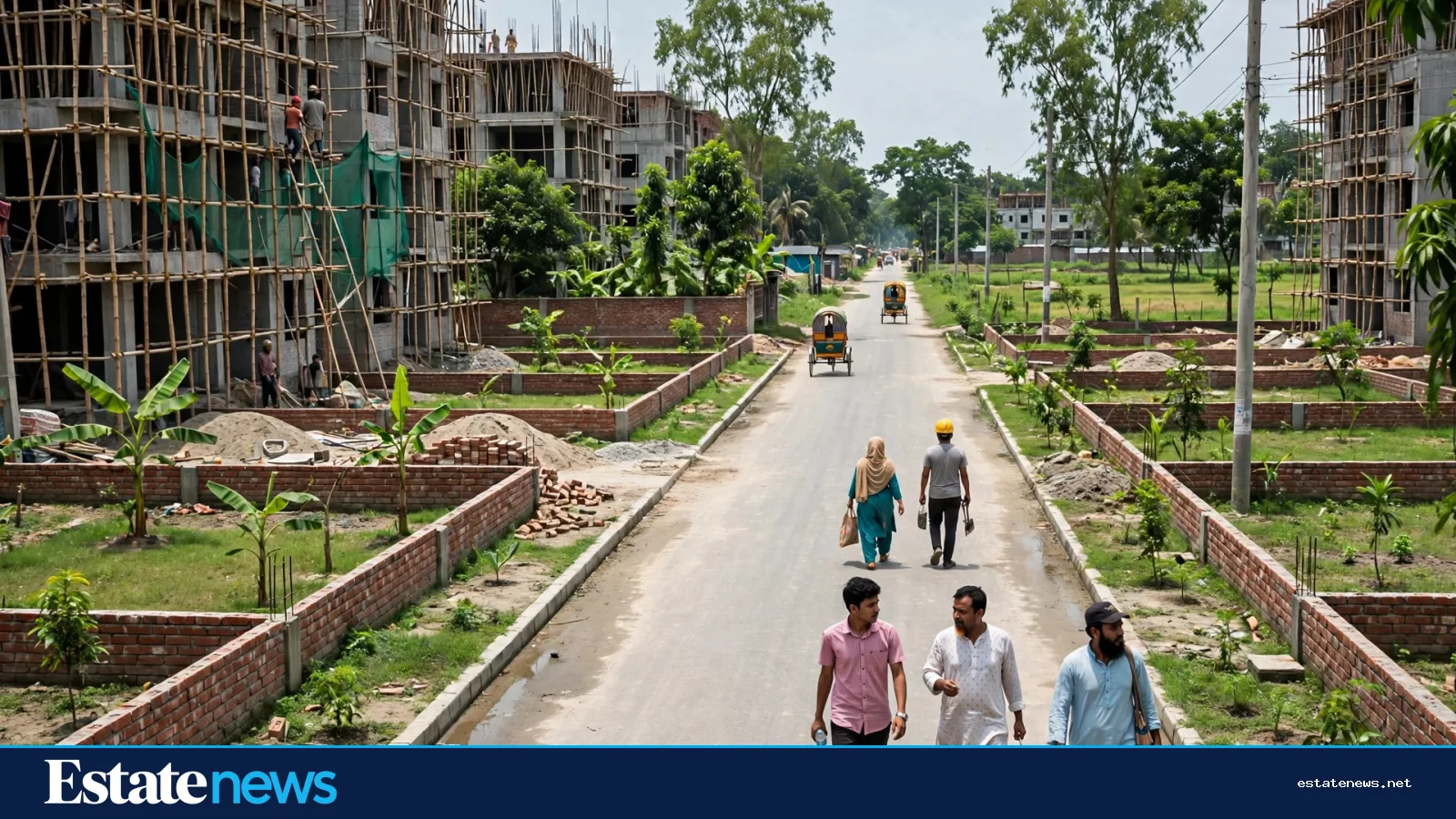
The reason is land, and it is not a small reason. A flat's price is land plus construction plus the developer's margin, plus registration and tax. Construction costs are broadly similar across the Dhaka region. Land is not. A katha in central Dhaka can cost several times what the same katha costs in Savar or Keraniganj. Build a small flat on expensive land and the land share alone eats the budget. Build it on cheaper land outside the city and the same flat becomes possible.
That is why the pledge names three places and not a fourth. Savar, Gazipur and Keraniganj all sit on Dhaka's edge, close enough for a commute and far enough for land prices to fall. Gazipur already has factories, workers and a housing corridor growing along its roads. Savar has industry and a university town feel. Keraniganj sits across the Buriganga, a short crossing from old Dhaka. Each place has its own buyers, its own transport problems and its own reason a small flat might sell.
What a pledge is, and what it is not
A pledge from an industry association is a promise about direction. It is not a launch. No project list has been published with the pledge, no locations have been named plot by plot, and no developer has yet announced a Tk 40 lakh flat under it. Buyers should read it that way. The pledge tells you what REHAB's leadership wants the market to do. It does not tell you where to go this week with a booking cheque.
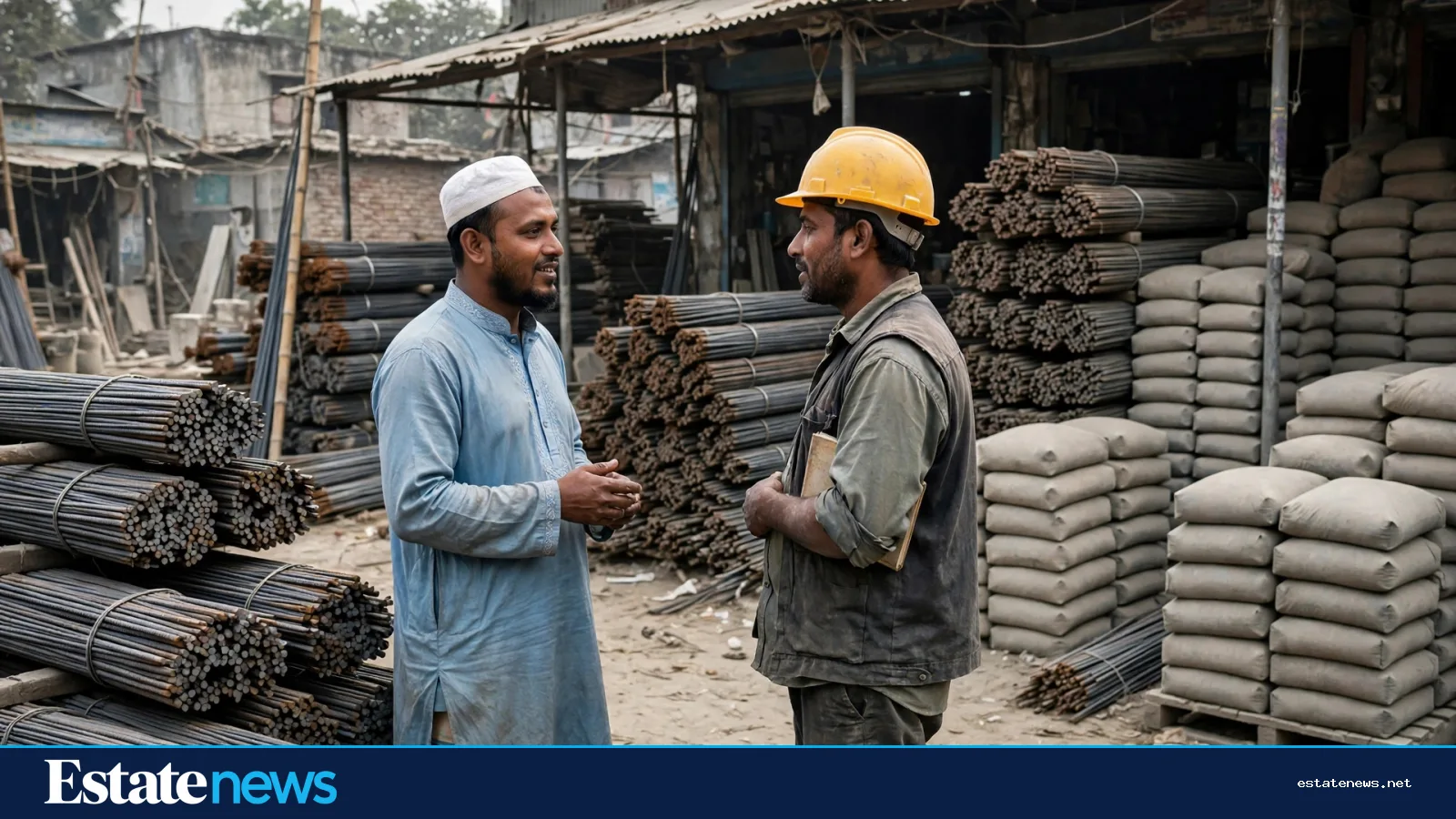
That does not make it empty. Industry pledges shape what developers plan, and developers plan in quarters, not days. A small flat at Tk 40 lakh needs a different design from a premium flat: a compact layout, simple shared facilities, a construction schedule that does not stretch for years. If several developers take the pledge seriously, the first projects could appear in the coming building season.


REHAB has also been talking to the regulator. A delegation from the association met RAJUK chairman Engineer Riazul Islam on 5 November, pressing for amendments to the Detailed Area Plan, the DAP, which governs what can be built where in Dhaka. The DAP decides density, height and land use, and those rules decide whether small flats on the city's edge are even permitted at the scale the pledge imagines. A pledge without planning permission is a wish. The meeting suggests REHAB knows that.
The questions a buyer should ask
Suppose a Tk 40 lakh flat does appear in Savar or Gazipur next year. The first question is the commute. A cheap flat that costs three hours a day in travel is not cheap. The second is the land and the approval: is the project on land with a clear title, and does it carry RAJUK approval for the building as drawn? The third is the total cost. Tk 40 lakh is the flat's price. Registration, VAT, stamp duty and the local government tax sit on top of it, and on a Tk 40 lakh flat they add a real sum. A buyer who budgets only for the headline price will be short at the registry office.
The fourth question is the size. A small flat at that price will be compact, and compact means different things to different families. A young couple starting out may find it generous. A family of five may find it tight within a year. Visit a finished flat of the same size before booking one that exists only on paper.
A number that moves the conversation
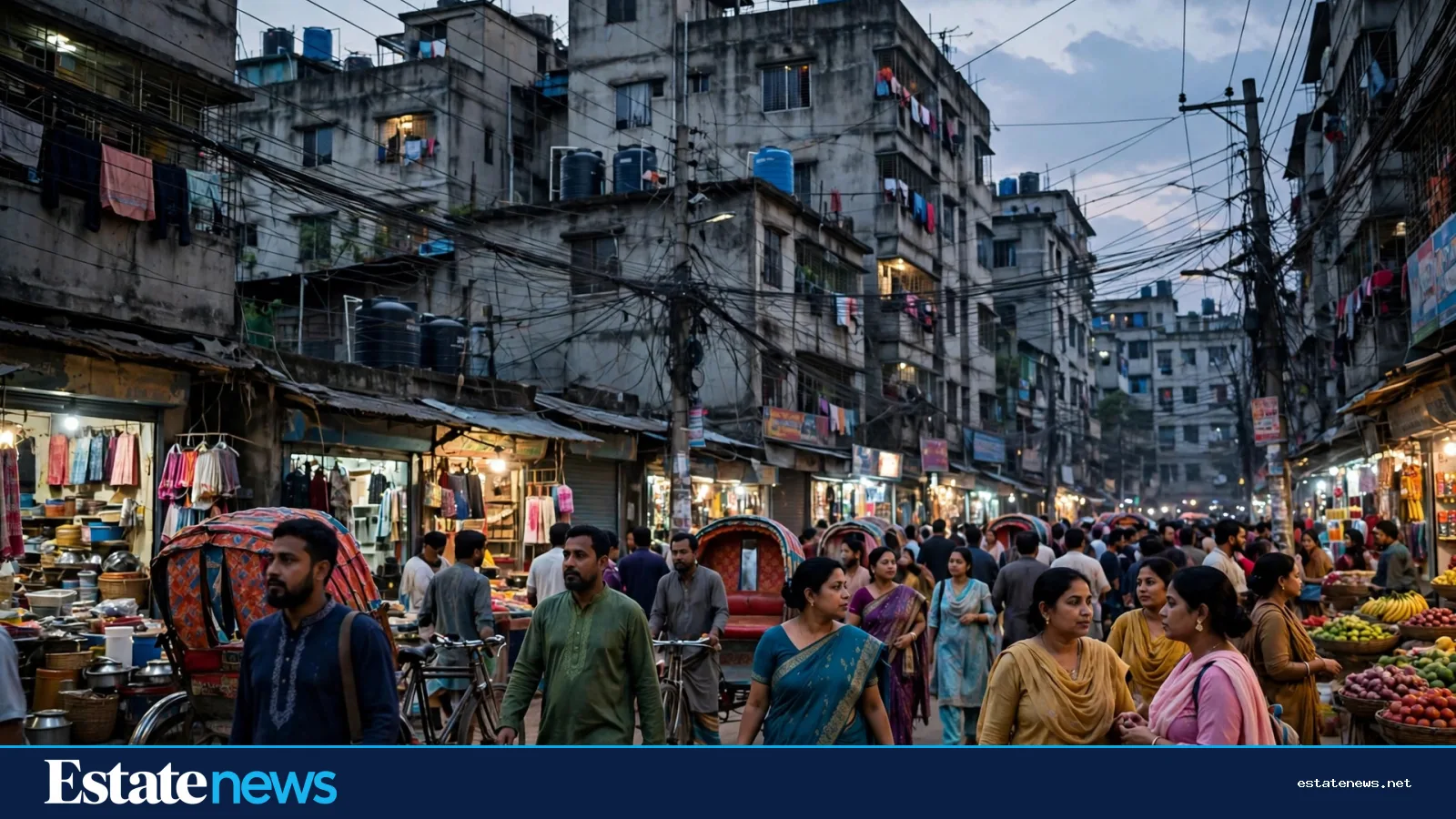
Tk 40 lakh is a useful number even before a single flat is built at that price, because it forces the market to talk about who housing is for. Dhaka's new flats have drifted toward larger sizes and higher prices, and the buyers who need a first home have drifted toward the edges or out of the market altogether. A pledge that names a price and three places puts the affordable question back on the table, in public, with names attached.
The test now is delivery. Watch for the first project list, the first launch, the first handover. Until then, treat Tk 40 lakh as a target the industry has set for itself, and judge REHAB's new leadership by whether flats at that price actually appear, in the places named, at the quality buyers deserve.
Read more: Beyond Dhaka's edge, Savar and Ashulia become housing towns (https://estatenews.net/development/beyond-dhakas-edge-how-savar-and-ashulia-are-becoming-housing-towns-in-their-own-right) | Gazipur's housing corridor (https://estatenews.net/development/gazipurs-housing-corridor-factories-commutes-and-the-families-moving-beyond-dhakas-edge) | How much does it cost to buy a flat in Dhaka? (https://estatenews.net/markets/how-much-does-it-cost-to-buy-a-flat-in-dhaka)