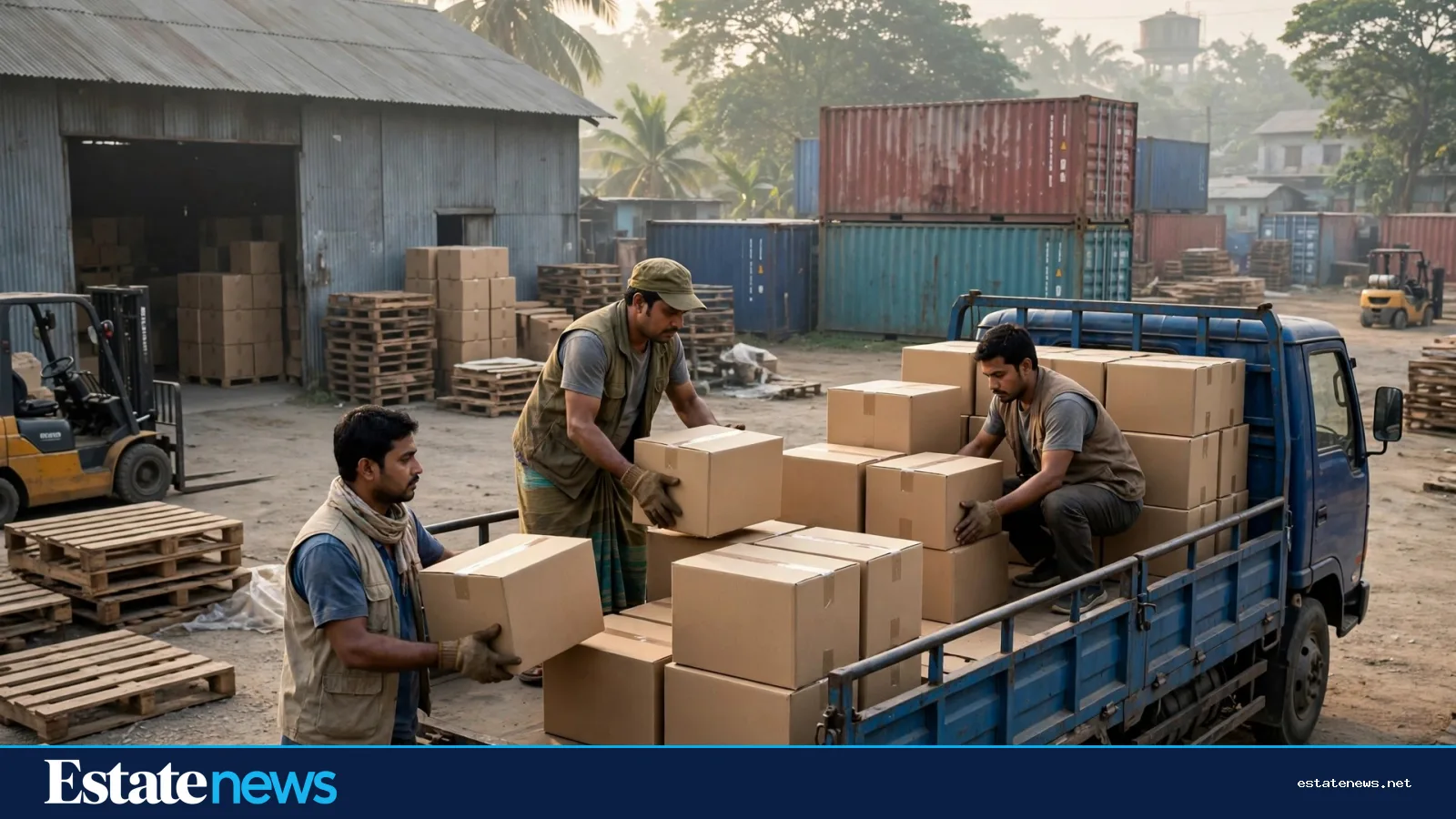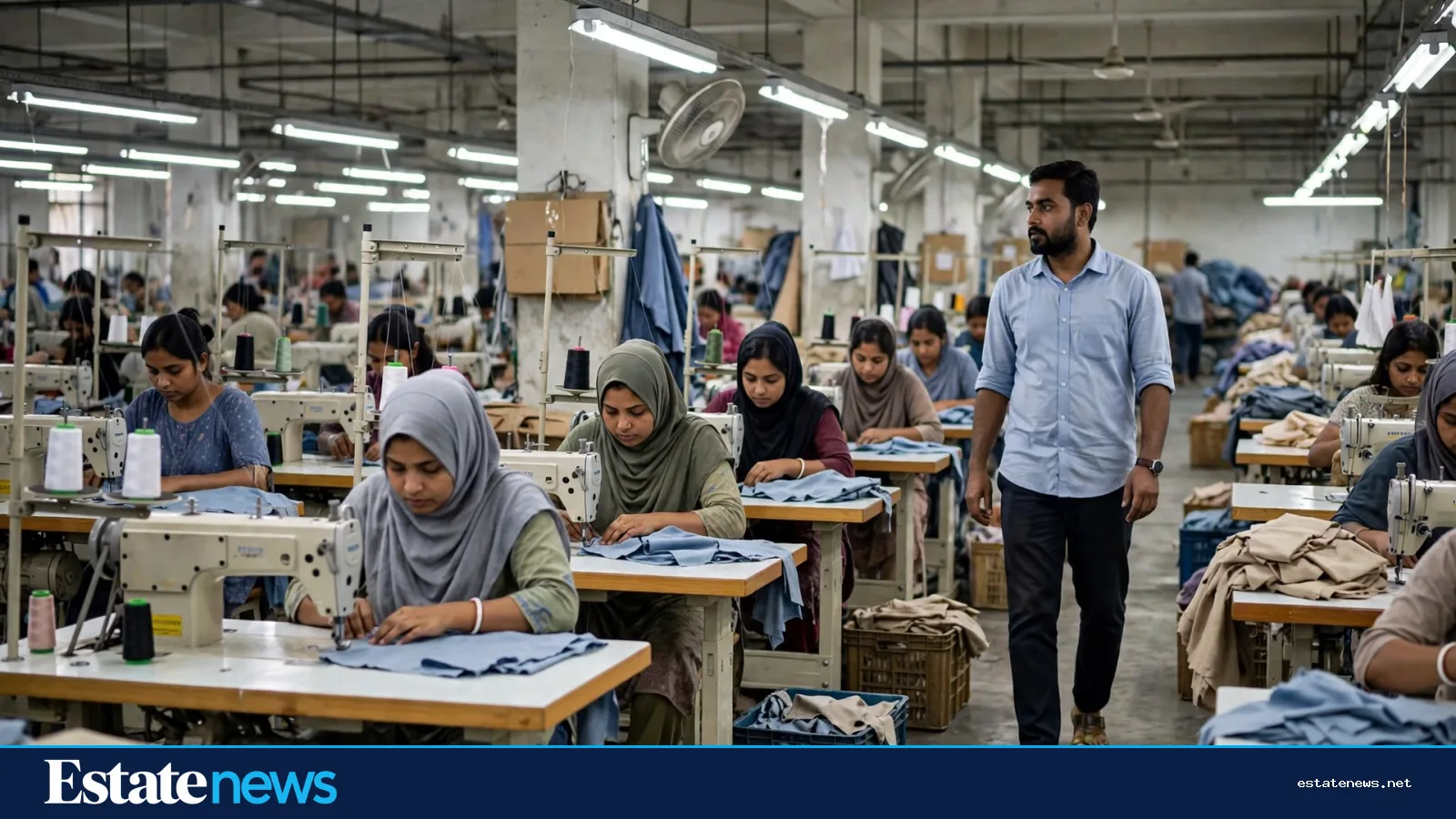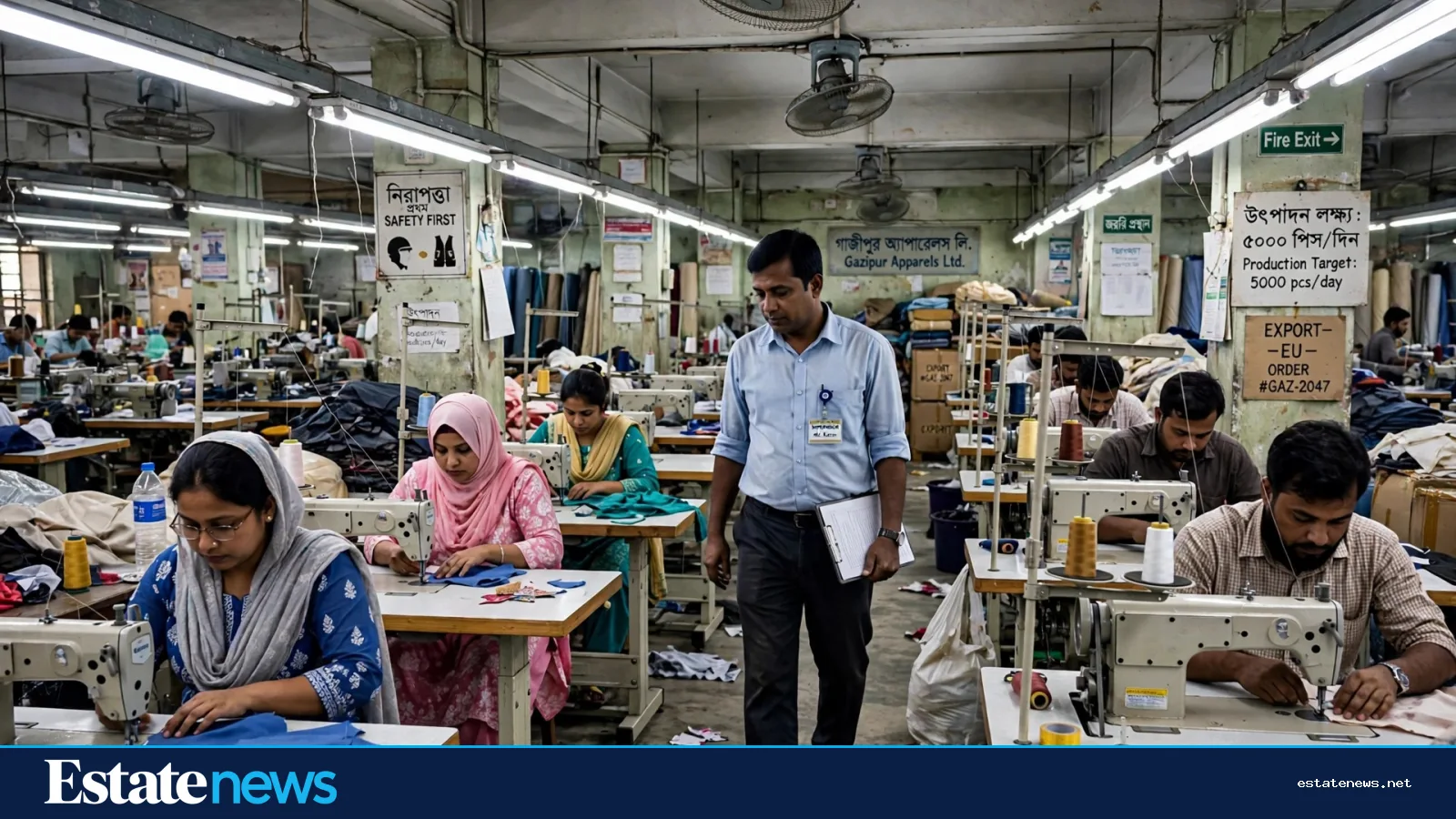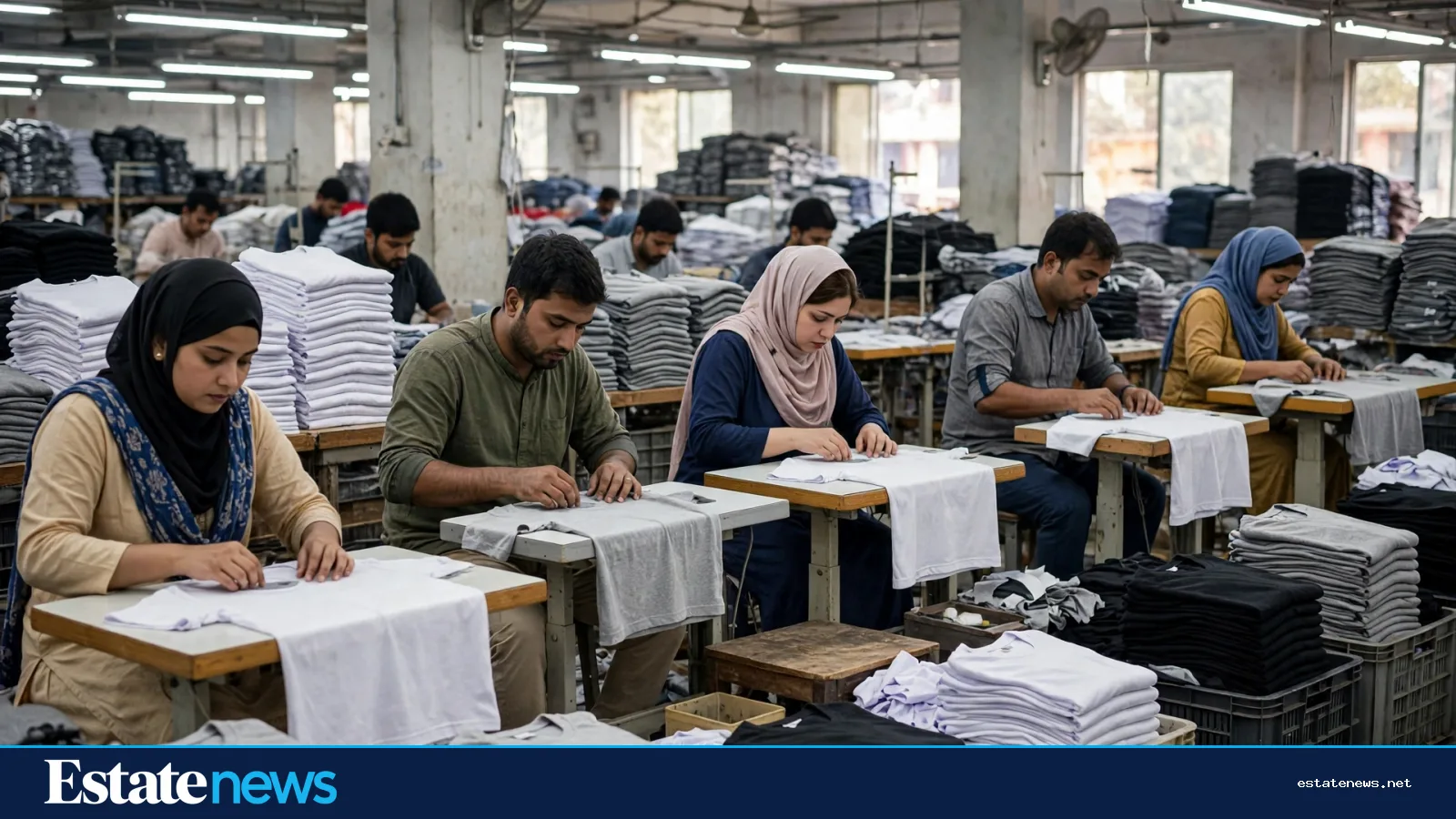
Bangladesh's apparel exports grew in the first four months of the financial year, and the headline looks healthy. Apparel shipments reached $13.75 billion between July and October, up 5.82 percent, or $756 million, from $12.99 billion a year earlier, according to Export Promotion Bureau data compiled by Bangladesh Apparel Voice. The worry is not the total. It is what the total is made of.
Basic garments contributed $730.21 million of that $756 million increase: 96.6 percent of the whole growth, up from 94.2 percent in the July to September period. Basics grew 7.27 percent to $10.78 billion, and their share of total apparel exports rose to 78.41 percent from 77.35 percent. The advanced products' share fell to 13.54 percent from 14.23 percent. Three products did almost all of the work: bottomwear added $287 million, sweaters and cardigans $195 million, and T-shirts and vests $141 million.
Bangladesh Apparel Voice founder Mohiuddin Rubel put it plainly: "Bangladesh sold more of what it already sells most. Exports rose, but the product mix shifted further toward basics, and the higher-value segment lost share." A former BGMEA director, quoted in the same coverage, said the industry has failed to upgrade beyond basics despite four decades of development.

Why basics pay less
The problem with basics is not that they do not sell. They sell very well, and that is exactly the trap. A basic T-shirt or a pair of trousers competes on price alone, and there is always another country willing to stitch it cheaper. A jacket with a technical fabric, a tailored blazer, or a garment with a complex wash commands a better price and a longer relationship with the buyer. When 78 cents of every export dollar comes from the cheapest end of the range, the industry's fortunes ride on the thinnest margins in the business.
The effect reaches the factory towns quickly. A factory that makes basics needs volume to survive, and volume means more workers on more lines, more rooms rented near the gate, and more pressure on the housing around it. A factory that moves up the value chain needs fewer workers per dollar earned, but it pays them better, and it keeps them longer. Estate News covered the export side of the factory towns in "Europe Buys Less From Bangladesh: What the 12% Export Slide Means for Factory Towns", and the same towns appear in "Exports at $17 Billion in Four Months: The Trade Numbers Behind Factory-Town Housing". The housing story and the export story are the same story, told from different ends.


Two Europe numbers, two different windows
Readers may notice a tension in the Europe figures, and it deserves a straight explanation. The Financial Express reports that ready-made garment exports to the EU grew 2.79 percent in July to October, to $6.43 billion from $6.26 billion, using EPB data. A separate Eurostat-based reading showed EU apparel imports from Bangladesh falling 11.91 percent in January to September. These are not the same number contradicting itself. They cover different periods, July to October against January to September, and they come from different sources, EPB against Eurostat. Each is reported here with its own source and its own window, and neither should be read as cancelling the other out.
The diversification that is already happening
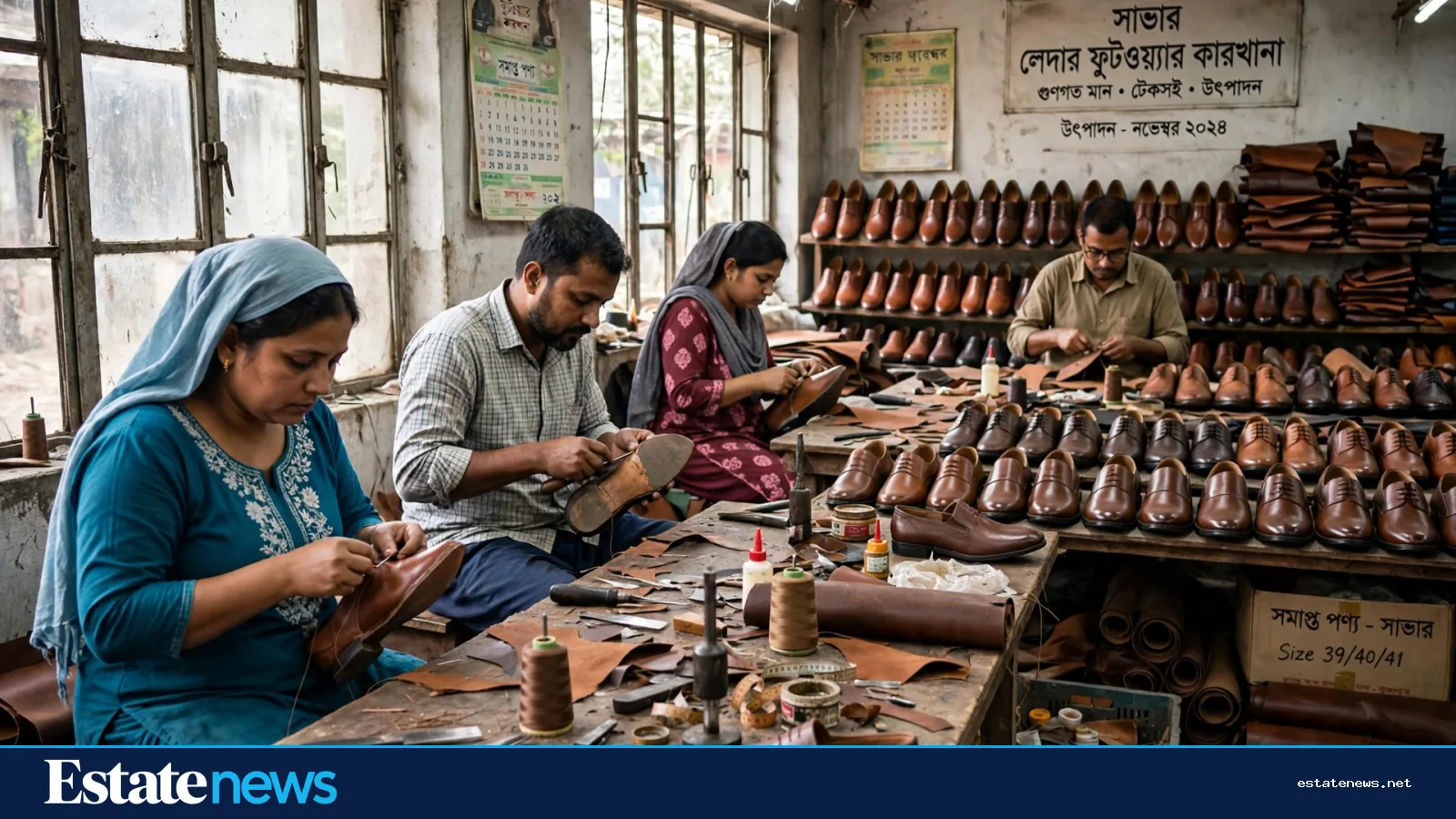
The picture is not all basics. Footwear exports rose 9.37 percent, a story Estate News covered in "Footwear Exports Rise 9% as Bangladesh Finds New Buyers Beyond Garments". Shoes, leather goods and other non-apparel products are small next to garments, but they are growing, and they grow in exactly the direction the apparel mix needs to go: higher value, more skill, better margins.
That is the constructive way to read the four-month figures. The country sold more, and it sold more of the same. The factories are busy, the towns around them are busy, and the housing demand that follows a busy factory is real. But the mix is moving the wrong way, and the longer it does, the harder the upgrade becomes. The buyers are there. The question is whether the industry meets them with something more than the cheapest thing it already makes.