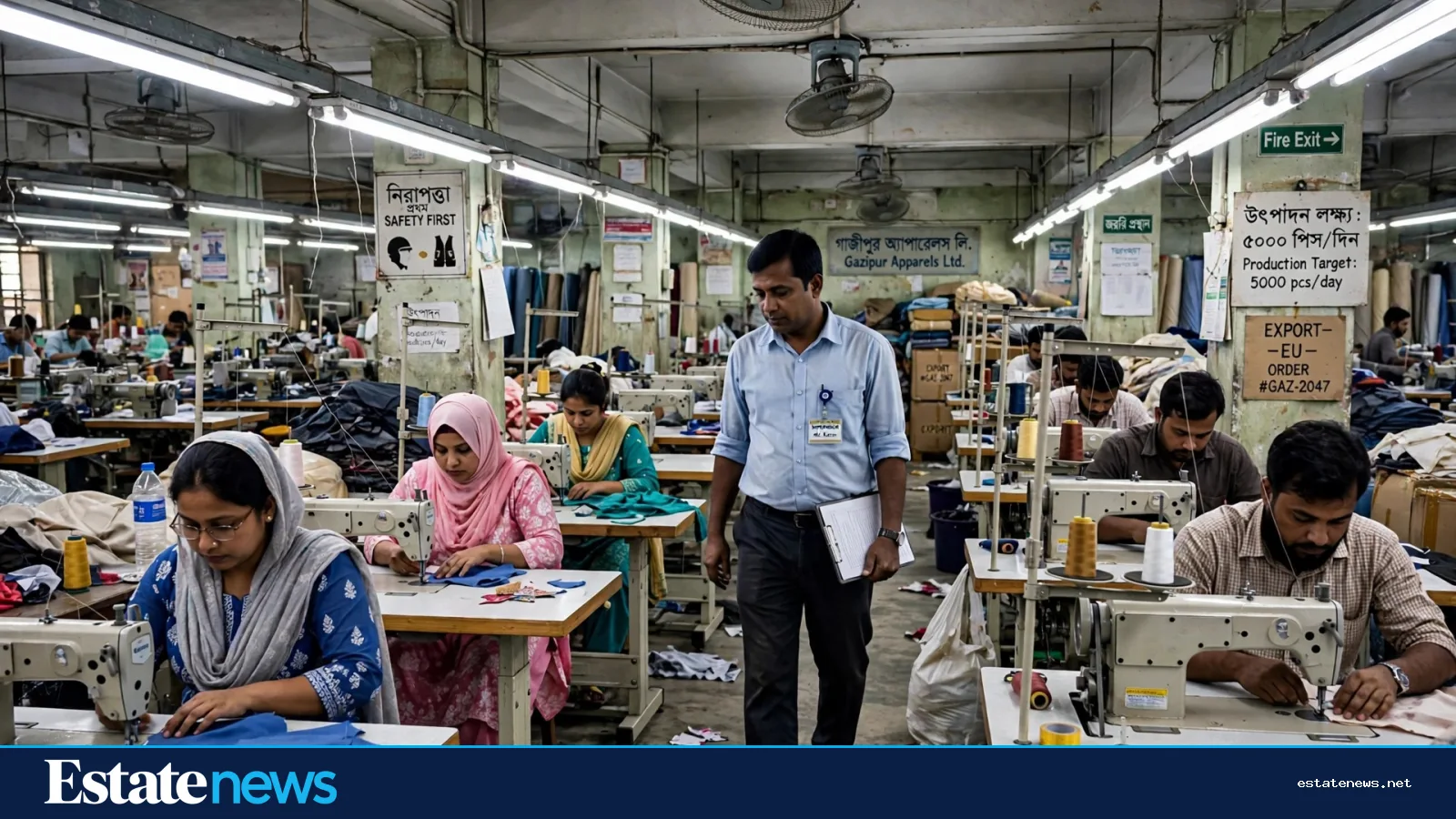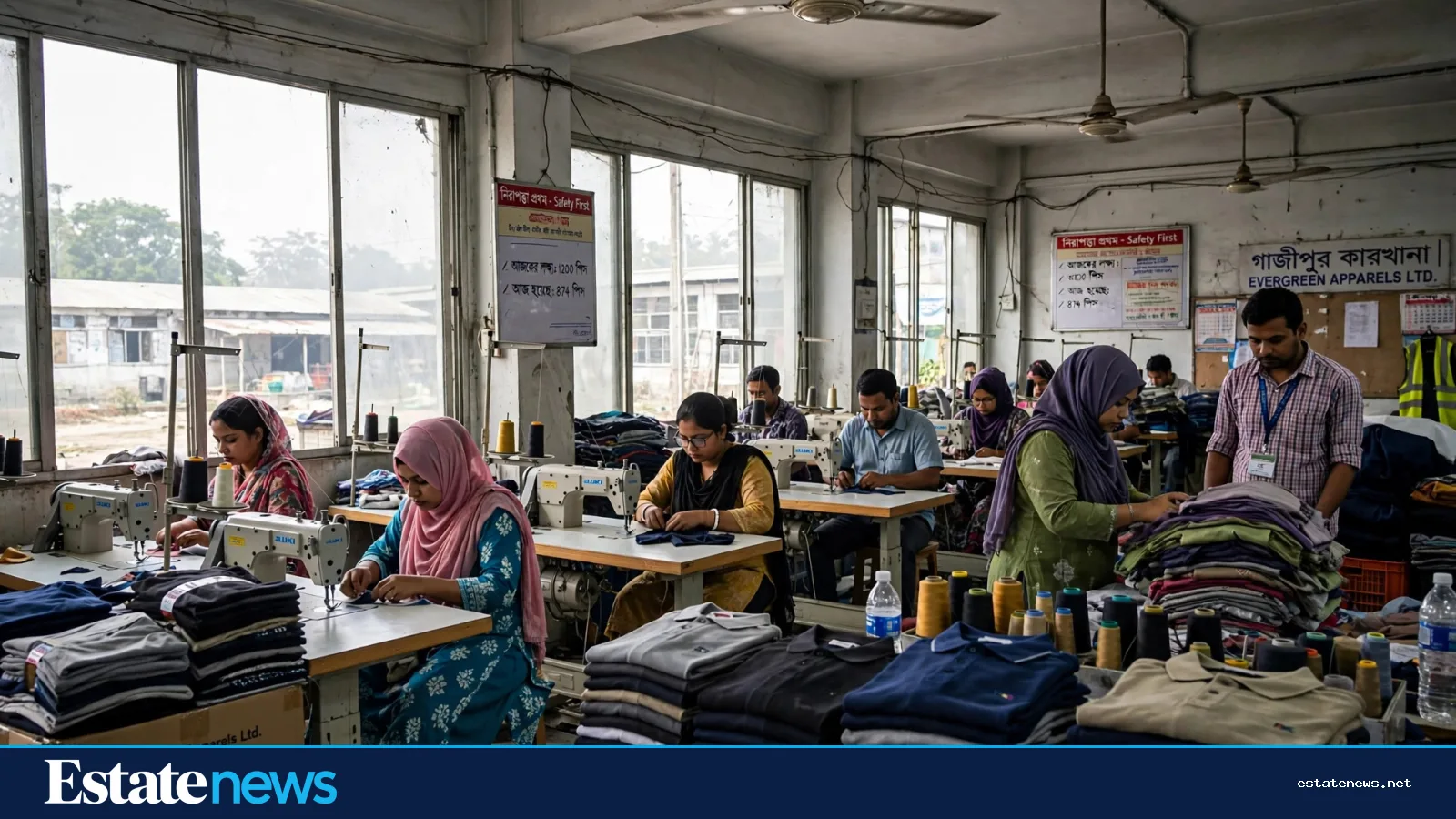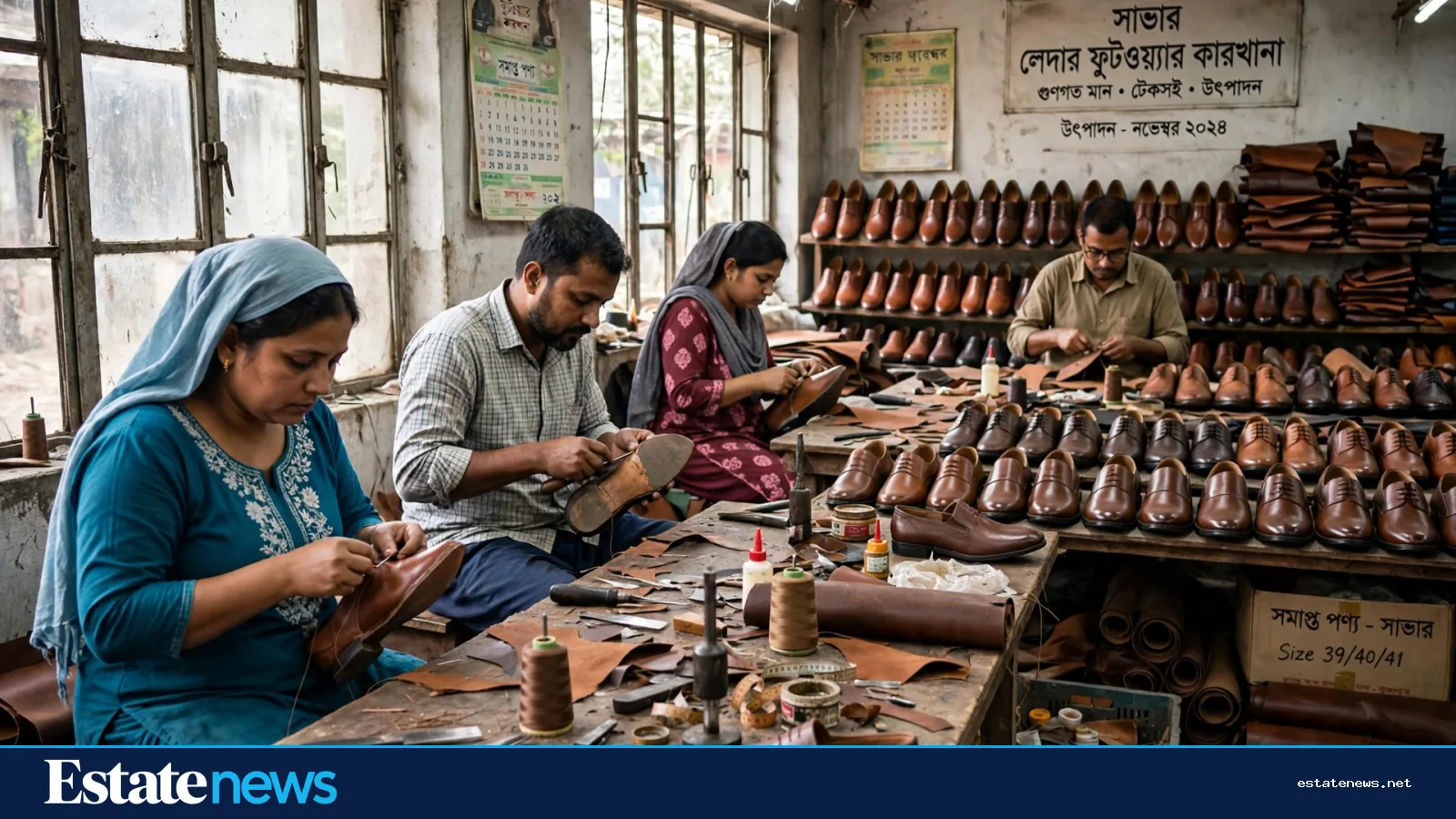
While garment exports to Europe slipped, another part of Bangladesh's export basket quietly grew. Leather and non-leather footwear exports reached $457.01 million in the first four months of the 2026-27 fiscal year, July to October, up 9.37 percent from $417.85 million in the same period last year, according to Export Promotion Bureau data reported by BSS on 16 November. Leather footwear alone brought in $262.15 million, up 9.29 percent from $239.86 million a year earlier.
The figures matter because they show diversification happening in real orders, not only in speeches. Garments still dominate the export basket, taking more than 80 percent of earnings, and the EU apparel fall covered in "Europe Buys Less From Bangladesh: What the 12% Export Slide Means for Factory Towns" shows how exposed that leaves the country. Footwear is one of the few sectors growing fast enough to narrow the gap, and it does so from factories in Savar, Gazipur and Chattogram, the same belt where export workers live and rent.
A new market, and a familiar promise

Bangladesh began exporting footwear to Mexico for the first time this fiscal year, according to the BSS report, a small step that says something larger about where the sector is looking. New markets do not arrive by accident. They come from trade promotion, buyer visits and factories that can meet a new customer's specifications, and each one spreads the risk a little further from the two big markets, Europe and America.
Commerce Minister Khandakar Abdul Muktadir told BSS the government is prioritising export diversification, new markets, capacity and value addition. That is a statement of intent, not a result, and the export figures are the test of whether it holds. On the footwear numbers so far, the direction is right. The leather sector has long had the raw material, the tanneries and the skilled hands. What it has lacked is scale, and scale is what four months of near double-digit growth begins to build.


What it means for the leather belt
For the towns around the footwear factories, the growth shows up in the same places garment growth does: steadier shifts, more overtime, more workers moving in from the districts and looking for rooms near the factory gates. Savar, where much of the leather work sits, has watched its housing market follow the factories for years. A sector that grows by nearly a tenth in four months is a sector that keeps its workers, and workers who stay put are the ones who sign rental agreements and, in time, look for a flat of their own.
The numbers are still small next to garments. Footwear at $457 million in four months is a fraction of the garment trade, and nobody in the sector pretends otherwise. But growth compounds, and a sector that grows while the biggest one shrinks is worth watching. What comes next depends on the unglamorous work: meeting buyer compliance standards, moving from basic shoes to higher-value designs, and building the kind of factory floor that a European or Mexican buyer trusts on a first visit. The leather is already here. The tanneries, the stitching lines and the hands that know the work are already here. What the sector needs now is the same thing garments needed thirty years ago: buyers who come back, and orders that keep coming.
Estate News has followed the wider export picture in "Exports at $17 Billion: Garments Hold the Line as the US Tariff Picture Clears", and the roads that carry these goods in "The Dhaka-Sylhet Highway: What Four Lanes Mean for the Towns Along It".
The question for the rest of the fiscal year is whether footwear can keep the pace, and whether the Mexico opening leads to more new buyers. The first four months give the sector something it has not always had: a good-news number to build on, earned in the factories of Savar and Gazipur, one pair of shoes at a time.