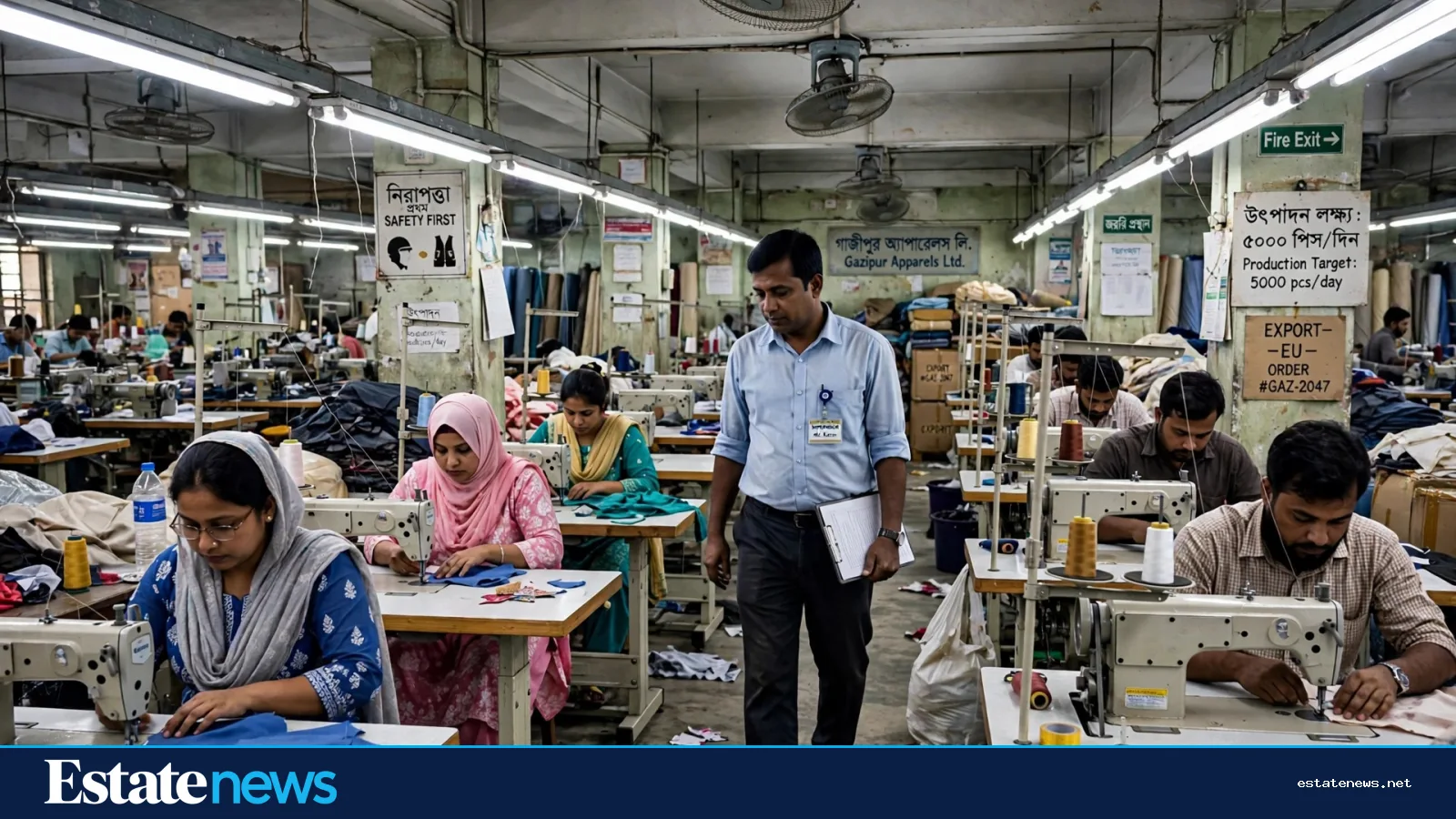
The numbers from Brussels arrived with a warning for Bangladesh's factory towns. Apparel exports to the European Union fell 11.91 percent in the first nine months of 2026, to 13.48 billion euros, down from 15.30 billion euros in the same period last year, according to Eurostat data compiled by Bangladesh Apparel Voice. It was the steepest fall among the EU's big suppliers, and it landed hardest on the towns where the country's four million-plus garment workers live.
The drop was not only about value. Volumes fell 5.74 percent to 984.06 million kilograms, and unit prices fell 6.54 percent to 13.70 euros a kilogram, about 30 percent below the EU average of 19.59 euros. Bangladesh's share of EU apparel imports slipped from 21.10 percent to 19.06 percent. The country lost about 1.82 billion euros of EU business in nine months, more than the EU market's whole contraction of 1.78 billion euros, which means Bangladesh gave up ground even as the market itself shrank only slightly.
The year has not been even. January to April was the worst stretch, with exports down 20.89 percent. May to August steadied to a fall of 1.25 percent. Then September turned down again, by 9.49 percent, while the EU market as a whole fell only 2.72 percent. Bangladesh accounted for about 69 percent of the EU's September fall. China, by contrast, grew its EU apparel sales by 4.46 percent to 24.25 billion euros in the nine months, and Vietnam gained too. EU apparel imports overall fell 2.46 percent to 70.72 billion euros.

Why the orders moved
The industry's own reading of the fall points in several directions at once. Energy costs and financing have squeezed factories, and Bangladesh still has limited capacity in man-made fibre, the fabric that now drives much of European demand. Fazle Shamim Ehsan of the BKMEA put it more bluntly, citing weak European demand, aggressive Chinese marketing, and orders shifting to India after its free-trade agreement with the EU. None of these is a single-month problem. Each one has been building for a while, and the nine-month figures show them adding up.


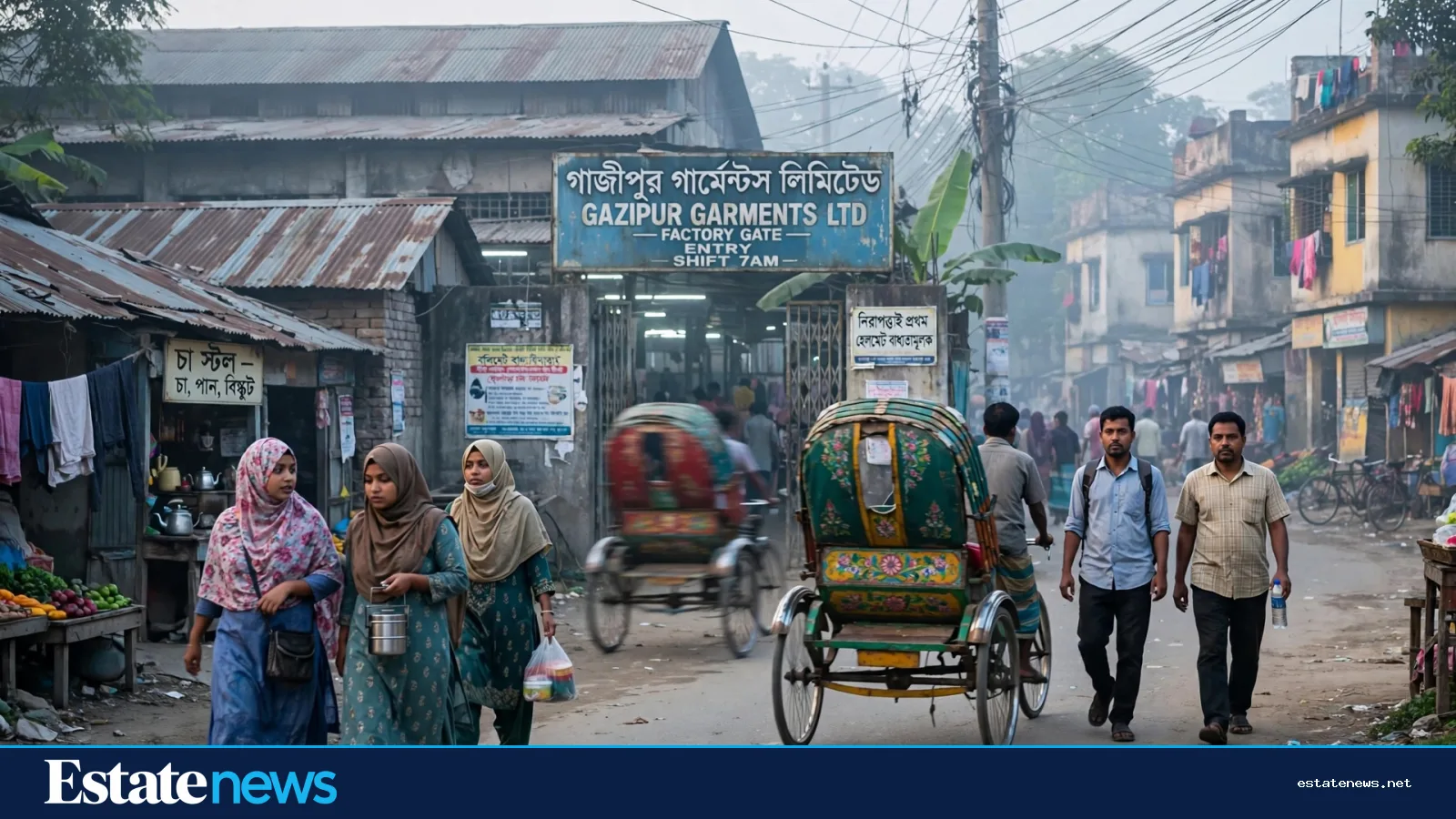
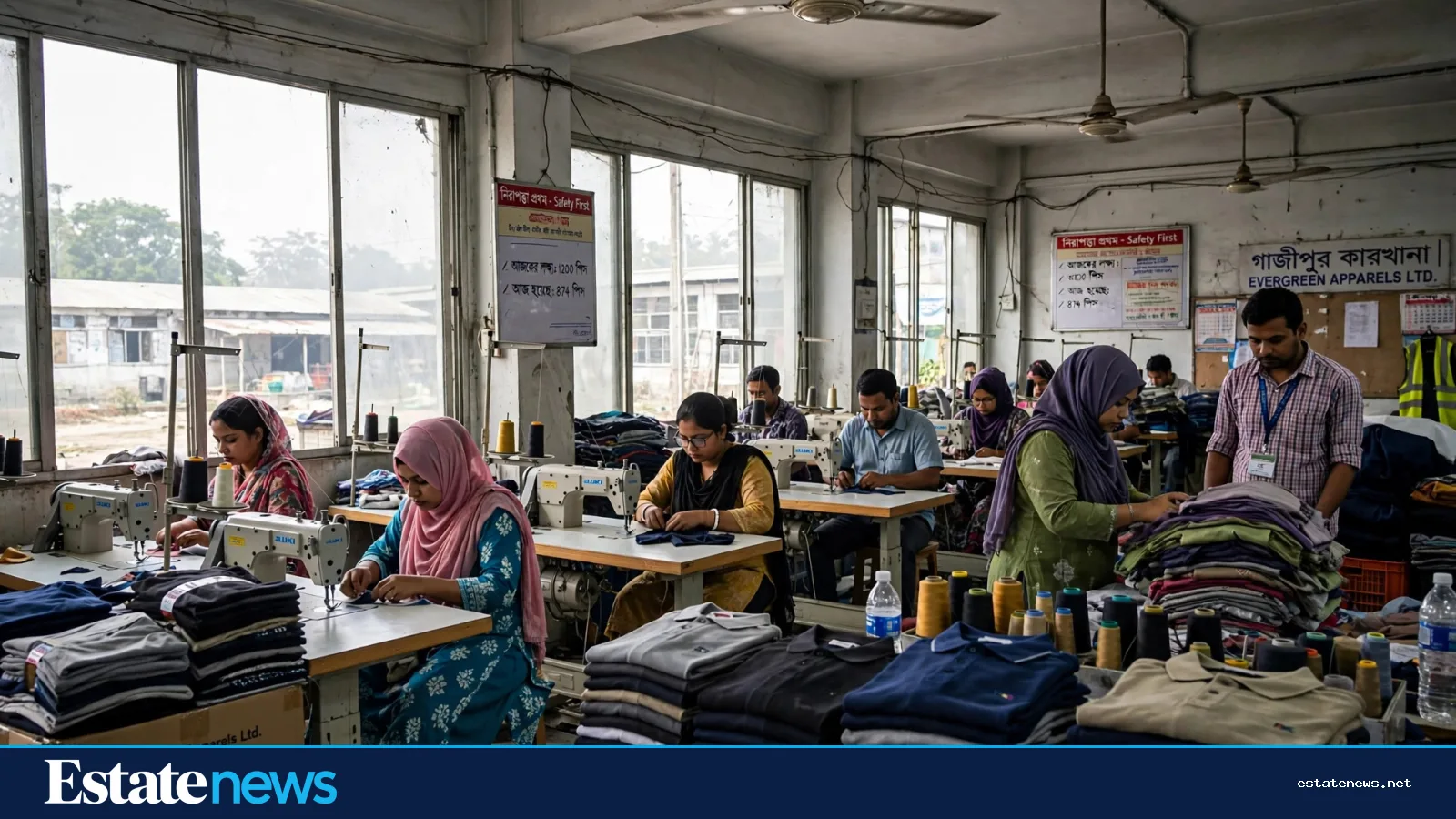
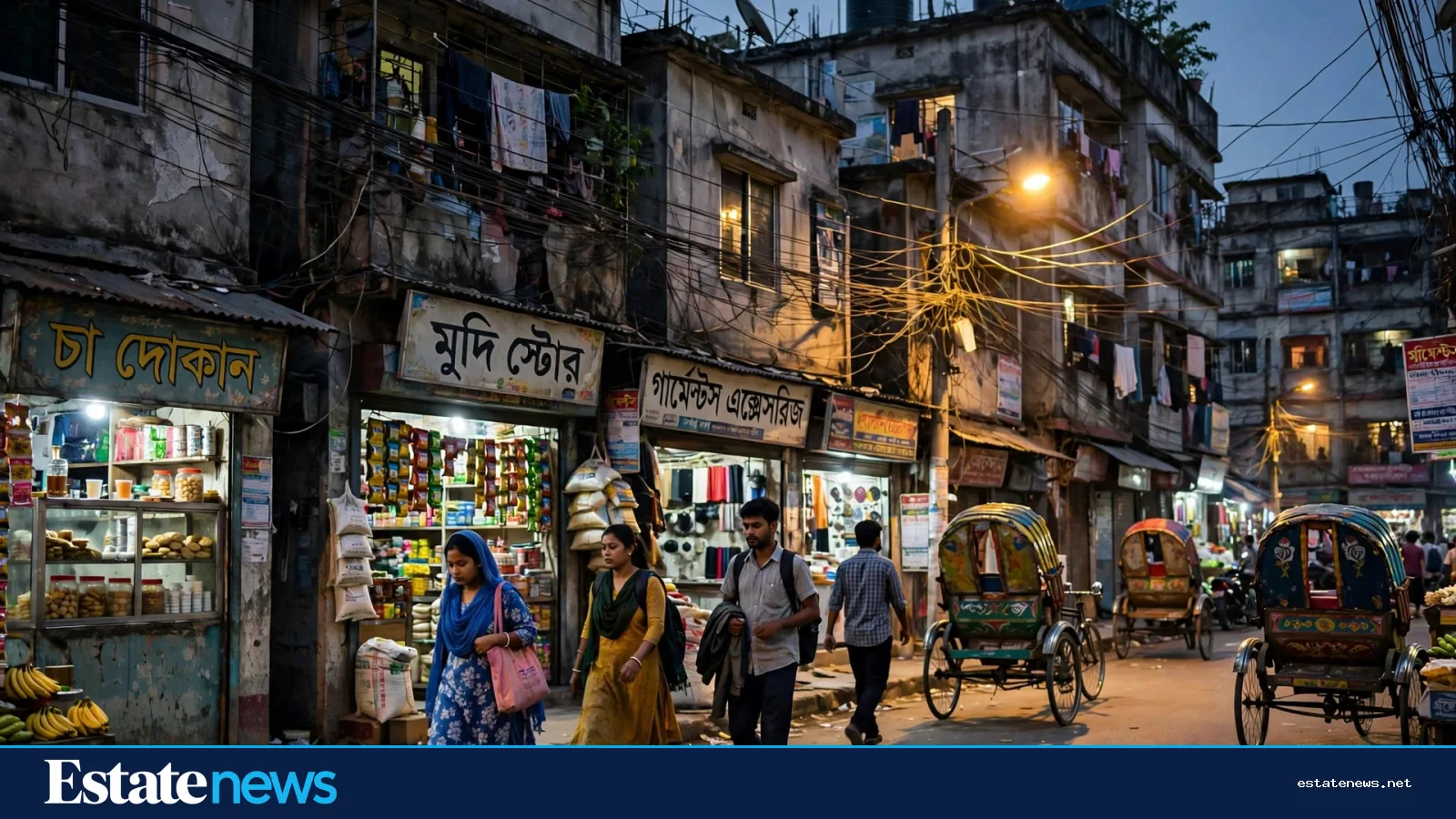
For the factory towns, the export numbers are not abstract. Ready-made garments account for more than 80 percent of Bangladesh's export earnings, and the wages paid in Gazipur, Narayanganj, Savar and Chattogram flow straight into rents, shop sales and flat bookings. When orders thin out, overtime dries up first, then hiring slows, and the housing market around the factories feels it within weeks. Estate News has tracked that link in "Gazipur: The Factory Belt Turning Into a Housing Market", and in "Exports at $17 Billion in Four Months: The Trade Numbers Behind Factory Town Housing".
The fix is diversification, not waiting
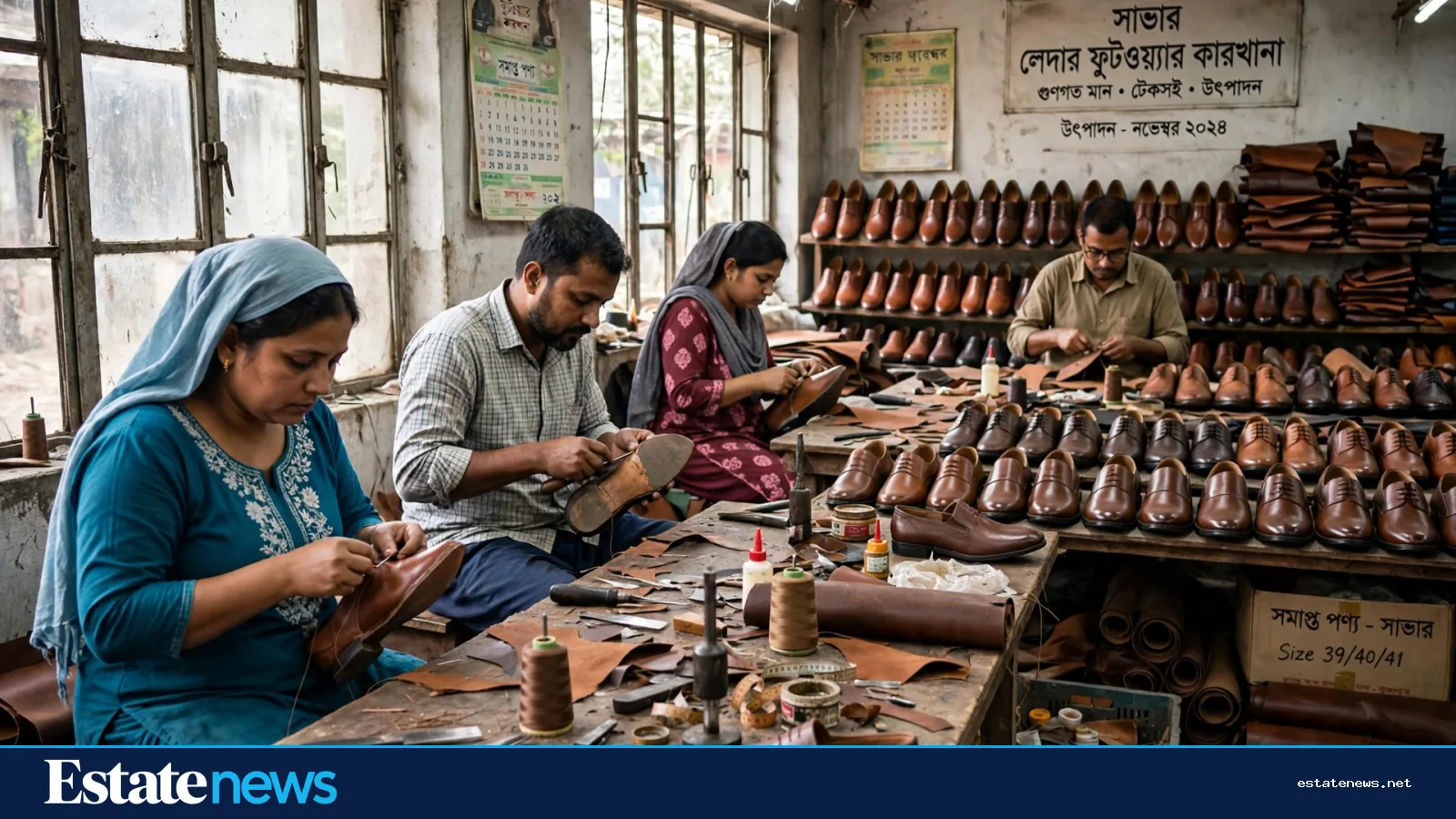
The constructive answer is the one the industry itself keeps giving: sell more to more places, make more of what buyers want now, and fix the energy bill. Footwear, leather goods and home textiles are already growing, and new markets beyond Europe and America are opening up. Man-made fibre capacity, the weak spot in the export mix, is where investment would change the numbers fastest, since it is the fabric European buyers are ordering most.
None of this makes the nine-month fall disappear. The figures are what they are, and a portal that hid them would not be worth reading. But the fall is a signal, not a verdict. Bangladesh has held its place as the EU's second-largest apparel supplier through harder years than this one, and the orders that left can come back to factories that can make the right fabric at the right price and ship it on time.
The next set of figures, for the full year, will show whether September was a blip or the start of a longer slide. Until then, the factory towns have a clear picture of what they are up against, and the industry has a clear list of what to fix. Estate News will keep following the trade numbers in "Exports at $17 Billion: Garments Hold the Line as the US Tariff Picture Clears", because for the towns that make Bangladesh's exports, the trade figures are the housing figures too.