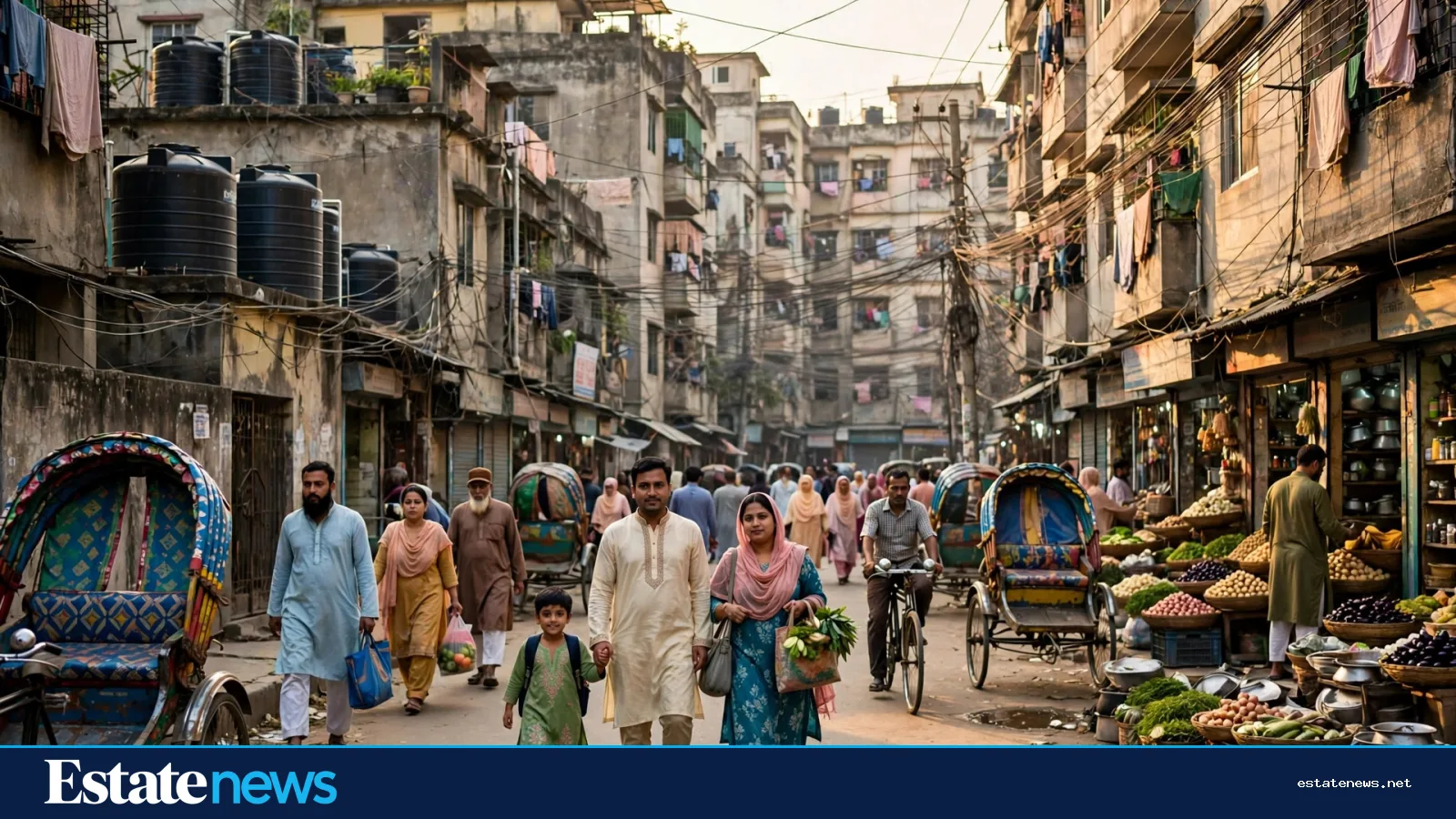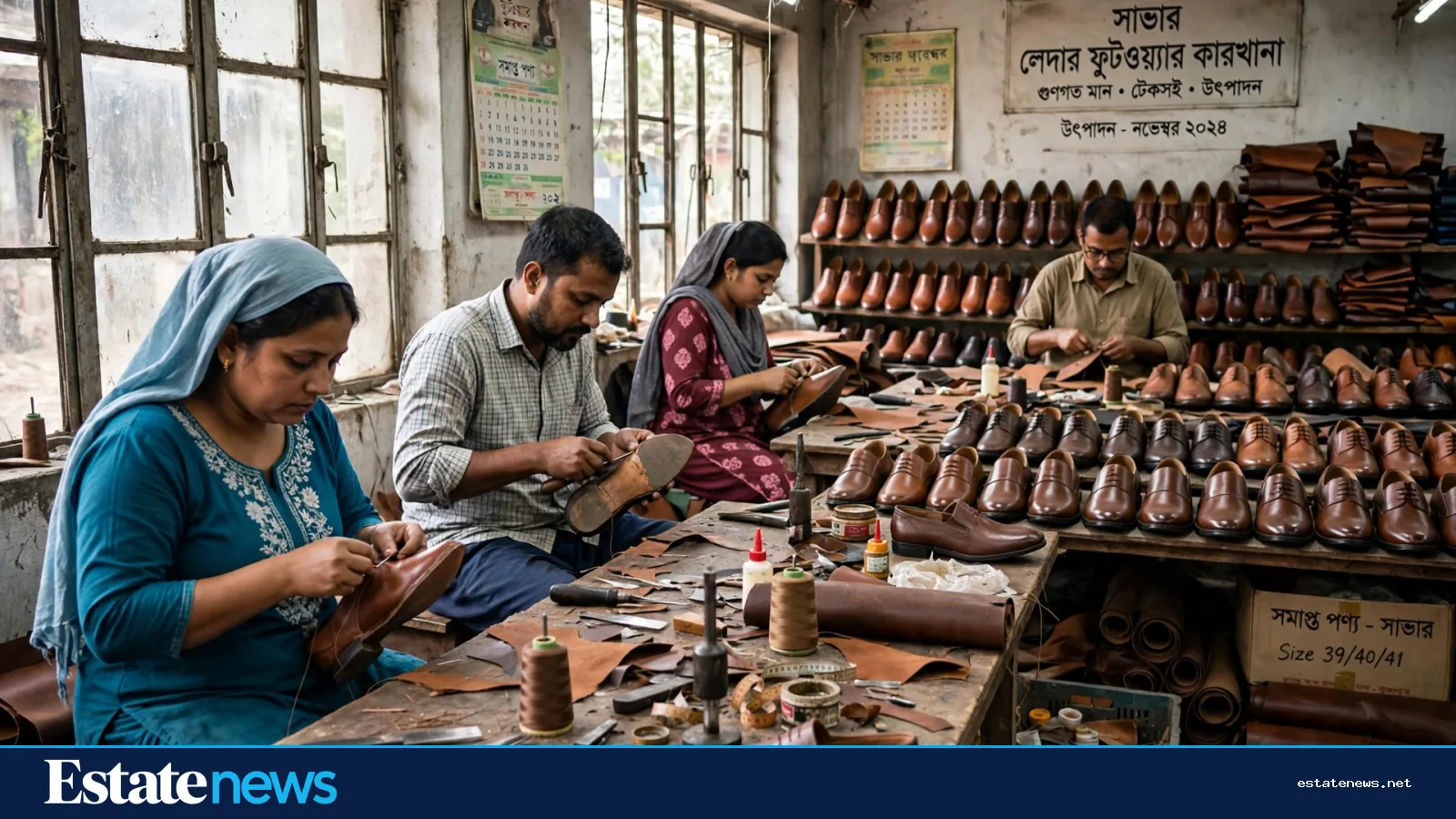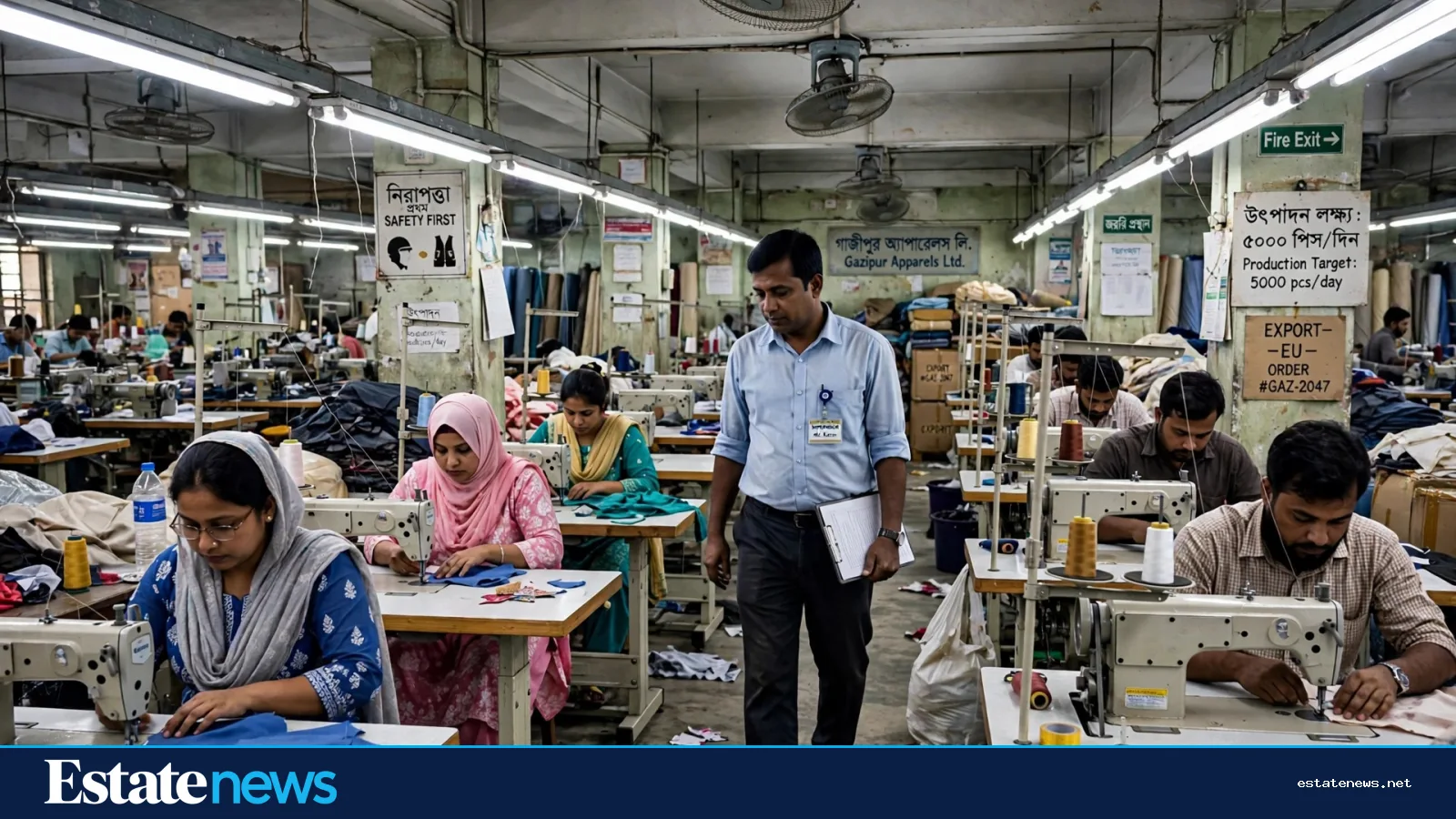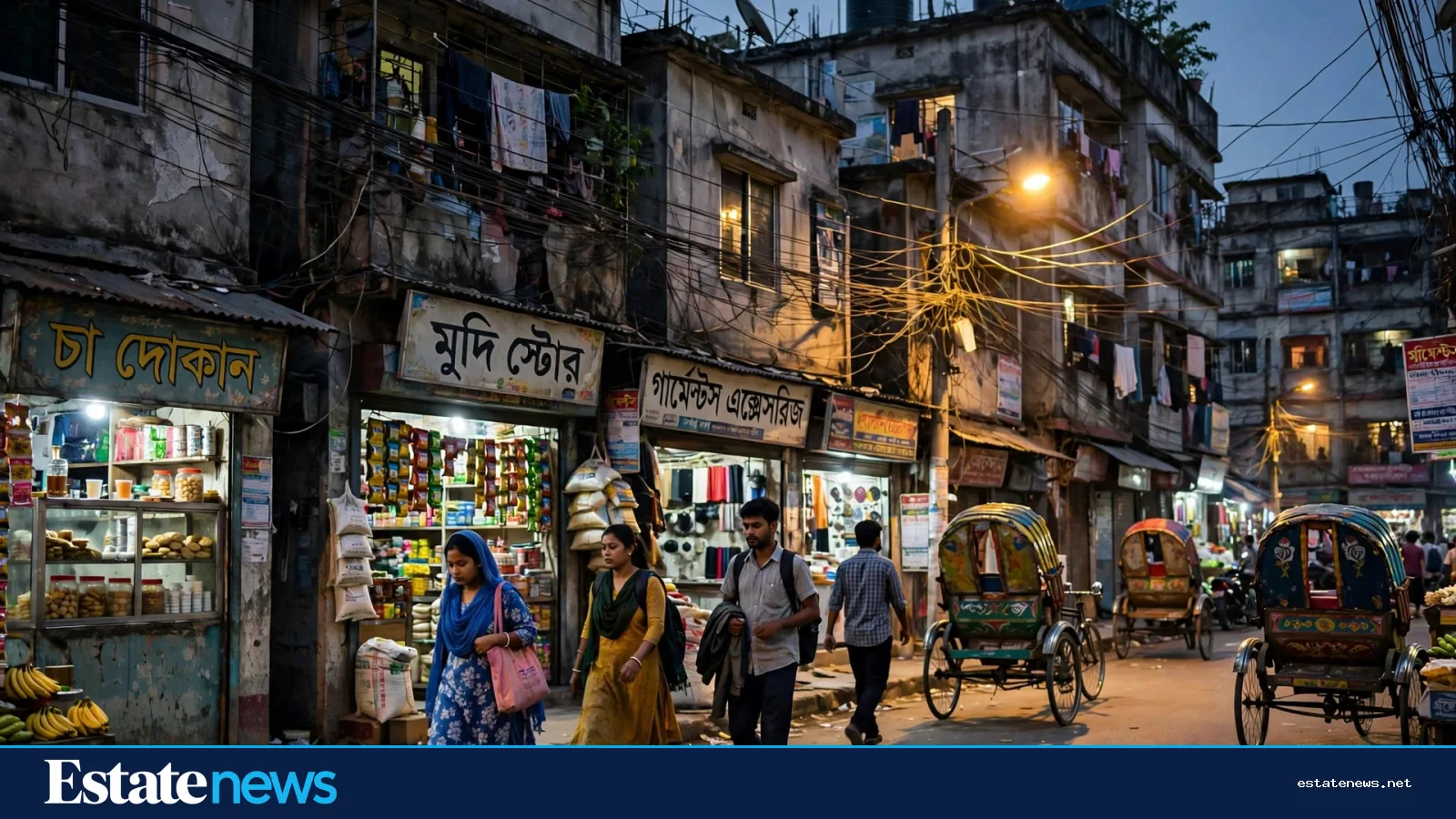
The shift ends, and Savar fills with people walking home. Women in salwar kameez move in small groups, talking as they go. Men carry lunch boxes and shopping bags. Rickshaws thread through the crowd, and the shops along the road switch their lights on one by one. This is the hour when the town belongs to the people who make its living, the workers who sew the clothes Bangladesh sells to the world.
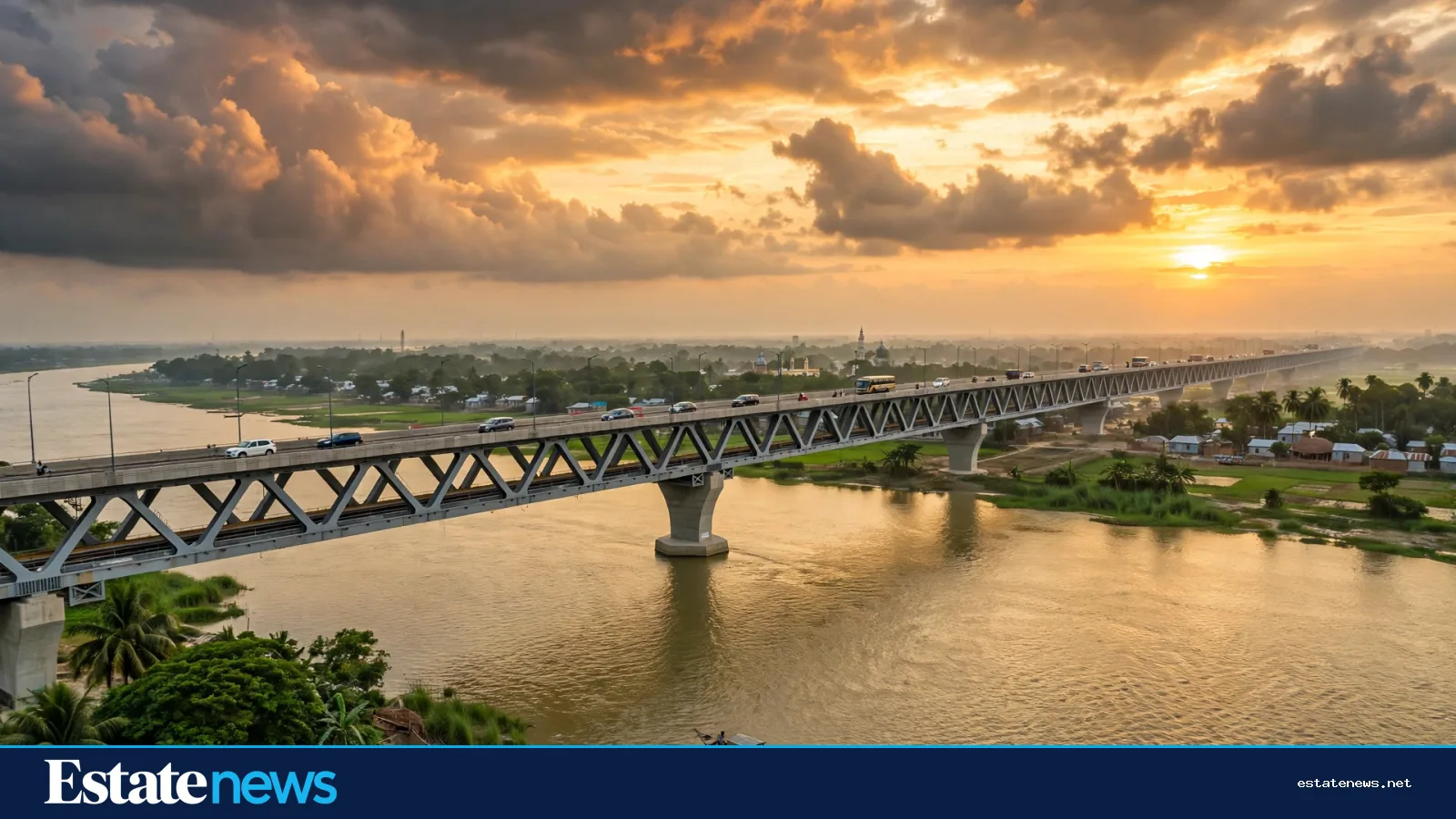
Savar sits on Dhaka's north-west edge, past the city boundary and into a different kind of town. Its factories are the reason it grew. The Dhaka Export Processing Zone stands here, and around it sit the garment plants of Savar and Ashulia, the two names that appear whenever the industry is counted. More than four million people work in Bangladesh's garment sector, according to the BBC, and the clothes they make are worth nearly $40 billion a year, close to a tenth of the country's economy. Bangladesh is the world's second-largest exporter of ready-made clothing after China. A large share of that work passes through this one town.
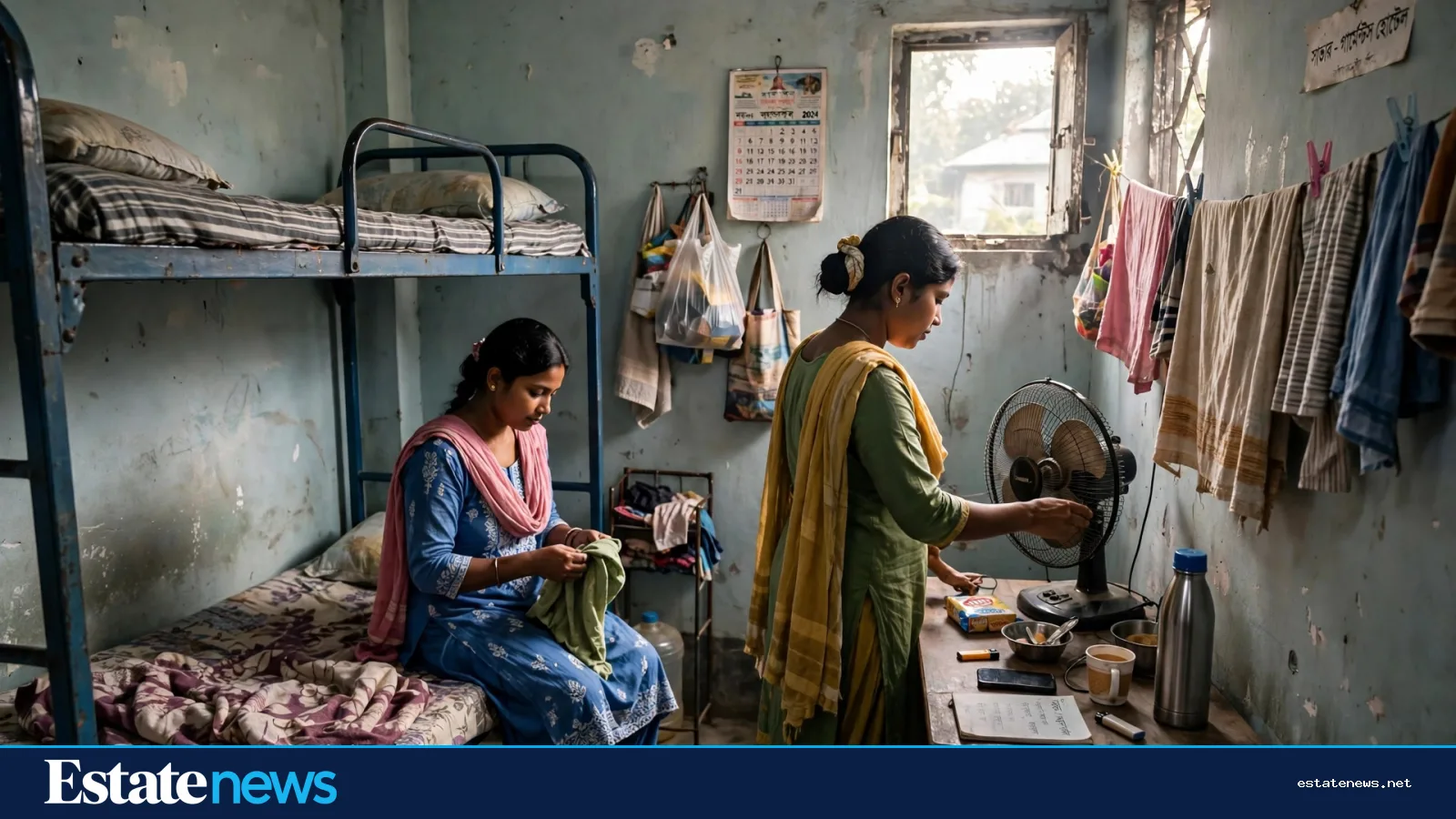
For most workers, home in Savar is a shared room, not a flat of their own. A room with two or three beds, a fan, a small table, clothes on a line by the window. Some share with sisters or cousins from the same village. Some share with workmates they met on the factory floor. The rent is split, the cooking is shared, and the walk to the gate is short enough to do on foot. It is not the housing the brochures show, but it is the housing that makes the industry possible: cheap, close, and flexible enough for a life built around shifts.

Why the wage talks matter to a roof
Pay is the thread that ties the factory floor to the housing market. A worker's wage decides whether the shared room stays shared, whether a family can rent a flat of its own, whether a couple can bring a child to live with them instead of leaving the child with grandparents in the village. That is why the wage board matters in Savar even to people who never follow the news. The board's third meeting, due on 16 November, was postponed on the morning it was to be held, after the workers' representative fell ill. Workers have proposed Tk 32,000 as the entry-level monthly wage. The current floor is Tk 12,500, in force since December 2023. The board still aims to have a new structure in place by December, with the first new salaries paid in January.
Nobody in Savar needs the arithmetic explained. A higher wage means a room with a window that opens, a flat with a kitchen of its own, a shorter walk in the rain. A wage that stays still means the same room, the same split rent, the same calculation at the end of every month. The postponement was a delay, not a decision, and both sides have said they want a quick new date. What matters now is the number the board finally settles on, because that number will show up in Savar's housing market within months, in the rooms people choose and the rents they can pay.
A town that keeps its own history


Savar is older than its factories. The National Martyrs' Memorial stands here, on the road out of town, a concrete spire that every Bangladeshi schoolchild knows from a textbook. Concord, the company that built it, says the memorial went up in 89 days. Whether or not the number is exact, the memorial gives the town a second identity, one that has nothing to do with export orders. On national days the grounds fill with visitors, and the town's shopkeepers do their best trade of the year.
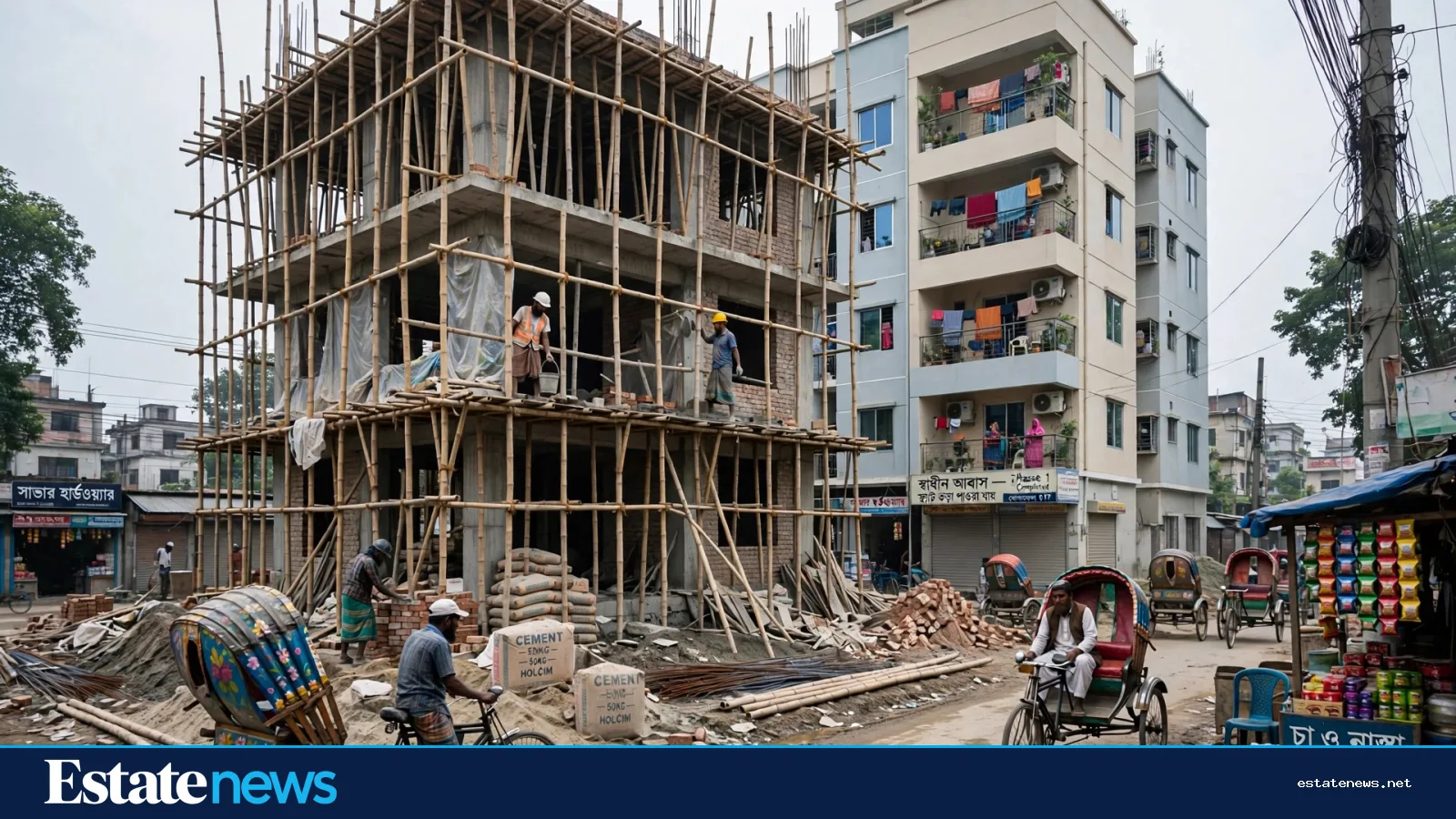
Walk a little further from the factory gates and the town starts to look different. New apartment blocks are going up along the main roads, some of them finished, some still wrapped in bamboo scaffolding. Plots are being sold on the lanes behind the factories. A family that has worked in Savar for ten years, saved what it could, and wants a home of its own now has somewhere to look. The flats are smaller and plainer than the ones in Uttara or Mirpur, and that is the point. They are priced for the people who already live here, not for buyers from the city.
Estate News has followed the same change in Gazipur, the other great factory belt, where the shift from workers' rooms to family flats is further along. The piece on Gazipur, "Gazipur: The Factory Belt Turning Into a Housing Market", found the same pattern: factories first, then rooms, then flats, then the shops and schools that turn a work town into a home town. Savar is a few steps behind Gazipur on that road, but it is on the same road.
The commute that shapes the map
Ask a Savar resident where they would live if they could choose, and the answer usually starts with the road. The Dhaka-Aricha highway runs through the town, and the bus to Gabtoli is the lifeline to the city. A flat near the highway costs more than one down a lane, and a flat near a factory gate costs more than one a twenty-minute walk away. That is how housing works here: not by the square foot, but by the minute. The new highway work further out, described in "The Dhaka-Sylhet Highway: What Four Lanes Mean for the Towns Along It", is the same story on a bigger scale, roads deciding where homes go.
None of this makes Savar a quiet town. It is loud, crowded and dusty, and the power goes out, and the water runs short in the dry months. But it is also a town where a young woman from a village in the north can arrive with a bag, find a room, find a job, and within a few years be sending money home and thinking about a flat. That is a kind of opportunity Dhaka's planned neighbourhoods do not offer, and it is the reason Savar keeps growing even when the export news is bad.
The wage board will meet again, and a number will be fixed, and the town will do its sums. Some workers will move into a better room. Some will stay where they are and save a little more. A few will put a deposit on a flat in one of the new blocks going up along the highway. Savar's housing market is not built on brochures or launches. It is built on pay slips, one month at a time, and on the walk home at the end of the shift, past the shops and the rickshaws, to a room that is theirs for now and a flat that might be theirs one day.