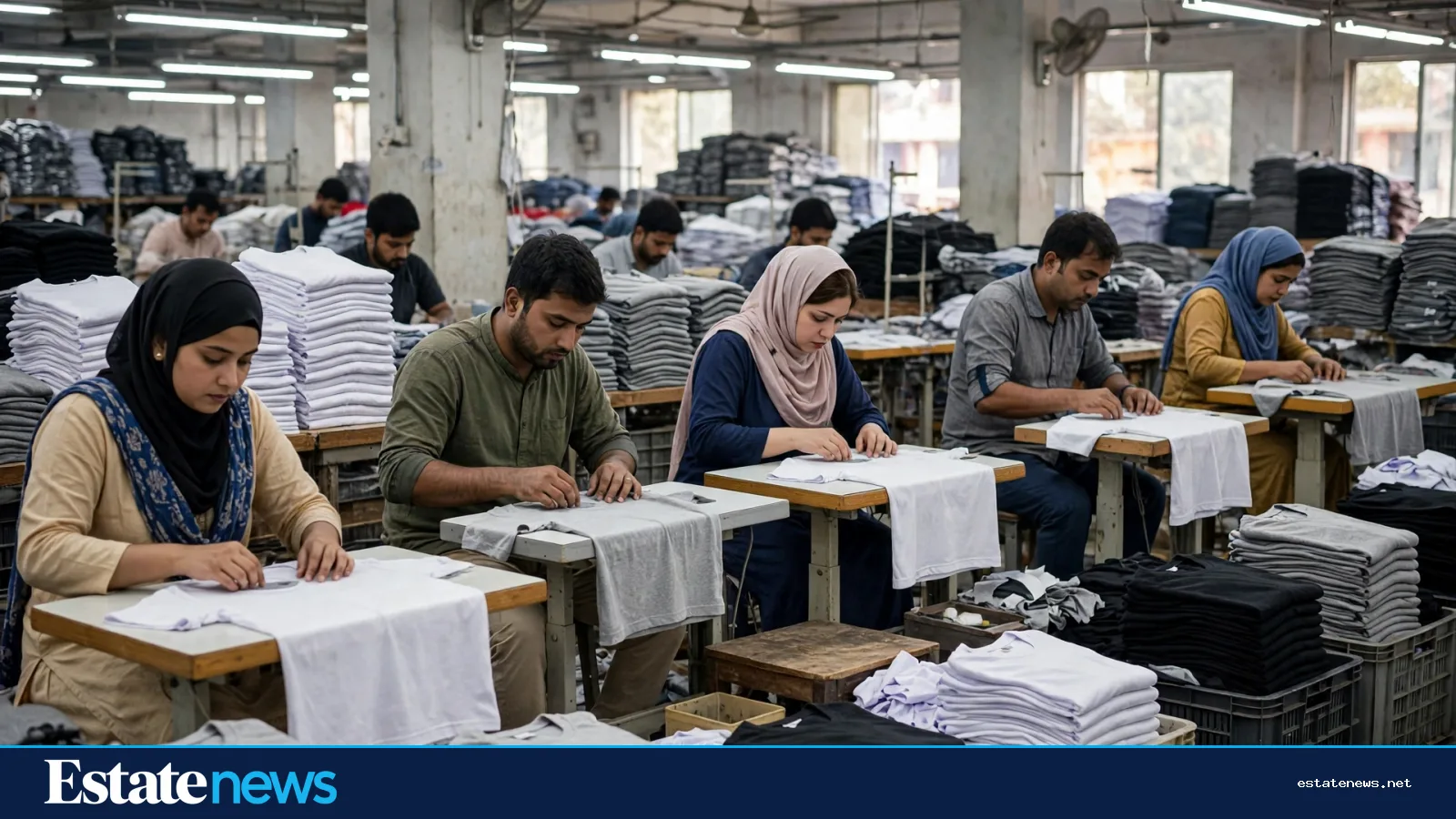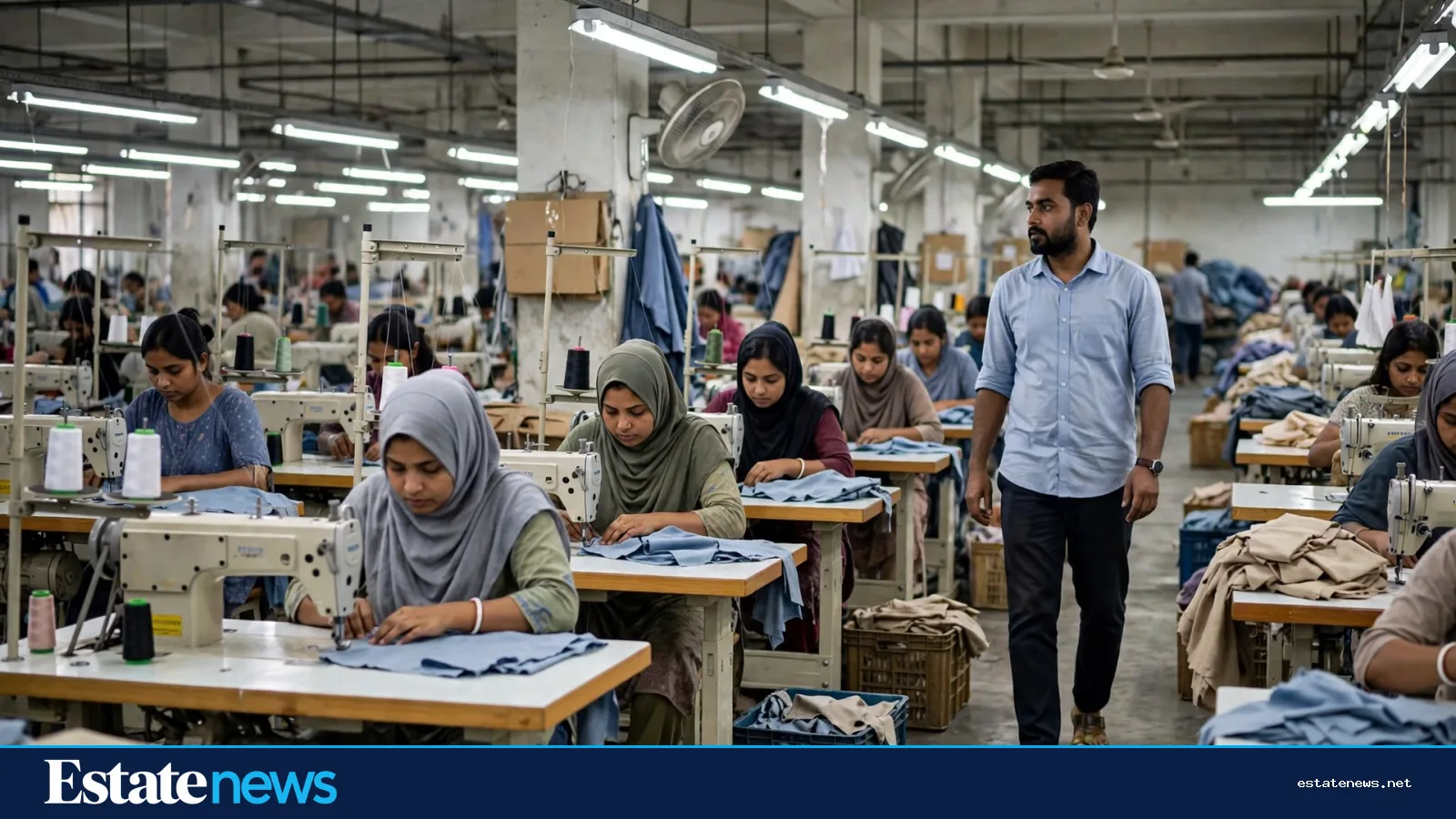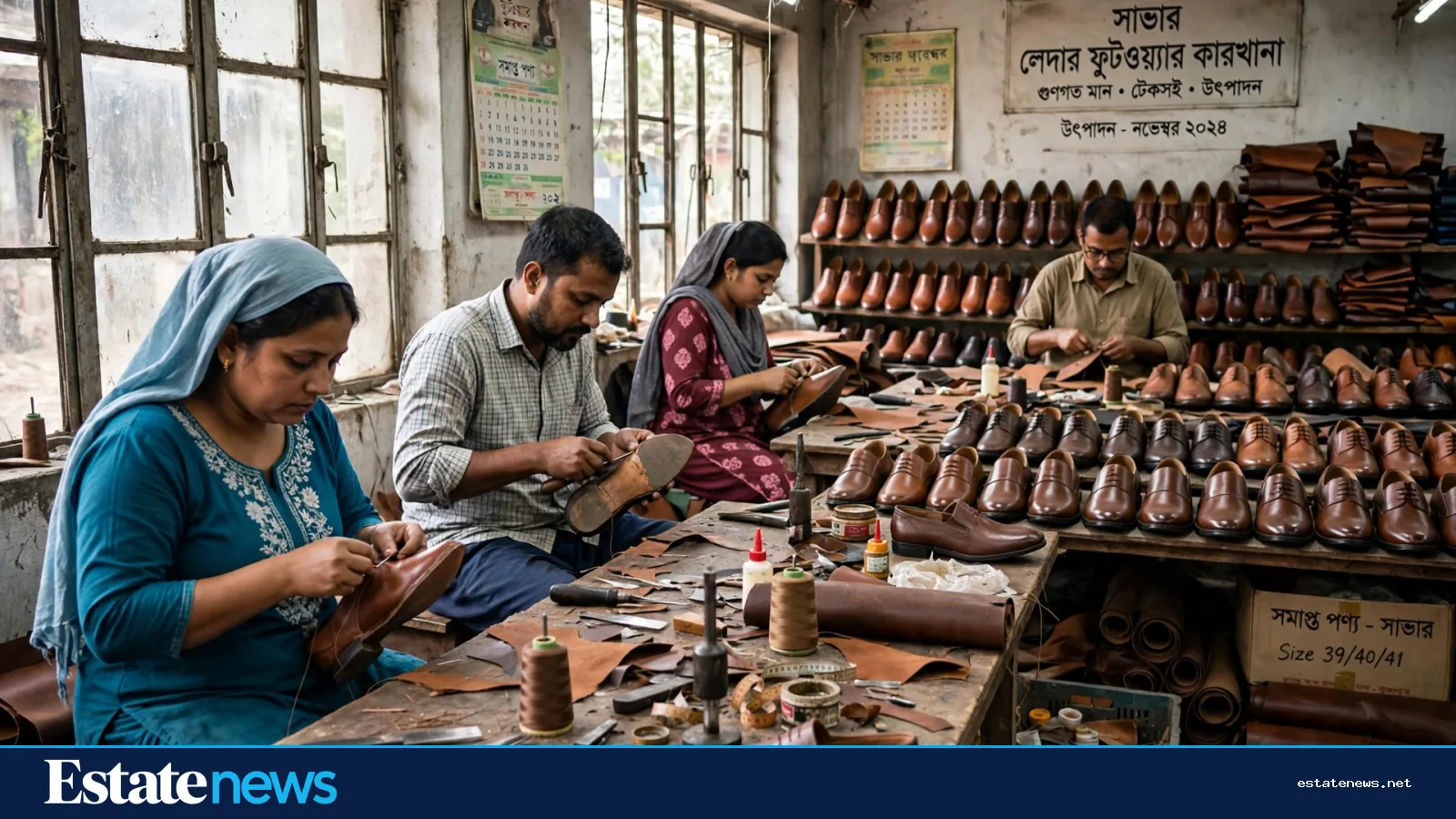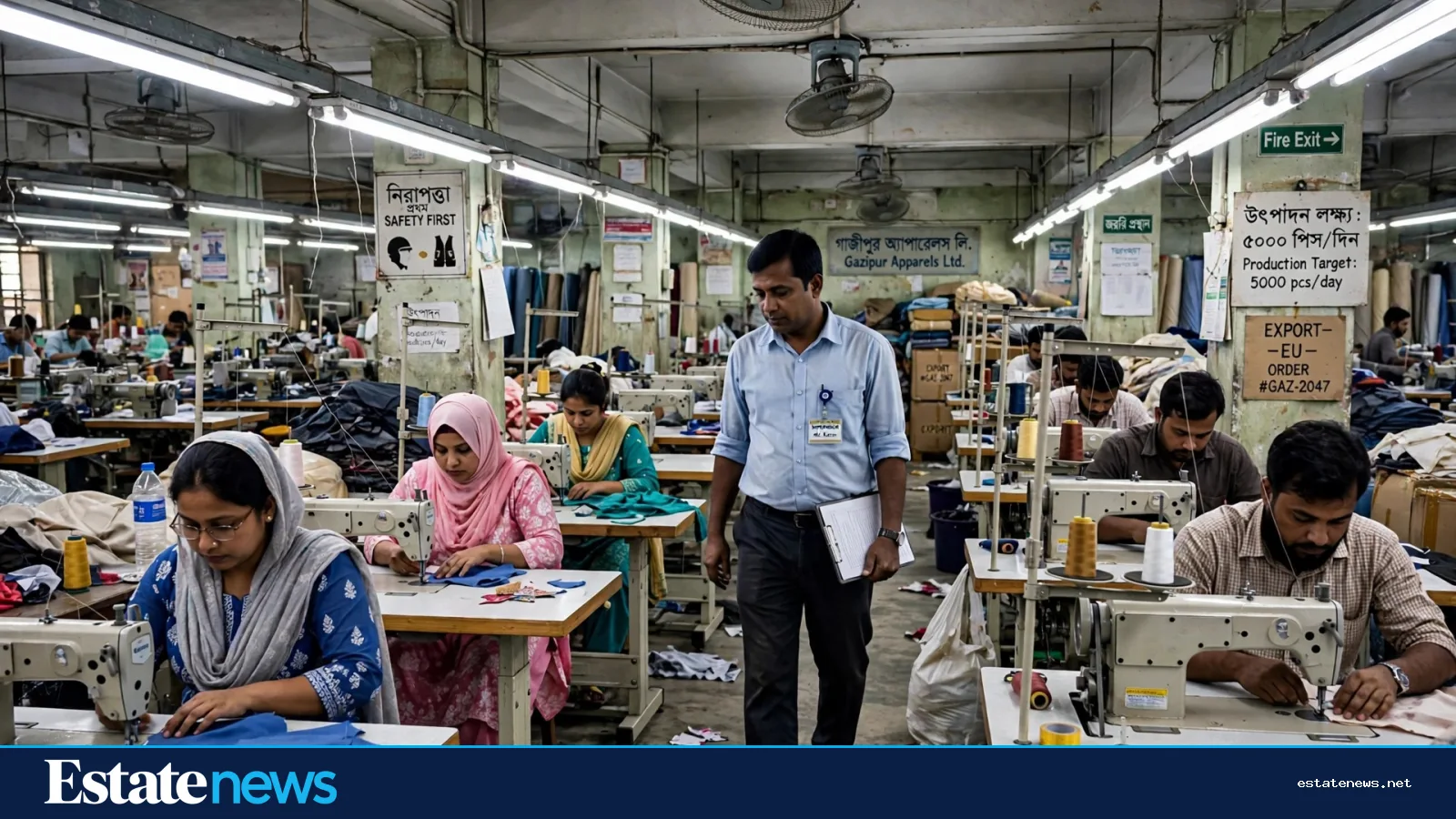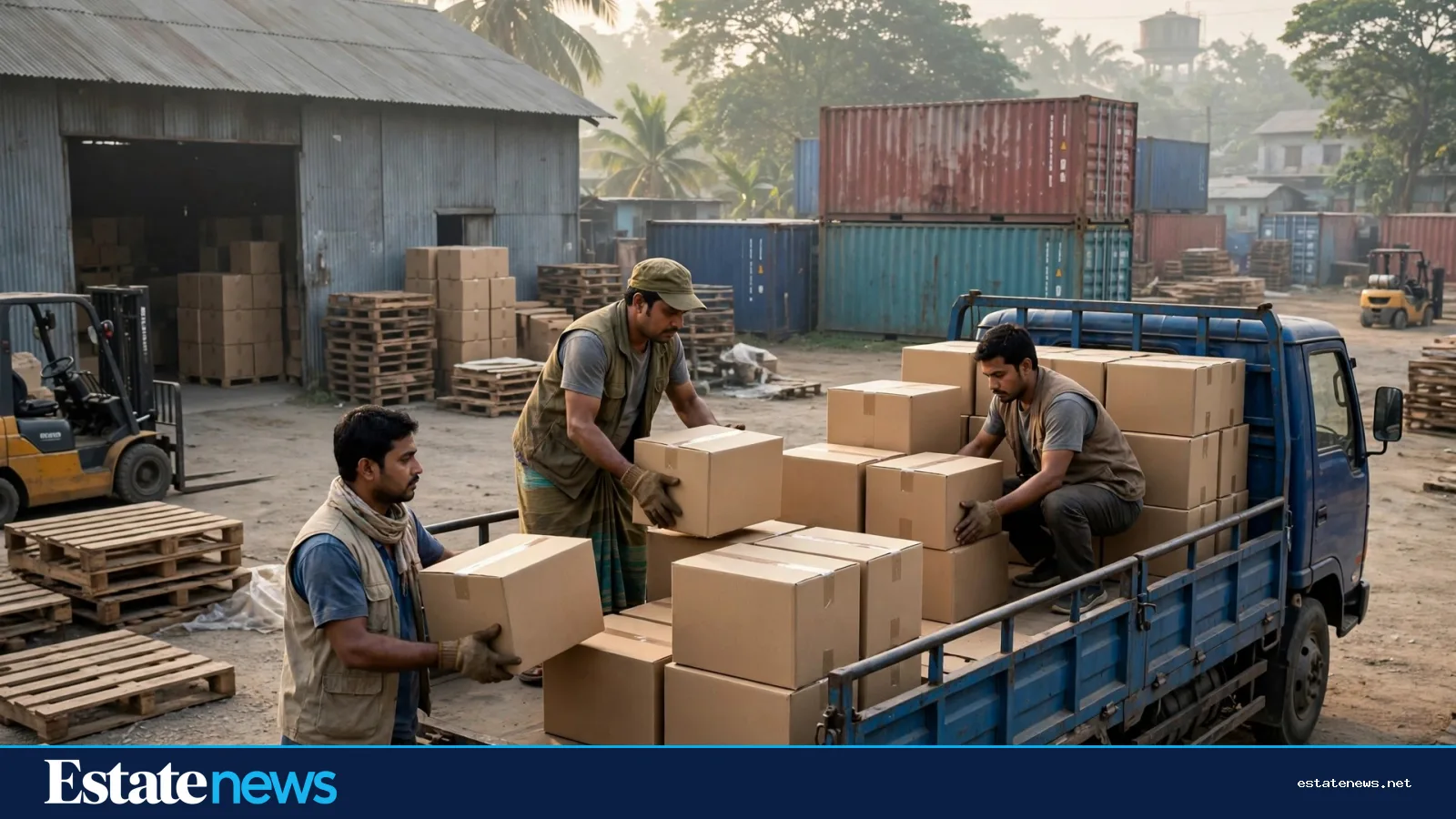
Walk into the operations office of almost any large manufacturer in Bangladesh and you will find a familiar pattern. The workers on the factory floor are Bangladeshi. The technicians keeping critical machines running are often from Sri Lanka. The managers planning production, sourcing inputs and moving goods are frequently from India, and so, typically, are the general managers. The Daily Star's Big Picture column, published on 17 November, put it plainly: after decades as one of the world's manufacturing nations, Bangladesh still imports the people who run its supply chains.
That gap is about to become far more expensive, because the factories themselves are changing. Ready-made garments account for 80 to 83 percent of exports and employ some 4.4 million people. The country is now making a deliberate, capital-backed push into pharmaceuticals and active pharmaceutical ingredients, electronics, light engineering and technical textiles. Each of these is far more supply-chain-intensive than cut and sew. A pharmaceutical plant must source regulated inputs from several countries, maintain traceability and pass foreign audits. An electronics assembler juggles thousands of components across multi-tier supplier networks. Getting a container through Chattogram port, customs and multiple agency approvals on time is a management discipline in itself.
The zones are filling up

The scale of the bet is visible on the map. The National Special Economic Zone at Mirsharai, Sitakunda and Sonagazi, the Japanese Economic Zone under development in Araihazar, the Chinese Economic Zone in Anwara, and several existing and new export processing zones together report hundreds of factories and multibillion-dollar proposed investments. Foreign direct investment rose by 45 percent in 2025 as global firms looked for China-plus-one alternatives. Government policy targets a 40 percent increase in light engineering's contribution to GDP by 2027, and aims to replace a 1.3 billion dollar annual bill for imported active pharmaceutical ingredients with local production.
Every one of those factories needs the same things around it: warehouses to hold inputs and finished goods, yards where trucks can load and turn, cold storage where the product demands it, and a port that can clear a container without days of delay. That is the industrial property story behind the manufacturing story. A zone with hundreds of factories and no one to run their warehouses will underperform, and the investors will fly in their own managers, as many do today.
The clock on this is longer than it looks, and also shorter. Bangladesh was scheduled to graduate from least developed country status on 24 November 2026. The United Nations General Assembly, at its most recent session, extended the preparatory period to November 2029. When graduation occurs, duty-free access to the European Union and other markets will be phased out, and tariffs on key products will rise. The only durable answer is to become efficient enough to compete without preferences. Labour productivity in Bangladesh runs at about 8.7 dollars an hour, against 12.4 dollars in Vietnam and 19.8 dollars in China. Closing that gap is partly about machines. It is largely about skilled management.
The missing degree


The universities have not kept up. Bangladesh's private universities have grown impressively, but their supply chain offerings are limited. AIUB has an operations and supply chain management department offering BBA and MBA concentrations. BRAC University has a master's in procurement and supply management. A few others offer MBA majors with courses on supply chain management. There is not a single dedicated, industry-facing master's degree in supply chain management in the country. Meanwhile the best BBA and MBA graduates gravitate towards banks, telecoms and marketing, or jobs abroad. A factory or manufacturing company is rarely seen as a career destination for the brightest.
Others have noticed the demand before Bangladesh has. Malaysia's UCSI University already markets its supply chain master's programme directly to Bangladeshi students. Malaysia partnered with the Massachusetts Institute of Technology's Center for Transportation and Logistics to create the Malaysia Institute for Supply Chain Innovation, whose 10-month master's programme was ranked first in the world by Eduniversal in 2021. India runs dedicated supply chain MBAs at IIM Udaipur and IIM Mumbai, backed by its National Logistics Policy. Vietnam offers a warning: it has many bachelor's programmes, yet its own industry reports that only 5 to 7 percent of its logistics workforce has formal training.
The column's author, Reza Kibria, an adviser with three decades of supply chain experience with American multinationals, puts the timeline at 32 to 36 months from a firm decision to the first graduating cohort: about three months to commit, six months to design the curriculum and submit it to the University Grants Commission, four months to secure approval, hire faculty and sign up capstone sponsors, followed by an 18-month programme. The new deadline for graduation is November 2029. A university that commits this year can graduate its first cohort in early 2030, just as preferences begin to lapse and the economic zones reach scale.
What it means for industrial land
For readers of a property portal, the point is concrete. The factories going up in Mirsharai, Araihazar and Anwara will need warehouses, godowns and logistics yards, and the people who run them will need housing nearby. Estate News looked at that demand in "Beyond the Flat: Warehouses, Godowns and Logistics Yards Join Dhaka's Property Story", which traced how industrial space became part of the city's property market. The freight that connects those zones runs through "The Dhaka-Chattogram Expressway: What Faster Freight Means for the Towns Between", and the port at the end of the road is the subject of "Chattogram Port Turns Landlord: Tenders, Terminals and the Bay Terminal Bill".
The same week's news shows the pipeline is already moving. Estate News reported in "Joyful to Build a $6m Outerwear Factory in Chattogram EPZ" that a Singapore-China firm will invest 6 million dollars in a high-end garment factory in Chattogram, creating 2,230 jobs, with production targeted by March 2027. Each such factory adds containers to the port, cartons to the warehouses, and trucks to the road. The question is not whether the factories will come. It is whether the people who run what happens after the factory gate will be Bangladeshi, or whether they will keep arriving on flights from elsewhere.
Bangladesh has proven it can make clothes for the world. The next proof is harder to see from the factory floor: that it can manage the far more tangled supply chains its new industries demand, and that it can train the managers to do it at home. The warehouses and the yards will follow the factories. The managers have to be built too.