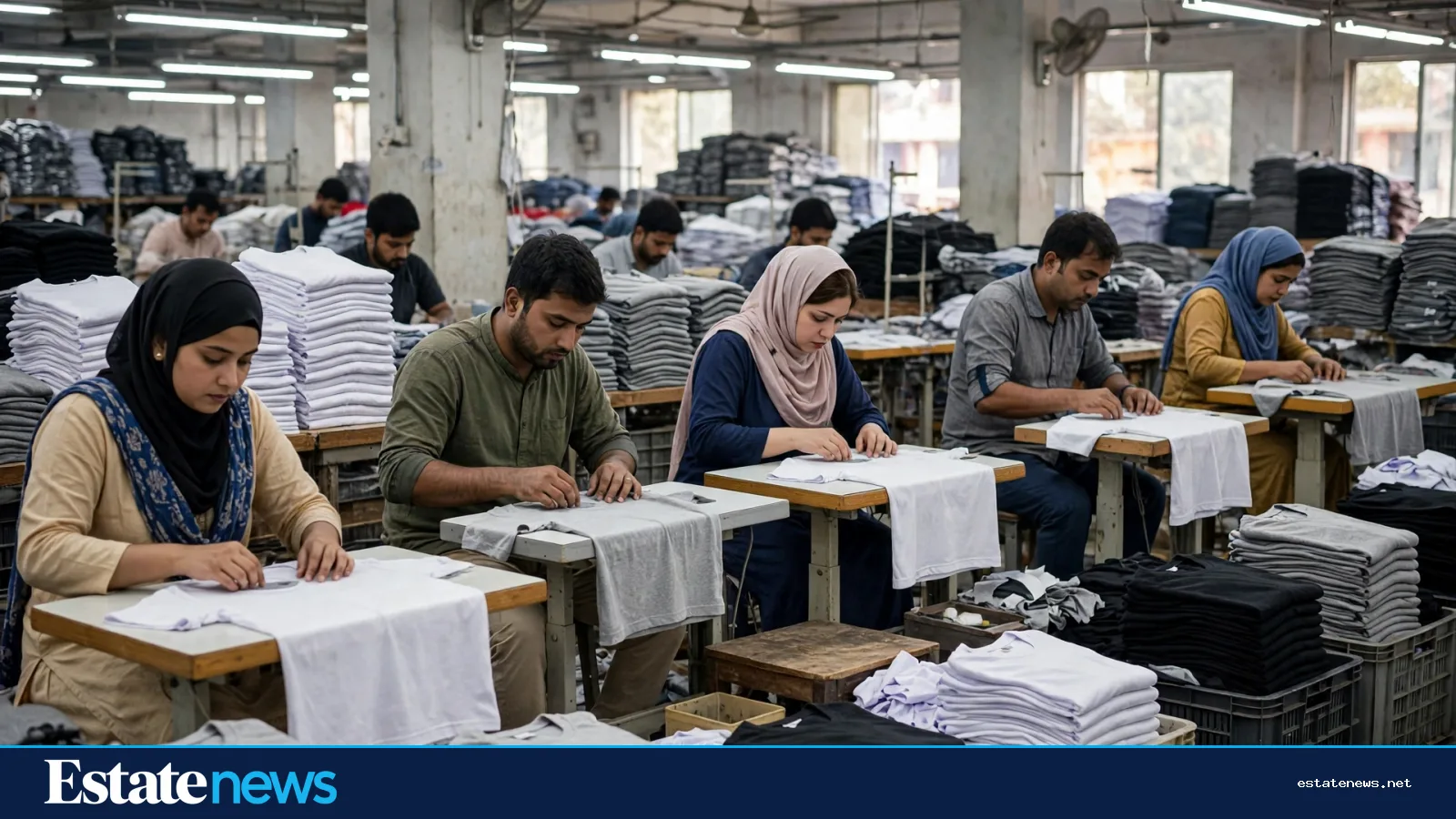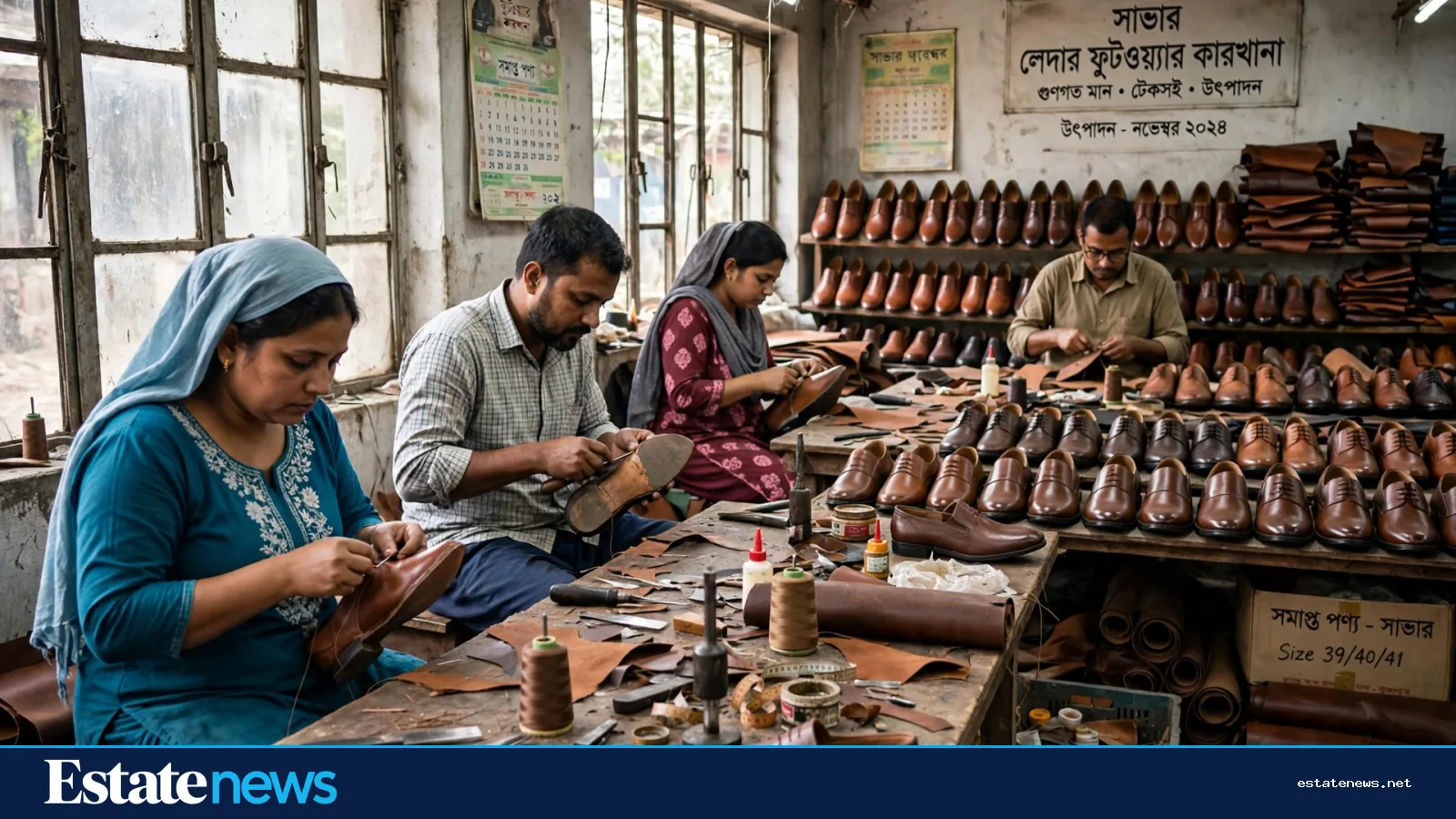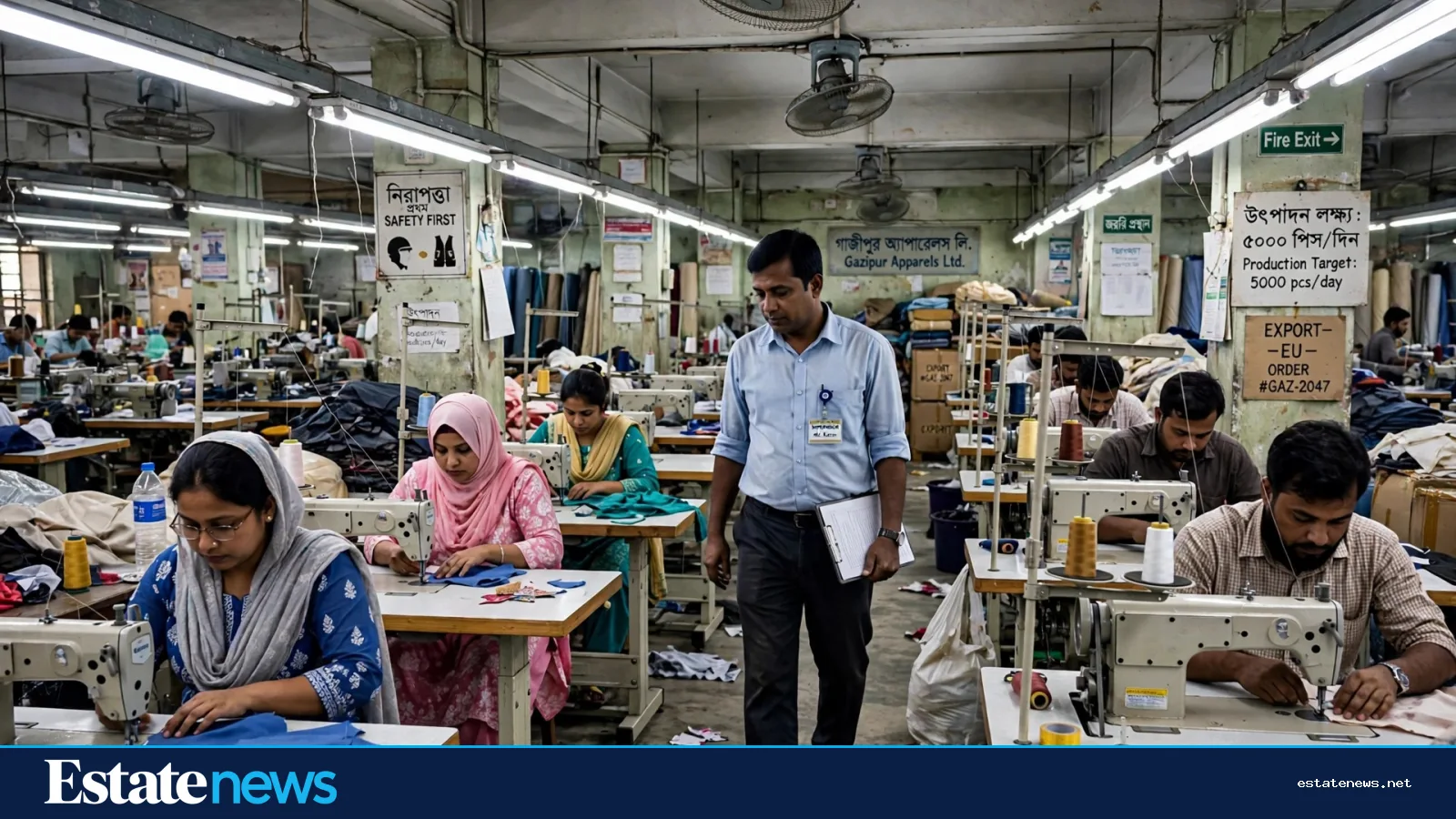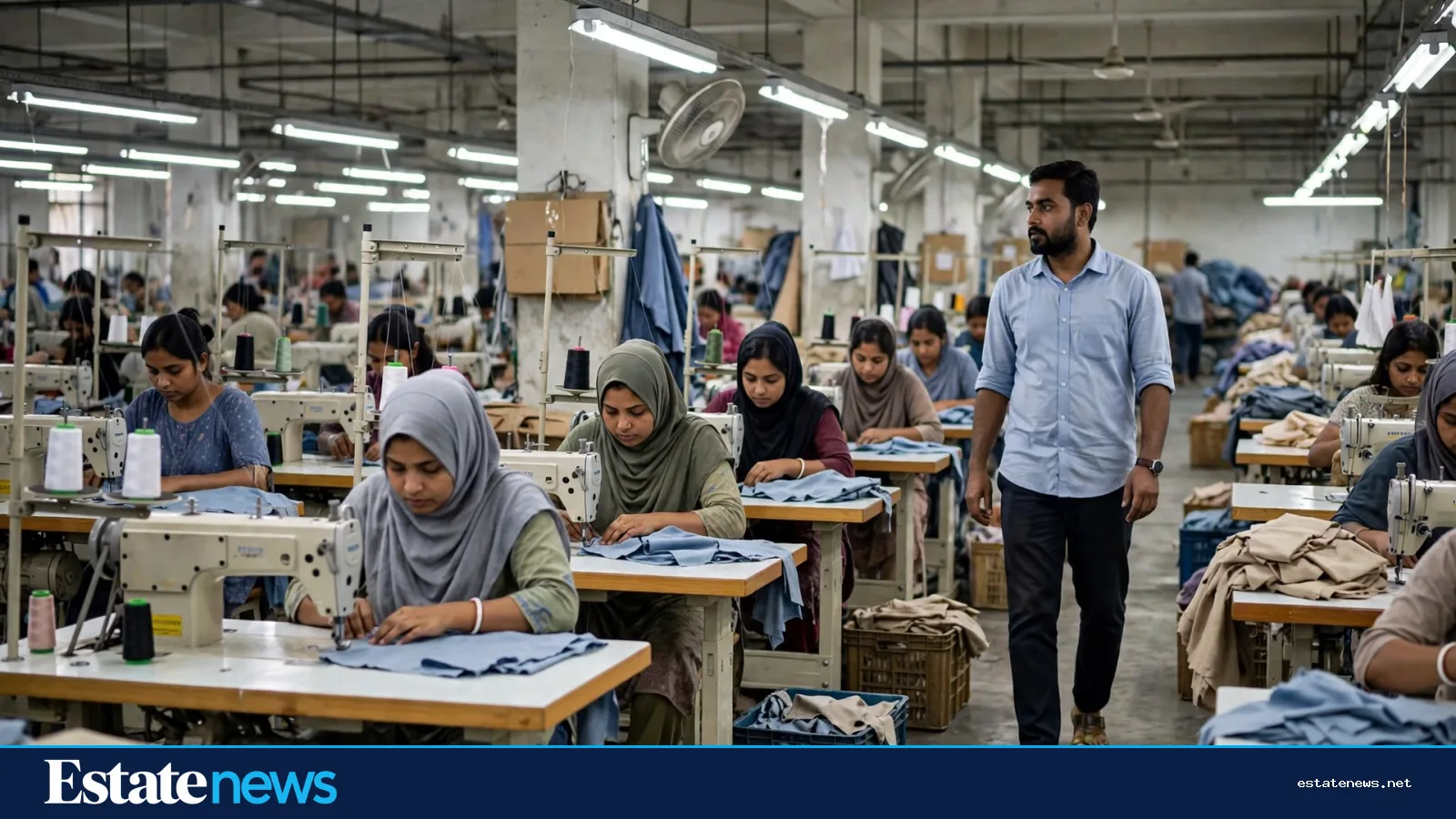
Bangladesh's factories grew 8.79 percent in August, according to Bangladesh Bureau of Statistics data, and garments led the way at nearly 14 percent. The figure matters for housing as much as it matters for industry, because the factories that grow are the factories that hire, and the workers they hire need somewhere to live. A factory belt that is growing is a housing market that is moving.
The growth was broad. Large-scale manufacturing, which covers the country's big factories, rose 8.79 percent year on year in August. Garments, the largest part of it, grew close to 14 percent. The rebound follows a year in which orders, exports and employment all came under pressure, and it lines up with the export figures that have been strengthening through the autumn. Apparel exports grew 5.82 percent in the first four months of the financial year, to $13.75 billion, and the industry's order books are fuller than they were a year ago.
Where the workers live

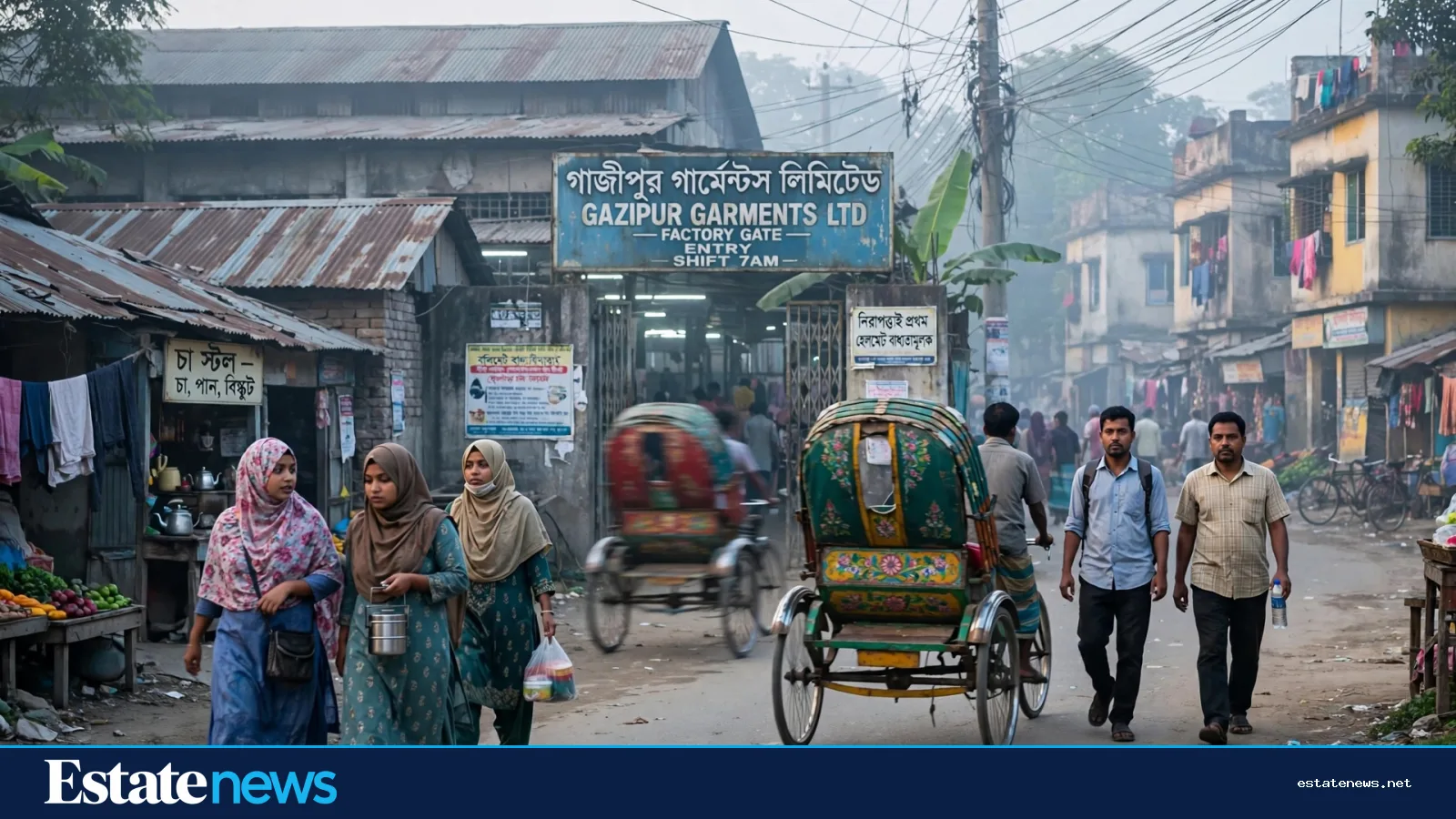
The growth is concentrated in the factory belts: Gazipur, Narayanganj, Ashulia and the industrial areas around Dhaka and Chattogram. Gazipur is the largest of them, a district of factories and dormitories and rented rooms that has grown up around the garment industry. A factory that adds a line adds workers, and those workers rent rooms, share flats and send money home. The housing in these belts is mostly rented, mostly small, and mostly built by local landlords rather than developers. It is the part of the housing market that never appears in the glossy brochures, and it is the part that moves first when the factories grow.
The link between factory growth and housing demand is direct, but it is not instant. A factory that grows in August hires in September and October, and the housing effect shows up in the rents and occupancy of the months after. Landlords in Gazipur and Ashulia report that rooms fill faster when the factories are busy, and that workers who leave when orders dry up come back when they return. The market is a mirror of the order book, and the order book is looking better than it was.
The PMI points the same way


The manufacturing picture is backed by the purchasing managers' index, the survey that tracks factory activity month by month. The PMI returned to expansion in October, at 51.8, after months below the 50 line that separates growth from contraction. Estate News covered that turn in "অক্টোবরে অর্থনীতি আবার সম্প্রসারণে, পিএমআই ৫১.৮", and the piece still ranks among the site's most-read. A PMI above 50 does not guarantee a boom, but it does mean more factory managers are reporting growth than decline, and that is the first condition for hiring.
The export mix tells a more complicated story. Almost all of the recent export growth has come from basic garments, the simplest items in the range, and that concentration is a risk. Estate News set out the numbers in "Bangladesh Sold More Basics: The Export Mix That Worries", and the point is worth repeating: a factory belt that depends on one kind of order is vulnerable to a change in that order. The growth is real, and so is the concentration.
What it means for a buyer or a renter
For a renter in a factory belt, the growth means rooms will be harder to find and rents firmer in the months ahead. For a landlord, it means occupancy will improve, and a flat near a factory gate will let faster than one a bus ride away. For a buyer, the lesson is narrower: a flat in a factory town is a bet on the factories staying busy, and the factories' fortunes are set by orders in Europe and America, not by anything in the neighbourhood. The buyer who understands that is the buyer who can judge the price.
The factories grew 8.79 percent in August. That is a number about industry, but it is also a number about housing, because every factory job is a person who needs a roof. The factory belts are where Bangladesh's housing market meets its industrial economy, and the two move together, for better and for worse.