The day the keys change hands is the easiest day to make a mistake. The flat is finally ready, the family is standing in the lobby, and the developer's representative is smiling with the key in his hand. Everything feels finished. That is exactly when the buyer should slow down.
Handover is not a ceremony. It is an inspection, and it is the last moment when the buyer still has real bargaining power. Once the final papers are signed and the last payment is made, getting a developer to fix a cracked tile or a leaking tap becomes a favour, not an obligation. Before that moment, it is the developer's job. A careful buyer treats handover day like a site visit with a clipboard, not a celebration.
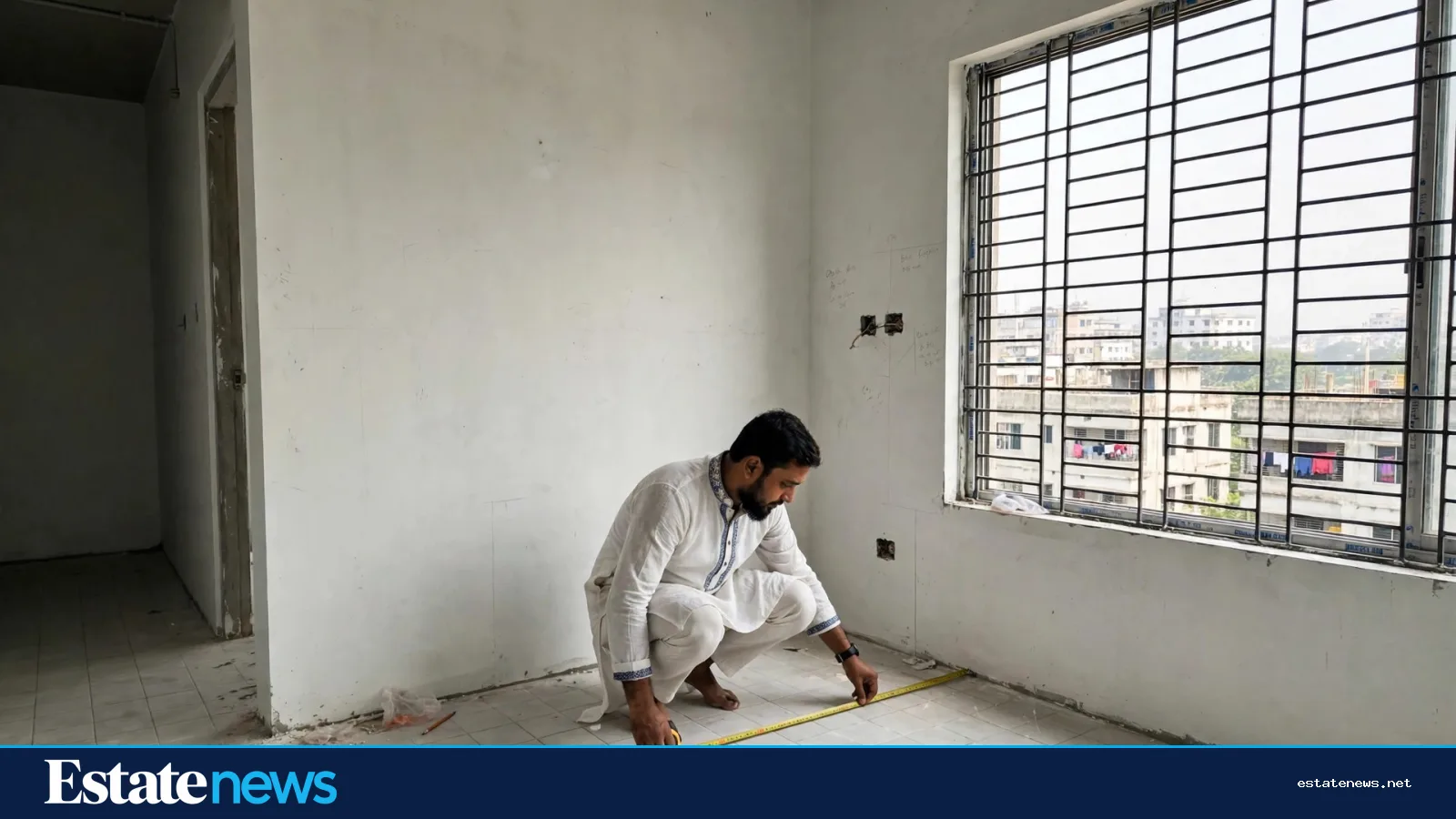
Start at the door. Does it close properly, and does the lock work? Check every window the same way. A window that sticks or a door that will not latch is easy to spot now and easy to ignore later. Walk the flat slowly, room by room, and run your hand along the walls. Look for damp patches, especially near the bathroom and the kitchen, and look at the ceiling for stains that suggest a leak from above.

The things that fail quietly
Plumbing is the first thing to test and the easiest to rush past. Turn on every tap, flush every toilet, and watch how fast the water drains. A slow drain in a new flat will not fix itself. Check under the kitchen sink and under the washbasins for drips. Ask where the water comes from, and whether the building has its own supply and storage. In Dhaka, a flat without a working overhead tank and a pump is a flat that will run dry at the wrong hour.
Electricity comes next. Switch on every light and every fan, and check every socket. Count the sockets against the agreement, and look for the ones a family actually needs: by the bed, by the dining table, in the kitchen where the fridge and the oven will go. A flat with two sockets in a bedroom will need extension boards from day one, and that is worth knowing before the furniture arrives.
Then the gas. If the building has a gas line, check that the connection to the flat is live and that the meter, where one exists, is in place. If the building runs on cylinders, find out where they are stored and how refills are arranged. Gas is one of those things buyers assume is settled until the first evening they try to cook.


The lift is the building's shared heart, and a buyer should ride it. Does it stop level with each floor? Does the door close smoothly? Ask whether the lift has a generator backup and how long the backup lasts. A lift that dies in a power cut strands a family on the eighth floor with shopping bags and a small child. While you are there, look at the staircase too. It should be clear, lit and usable, because one day the lift will be under maintenance.
Beyond the front door
The flat is only half the purchase. Walk the common areas. Is the staircase finished? Is the lobby tiled and lit? Is the parking space the one named in the agreement, and is it marked? Check the roof, if the residents are allowed up there, and look at the water tanks and the state of the waterproofing. A roof that ponds water in the monsoon will leak into the top-floor flats.
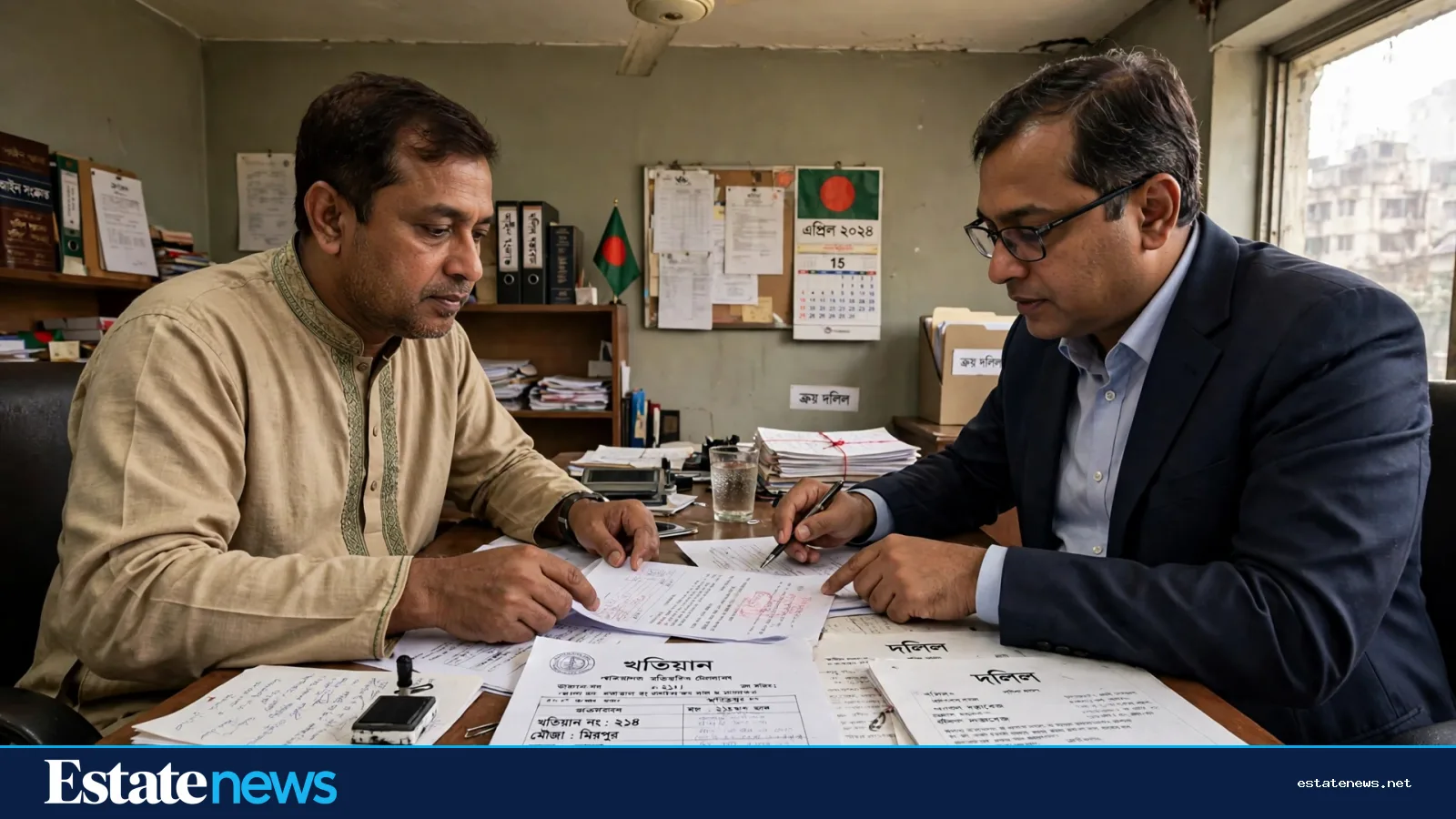
Documents matter as much as taps. At handover, collect the papers that prove the building is ready to live in. Estate News explained the occupancy certificate in "Occupancy Certificate: The Paper That Says Your Building Is Ready to Live In", and the RAJUK approval in "RAJUK Approval Step by Step: How a Building Plan Gets Its Stamp". Ask for copies of both, along with the completion papers and the service charge schedule. Ask who manages the building now, and what the monthly charge covers.
Estate News's Bangla piece on handover delays set out what the agreement usually says when a handover runs late. Read it before handover day, not after. If the flat is not ready, the agreement is the buyer's friend, and the inspection is the evidence. Write down every defect, take photographs, and get the developer's representative to acknowledge the list in writing with a date for fixing each item.
A few defects are normal in a new building. A hairline crack in fresh plaster, a door that needs adjusting, a tap that drips. What is not normal is a buyer who finds them after moving in. Spend the hour. Open every tap, switch on every light, ride the lift, walk the stairs, and read the papers before signing. The keys will still be there when the checklist is done.
This is a guide, not legal advice. A buyer who finds serious defects, or a developer who refuses to record them, should speak to a lawyer before signing the final papers.