Imagine a flood insurance policy that pays out before anyone files a claim. No loss adjuster visits the house. No forms, no photographs of the damage, no months of waiting. The river gauge hits a level agreed in advance, and the money moves. That is parametric insurance, and it is now being tested in Bangladesh for the families who live closest to the Jamuna.
The Insurance Development and Regulatory Authority outlined the plan at a workshop on disaster risk financing and parametric insurance held at its office on 16 November. IDRA chairman Mir Nadia Nivin told the workshop that the regulator plans to test parametric flood and heat insurance through its regulatory sandbox before setting common standards for wider market introduction. The idea is to learn from a small, controlled trial first, then write the rules.
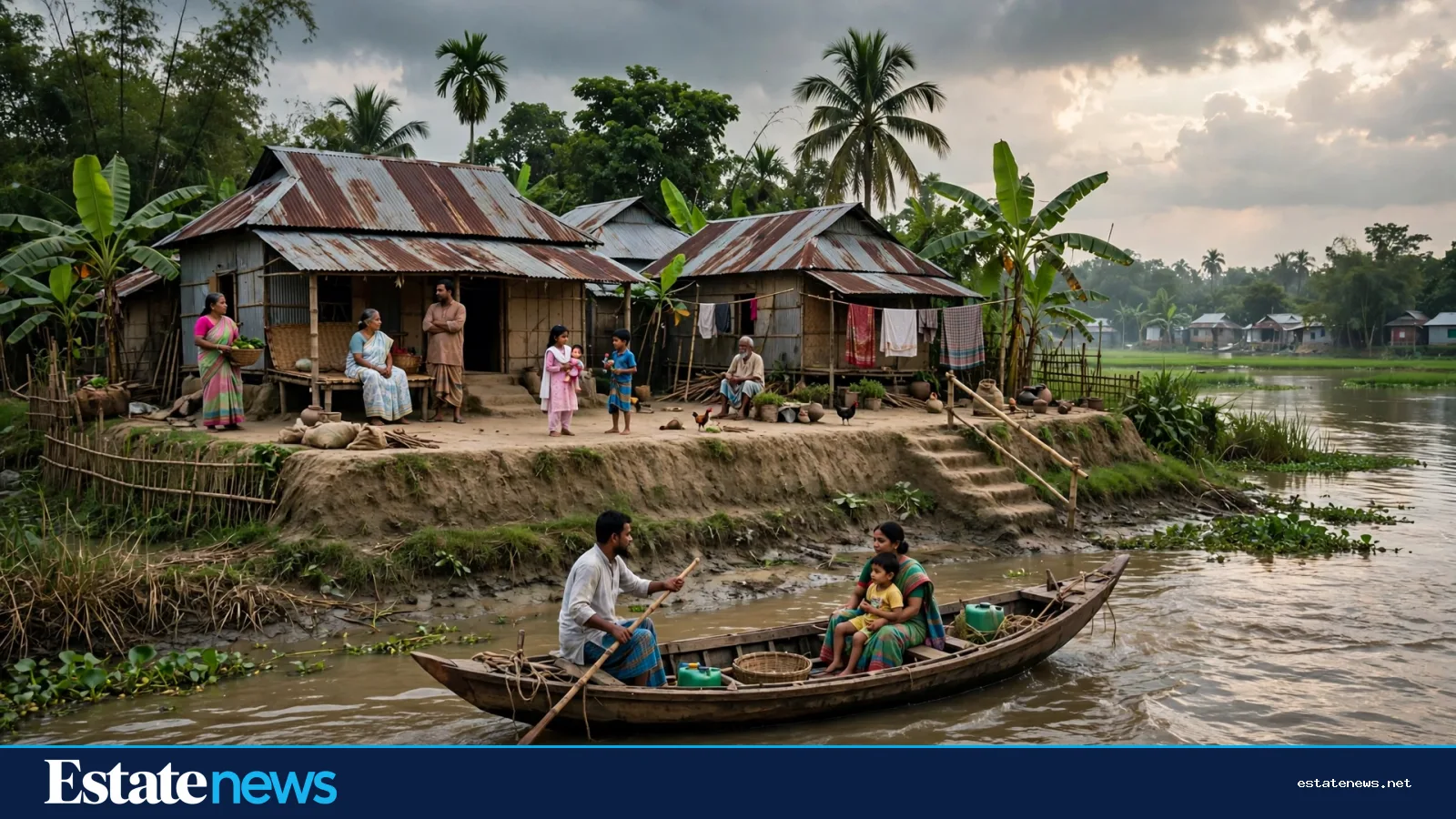
The trial already exists. Under the World Bank-supported Jamuna River Sustainable Management Project-1, a three-year pilot parametric insurance scheme covers 100,229 flood-prone families in four districts: Sirajganj, Kurigram, Gaibandha and Jamalpur. The state-owned Sadharan Bima Corporation is the insurer. Payouts trigger automatically when pre-agreed river-level indicators are met, using Bangladesh Water Development Board data, without any claims assessment.

No payout yet, and why that matters
The first year of the pilot paid out nothing. The required conditions were not met, so no trigger fired. That sounds like a failure, and it is worth saying plainly that it is not. A parametric policy that pays when the river stays below the trigger has done what it was written to do. The test is whether it pays when the river does cross the line, and work is now under way on the year-two product.
This is the part of the story that buyers and homeowners should understand best. Parametric cover does not pay for the damage to your house. It pays a fixed amount when a measured event happens. If the gauge crosses the trigger, the money comes. If your house floods for a reason the gauge does not capture, it does not. That is both the strength and the limit of the design: fast and certain when the trigger fires, silent when it does not.


What comes next
IDRA is now developing common standards for product design, payout triggers and data sources, so that future policies are built on the same foundations. The regulator is also exploring parametric heatwave insurance, with a small heat pilot considered with support from the Asian Development Bank. Heat is a different kind of risk from flood, and it needs different triggers, but the logic is the same: a measurable event, a pre-agreed threshold, a payout without a queue.
For a homeowner in a flood-prone district, the practical question is what this means for the house itself. A parametric policy can sit alongside other protection, not instead of it. Raising a homestead on a plinth, keeping deeds and documents above the flood line, and knowing the local evacuation route all still matter. Insurance is one layer. Estate News covered the paper trail that protects a purchase in "Occupancy Certificate: The Paper That Says Your Building Is Ready to Live In" and "Mutation After Buying a Flat: The Paper Trail From Deed to Holding Number", and the same instinct applies here: know what the document promises before you need it.
The workshop announcement came from IDRA itself, reported by TBS and the Financial Express on 16 and 17 November. It is an announcement, not a product on sale, and this piece treats it that way. The pilot covers four districts and about a lakh of families. Whether it grows into a market product depends on the next two years of river readings, and on whether the triggers are set at levels that match the floods people actually live through.
Winter brings its own risks to a home, and Estate News's 16 November piece, "Winter Is Coming to Dhaka Flats: Keeping a Home Warm Without a Heater", looks at the other end of the year. Flood and cold are different problems, but the habit is the same: prepare the house before the season arrives, and check the cover before the water does.