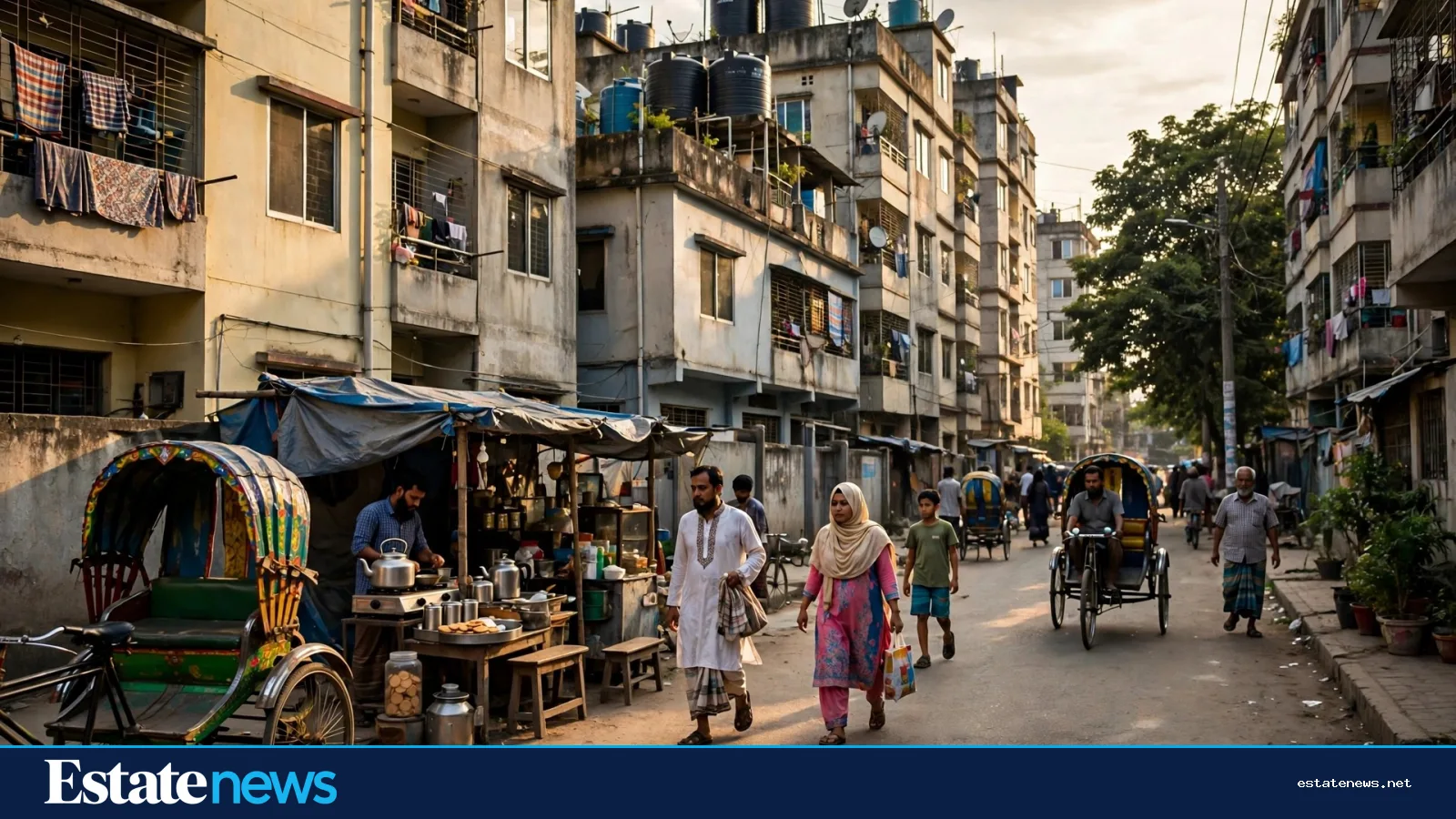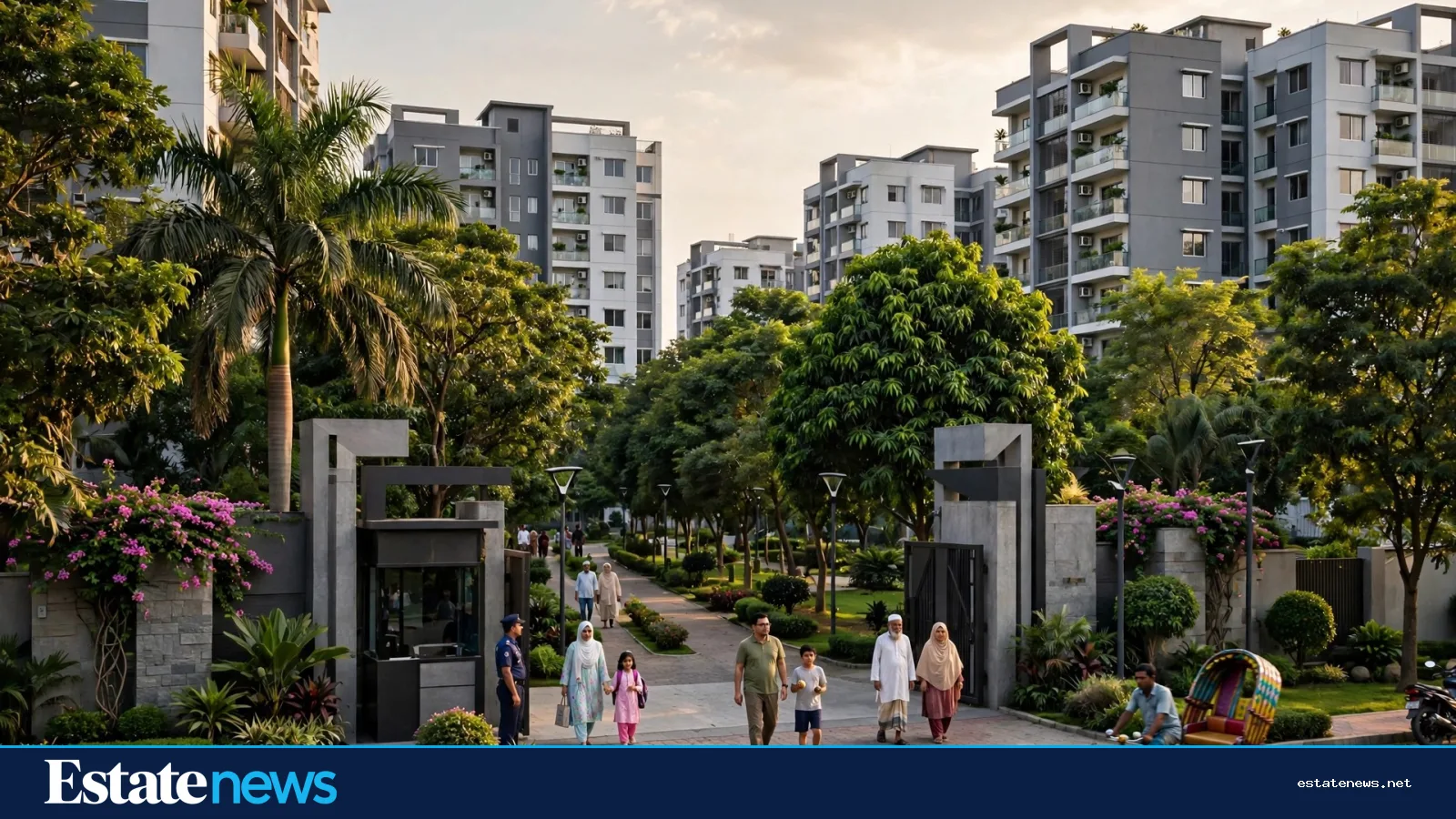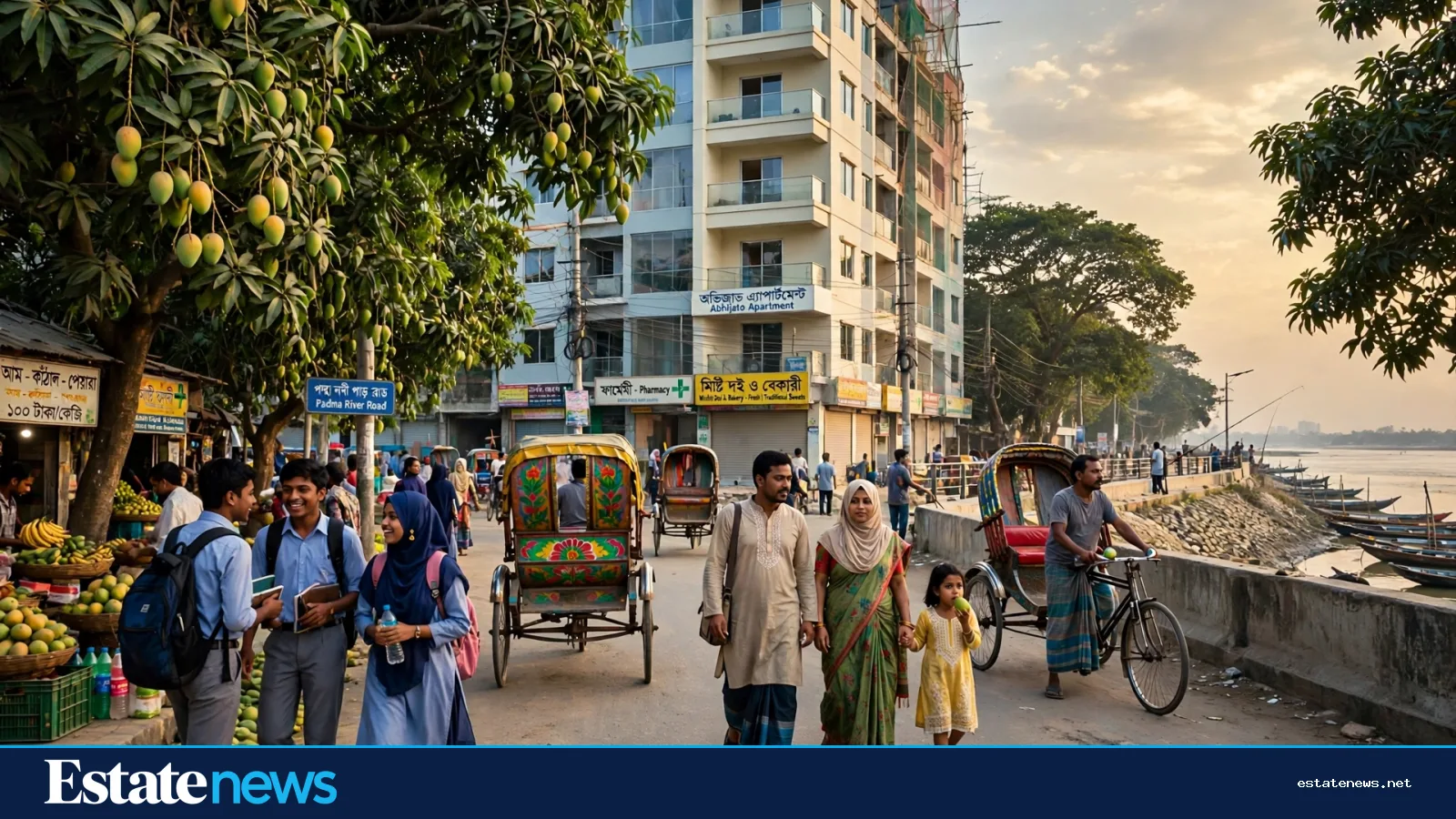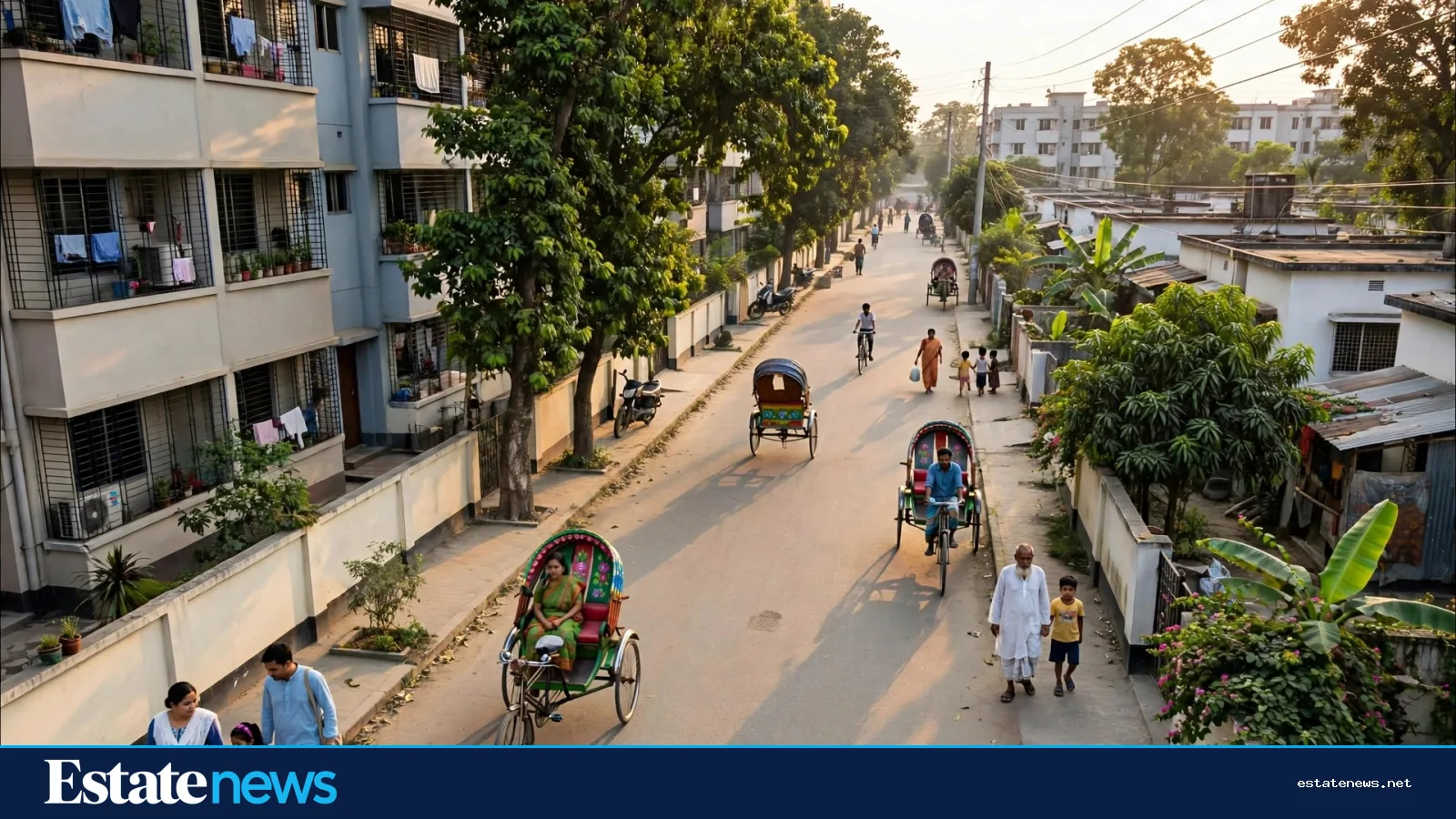
Walk down a road in Pallabi on a late afternoon and the first thing you notice is the order of it. The streets run straight. The plots sit in rows. Rickshaws move in both directions without the squeeze of the old city, and the trees are old enough to shade the pavement. It looks like a neighbourhood that was drawn before it was built, because it was.
Pallabi, in Mirpur, is where Bangladesh's first private real estate company learned its trade. Eastern Housing Limited was incorporated in 1964, and its own account says it started its work by building 700 houses in Pallabi Thana. The company describes itself as the country's first and pioneer real estate company, and the only publicly listed one in the sector. Pallabi was its first major project area, the place where a private developer first tried to build a whole neighbourhood at once instead of one building at a time.
The name itself is a piece of family history. Pallabi was named after the daughter of Jahurul Islam, the businessman who founded Eastern Housing, after the company won the tender for the Mirpur extension project following independence in 1971. The estate grew out of that project, on land between the Turag river to the north and the older Mirpur settlements to the south. As a thana it was formally established in 2005, covering 9.97 square kilometres.

What planned meant in the 1960s
Planned housing in that era meant something plain: plots of set sizes, roads wide enough for two vehicles, and space left for schools, markets and mosques. Pallabi's early houses were low-rise, many of them single or double storey, with courtyards and boundary walls. The estate's second phase came later, and with it the apartment blocks that now stand beside the old houses. The mix is part of what makes the area feel lived in rather than designed: a 1960s house with a mango tree can stand next to a six-storey building, and both belong to the same street.
That mix is also what Pallabi taught the developers who came after it. Uttara and Bashundhara are bigger and newer, and their developers had more land and more money. But the idea they inherited came from Pallabi and the estates of its generation: sell plots and houses in a place with roads, water and a name people can find on a map, and buyers will come. Eastern Housing went on to build across the city, and its listing on the Dhaka Stock Exchange made it the only developer whose shares a buyer could check in the morning paper.


The estate today
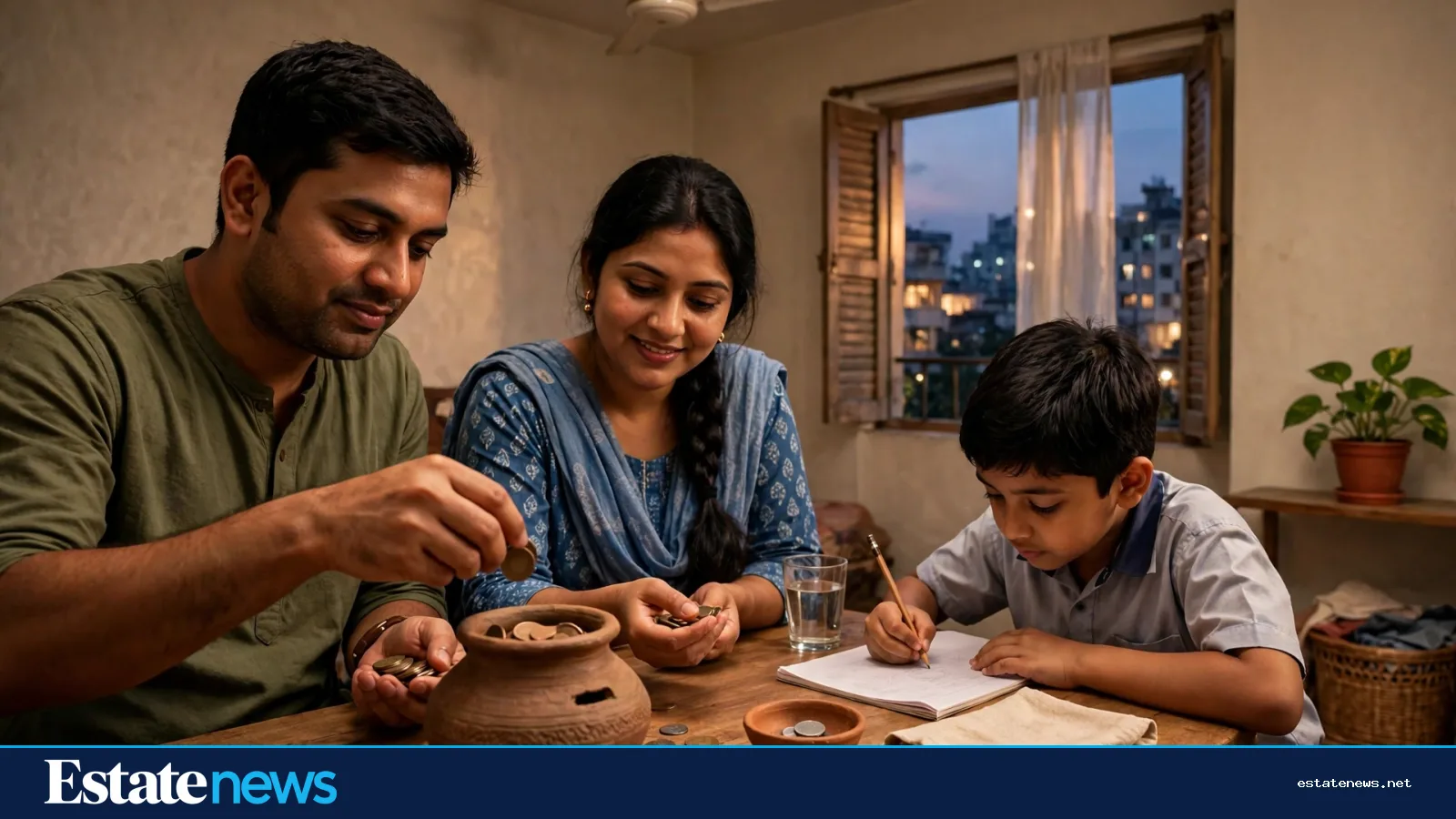
Pallabi today is a middle-class neighbourhood, and it wears that plainly. The roads carry schoolchildren in the morning and shoppers in the evening. The old houses are being replaced, one by one, by apartment buildings, and the families who move in are often the children of the families who built the first houses. Prices vary by road frontage and by the age of the building, and no single figure describes the area. A house on a wide road with a corner plot commands more than a flat in an older block two lanes back, and anyone quoting one price for Pallabi is not describing the place.
The estate's position inside Mirpur matters too. Mirpur has grown into one of Dhaka's largest residential belts, and Pallabi sits at its northern edge, close to Uttara and the airport road. The metro rail runs through Mirpur, and the roads that connect Pallabi to the rest of the city have improved with it. For a buyer, that connectivity is part of the price of living here, and for a renter it is part of the reason the area stays in demand.
Estate News profiled the company behind the estate in "Eastern Housing: The Pallabi Pioneer That Became Dhaka's Only Listed Developer", which traced how a firm that began with 700 houses became the sector's only listed name. The comparison with its neighbour runs through "উত্তরা না মিরপুর: পরিবারের জন্য কোন এলাকা বেশি বাসযোগ্য", which weighed the two areas for families choosing between them. And for anyone weighing rent against buying in this part of the city, "What Renting a Flat in Dhaka Costs in 2026, Area by Area" sets out the rental side of the same decision.
Pallabi is not the newest estate in Dhaka, and it does not try to be. Its roads are narrower than Uttara's, its buildings older than Bashundhara's, and its name carries none of the gloss of a new launch. What it has is something the newer estates are still building: sixty years of people living in it, raising children in it, and staying. A planned estate is easy to draw. Pallabi is the proof that one can last.