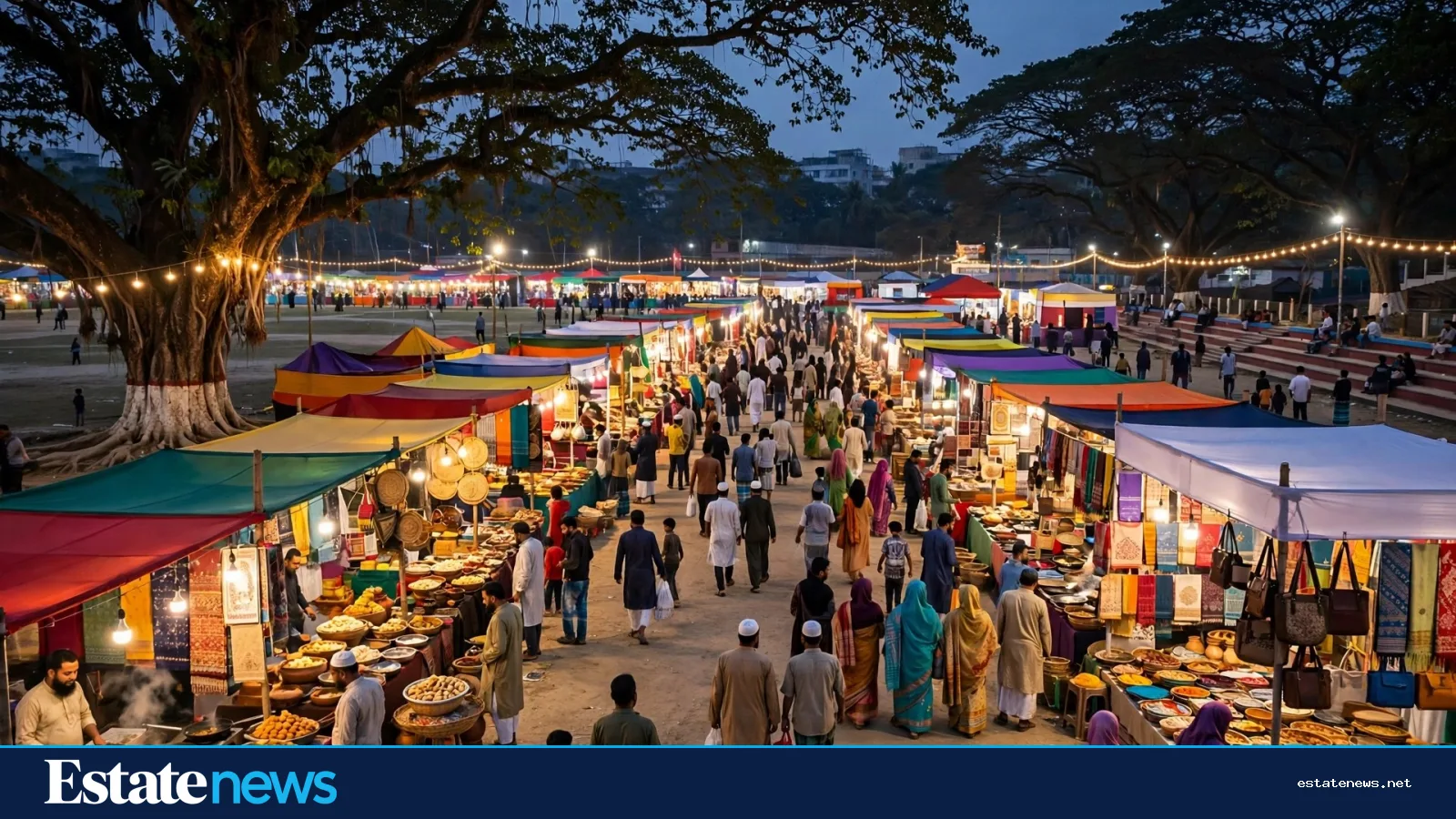
The Railway Polo Ground in Chattogram is about to fill up again. The 32nd Chattogram International Trade Fair opens on Friday 20 November, after a gap of two years, and it will run for a month. The Chittagong Chamber of Commerce and Industry, which organises the fair, announced the details at a press conference on 18 November at the World Trade Centre Auditorium, through fair committee adviser Amir Humayun Mahmud Chowdhury, a former president of the chamber.
Finance and Planning Minister Amir Khosru Mahmud Chowdhury will inaugurate the fair at 3pm on Friday, with Chattogram City Corporation Administrator Dr Shahadat Hossain as special guest. The fair is open daily from 10am to 10pm, and entry costs Tk 30. More than 300 companies from home and abroad are taking part, from India, Pakistan, China and Thailand, with 216 stalls and 20 pavilions, plus an associate country zone, spread across about 400,000 square feet of the Polo Ground.
A shop window for the port city

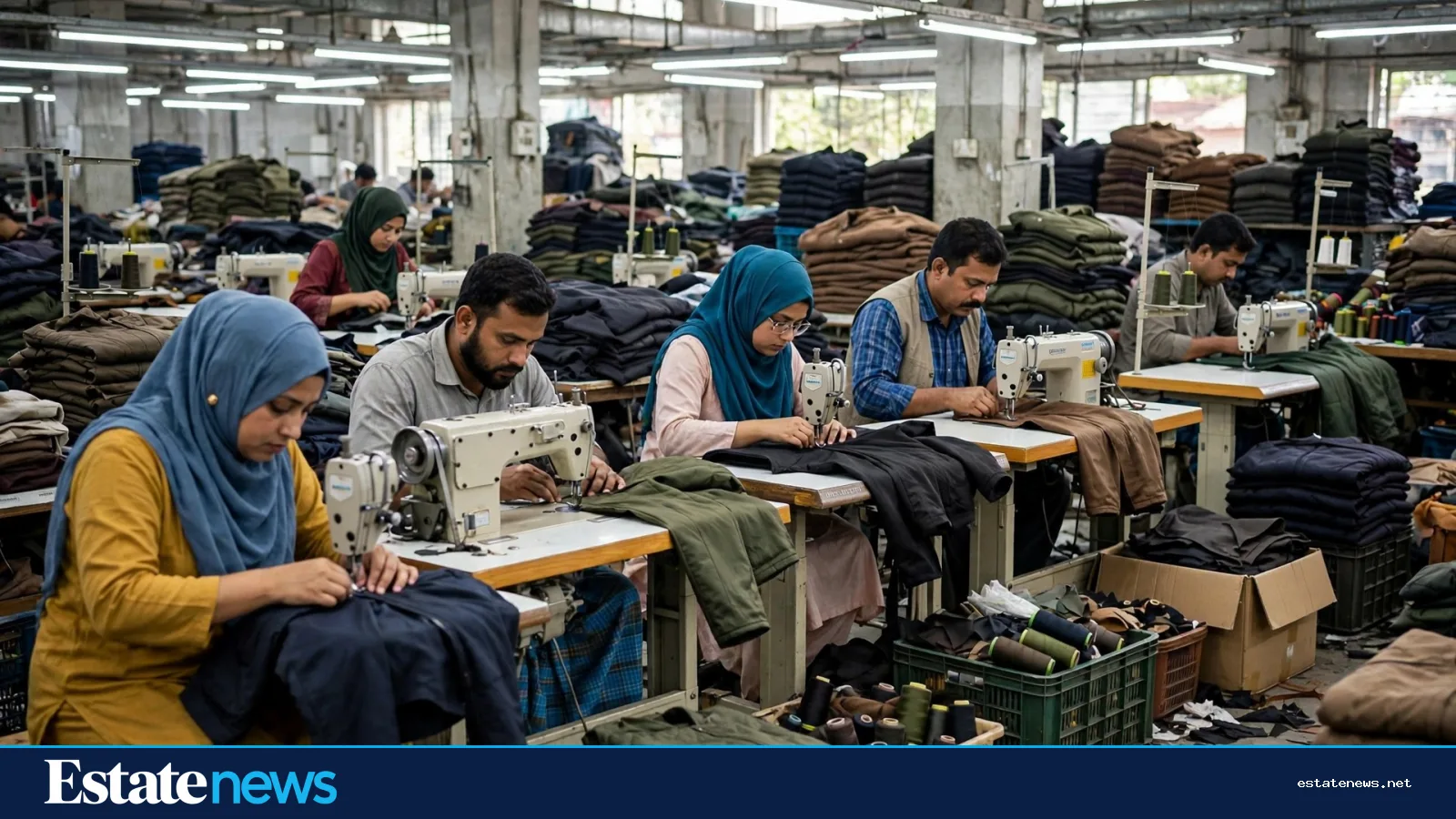
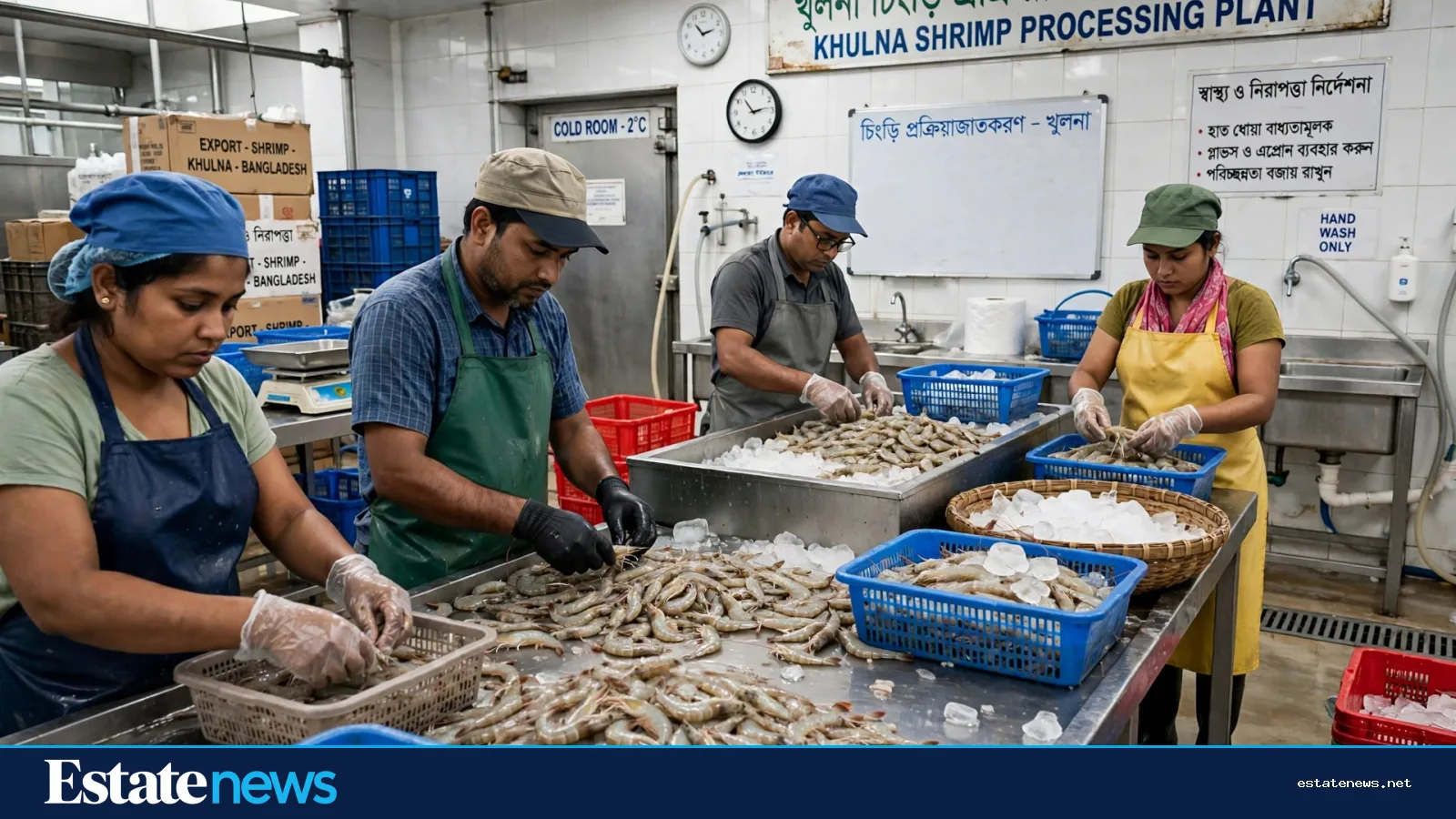
The Chattogram International Trade Fair is the port city's biggest shop window, and its return matters beyond the stalls. Chattogram is where Bangladesh's trade enters and leaves, and the fair is where the city's traders, manufacturers and small businesses meet the buyers who come through the port. A textile mill from Gazipur, a ceramics maker from Dhaka, a food processor from Chattogram itself, all of them get a stall beside importers from four countries. For a small business that cannot afford a showroom in the capital, a month at the Polo Ground is the cheapest way to be seen.
The timing is worth noting. An earlier announcement in September had tentatively put the fair on 23 November. The press conference on 18 November confirmed the opening for Friday 20 November, three days earlier. That is the date to use. The fair's organisers have kept the entry price at Tk 30, which keeps it open to the families who come in the evening to walk the aisles, look at the goods and eat at the food stalls. A trade fair that only businesspeople can afford to enter is not much of a fair.


What the fair means for the neighbourhood
The Polo Ground sits in the middle of Chattogram, and a month-long fair changes the neighbourhood around it. Rickshaws and buses bring visitors from across the city, the tea stalls outside the gate do a month of brisk trade, and the hotels and guest houses nearby fill with exhibitors. For the traders of Chattogram, the fair is also a chance to see what competitors from India, Pakistan, China and Thailand are selling, and at what price. That is the kind of market intelligence a small business cannot buy anywhere else.
The fair also carries a quiet message about the city's confidence. Two years without it is a long gap, and the chamber has brought it back with more companies and more stalls than a cautious organiser would risk. The 300 companies taking part are a bet that buyers will come, and that the port city's economy is ready to be shopped in again.
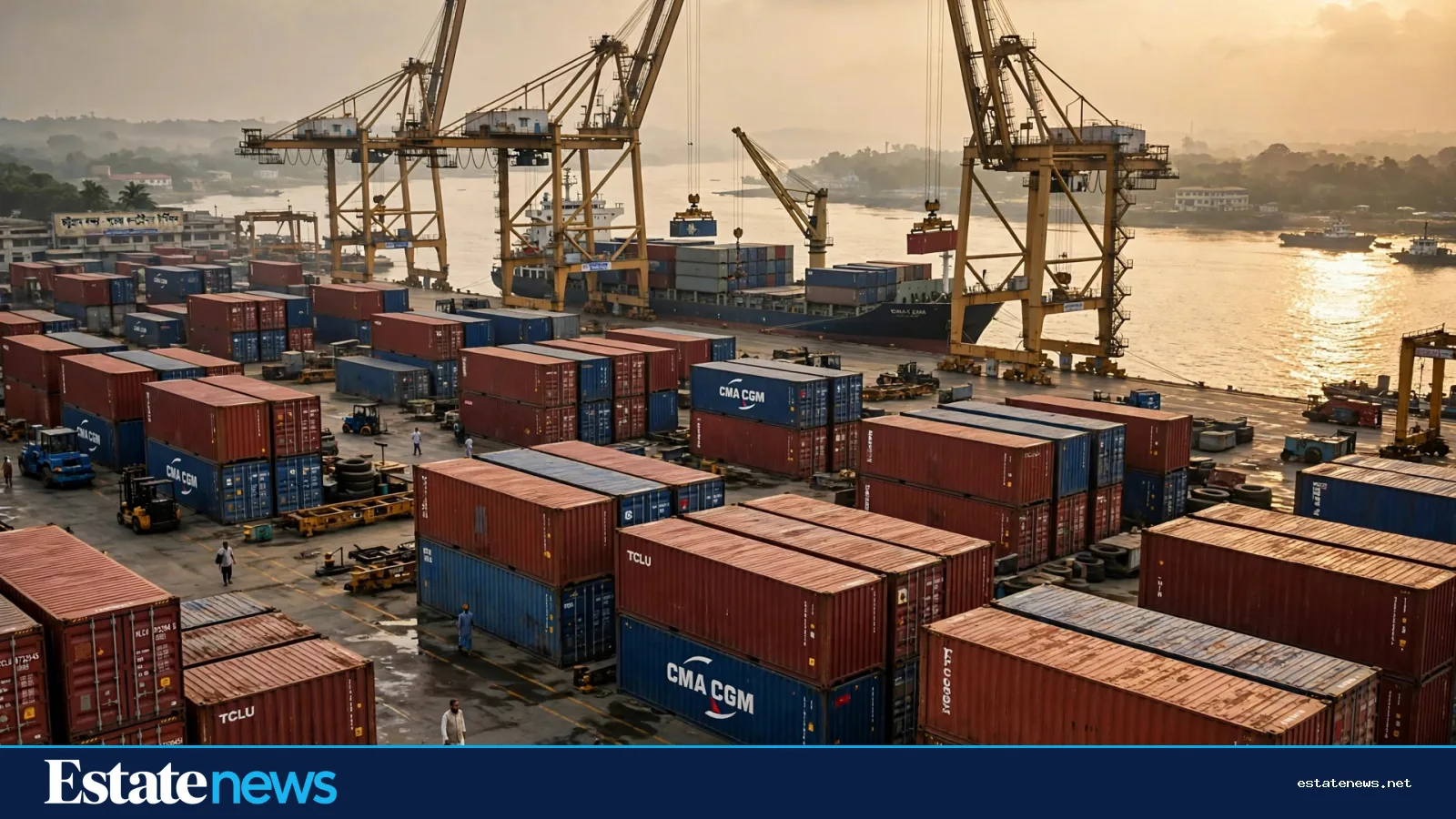
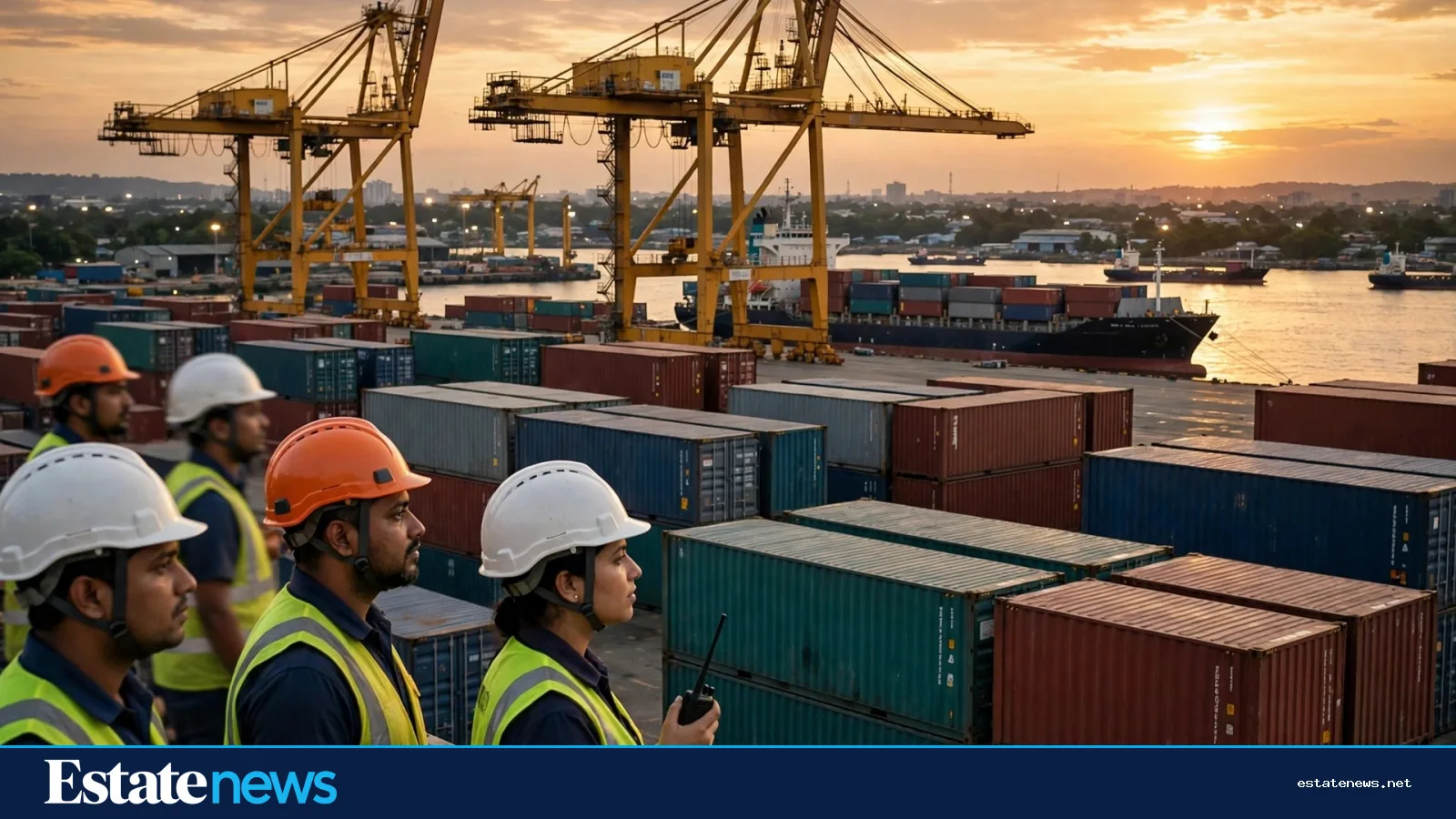
Estate News's look at Khulshi Hills, the port city's premium pocket, traced how Chattogram's housing market follows its trade, and the same link runs through the fair. A city that trades well builds well. The port piece on the new landlord model and the Bay Terminal bill, published on 17 November, described the other end of the same story, the terminals where the goods arrive. The fair is where those goods meet the people who will buy them. Estate News's Bangla piece on Jashore, the border town where trade and housing grow together, makes the same point from the other end of the country. Trade fairs are not only about selling. They are where a city shows itself to itself, stall by stall.