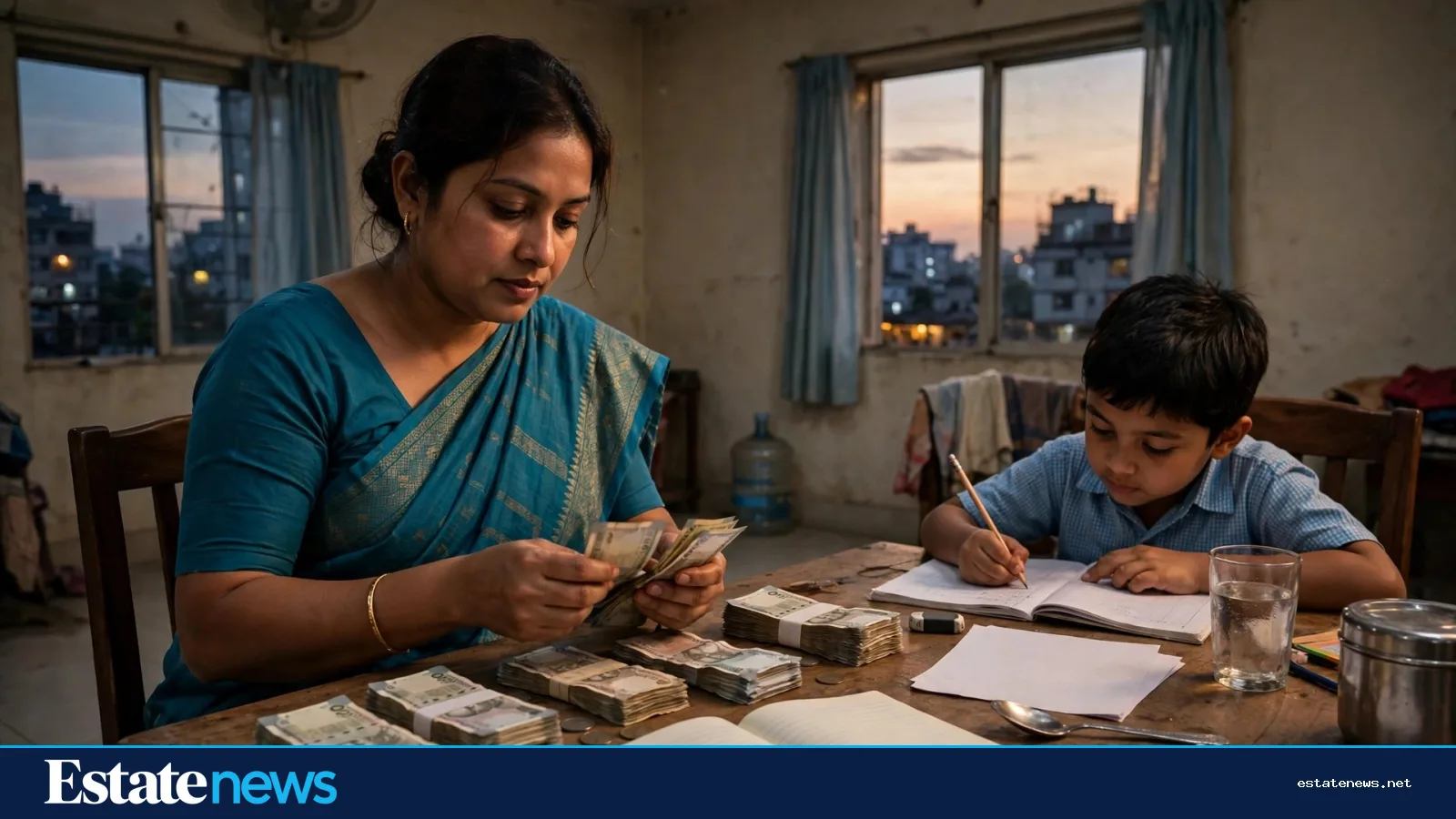
A worker leaving for Malaysia used to begin the journey in debt. The fees, the medical tests, the agent's cut and the airfare added up to a sum that took years of wages abroad to repay, and the loan often came from a relative or a moneylender at home. On 18 November, Prime Minister Tarique Rahman told Parliament that the government has reopened the Malaysian labour market through negotiations and has largely ensured the total migration cost per worker will not exceed Tk 2 lakh. Around 10,000 workers will go at minimal cost.
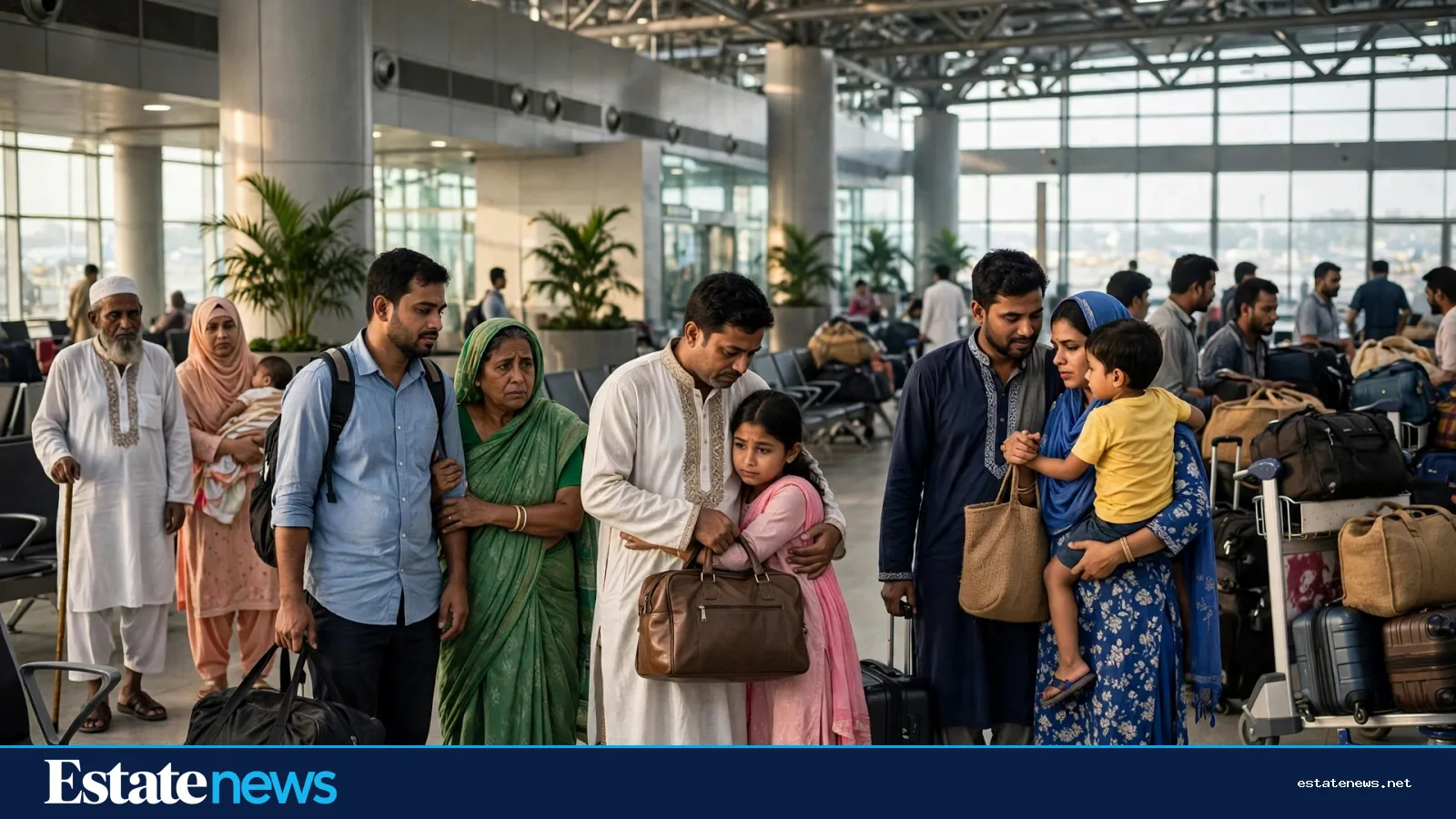
That number is the one that matters for the families waiting at Hazrat Shahjalal International Airport. A migration cost of Tk 2 lakh, against the Tk 2.5 lakh to Tk 3 lakh that recruiting agencies had agreed to keep costs within, according to the minister's statement on 5 November, is a difference of Tk 50,000 to Tk 1 lakh per worker. For a family that borrows to send a son or a husband abroad, that is the difference between a loan that takes two years to clear and one that takes three. The Prime Minister's statement on 18 November is the newer one, and it is the one families should watch. It is not, on its own, a guarantee that every worker will pay no more than Tk 2 lakh. The government said the cost has largely been kept within that figure, and the test will be what workers actually pay at the airport and at the agent's office.
Who goes first

About 1,000 of the 10,000 workers will come from families affected by enforced disappearances and killings, and from families of those killed or injured in the 2024 mass uprising, according to GreenWatchBD. That detail says something about how the government sees this reopening. It is not only a labour-market decision. It is also a way of giving a household that has already lost a breadwinner a new income to stand on. A job in Malaysia pays in ringgit, and the money sent home each month can pay for a child's schooling, a parent's medicine, or the first instalment on a flat deposit in Dhaka or Gazipur.
The government is working to keep costs similarly tolerable for other Middle Eastern countries, including driving jobs, the Prime Minister told Parliament. That matters because Malaysia is only one destination. Saudi Arabia, the United Arab Emirates, Qatar and Oman take far more Bangladeshi workers between them, and the cost of going to those countries has the same shape: a large upfront payment, borrowed at home, repaid from wages abroad. If the Malaysia negotiation becomes a template, the saving multiplies across every family that sends a worker out.


The steps already taken
The reopening has been building for weeks. Full-scale medical screening for Malaysia-bound workers resumed at authorised centres on Monday 16 November, according to Expatriates' Welfare Minister Ariful Haque Chowdhury. The Bangladesh Overseas Employment and Services Limited, known as BOESL, announced 112 skilled male workers for Malaysia at zero migration cost, as operations assistants for DHL Supply Chain, on 6 November. The government hopes to send the first two or three zero-cost flights in December, according to the Daily Star on 5 November. Those zero-cost places are a small number against 10,000, but they show the direction of travel. The cheapest migration is the one where the worker pays nothing at all, and the employer or the state carries the cost.
For a household, the arithmetic of cheaper migration is simple. Every taka not spent on getting abroad is a taka that can be saved, sent home, or put toward a goal. Estate News has written about how Bangladeshis abroad buy flats from afar, and the deposit on a flat in Mirpur or Uttara starts with exactly this kind of saving. A Bangla piece from 31 October worked through the same maths from the remittance side, what an expatriate family's monthly sending means for a flat purchase, and a 16 November Bangla piece looked at the NRB bond and SME loan steps Bangladesh Bank has opened for buyers abroad. A worker who leaves without a heavy loan starts sending money home from the first month, not from the month the loan is finally cleared. That changes the family's timeline by a year or more.
There is a caution to keep in mind. A cost ceiling announced in Parliament is not the same as a cost ceiling enforced at every recruiting agency. Workers should keep every receipt, ask for the full breakdown in writing, and check the figure against what the government has announced. The ministry's screening centres and BOESL's zero-cost announcements are the places to start. If the Tk 2 lakh figure holds in practice, it will be one of the most useful things the government has done for migrant families this year. If it does not, the families will know first, and they will say so.