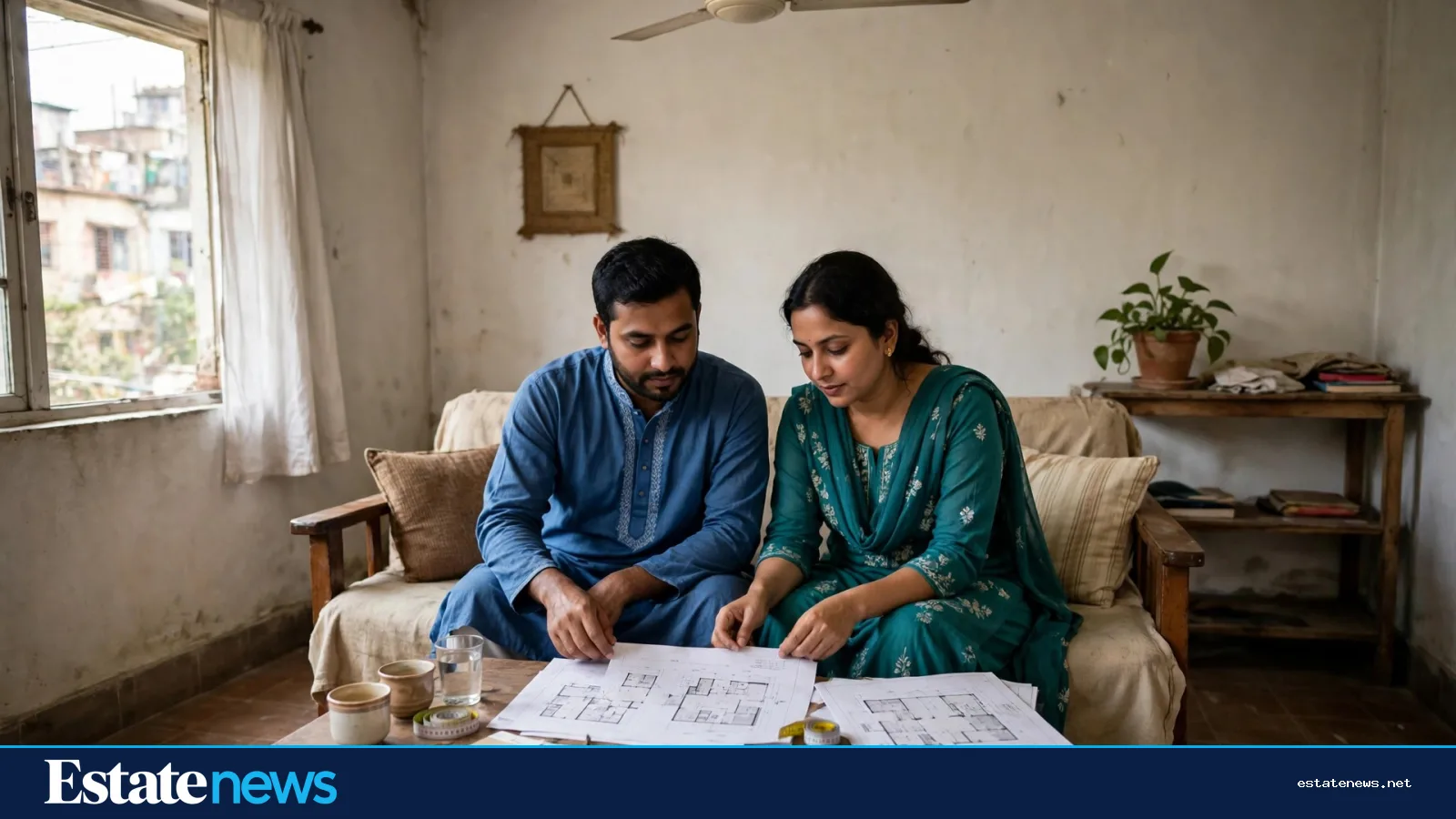
The room was full of bankers, and the governor had their attention. At the 5th Bangladesh Economic Summit 2026, held at the Pan Pacific Sonargaon in Dhaka on 14 November and organised by Bonik Barta, Bangladesh Bank Governor Md Mostakur Rahman set out a plan that sounds technical but lands close to home. More expatriate bonds. Easier rules for the money non-resident Bangladeshis send and invest. And bank targets for lending to small businesses and retail borrowers, the two groups that include most flat buyers and small builders.
The details, as the governor laid them out, start with Non-Resident Convertible accounts, known as NRC accounts. The central bank wants to promote them more actively, and to ease investment and maturity restrictions on three expatriate bond schemes. The aim is straightforward: make it simpler for Bangladeshis abroad to put money into instruments issued at home, and to get it back when the term ends. For a family in Dhaka or Chattogram waiting on money from a relative abroad, that plumbing matters more than any speech about it.
A banking system holding cash it does not lend

City Bank Managing Director Mashrur Arefin, speaking at the same summit, put a number on the oddity at the heart of Bangladeshi banking. Banks hold excess liquidity of about Tk 4.82 lakh crore, he said. Yet lending stays tight, rates stay high, and small borrowers complain that credit does not reach them. About Tk 1.87 lakh crore sits outside the formal banking system altogether, in cash and informal channels.
That gap is the governor's real problem. A central bank can set targets, but it cannot force a bank to lend to a borrower it considers risky, and it cannot force a saver to deposit cash it prefers to keep at home. The SME and retail lending targets are an attempt to close the gap from the top. Whether they work will show up in branch offices, not in summit halls: in how quickly a small builder gets a loan sanctioned, and in what rate a salaried buyer is actually offered.
The wider numbers the summit heard were firmer. Foreign exchange reserves stand at $30.12 billion on the BPM6 measure. Remittance rose 14.2 per cent between 1 July and 11 November, to nearly $13 billion. Exports grew about 6 per cent, with garments making up roughly 80.7 per cent of export earnings. Those figures describe an economy with foreign currency coming in. The question is whether that inflow reaches the housing market in the form of credit, or stays parked in bank vaults and government bonds.
What changes for a flat buyer
Start with the expatriate buyer, because that is where the bond changes bite first. A non-resident Bangladeshi who invests through the eased bond schemes, or holds money in an NRC account, has a clearer path to bringing funds home for a flat. Clearer does not mean instant. Maturity rules, documentation and the exchange rate on the day still shape what a buyer actually receives. But a simpler route means fewer families will need to move money through informal channels, and fewer deals will stall while a payment clears.


For the buyer inside Bangladesh, the SME and retail targets matter in a different way. A small builder who can borrow more easily can finish a project on time, and a finished project is what a buyer is actually paying for. A salaried buyer who can borrow at a better rate, or with less paperwork, can afford a flat that was just out of reach. Neither change will show up in a price list tomorrow. Both will show up, slowly, in how many projects get completed and how many buyers can close a deal.
There is a limit to what the governor can promise. Bangladesh Bank sets policy and targets. Commercial banks decide who gets a loan, at what rate, and against what security. A flat buyer should treat the summit as a direction, not a guarantee. The right move is the same as ever: compare home loan offers from more than one bank, read the full cost including fees, and check the repayment against a salary that leaves room for the rest of life.
The number to watch
If the plan works, the evidence will be ordinary and visible. More SME loans sanctioned. More retail loans, including home loans, disbursed. More expatriate money arriving through formal channels and showing up in remittance and bond figures. If those numbers do not move in the coming months, the summit will have been a speech, and buyers will be right to judge it as one.
For now, the governor has named the problem in public: money exists, but it does not reach the people who would build and buy homes with it. That is a useful thing for a central bank governor to say. The harder part, turning liquidity into loans, starts on Monday morning in the branches.
This article is informational only and is not financial advice. Home loan terms vary by bank and borrower, and buyers should compare offers before deciding.
Read more: Home-loan takeover at 8.99 per cent (https://estatenews.net/finance/home-loan-takeover-at-899-what-switching-banks-could-save-each-month) | How home loans actually work in Bangladesh (https://estatenews.net/finance/how-home-loans-actually-work-in-bangladesh-rates-tenure-fees-and-the-approval-checks-that-matter) | Bangladesh Bank's Tk 1,500 crore fund (https://estatenews.net/finance/bangladesh-banks-tk-1500-crore-fund-who-can-borrow-and-at-what-rate)