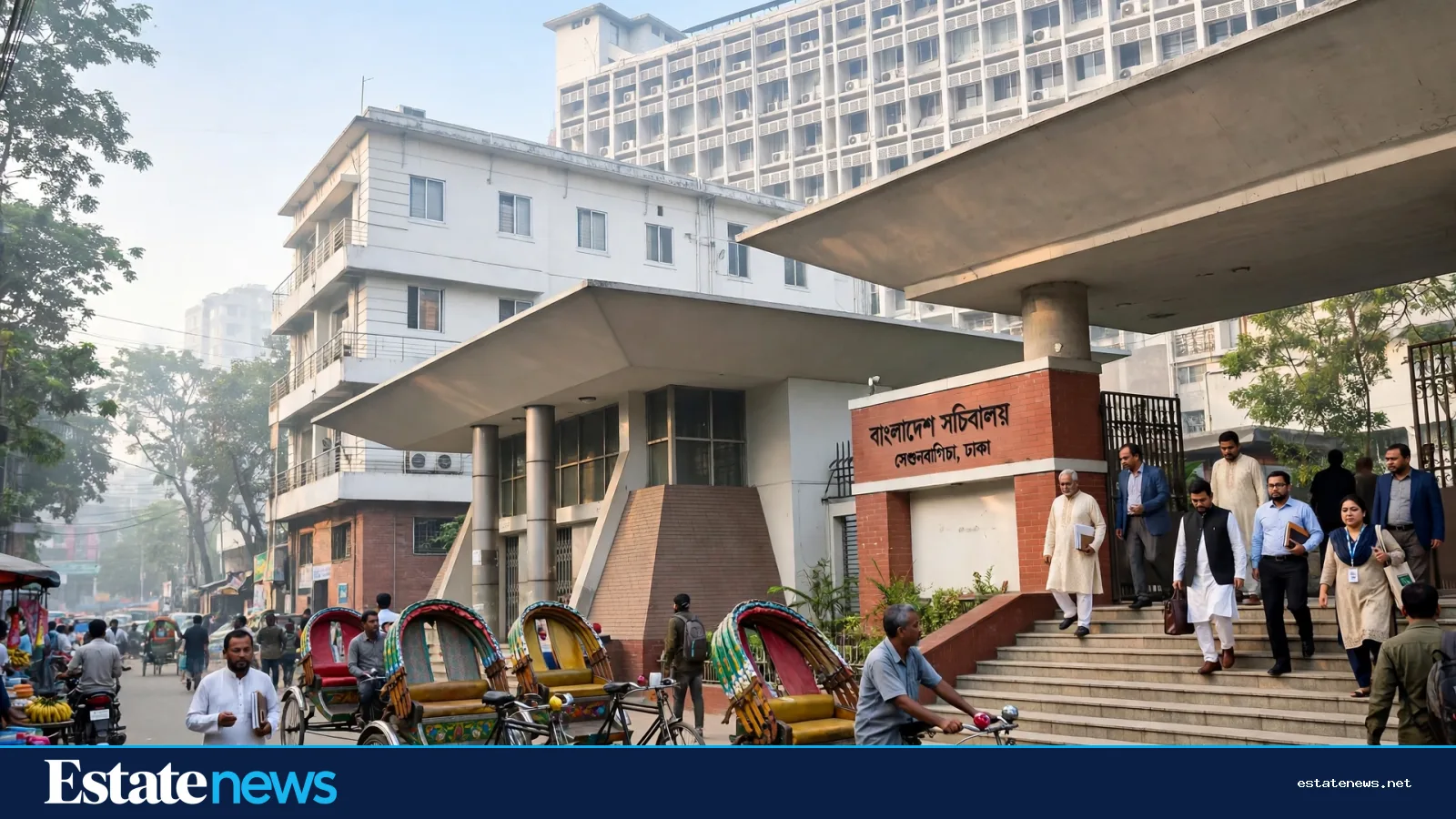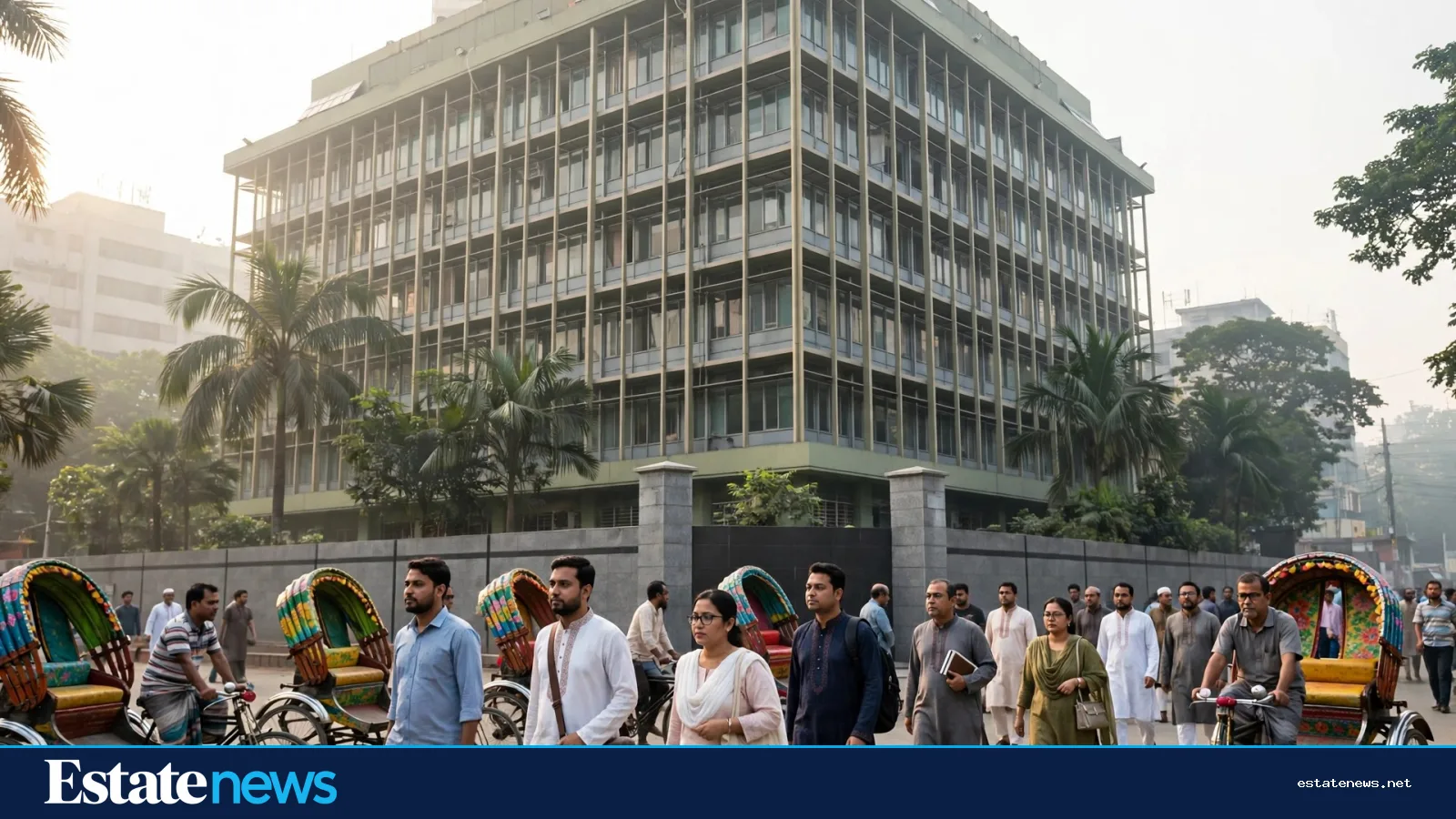
Bangladesh Bank now has a fund for fixing weak banks, and a first bank to fix. The central bank's board approved a separate Bank Resolution Fund of Tk 30,000–40,000 crore at its meeting on Tuesday 17 November, to pay for restructuring, rescue and, where necessary, the orderly winding down of troubled banks and financial institutions. Most of the money will be raised through bond issuance, banks and financial institutions will also contribute at specified rates, and a separate account will manage the fund.
The same board meeting, chaired by Governor Mostaqur Rahman, approved bringing Padma Bank under the resolution process. A merger, a restructuring or a liquidation will be decided, and the Bank Resolution Department will prepare a proposal for the next board meeting. An external audit and an asset-quality assessment will follow. Bangladesh Bank spokesperson Arief Hossain Khan confirmed the decision.
Padma Bank, first in line
Padma Bank's numbers explain why it is first. Around Tk 6,100 crore in deposits remains unpaid, and salary withdrawals are restricted for its 850 employees. The Business Standard reports that 92 percent of the bank's loans are classified as defaulted. Four state-owned banks and the Investment Corporation of Bangladesh had already put public money into the bank without restoring its health.
The pattern is not new to the central bank. Sammilito Islami Bank, formed from five merged banks and owned by the government, is the precedent the resolution process follows: weak banks folded together rather than left to fail one by one. The fund gives that process money of its own, instead of leaving each rescue to be arranged from scratch.
What a resolution fund changes


A bank that cannot pay its depositors is a problem that spreads. A saver who cannot get money back stops trusting the next bank. A business that borrowed from a weak bank finds its credit line frozen while the bank's future is argued over. The resolution fund is meant to break that sequence by giving the central bank a standing pool of money to restructure a bank quickly, before the damage travels.
Separate rules will be framed under the Bank Resolution Act, 2026, and the fund's design leaves the hardest questions for those rules: how much each bank contributes, who decides when a bank enters resolution, and what happens to the owners of a bank that is restructured. Those answers will matter more than the size of the fund. Tk 30,000–40,000 crore is a large number, but a fund is judged by how fast it moves, not by how big it looks on paper.
What it means for a depositor
For a depositor, the practical question is simple: is the money safe. A resolution fund does not insure every deposit by itself, and this article is not financial advice. What it does is give the central bank a tool it did not have in this form before, a way to step in, assess the assets, and decide between merger, restructuring and liquidation with money already set aside.
The home-loan market watches the same decisions. "The Sovereign Bond Plan: What a $1 Billion Debut Means for Home-Loan Rates" traced how the government's borrowing plans reach the rate a flat buyer pays, and "Home-Loan Rates in Bangladesh: The Same Loan Costs Very Different Amounts" showed how far apart those rates already sit between lenders. A banking system that can close or fix its weakest members is a system whose lending rates rest on firmer ground.
"Bangladesh Market Wrap 16 November: DSE's Sunday Rally, the Wage Board and the Debt Conference" covered the week the resolution fund was approved in, with the market, the wage board and the debt talks all moving at once. The fund is the quietest of those stories, and it may turn out to be the one that matters longest. A market rally lasts a week. A system for fixing weak banks, if it works, lasts for years.