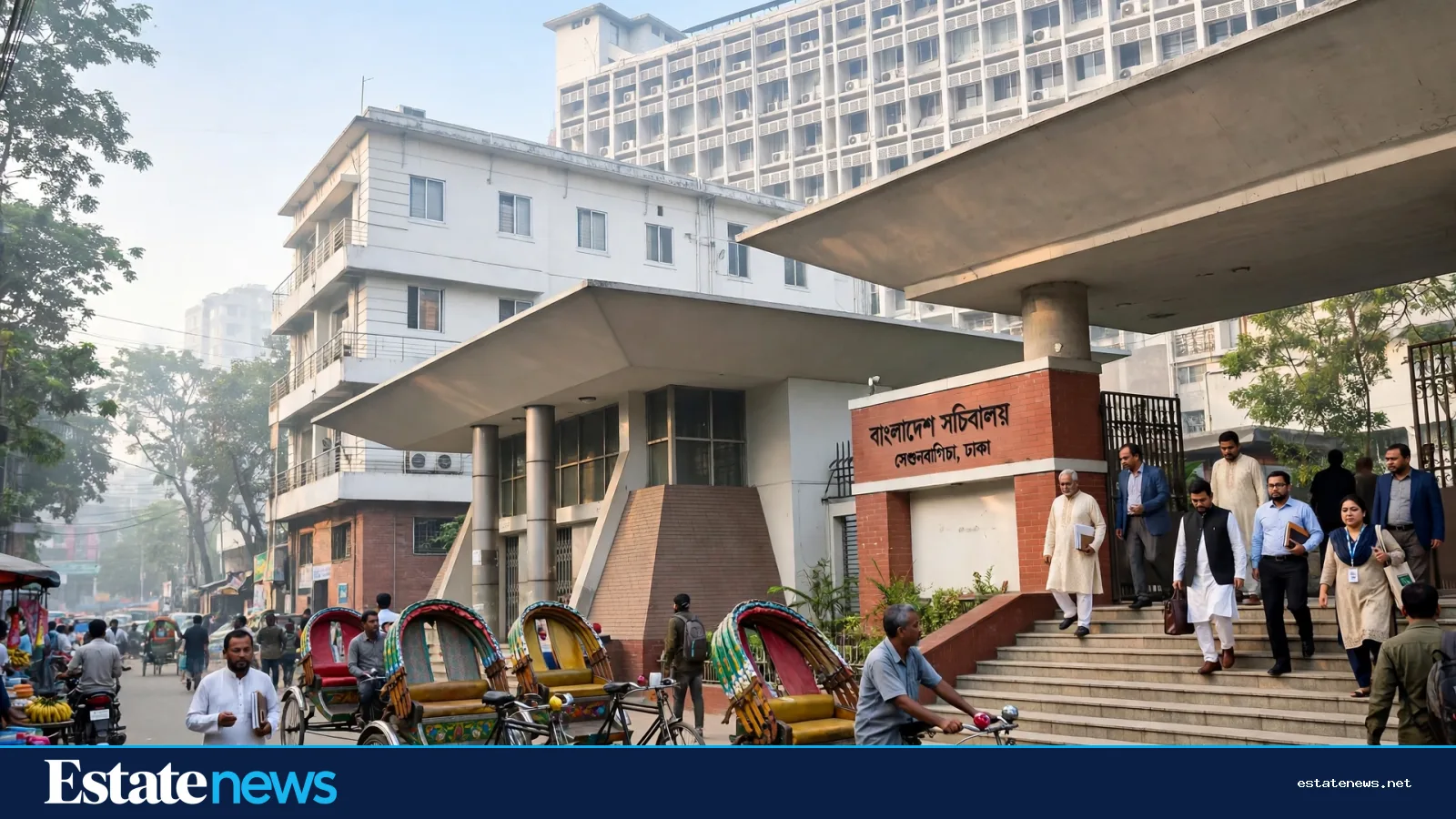
Sixteen development projects worth Tk 33,298.48 crore were cleared in a single sitting on Tuesday. The Executive Committee of the National Economic Council met at the Secretariat on 18 November, from 10:30 in the morning to 1:15 in the afternoon, chaired by Prime Minister and ECNEC Chairperson Tarique Rahman. Fourteen of the projects are new. Two are revisions of earlier approvals.
The money is almost entirely public. Tk 32,863.76 crore comes from the government, Tk 424.73 crore from project loans, and Tk 10 crore from the implementing agencies' own funds. Seven of the projects sit under Local Government, Rural Development and Cooperatives, four under Water Resources, one each under Agriculture, the Prime Minister's Office and Defence, and two under Road Transport and Bridges.
Dhaka gets one item of its own. Tk 993.64 crore will build sewage collection lines for the Dasherkandi Sewage Treatment Plant, from January 2027 to December 2029. Of that, Tk 983.64 crore is government money and Tk 10 crore comes from Dhaka WASA. The plant has been one of the capital's longest-running infrastructure stories, and the collection lines are the part that decides whether it actually serves the households it was built for.

Bridges first, then water
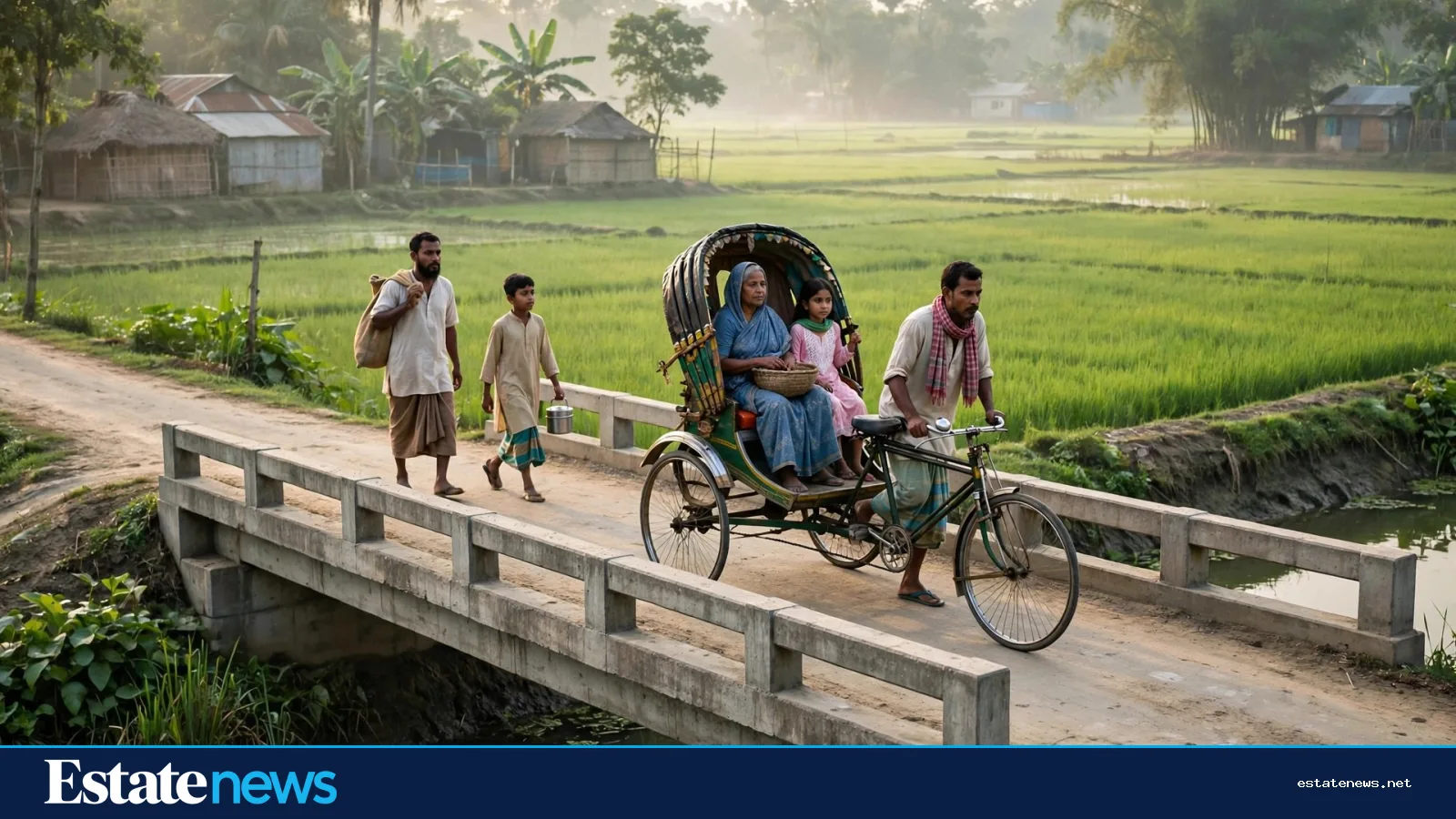
The largest single item is the bridge programme: Tk 8,888.38 crore for 256 long bridges on upazila, union and village roads, run by the Local Government Engineering Department from October 2026 to June 2031. The work covers 49,050 metres of bridges, 7,700 metres of protective works and 65.187 km of approach roads. Bogura gets the most, 24 bridges, then Narsingdi with 16 and Sylhet with 14.
The second largest item is water: Tk 6,922.10 crore for excavation and re-excavation of canals, small rivers and water bodies, for drainage and irrigation, running from October 2026 to June 2030. Taken together, the two items are the shape of the meeting: connect the villages, then drain the land they stand on.
Four projects land in one district


Joypurhat takes a notable share. Four projects worth Tk 3,344 crore are concentrated in the district, including the upgrade of the Mokamtala-Kalai-Joypurhat regional highway to four lanes with service lanes, at Tk 1,937 crore, running from November 2026 to June 2030. A district that rarely leads a project list leads this one.
Readers who saw a second figure in Tuesday's coverage should not be confused by it. The Business Standard also reported seven projects worth Tk 20,441 crore the same evening. That is the local-government subset of the same 16-project approval, not a different meeting. The two numbers describe the same sitting from different angles.
What this means for the towns between
A bridge programme on this scale changes daily life in small places before it changes anything else. A concrete bridge over a canal shortens the walk to school, the trip to the haat and the journey to the upazila health complex. It also changes where a family can build, and where a small trader can set up a shop. Estate News covered the same logic from the other end in "The Dhaka-Chattogram Expressway: What Faster Freight Means for the Towns Between", which followed a big road through the small towns it passes, and in "MRT Line-1: The Underground Metro Redrawing Dhaka's Map", which tracked how a metro line redraws the neighbourhoods around its stations.
The approval process itself has been moving faster. "Approvals in 14 Days: The Reform That Could Speed Up Building" looked at the push to cut the time a project spends waiting for a signature. Tuesday's meeting is the other half of that story: once the approvals move, the money has to follow, and the money has to reach the bridge in Bogura and the canal in the haor, not just the file in Dhaka.
No claim is made here about what any of this does to land or flat prices. A bridge makes a village easier to reach, and a sewerage line makes a neighbourhood easier to live in, and both are worth reporting on those terms alone. The projects run to 2030 and 2031, and the test will be visible in stages: the first bridge deck, the first canal dug, the first household connected to the Dasherkandi line. The meeting approved the money. The building is the part that takes the years.