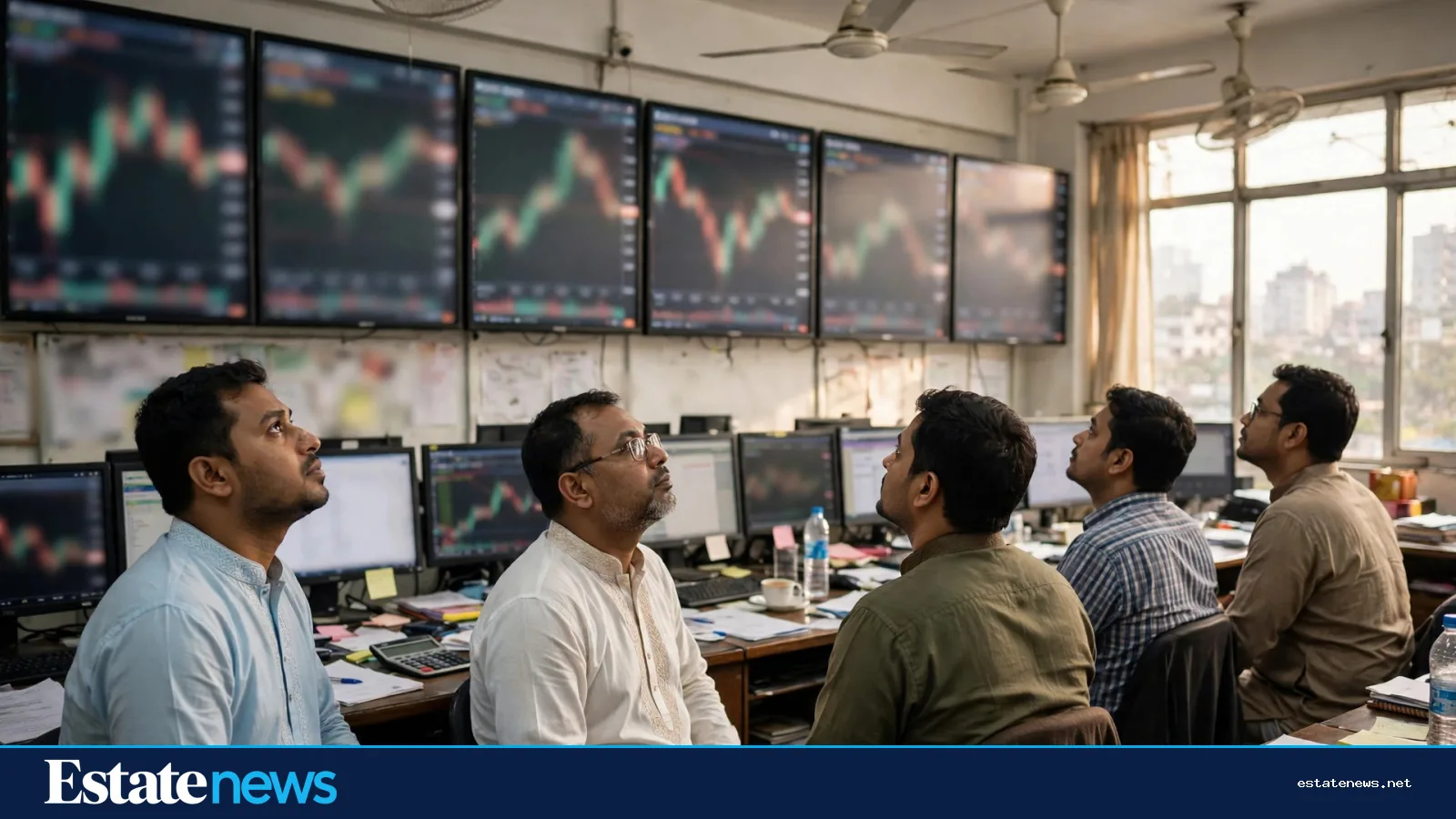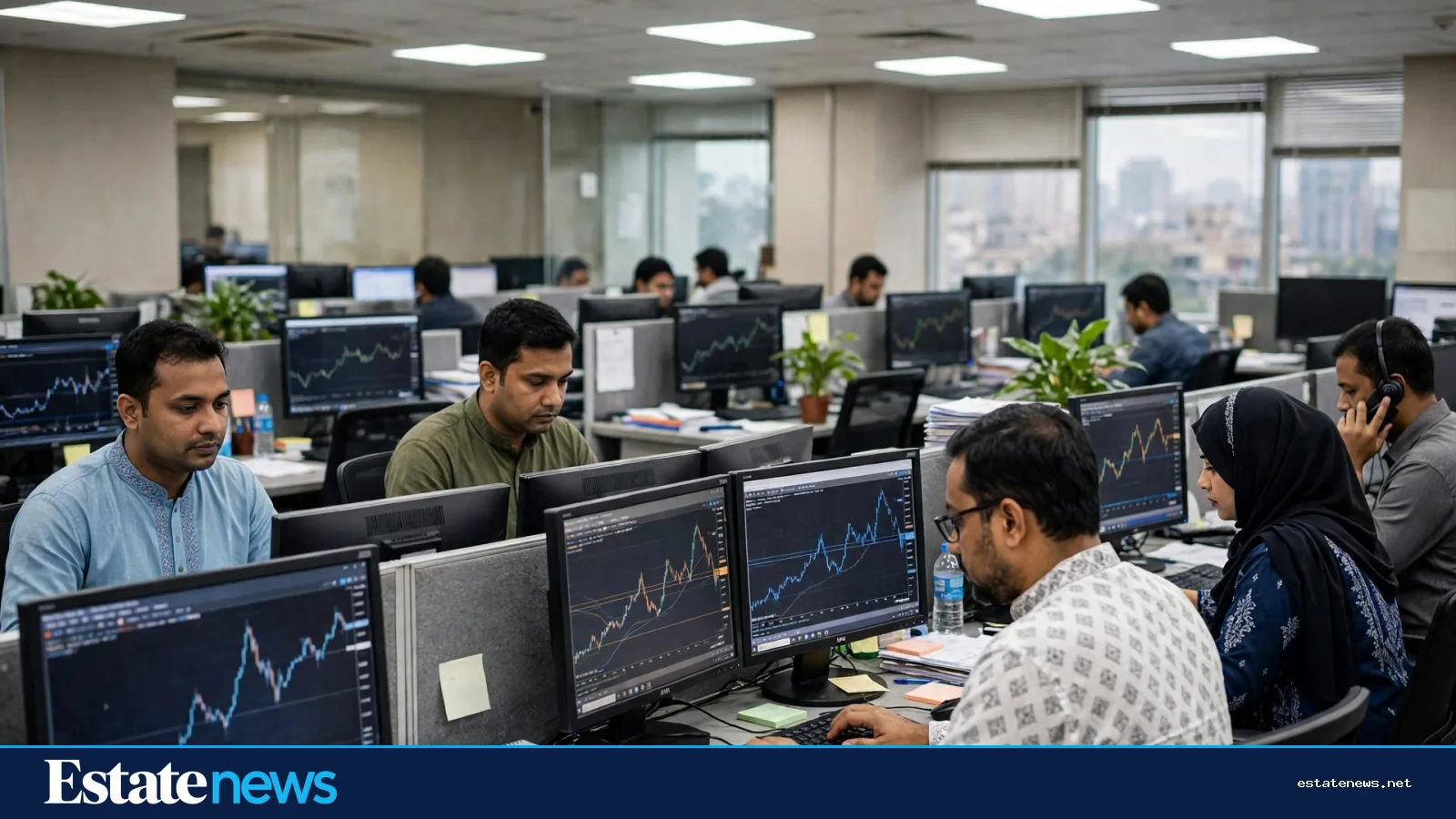
The Dhaka Stock Exchange had its busiest day in three months on Tuesday. The DSEX closed at 5,491, up 28 points on the day, and turnover reached Tk 939 crore, the highest since 18 August. It was the second strong session in a row, and the breadth of the buying was what caught the eye: 246 issues advanced against 75 that declined, with 46 unchanged.
The numbers come from the exchange's own published data, reported by The Business Standard. Turnover stood at Tk 9,390.72 million, up 18 percent from Monday's Tk 798.73 crore, on 233,290 trades and volume of 289.03 million shares. The DS30 index of blue-chip stocks rose 8 points to 2,083. The DSEX is now at its highest since 1 October, and it has rebounded 207 points, or 3.9 percent, from its low on 3 November, according to Prime Bank Securities.
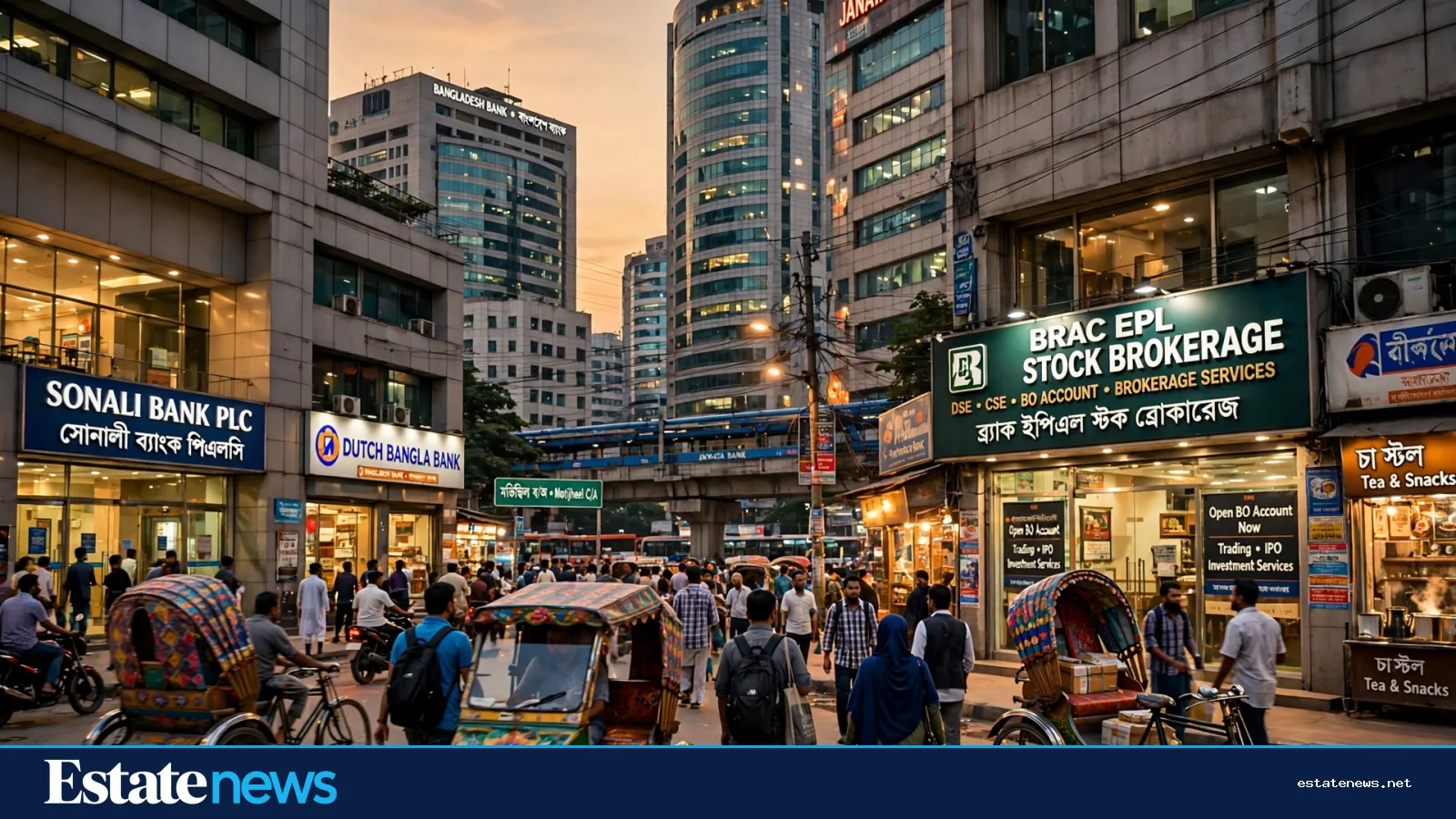
Banks led the move. Turnover in the banking sector jumped 49 percent to Tk 110.6 crore, and all seven of the private banks tracked by EBL Securities gained on the day. Most of the leading lenders now trade at three to four times trailing earnings, against a market price-to-earnings ratio of 8.2, which is part of why value buyers have been circling the sector.

Islami Bank was the day's story. The stock rose 9.72 percent, taking its two-day gain to 20.5 percent, after the government proposed a Tk 6,000 crore equity injection into the bank. The plan would issue 600 crore new shares at a Tk 10 face value, lifting paid-up capital from Tk 1,609.99 crore to Tk 7,609.99 crore and taking the government stake to as much as 78.8 percent. Traders read the injection as a backstop for the bank's balance sheet, and the buying spread from Islami Bank across the sector.
Retail investors did most of the buying. They accounted for 85.5 percent of the day's turnover, and their net purchases came to Tk 112.6 crore. Foreign investors went the other way, selling a net Tk 16.3 crore on the day and a net Tk 64.3 crore over the last five sessions. The split is familiar by now: local money is driving the market, and foreign funds are still waiting on the sidelines.
Textiles took the largest share of turnover at 18.1 percent, followed by fuel and power at 13.7 percent and pharmaceuticals at 13.2 percent. Square Pharmaceuticals topped the turnover chart. Chattogram moved the same way: the CSCX rose 29 points to 9,043 and the CASPI gained 48 points to 14,698.


What a broader market means for property
A stock rally does not build a flat. But it changes the mood in which people make big decisions, and property is the biggest decision most Dhaka families make. When the market rises for two days running, with banks leading and retail investors doing the buying, households feel a little richer and a little readier to commit. Developers watch the same screens, because a confident buyer is the difference between a booking and a polite deferral.
There is a limit to what one week can prove. The DSEX is still well below the levels it held earlier in the year, and foreign investors are still net sellers. The Islami Bank injection is a proposal, not a done deal, and the bank's turnaround will take quarters, not days. What Tuesday showed is narrower than a recovery and wider than a blip: the market's own money is coming back, and it is spreading beyond a single stock.
Estate News covered the start of this run in "Islami Bank Carries the DSEX as Turnover Hits a Two-Month High", which tracked the first day of the rally, and the week's wider picture sits in "Bangladesh Market Wrap 16 November: DSE's Sunday Rally, the Wage Board and the Debt Conference". Readers weighing a property decision against a market decision can also read "Gold, Deposits or a Flat: Where a Lakh Goes in 2026", which sets the three choices side by side with the numbers as they stand.
The test now is whether turnover holds above Tk 900 crore for a second week. A single busy day can be a burst of bargain hunting. A fortnight of it is a market with buyers who intend to stay. The next few sessions will tell which one Tuesday was.
This is market reporting, not investment advice. Share prices move on news that can change overnight, and a flat is a far larger and slower commitment than a share.