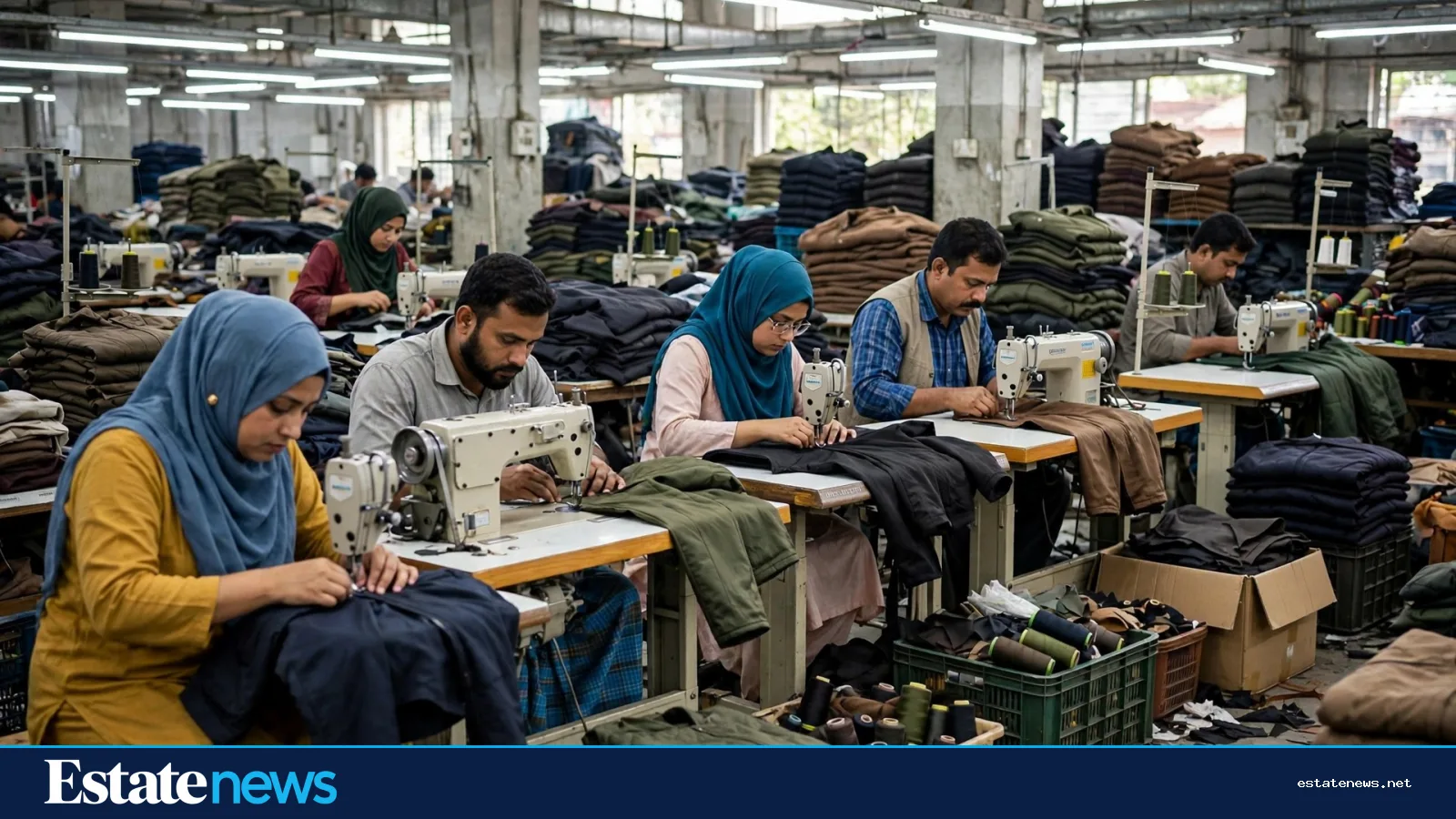
A Singapore-China-owned firm will put $6 million into a high-end garment factory inside Chattogram Export Processing Zone, and it will do it on ground that already has a history. Joyful (Bangladesh) Garment Company Ltd signed a land-lease agreement with the Bangladesh Export Processing Zones Authority on 18 November at the BEPZA Complex in Dhaka. BEPZA Member (Engineering) Abdullah Al Mamun signed for the authority, and Joyful Managing Director Han Junxiao signed for the company.
The factory will stand on the former premises of Siam's Superior Ltd, one of Chattogram EPZ's earliest enterprises, which shut down in August 2024. Joyful bought the assets as the highest bidder in an open auction, with approval from the Prime Minister's Office, and will renovate the existing facilities across three plots before putting in the fresh $6 million. Production is targeted by March 2027.
Jackets, not basics

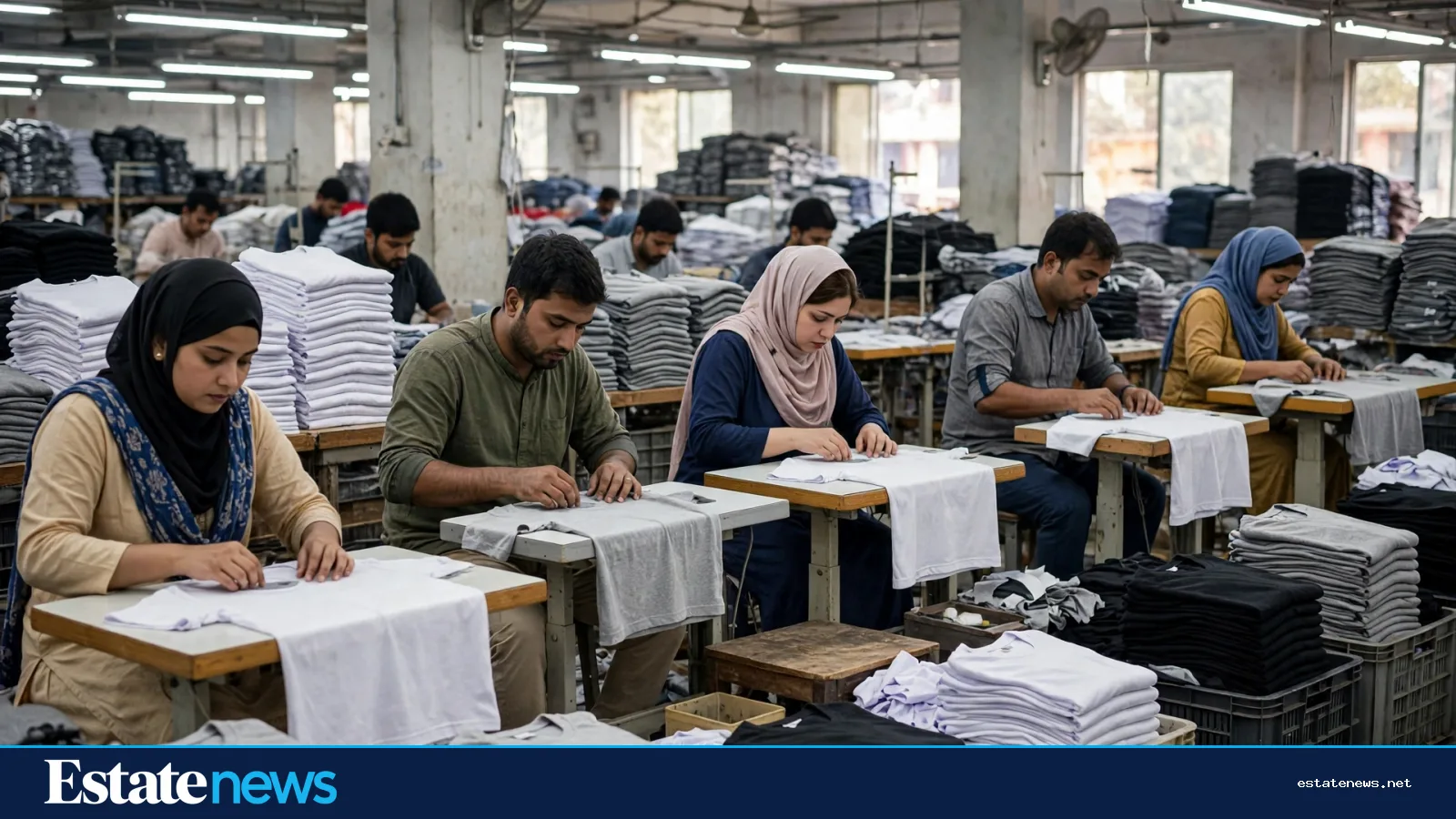
What Joyful plans to make is the point of the story. The factory will produce 2.5 million high-end garments a year: hunting suits, technical and waterproof performance outerwear, windbreakers, combat jackets, trench coats, overcoats, padded, down, denim, casual, ski and cotton jackets, puffer parkas and fur outerwear. The buyers are in the EU, the UK, the US, Japan, Canada, Australia, Mexico and South Africa. The factory will employ 2,230 Bangladeshi workers, according to BEPZA.
That list is a deliberate step away from the basics. Estate News reported on 18 November in "Bangladesh Sold More Basics: The Export Mix That Worries" that basics made up 96.6 percent of the growth in exports between July and October. A factory that makes a technical waterproof jacket instead of another plain shirt is the other direction of travel, and it is the direction the export numbers need if the country is to earn more from each worker it employs.


An old plot, a new use
The choice of site carries its own meaning. Siam's Superior was among the first firms in the zone, and its closure in 2024 left a working factory empty. Joyful's arrival fills it again, without waiting for a new building to rise from bare ground. The renovation across three plots reuses what stands there, and the March 2027 production target is reachable because the walls and the floors already exist.
Chattogram EPZ has long been the place where Bangladesh's garment story meets the sea. The zone's factories sew for the world, and its workers live in the neighbourhoods around it. "Footwear Exports Rise 9% as Bangladesh Finds New Buyers Beyond Garments" followed a different corner of the same shift, with shoe factories finding buyers outside the garment trade's usual circle. Joyful belongs in the same pattern: a new investor, a higher-value product, and a workforce hired in the port city rather than flown in.
For the families around the zone, the number that matters is 2,230. That is 2,230 jobs in a factory making jackets for eight markets, on a site that stood empty for two years. The premium end of the garment trade has always been the hardest to enter, because the buyer checks the stitching, the waterproofing and the finish in ways a basic shirt never faces. A factory that passes those checks earns the right to charge more, and the workers who learn to make those jackets carry the skill with them.
The announcement came through BEPZA's own release, carried by The Business Standard, The Financial Express and UNB on 18 November. The company's claims in this article are reported as claims, in the company's words and BEPZA's. The factory is not yet running, and the March 2027 date is a target, not a fact. What is a fact is the signature, the $6 million, and the empty factory that is about to be full again. "Khulshi Hills: The Port City's Premium Pocket, Flat by Flat" looked at the neighbourhoods where Chattogram's better-paid workers are buying homes. If Joyful's jackets sell the way the company expects, more of those workers will be able to afford one.