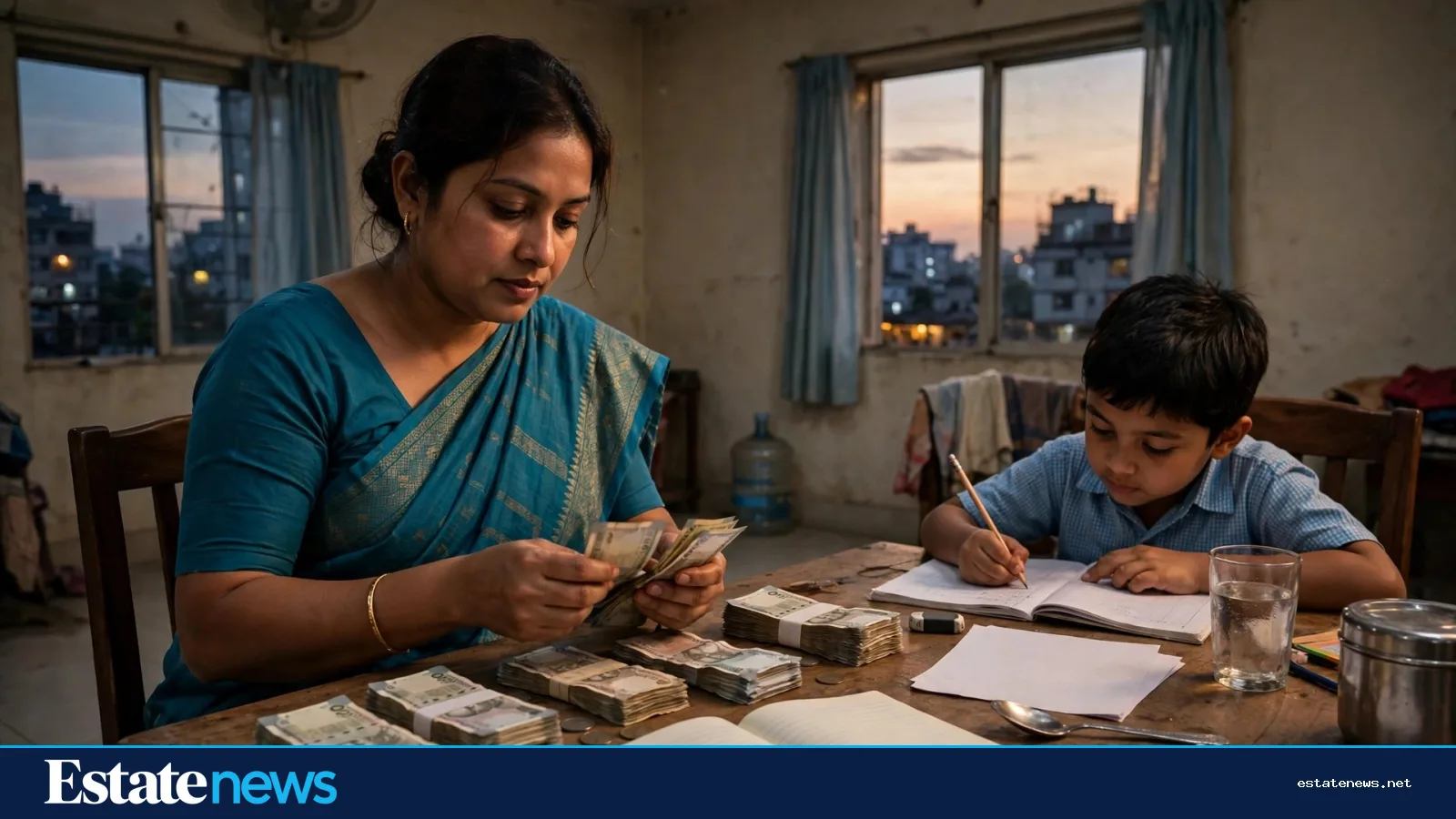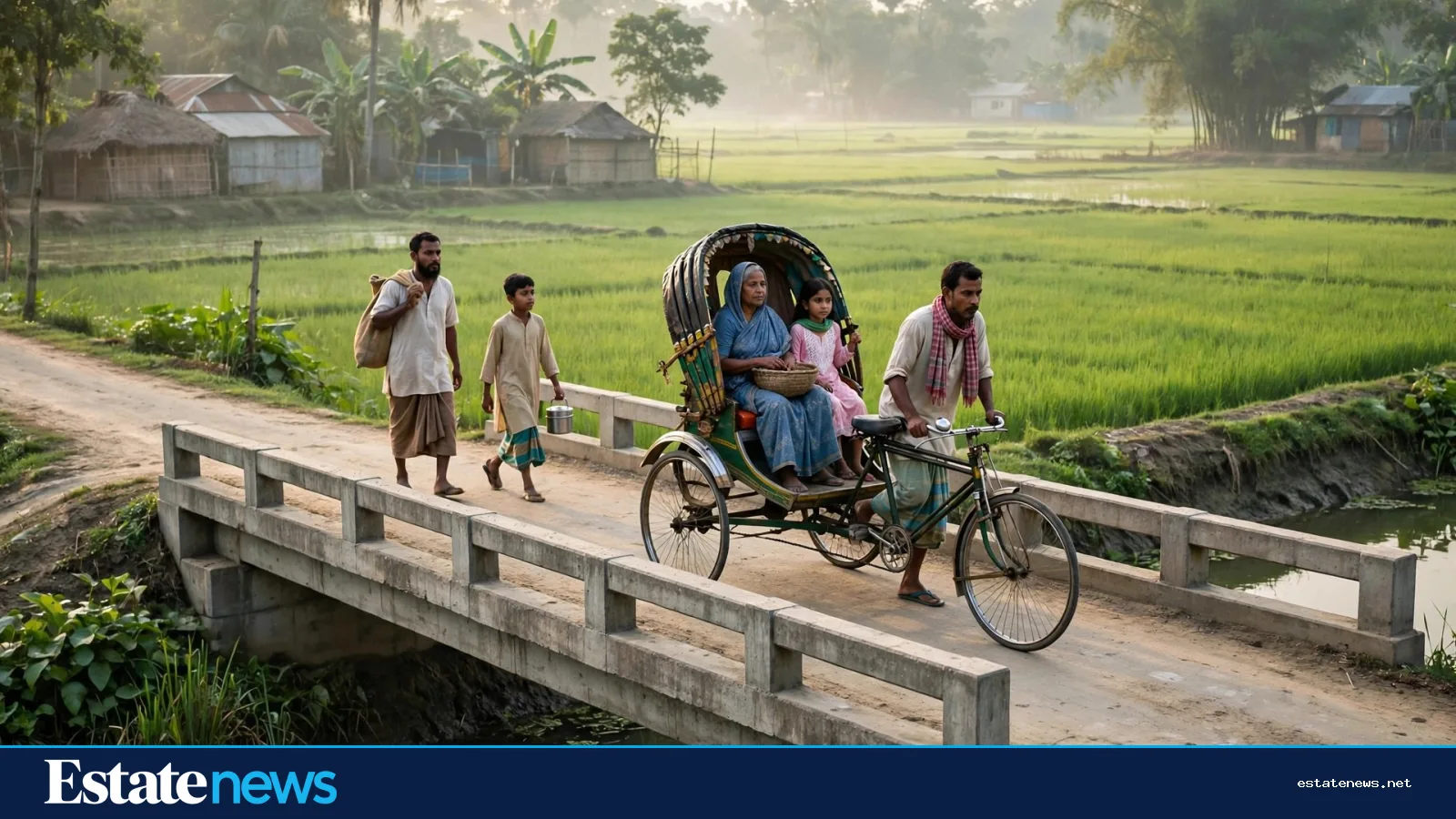
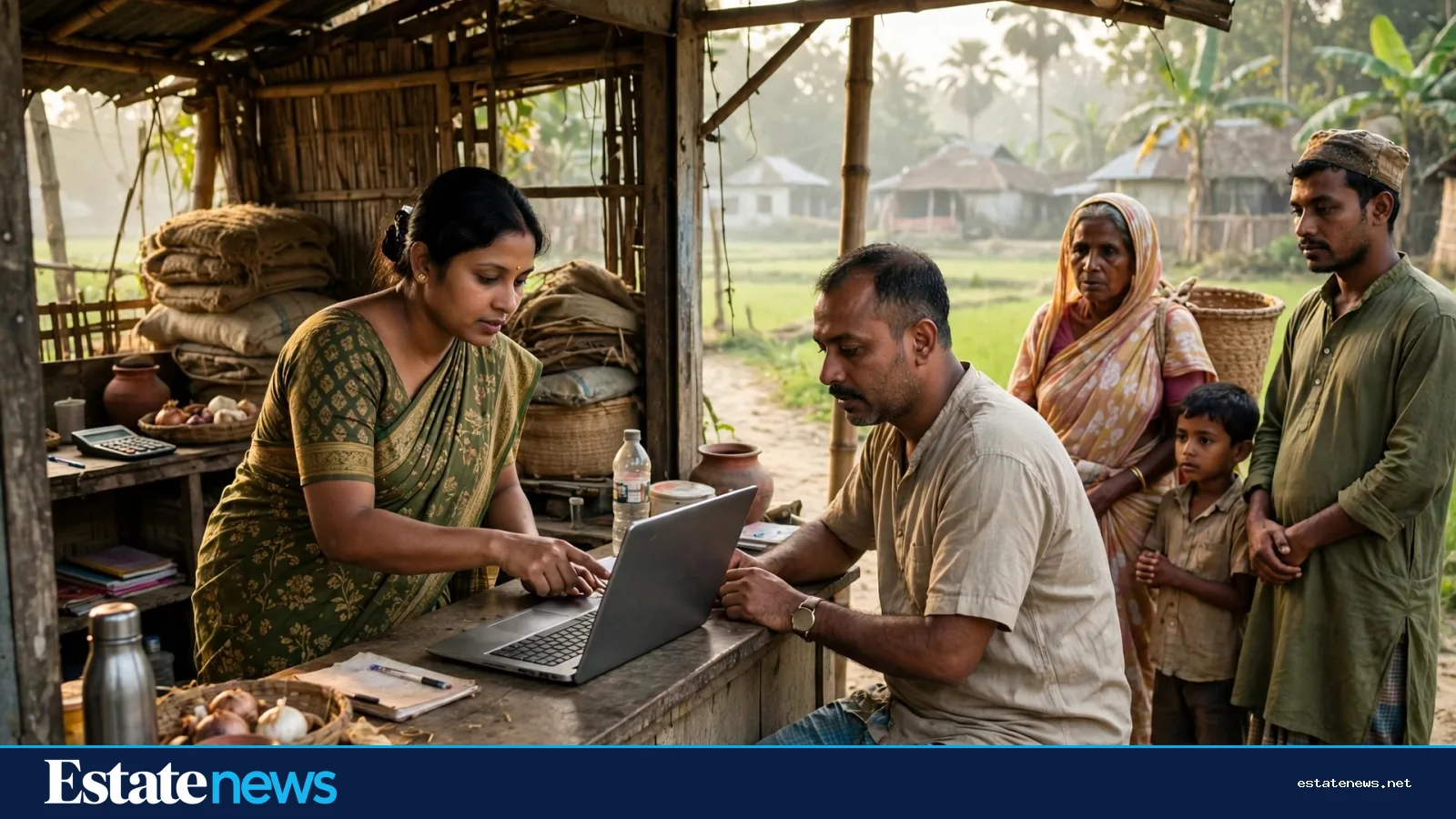
The shop is barely bigger than a tea stall. A counter, a laptop, a ledger, and a woman in a sari who knows every customer by name. Money comes in here in small amounts, a few thousand taka after a harvest sale or a remittance payout, and it stays in the banking system because the nearest branch is an hour away by bus. This is agent banking, and it has quietly become the channel through which rural Bangladesh saves.
Bangladesh Bank's quarterly report on agent banking shows how far that channel has come. Of 27.8 million agent-banking accounts by September 2026, around 13.8 million belonged to women. That is nearly half of all accounts. Women's accounts grew 1.91 percent in the July to September quarter, outpacing accounts held by men. The figures come from the central bank's own count, and they mark a shift that branch banking never managed on its own.
The money in these accounts is overwhelmingly rural. Customers outside the cities held Tk 43,152 crore of the Tk 53,108 crore in total agent-banking deposits at the end of September 2026, or 81.26 percent. Thirty banks ran the network through 20,681 outlets and 15,507 agents. For a saver in a village with no branch, the agent at the bazaar is the bank.
The deposits are rural, the credit is not
Here the numbers turn less comfortable. Rural customers put in four-fifths of the deposits but received only 64.09 percent of the loans. The gap is the story behind the headline. Savings have travelled further into the countryside than credit has, and the channel that collects a village's money does not yet return the same share of it as loans to that village.
The same pattern shows up in who holds the money. Women held 37.01 percent of agent-banking deposits, against 57.18 percent held by men, even though women hold nearly half the accounts. Their balances run smaller. Female-owned outlets numbered 2,244, or 10.85 percent of all outlets, and collected Tk 4,822 crore, or 9.08 percent of deposits. Women are opening accounts faster than they are opening outlets, and faster than their deposits are growing.
None of this is a surprise to anyone who has watched financial inclusion in Bangladesh. The central bank's Financial Inclusion Report for 2025, reported in November, found 35.5 percent of adults still had no formal account at the end of 2025. Exclusion ran at 39.1 percent for women against 30.5 percent for men. Women held only 2.51 million of 13.5 million bank loan accounts, or 18.6 percent, and received Tk 5,284 crore of Tk 70,171 crore in CMSME loans, or 7.5 percent. Agent banking has narrowed the account gap. The credit gap is still wide open.
What the account itself changes


An account is not a loan, and it would be wrong to pretend otherwise. What it does change is smaller and more practical. A woman who can keep savings in her own name does not have to carry cash home from the market. A family that receives money through an agent has a record of it. A saver who can show a bank balance has the start of a financial history, the thing a lender asks for first.
That is why the same day's survey numbers matter here. Estate News reported in "বিনিয়োগের জ্ঞান নেই ৭০% নারীর: সমীক্ষা যা বলছে" that around 70 percent of women have no knowledge of investment diversification, against 59 percent of men. The account is the first step. Knowing what to do with the money inside it is the second, and the survey suggests the second step is where the work now sits.
The credit side will take longer. Lending to a rural saver means judging a household whose income comes in seasons, not salaries, and whose collateral is often land in a family name rather than a salary slip. Banks have been slow to build that judgement into agent banking, and the 64.09 percent loan share shows it. Closing the gap means lending products designed for the people who already save through the channel, not products designed for branch customers and pasted onto it.
The outlet as a business
There is a quieter number in the report that deserves attention. The 2,244 women-owned outlets are businesses in their own right, run by women who earn from the transactions they handle. Each one is a small enterprise in a village where formal work for women is scarce. Growing that number would do two things at once: put more agents where women savers feel comfortable walking in, and put more income in the hands of the women running them.
Estate News has followed the same thread from the other end. "প্রবাসী বন্ড আর এসএমই ঋণ: বাংলাদেশ ব্যাংকের নতুন উদ্যোগে ফ্ল্যাট ক্রেতার কী লাভ" looked at how the central bank is trying to bring expatriate money and small-business credit into the same frame, and "অবসরের পর ফ্ল্যাটের ভাড়া: আয়ের পরিকল্পনা যেভাবে সাজাবেন" took up the question of what a household does with savings once they exist. Agent banking is the ground floor of both stories: the account has to exist before the investment or the retirement plan can.
For a household, the practical point is simple. If there is an agent outlet in the bazaar, opening an account in the woman's name costs little and changes the shape of the family's money. It keeps savings separate from daily cash, it creates a record, and it puts the family inside the system that the central bank is now measuring. The deposits are already there. The next test is whether the credit follows them home.