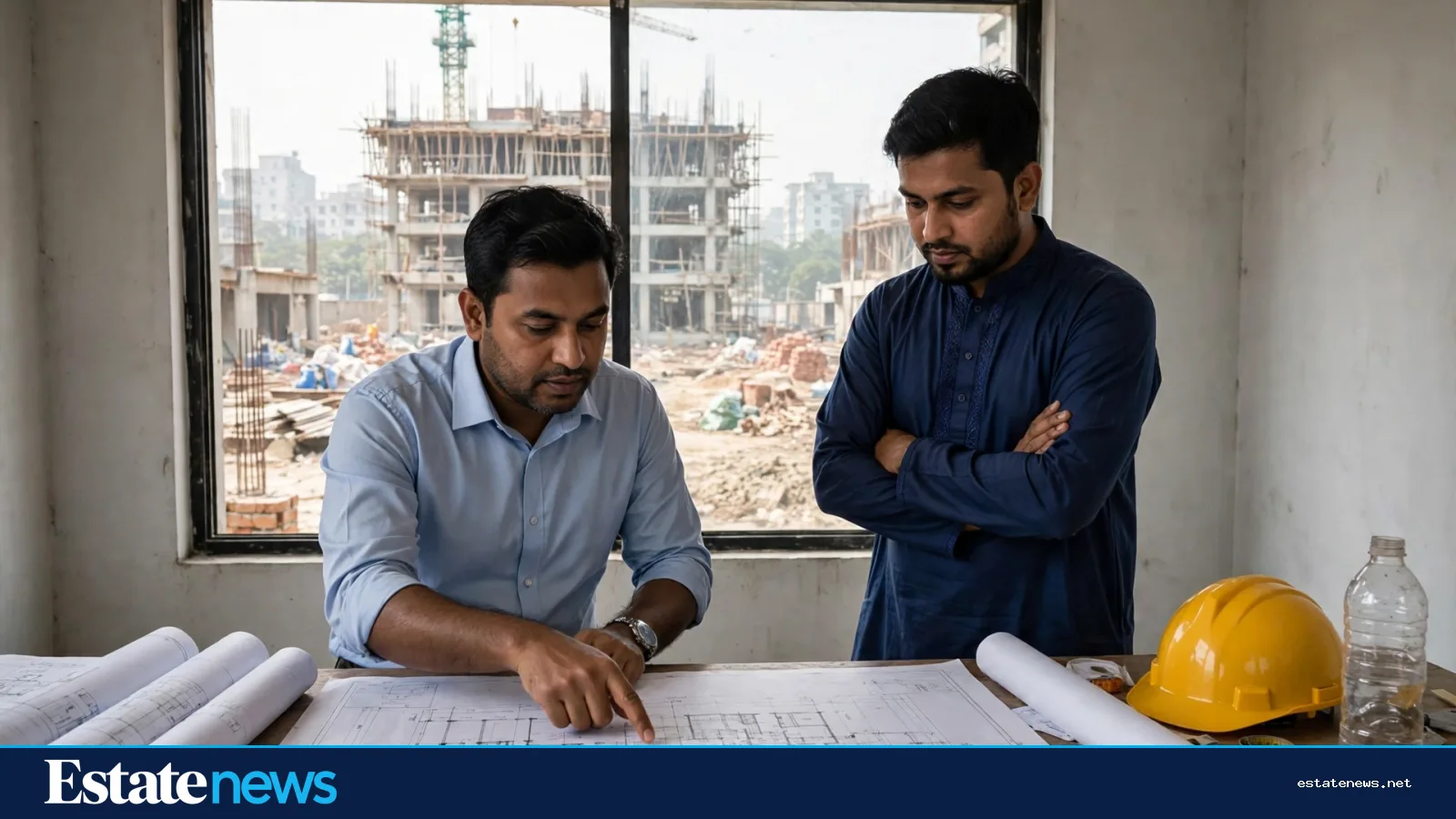
Dhaka is about to go underground. The city's first underground metro line, MRT Line-1, has moved from drawings to contracts, with two tunnelling packages worth nearly $1.5 billion awarded in the past year. The line will run from the airport to Kamalapur, with an elevated branch to Purbachal, and it will change how the neighbourhoods along its route are reached, used and valued. No other single project in the capital is this big, this expensive or this close to the daily lives of so many families.
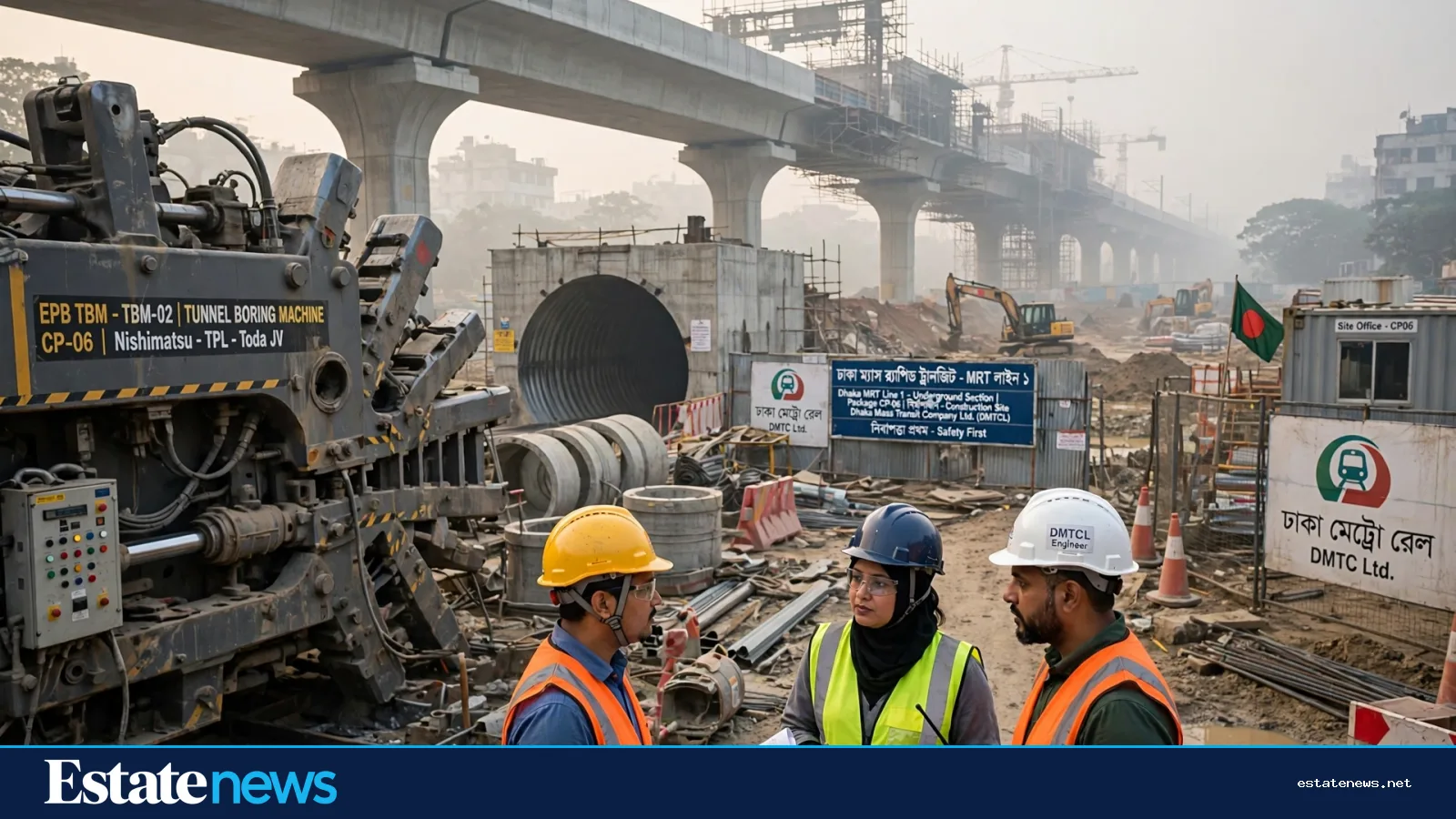
The contracts tell the scale of the work. Package CP-06, for tunnelling and station work on the underground section, is worth about $653 million. Package CP-04, for the elevated section and depot works, is worth about $843 million. The work is being carried out by joint ventures that include Japan's Nishimatsu Construction, with the Dhaka Mass Transit Company Limited overseeing the project. The line is 31.24 kilometres long in total: 19.87 kilometres underground and 11.37 kilometres elevated. Nineteen stations are planned, twelve of them underground.
The underground stretch runs from the airport through Khilkhet, Rampura and Malibagh to Kamalapur, the city's main railway station. The elevated branch runs from Natun Bazar to Purbachal, the planned new town on the city's north-east edge. Kamalapur matters more than it first looks: it is where the metro will meet the railway, and where the city's planned multimodal hub will let a commuter step off a train and onto the metro. A neighbourhood that sits on two networks is worth more to a buyer than one that sits on one.

What the line means for the neighbourhoods it serves
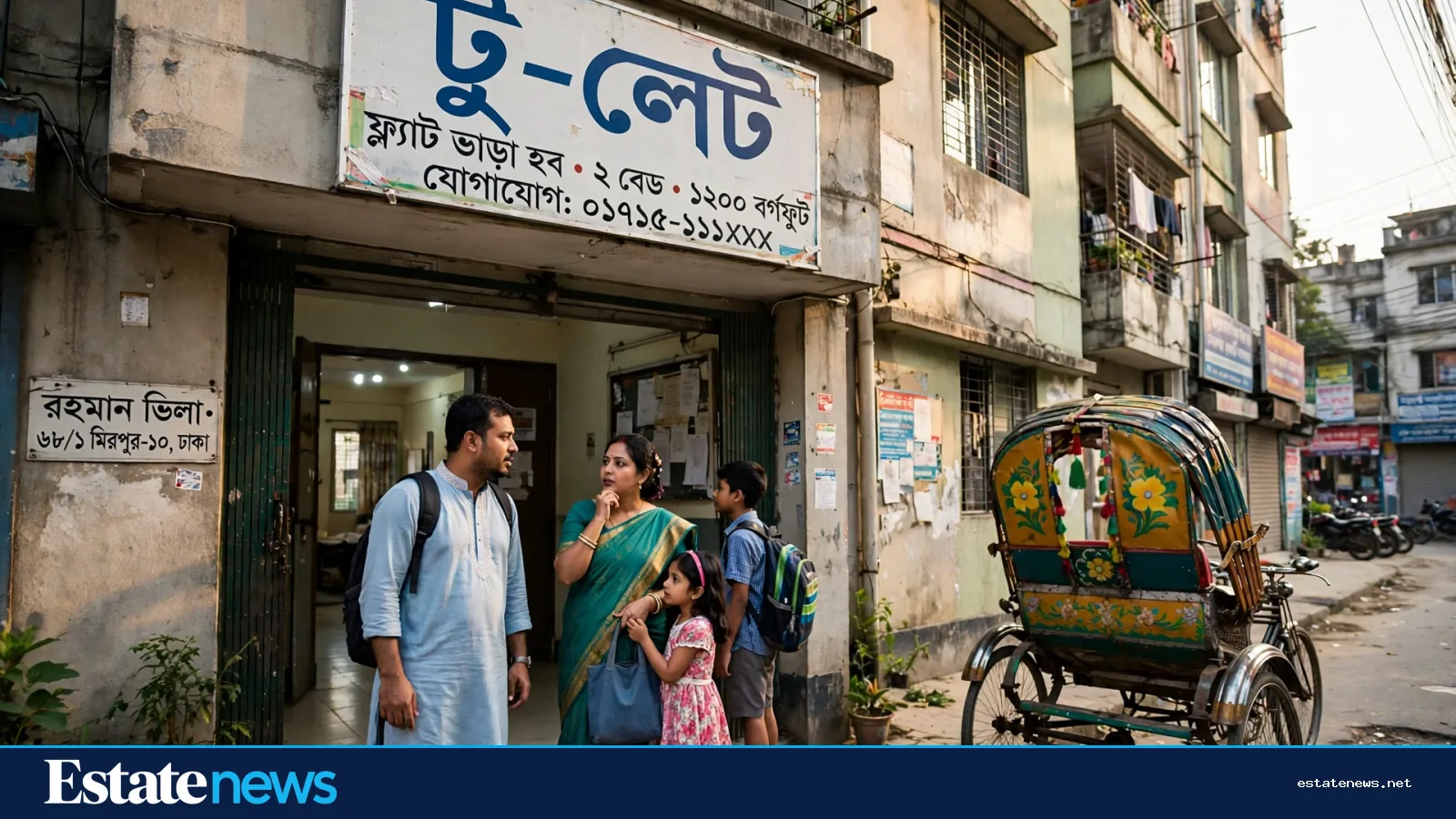
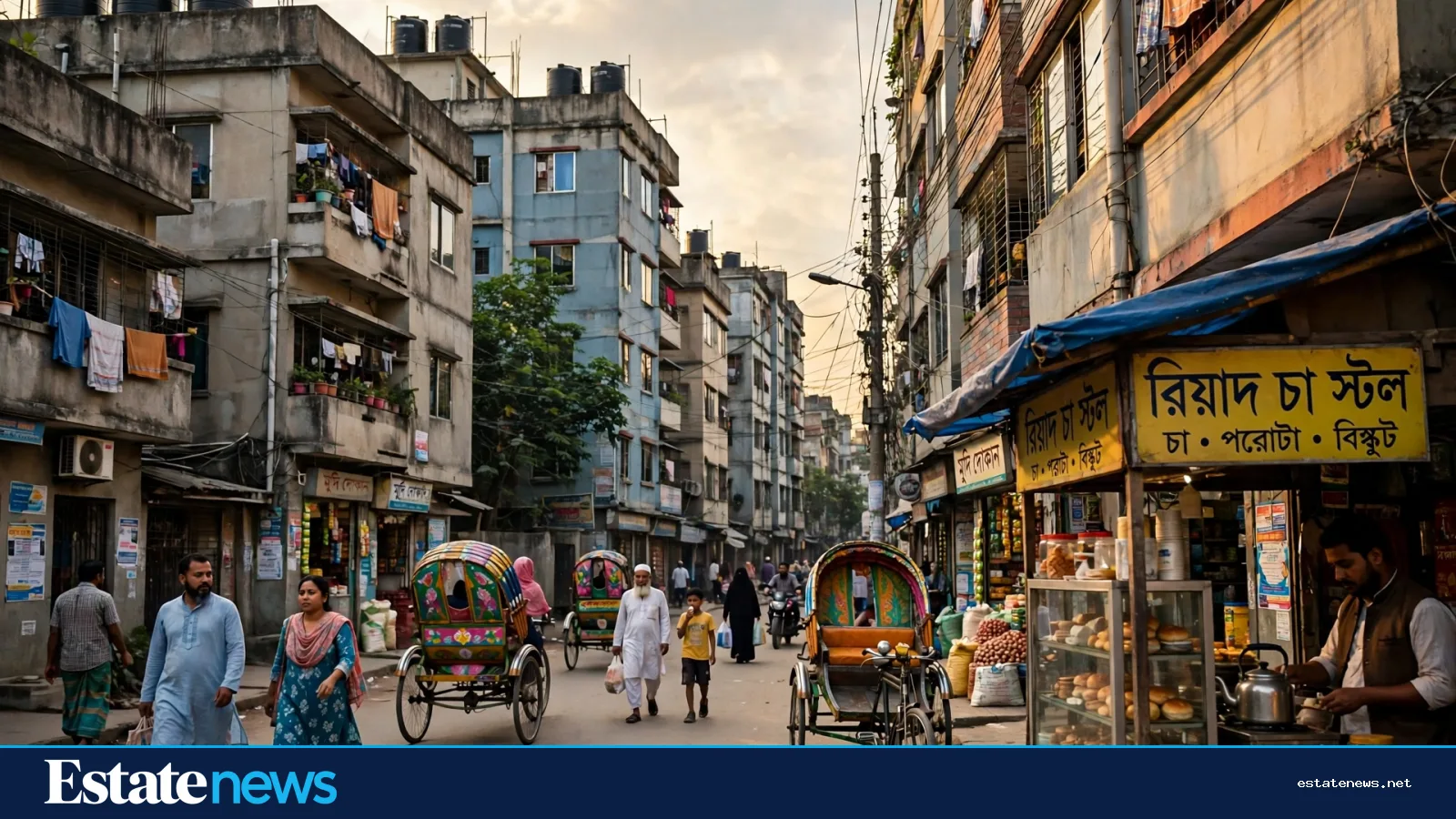
A metro station changes a neighbourhood slowly, then all at once. The first change is the commute. A family in Khilkhet or Rampura that can reach Kamalapur or the airport by metro no longer needs to budget an hour for a bus that may or may not come. The second change is the street itself. Shops, clinics and schools cluster around stations, because that is where the people are. The third change is the one buyers watch: the price of a flat near a station starts to move before the trains do.
This piece makes no claim about how much prices will rise, and it should not. No credible study yet puts a number on what MRT Line-1 will do to flat prices in the neighbourhoods it serves, and the route has been revised before. What can be said is what the evidence shows elsewhere: in cities where a metro opens, flats near stations sell more easily and hold their value better than flats far from one, because buyers pay for a commute they can count on. A buyer choosing between two similar flats should weigh the station the way they weigh the school and the hospital: as a fact about daily life, not as a bet on the price.


The work under the city
Building a metro under Dhaka is not like building one anywhere else. The ground is soft, the water table is high, and the city above never stops moving. The tunnelling machines have to pass under roads, drains and buildings that were never designed with a tunnel in mind. Dhaka Mass Transit Company Limited has said the line will carry about 800,000 passengers a day when it opens, and the government has put the overall project cost at about Tk 53,000 crore, with the bulk of the funding coming from Japanese development loans. The opening date has been revised more than once, and the current target is 2030.
For the neighbourhoods on the route, the construction years are the hard part. Roads narrow, dust rises, and shops lose passing trade. The same streets will look very different when the stations open. Estate News covered the metro's effect on neighbourhoods in "Dhaka's Metro Has Changed How the City Moves. What It Has Not Yet Proved Is What It Does to Neighbourhoods", and the guide to choosing an area in Dhaka, "How Dhaka Families Actually Choose an Area: Schools, Hospitals, Parks, Commutes, Drainage and Safety", sets out the factors a buyer should weigh alongside a station. The elevated section to Purbachal is covered in "Purbachal Plots or Dhaka Flats: Land Versus Apartment, and the Choice Behind It".
A line to watch, not a line to bet on
The underground metro is the largest single infrastructure project Dhaka has ever attempted, and it will shape the city's housing map for a generation. The families who live along the airport to Kamalapur corridor will feel it first, in the construction years and then in the commute. A buyer looking at a flat near a planned station should check two things: how far the flat really is from the station entrance, and how certain the station's location is. A station on a map is not a station on a street, and the difference matters more than the brochure admits.
The line will not open tomorrow. But the corridor is already being redrawn on the ground, and the neighbourhoods along it are already changing. The metro is coming under the city. The question for buyers is not whether it will matter, but how much of the change is already priced into the flats they are looking at today.