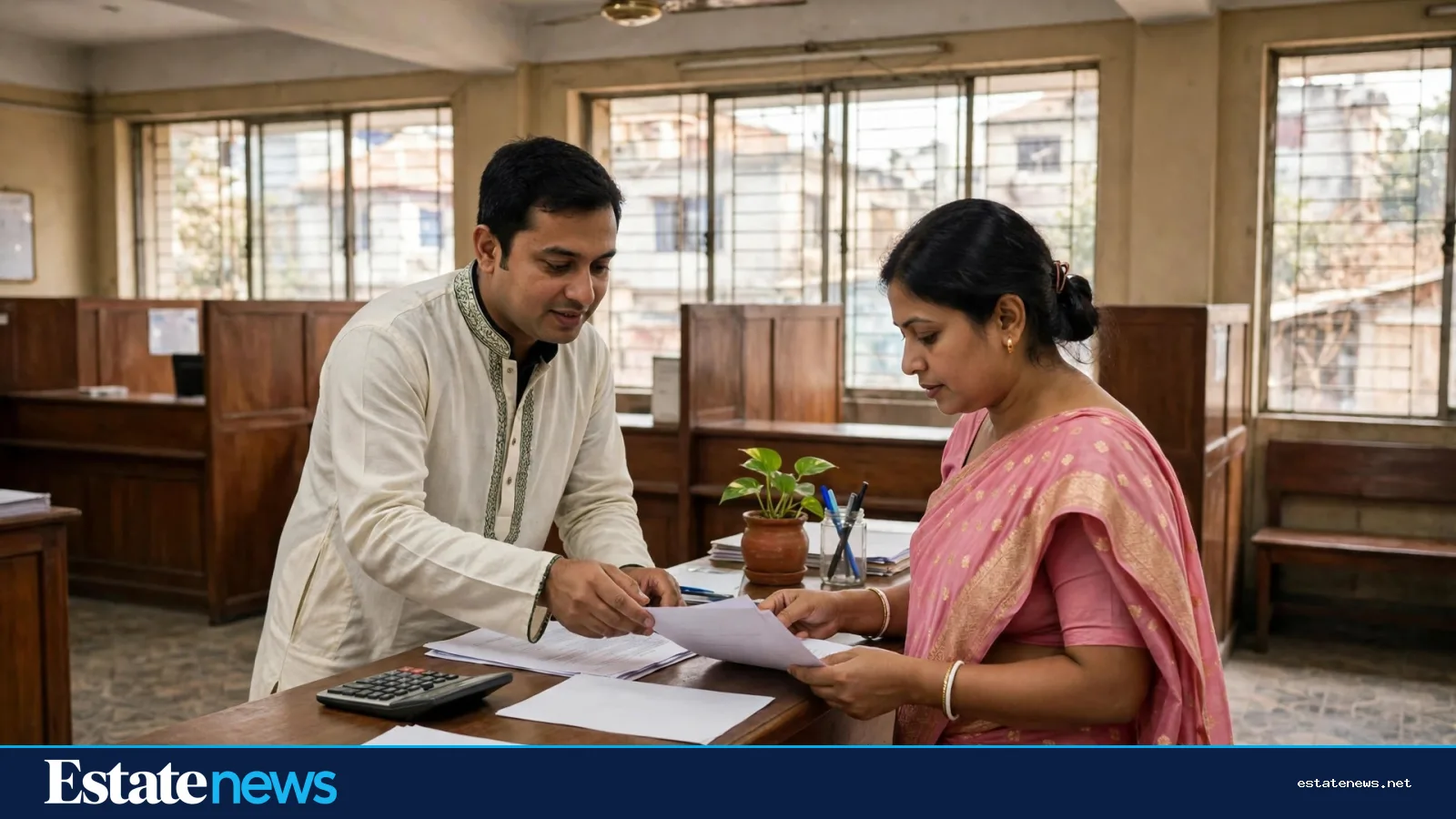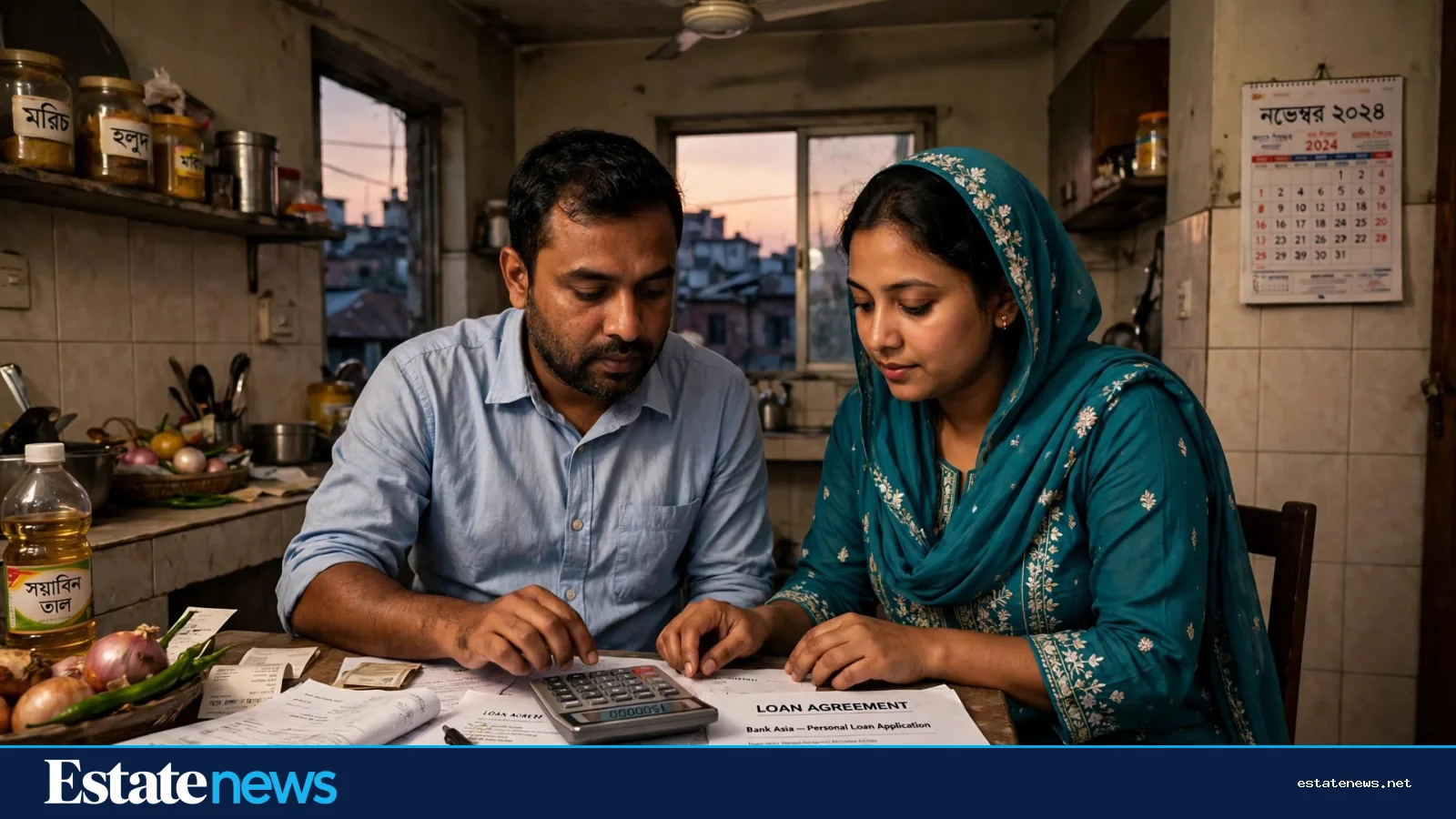

On a video call from London or Dubai, a Bangladeshi family looks at photos of a flat in Uttara while their parents walk through the rooms on the other end of the phone. The flat is in Dhaka. The buyer is thousands of miles away. The question is whether a bank will lend to someone who earns in another currency and lives in another country.
The answer, these days, is yes, with conditions. Several Bangladeshi banks now run home loan products designed for non-resident Bangladeshis, and the terms are published on their rate sheets. The buyer does not have to fly home to apply, but the paperwork still has to be right, and the family member in Dhaka still has a part to play.
What the banks actually offer
NCC Bank's NRB home loan is the clearest published example. The bank quotes 10 to 12 percent, with a declared rate of 11.00 percent effective from 1 October 2026, for loans from Tk 10 lakh to Tk 4 crore over 3 to 25 years, according to compilations of the bank's published material. An NRB buyer can apply through any branch directly or through a family member in Bangladesh.
Other banks offer similar products, but their terms change often, and not every bank publishes the same detail. For any bank other than the one named here, check the bank's current rate sheet rather than relying on a figure from an old article. Home loan rates across Bangladeshi banks this November run from 9.72 percent to 15 percent, as our piece "Home Loan Rates in Bangladesh: The Same Loan Costs Very Different Amounts" sets out today, and NRB loans sit inside that range.
The 2.5 percent incentive, and what it is for
The remittance incentive is the part most NRB buyers already know about. Bangladesh pays a 2.5 percent cash incentive on money sent home through official channels, and our Bangla piece on the incentive explains how much extra a sender receives. The incentive is paid on the remittance itself. It is not a discount on the flat, and it is not a reduction in the loan rate, but it does make the money sent home go further, and many NRB buyers use it as part of their down payment.
The scale of that money is large. Remittance reached $1.524 billion in the first eleven days of November, up 23.9 percent from a year earlier, with the cumulative figure at $12.989 billion, according to Bangladesh Bank data reported on 12 November. That is supporting context, not the story itself. The story is what the money is used for, and a growing share of it goes into flats and land.


The Tk 1,500 crore fund
There is another source of support worth knowing about. Bangladesh Bank's Tk 1,500 crore fund for housing loans, set up under a circular of 12 November 2026, includes remittance-recipient families among those who can borrow, with the borrower rate capped at 7 percent. Our earlier reporting on the fund explains who qualifies and at what rate. An NRB family sending money home should ask their bank whether the fund applies to their loan, because the capped rate is well below the market range.
The paperwork that decides it
A loan from abroad runs on documents. The bank will want proof of income and employment overseas, a valid passport, and the property papers for the flat being bought. A power of attorney, properly executed, lets a family member in Dhaka sign on the buyer's behalf, but it has to be done correctly, and the bank will check it.
Our Bangla checklist for NRB buyers, "প্রবাসের টাকায় ফ্ল্যাট: বুকিংয়ের আগে যাচাইয়ের তালিকা", runs through the verifications before any booking money is paid: the developer's approvals, the deed, the agreement terms. The same checks apply whether the buyer is in Dhaka or in Doha. Distance makes them more important, not less, because the buyer cannot walk the site every week.
A word on the loan itself. Rates on most Bangladeshi home loans are variable, so the monthly payment can move over a 20-year term. A buyer who borrows at 11 percent should work out what the payment looks like at 13 or 14 percent too, and ask the bank how often the rate is reviewed. That is not a warning against borrowing. It is the arithmetic that keeps a loan affordable when conditions change.
This is general information, not financial advice. An NRB buyer should speak to the bank's NRB desk and, where the sums are large, to a financial adviser who understands both the Bangladesh rules and the tax position in the country where they live. The flat in Uttara on the video call is real. The loan that pays for it is a contract, and contracts deserve the same careful look as the flat itself.