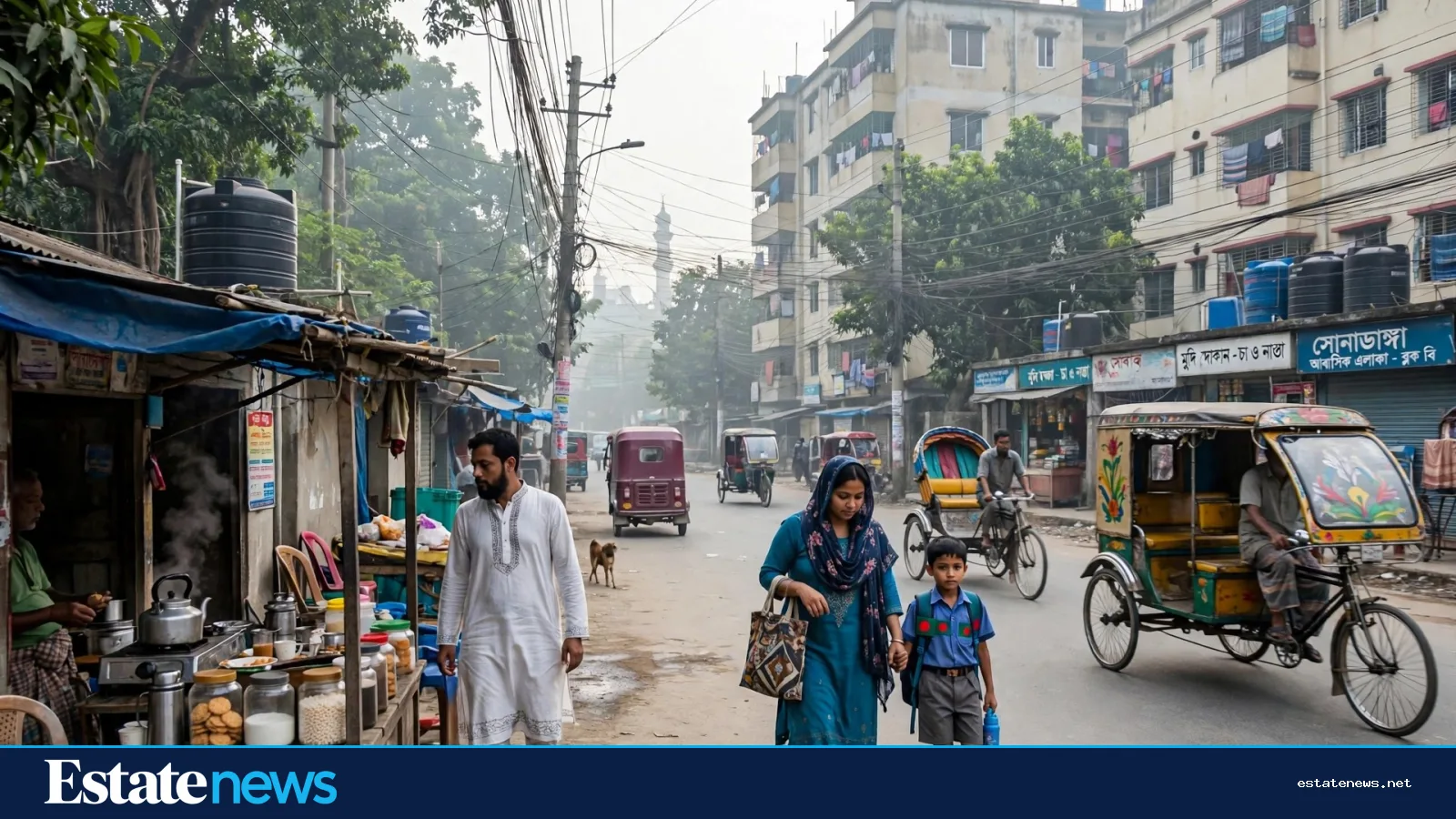
Morning in Sonadanga starts with the bus terminal. Rickshaws queue along the road, tea stalls open their shutters, and schoolchildren in uniform walk past the low apartment blocks that Khulna Development Authority laid out decades ago. It is an ordinary Bangladeshi morning, and that is the point. Khulna does not shout about itself. It gets on with the work of being the south-west's city, and its housing market is starting to show it.
Khulna is the third largest city in Bangladesh, and for a long time its property story was a quiet one. Families who could afford a flat often looked to Dhaka. Young people left for jobs in the capital. The city built houses, but it did not make headlines. Two things have changed that calculation. Mongla port, 48 kilometres south of the city on the Pashur River, is handling more cargo than ever. And the Padma Bridge, opened in June 2022, has cut the road distance between Dhaka and Mongla from 274 kilometres to 170 kilometres. Khulna is no longer the far end of the map. It is a port city with a road to the capital, and families are buying homes on that basis.
The port that pays the bills

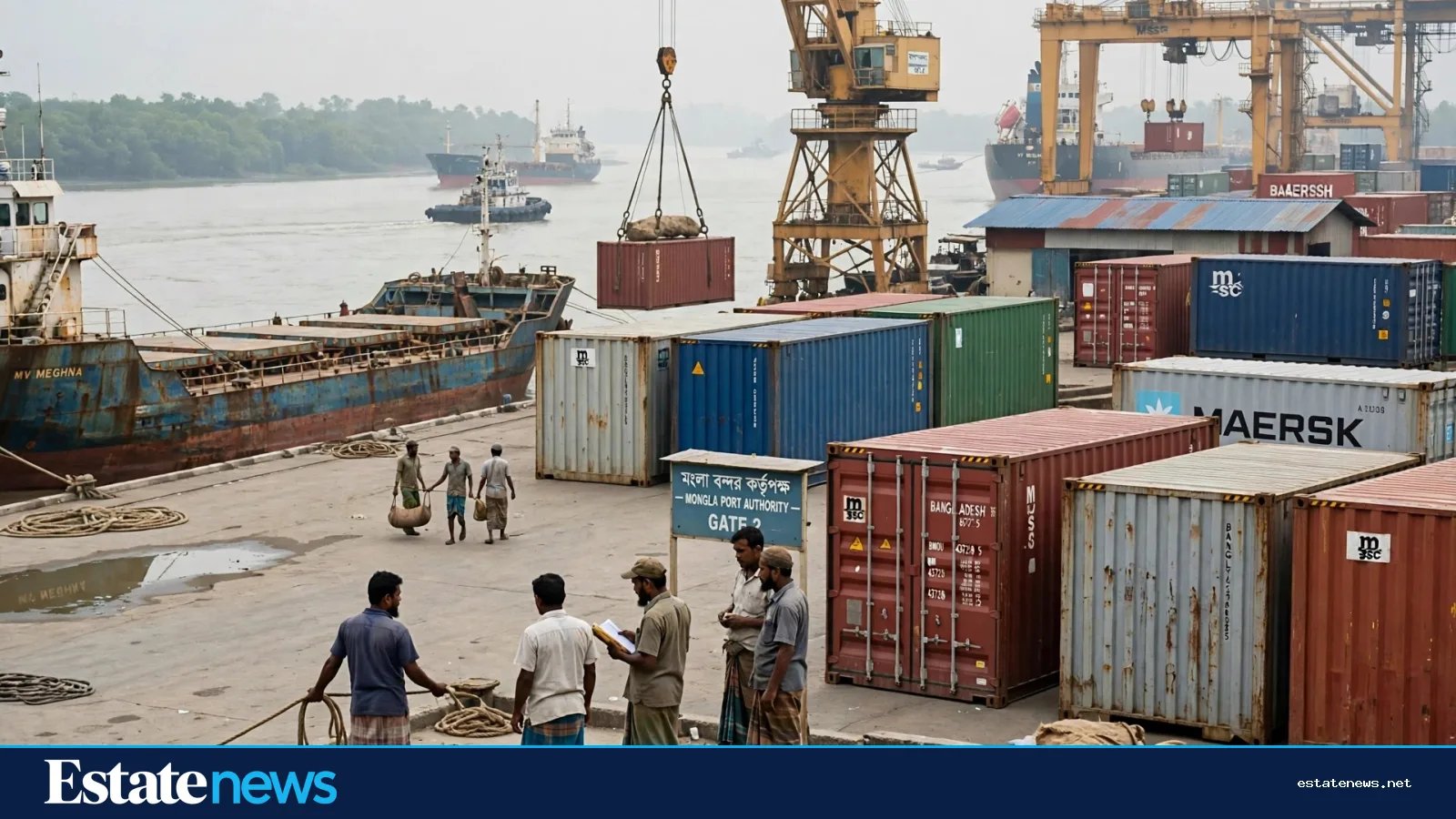
Mongla is Bangladesh's second busiest seaport, after Chattogram. It sits in Bagerhat district, on the eastern bank of the Pashur, and it handles the exports the south-west is known for: jute, frozen shrimp, garments and leather goods. In the 2024-25 financial year the port handled 10.41 million tonnes of cargo and processed 830 foreign vessels, the highest in its history, according to a report in The Daily Observer. The port authority has added services for smaller shippers, including a less-than-container-load option for small and medium businesses.
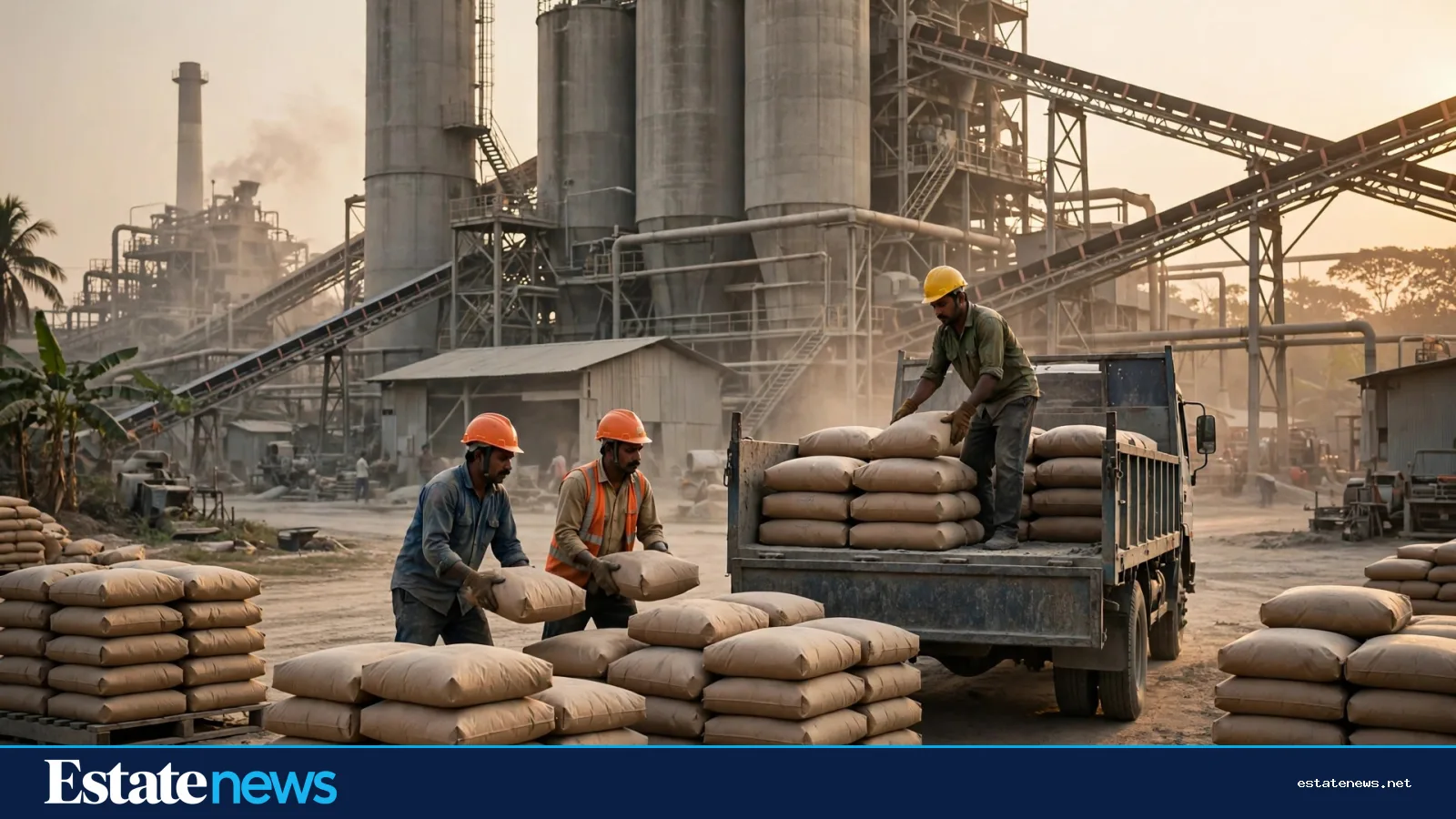
That matters for housing because a port pays wages. Stevedores, clearing agents, transport operators, cold-chain workers and the staff of the Mongla Export Processing Zone all need somewhere to live. Some live in Mongla itself. Many more live in Khulna, where the schools, hospitals and markets are, and commute the hour south. The Khulna to Mongla rail line was inaugurated in 2023, though regular commercial freight on it has been slow to start, and the road remains the workhorse. For a buyer, the question is simple: a city with a working port has an income base that does not depend on one factory or one season.
The road that changed the map
Before the Padma Bridge, the journey from Dhaka to Khulna meant the ferry. A family trip took most of a day, and a business trip took longer. The bridge changed the arithmetic of distance. Buses now run from Dhaka to Khulna across the bridge, and the road to Jashore airport puts a flight to Dhaka within about an hour and a half of the city by road. For a Khulna family, Dhaka is now a place you can visit for a weekend and come back from. For a Dhaka family with roots in the south-west, a flat in Khulna is now a home you can actually reach.
The effect on housing is gradual rather than sudden. Khulna has not seen a Dhaka-style rush. What it has seen is steadier demand from people who already have a reason to be there: port and EPZ workers, government staff, teachers, doctors, and families returning from Dhaka or from work abroad who want a home in their own division. The south-west's buyers are not speculators. They are people buying a place to live in, and they ask practical questions: how far to the school, how bad is the waterlogging in the monsoon, does the lift work when the power goes out.
Where families are buying


Sonadanga remains the city's best-known residential area. The Khulna Development Authority, set up in 1961 to plan the city, laid out Sonadanga as a planned residential neighbourhood, and it still carries the signs of that planning: wider roads, schools, and a bus terminal that connects the area to the rest of the division. The 2022 census counted 195,899 people in Sonadanga thana, in 51,971 households. North Western University has a campus here, and City Inn, the area's three-star hotel, sits among the apartment blocks. For a buyer, Sonadanga offers what planned areas offer everywhere in Bangladesh: a known address, neighbours who have lived there for generations, and a market that does not need explaining.
Nirala and Boyra, to the north of the city centre, are the other names buyers mention. Boyra Main Road runs past schools and colleges, and new apartment projects have appeared along it. One of them, South Breeze by Rupantor Homes, is planned for Plot 98 on Boyra Main Road in Mujgunni residential area, on 10.22 katha of land, with a target handover of December 2028, according to the company's own project page. The project describes shared green space and a rooftop retreat, the kind of language that would have sounded out of place in Khulna a decade ago and now reads as a normal selling point. Khalishpur, the old industrial quarter, still houses the workers of the jute and industrial belt, and its older housing stock sells on a different logic: location near work, and a price that a working family can reach.
What to check before you buy
Khulna's market has one feature a buyer should understand. A study of the city's housing, published in the Journal of Engineering Science in 2019, found that the private sector supplies about 90 percent of houses each year, while public-sector housing reaches mainly lower-income groups. The middle-income buyer in Khulna, the study found, is served by neither side very well. That is still the shape of the market. A buyer should therefore check the things that matter in any Bangladeshi city, and check them in person: the developer's past handovers, the KDA approval for the project, the deed chain and mutation of the land, and the payment schedule in writing.
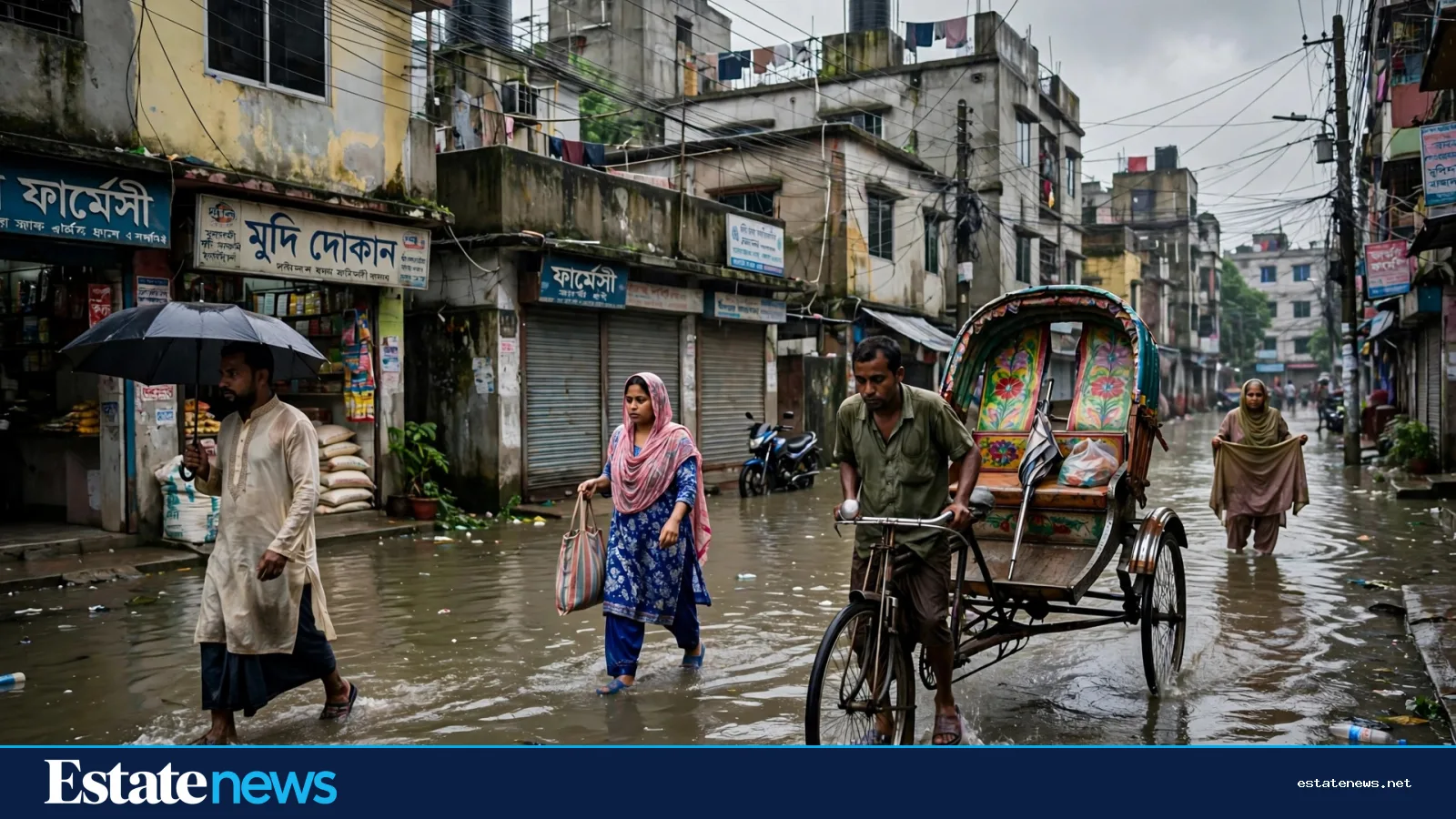
Waterlogging deserves a specific look. Khulna sits low, near the rivers, and the monsoon tests every ground floor. Walk the street after rain if you can, and ask the neighbours, not only the salesman, how deep the water gets. Ask about the generator and the lift, because a top-floor flat without a working lift is a daily climb. And ask about the service charge in writing, with the figure for the current year, before signing anything. These are the checks that separate a good buy from a regret, and they cost nothing but an afternoon.
A city buying for itself
Khulna's housing story is not a boom story. It is a steadier one, and that is its strength. A port that handled record cargo last year, a bridge that has made Dhaka a few hours away instead of a day, and a city where families have lived for generations are the reasons people are buying. The flats going up in Sonadanga, Nirala and Boyra are not being built for investors in another city. They are being built for the people who work at the port, teach at the schools, run the shops on Boyra Main Road, and want to stay. That is a market built on incomes, not on promises, and it is worth watching as the south-west keeps growing.
For readers weighing a Khulna home against a Dhaka flat, the comparison is honest. Dhaka offers more choice and a deeper resale market. Khulna offers a lower entry point, a shorter commute to work that actually exists, and a city where the buyer knows the streets. The Tk 75 lakh budget guide shows what the same money buys in the capital. The Mirpur area guide shows how another working city outside Dhaka builds its housing market. And the rent versus buy calculator can test whether buying or renting suits a Khulna family's monthly budget better.