The headline looks like good news. Overall point-to-point inflation was 8.27 percent in October, down from 8.34 percent in September, according to Bangladesh Bureau of Statistics data released on 9 November. A year earlier, in October 2025, it was 8.17 percent. The number has barely moved in a year, and the direction this month is down.
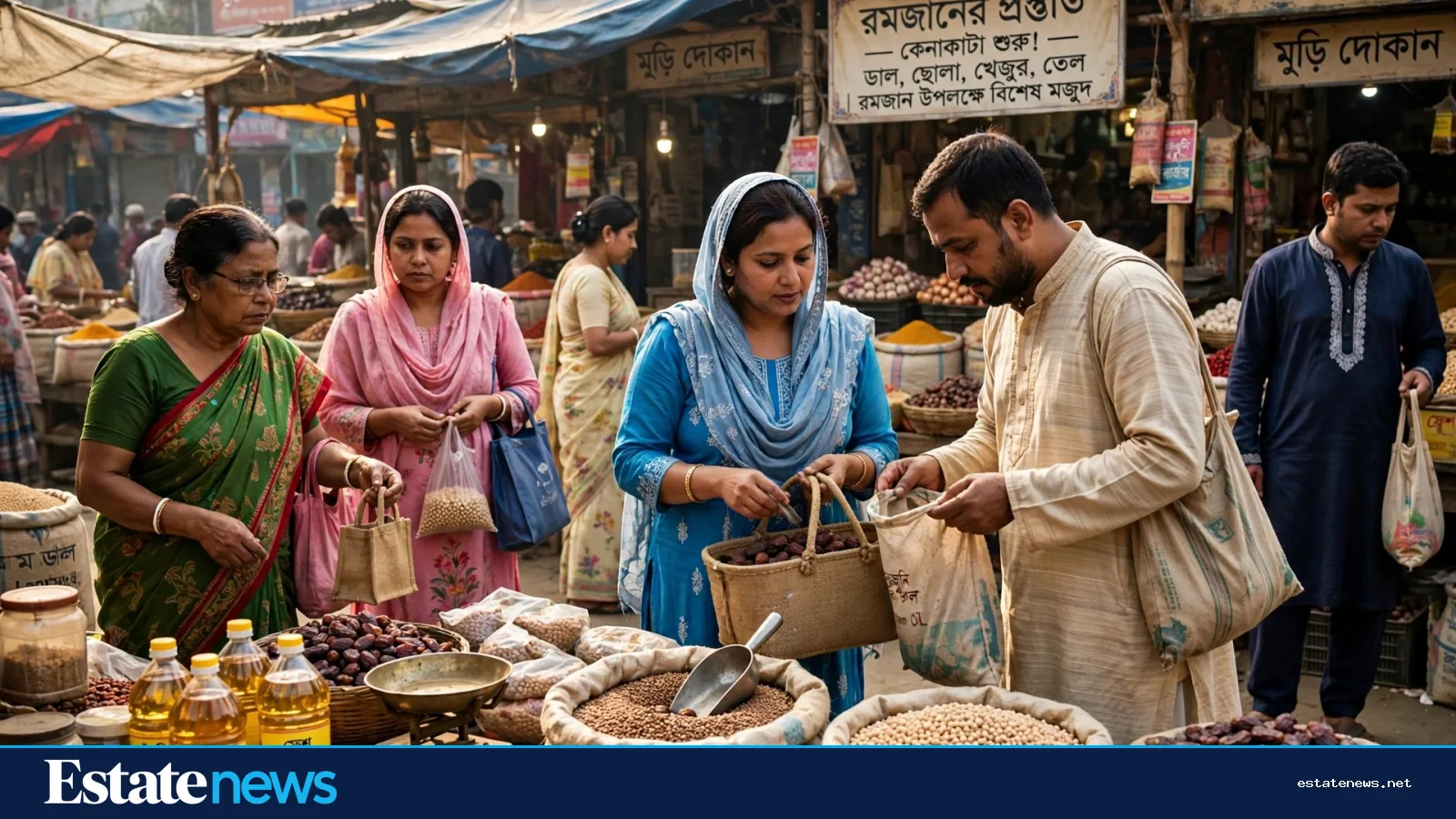
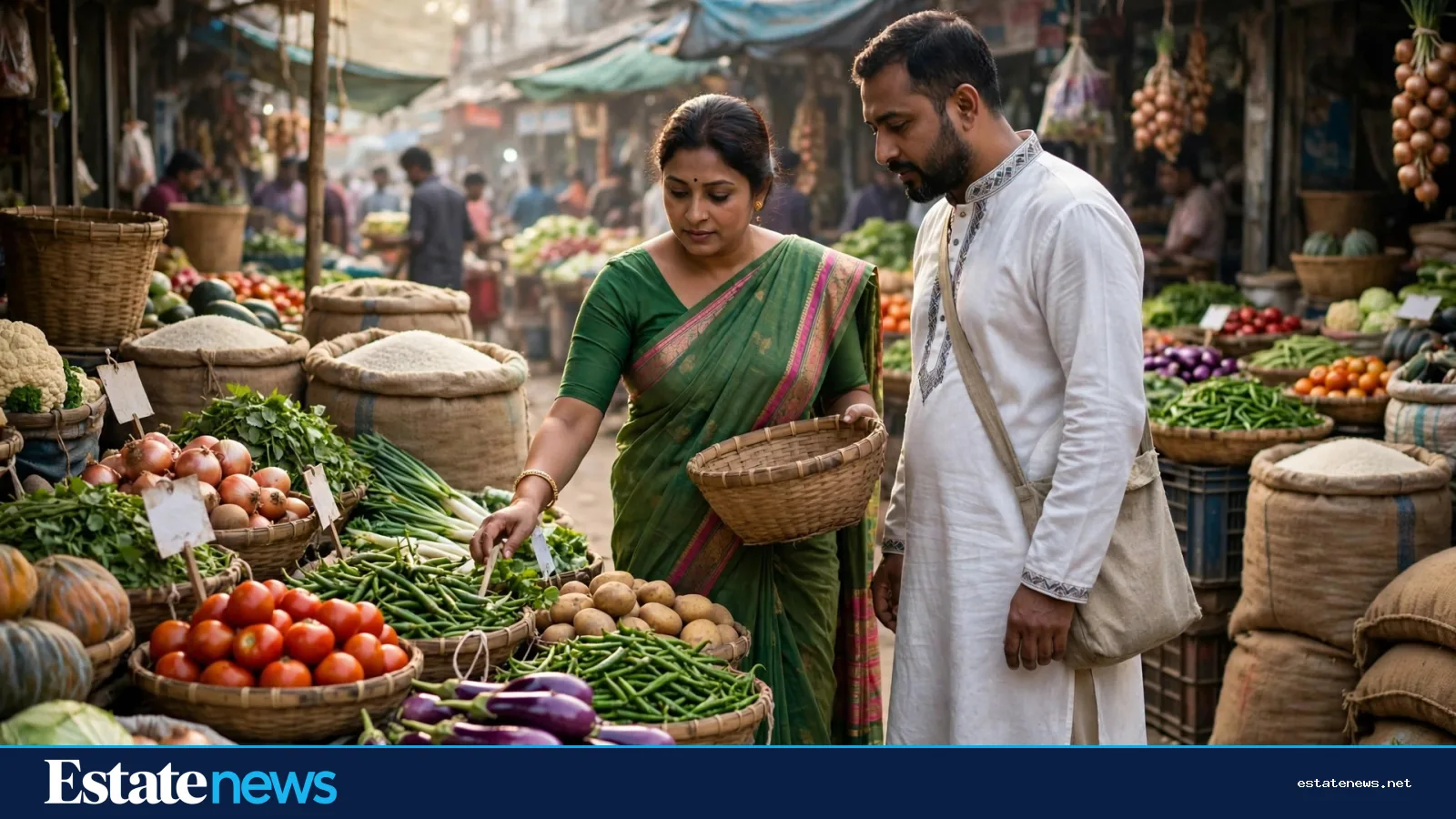
Look one layer deeper and the picture changes. Food inflation fell to 6.40 percent in October from 7.22 percent in September, the slowest pace in 54 months, since April 2022's 6.23 percent. Non-food inflation went the other way, rising to 9.89 percent from 9.30 percent, the highest in 41 months and close to May 2023's 9.96 percent. The same month, in the same country, food got cheaper in relative terms while almost everything else got dearer. For a family saving for a flat, the split matters more than the headline.
What drove the split

The BBS said faster rises in housing, utilities and transport drove the non-food increase. That sentence deserves a second reading, because those three items are the fixed costs of a household. Food prices move week to week. A family can buy less fish or switch to a cheaper vegetable. Rent does not work like that. The electricity bill does not work like that. The bus fare does not work like that. When housing, utilities and transport rise together, the household budget tightens in a way that no food price fall can offset.
Restaurants and hotels inflation ran at 14.17 percent, the sharpest of the major groups. Urban food inflation was 6.42 percent while urban non-food inflation reached 9.48 percent. Rural inflation was 8.29 percent overall. The consumer price index stood at 156.13, up from 153.33. Wage growth, at 7.63 percent, trailed overall inflation, which means the average pay packet bought slightly less in October than it did a year earlier.
The 12-month moving average tells the longer story. It eased to 8.66 percent from 9.22 percent, so the trend over a full year is still improving. But a moving average is a rear-view mirror. The monthly numbers show where the pressure sits right now, and right now it sits on housing.
The flat budget, line by line
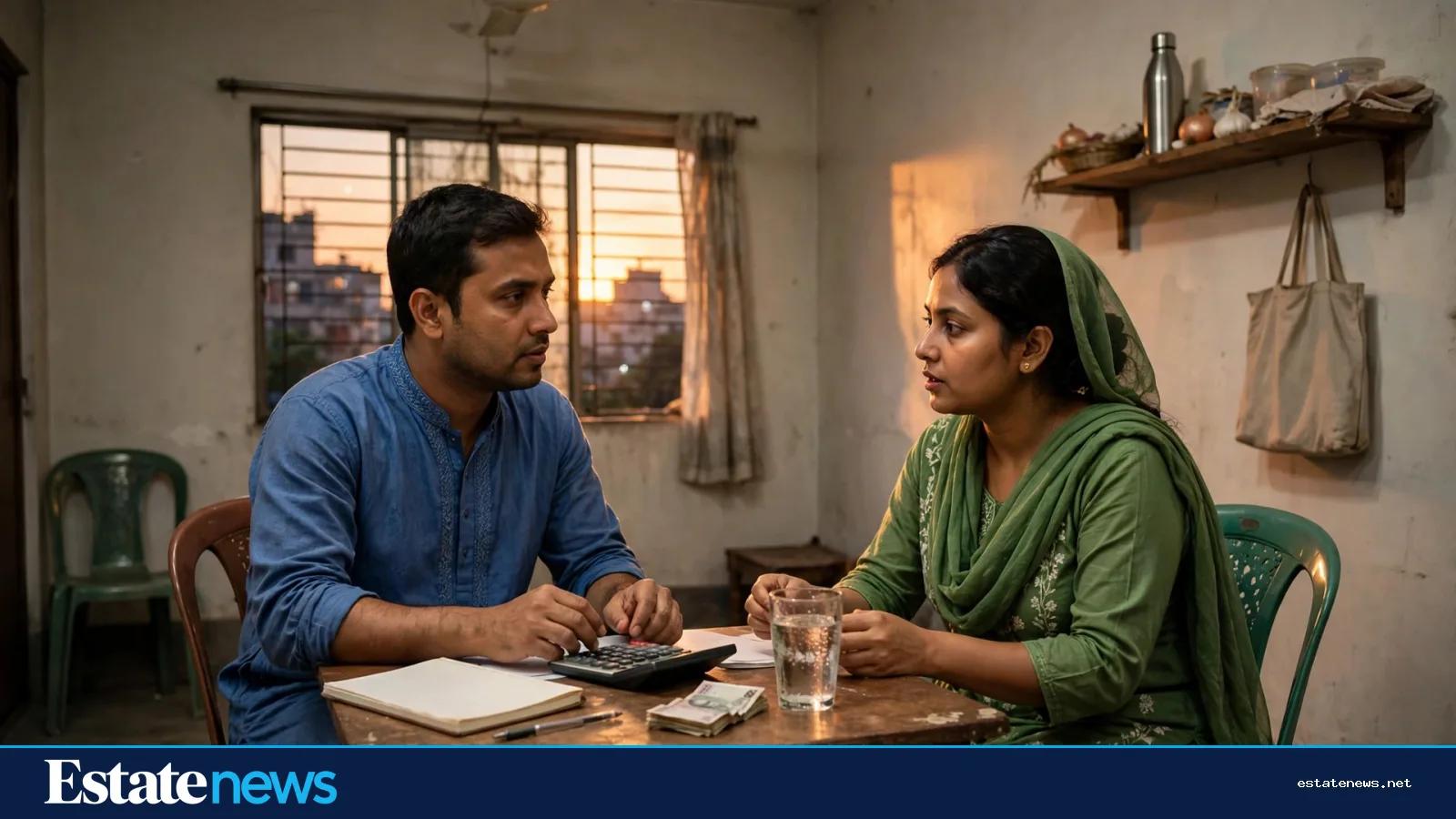
Take a family in Dhaka that rents a two-bedroom flat and saves for a down payment. The food bill has eased, and that is real relief. The bazaar costs less than it did in September, and the relief shows up every week. But the rent has not eased. The gas and electricity bills have not eased. The transport cost of getting to work has not eased. The money freed up by cheaper food is absorbed by the flat, the meter and the bus before it reaches the savings account.


This is the quiet arithmetic behind the housing market. A flat buyer does not save from the headline inflation rate. A buyer saves from what is left after the fixed costs are paid. When non-food inflation runs at 9.89 percent while wages grow at 7.63 percent, the amount left over shrinks, even in a month when food gets cheaper. That is why developers report slow booking decisions in months when the overall inflation number looks stable. The buyers are not reading the headline. They are reading their own bills.
There is a second effect, on the other side of the transaction. Construction costs follow non-food inflation too. Cement, steel, transport and labour all sit on the non-food side of the index. A developer whose costs rise at close to 10 percent a year cannot hold flat prices still without cutting margins, and margins in Dhaka housing are already thin. The same inflation that squeezes the buyer also squeezes the builder, and the result is a market where both sides wait.
What changes, and what does not
The food number gives the central bank room to hope. If food inflation keeps falling, the overall rate should follow, and interest rates, which shape home loan costs, may eventually ease. Home loans already run at 14 to 15 percent, and a family borrowing Tk 50 lakh pays heavily for every point of interest. Any path to lower rates runs through inflation, and food is the largest part of the basket.
The housing number gives less comfort. Housing costs in the index reflect rents and the cost of running a home, and those move slowly. A rent agreed this year stays for the year. A utility tariff, once raised, rarely comes down. The non-food rate of 9.89 percent is not a one-month spike. It is the level at which the fixed costs of Dhaka life are now rising.
For the flat buyer, the practical lesson is simple. Do not read the 8.27 percent headline as a signal that saving has got easier. Check the lines that matter: the rent, the utility bills, the transport cost, and the loan rate. Food is cheaper than it was. The flat is not, and the gap between those two facts is where the household budget is decided.
Read more: The Dollar at Tk 124.75: What the Exchange Rate Does to a Family's Flat Budget — https://estatenews.net/finance/the-dollar-at-tk-12475-what-the-exchange-rate-does-to-a-familys-flat-budget | Home Loans at 14-15%: Why Bangladesh Pays More Than Its Neighbours — https://estatenews.net/finance/home-loans-at-14-15-why-bangladesh-pays-more-than-its-neighbours | ইএমআই হিসাব: মাসে কত আয় থাকলে ফ্ল্যাটের ঋণ নিরাপদ — https://estatenews.net/finance/iemai-hisab-mase-kt-az-thakle-flzater-rrin-nirapd