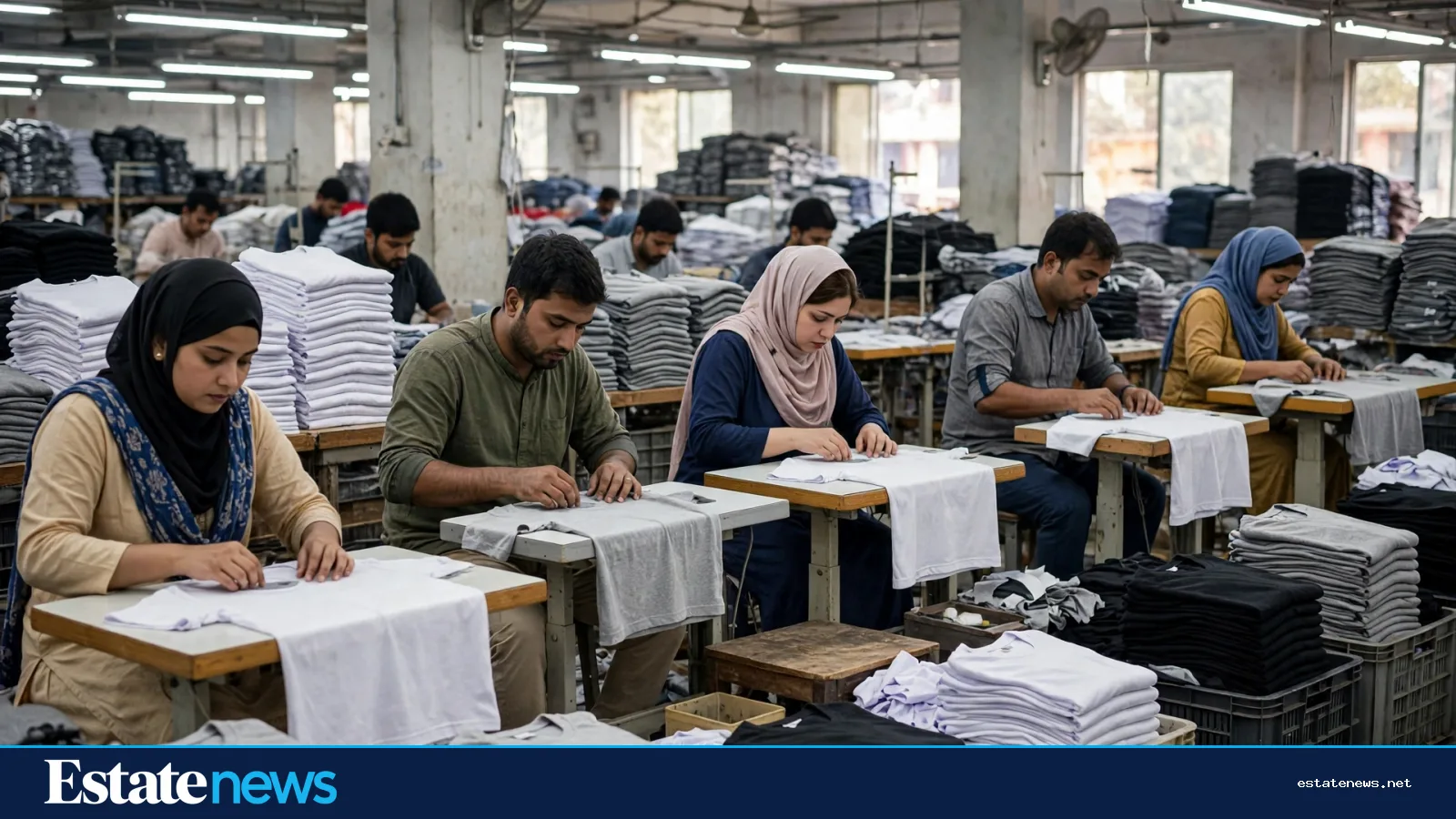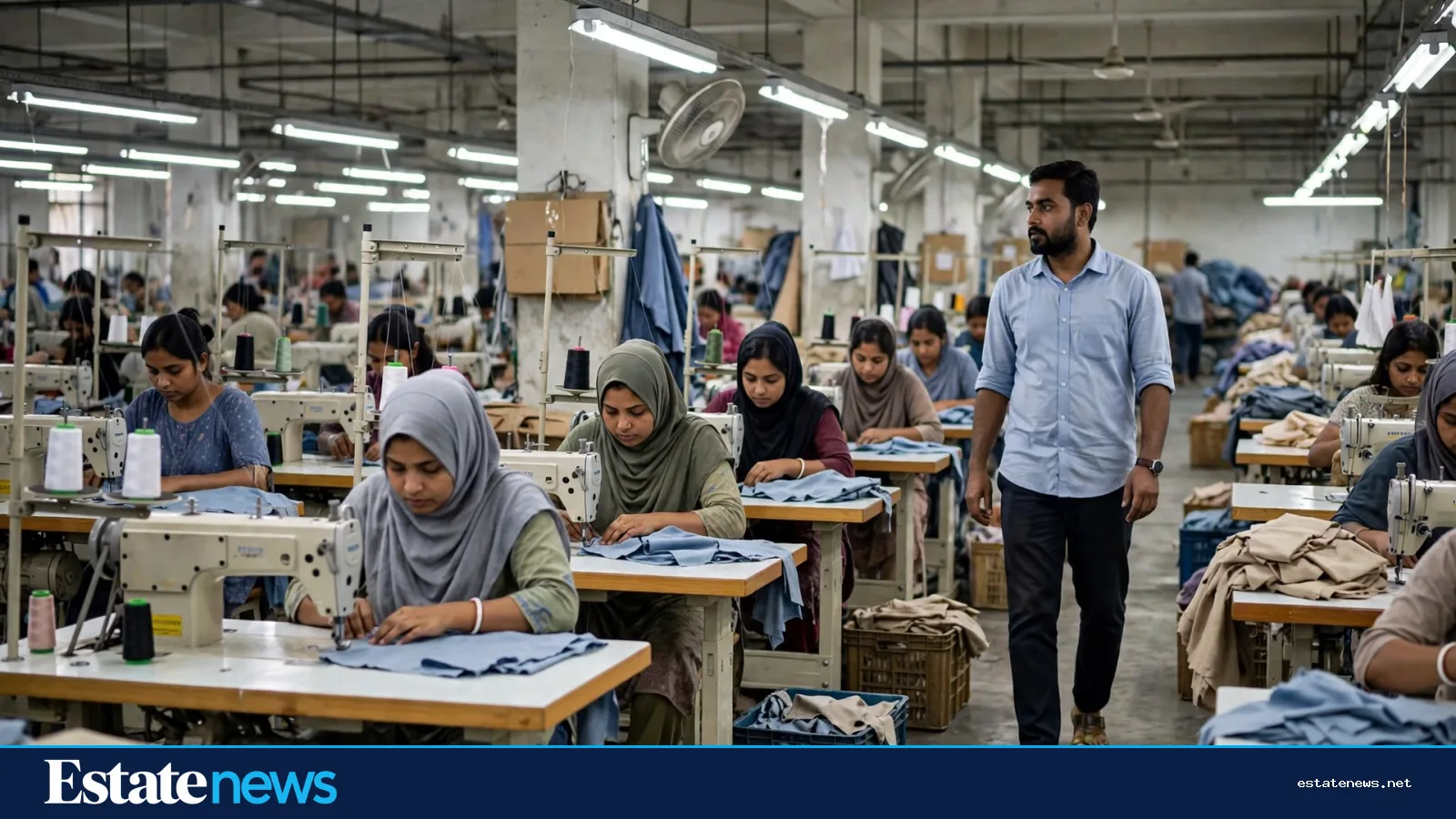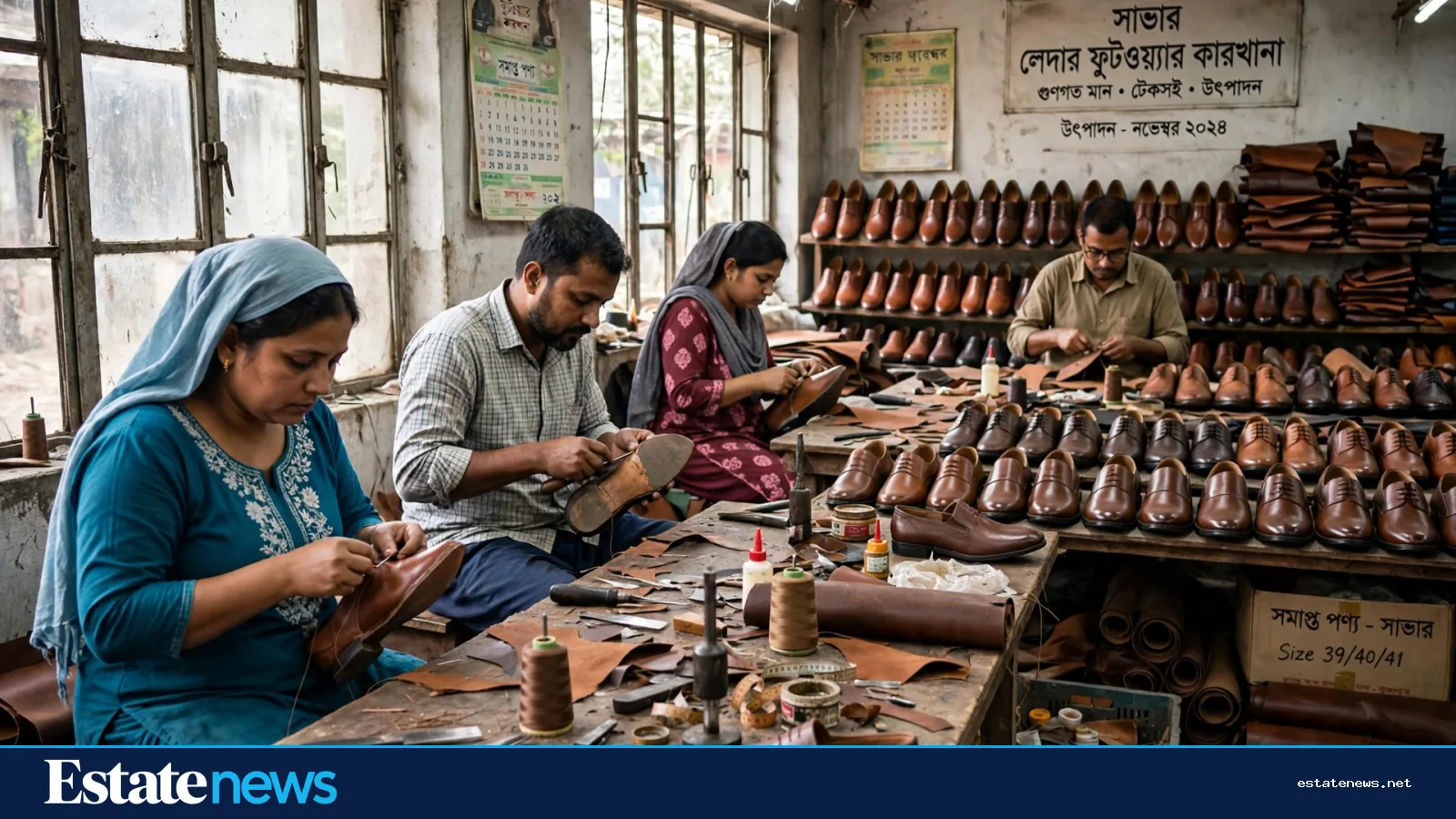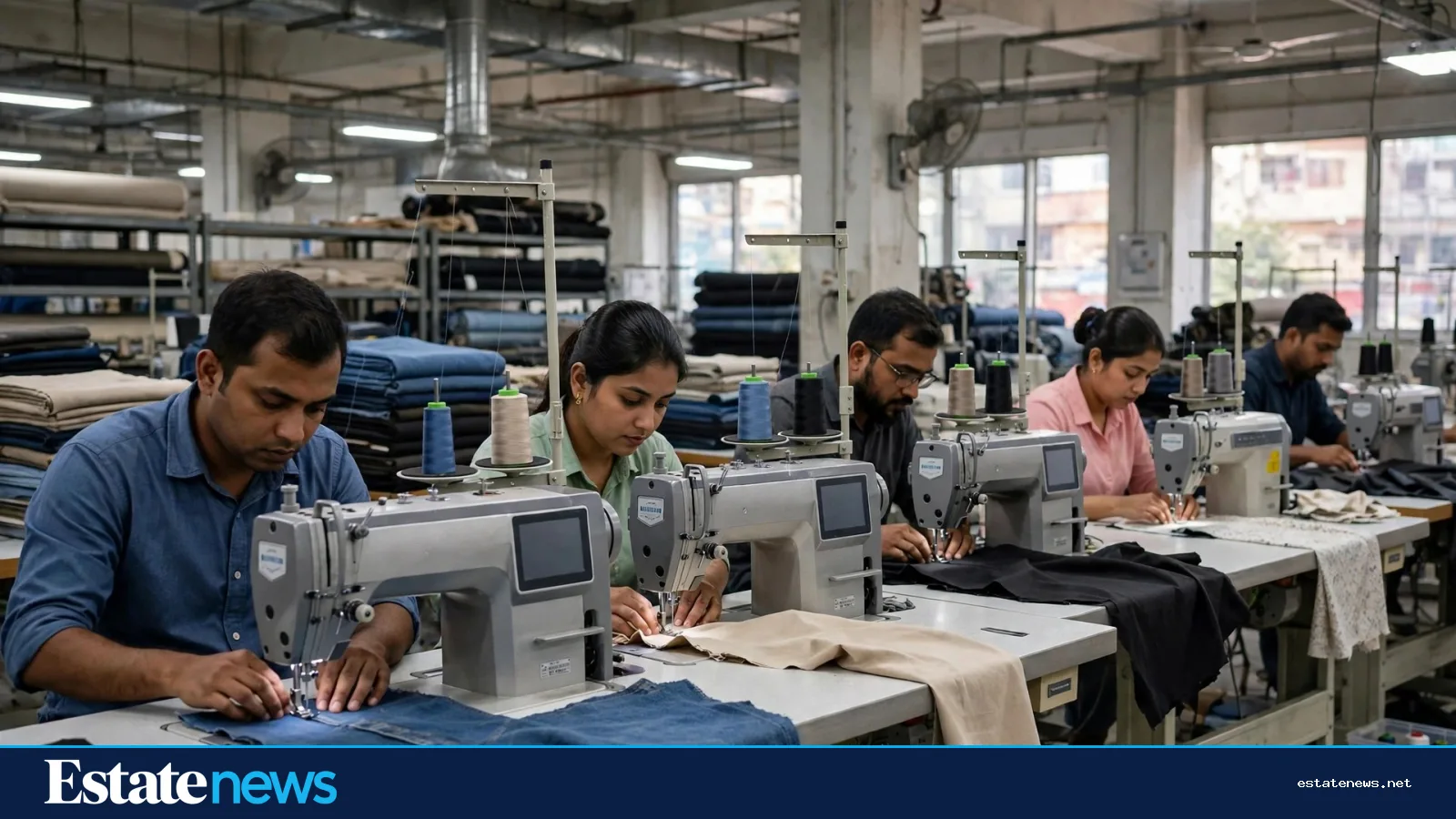
Bangladesh's factories produced more than ever before in the decade to 2023. They also employed fewer people than when the decade began. That is the uncomfortable finding of a study that is back in the news today, and it is the question hanging over every factory town in the country: if output keeps growing and jobs do not, where do the workers live, and what do they earn?
The study, "Beyond Jobless Growth: Towards an Employment-Centred Policy Framework for Bangladesh Through a Post-Neoliberal Lens", was released by Research and Policy Integration for Development (RAPID) on 30 November 2025. Its chairman, Dr M A Razzaque, presented the findings at an event in Gulshan organised jointly with the German research organisation Friedrich-Ebert-Stiftung. The Daily Star carried the figures again today, and they have not got any less striking in the year since.
The productive sector grew at an average of about 10 percent a year between 2013 and 2023, the study found. Manufacturing shed 1.4 million jobs over the same period. Employment in the sector fell from 9.5 million to 8.1 million. The sector's share of total employment fell from 21 percent to 17 percent.

The garment arithmetic
The clearest numbers come from garments, the industry that employs more Bangladeshis than any other. In 2013, producing and exporting goods worth $1 million needed 220 workers. By 2024, the same output needed only 94. The machines did the rest. Garment exports tripled over the period, from $12.5 billion in 2010 to $40 billion in 2023, while employment in the sector stayed roughly flat at about 4 million workers.
The study calls the pattern premature deindustrialisation, and the phrase is worth unpacking. In the usual story of development, factories grow, then they hire, then wages rise and workers move into better homes. Here the first step happened without the second. Output rose, the workforce shrank, and the new technology did the work that new workers used to do. Readymade garments grew 9.8 percent a year through the decade, and non-garment manufacturing grew at a nearly similar pace. Neither turned growth into jobs at anything like the old rate.
This is not a story about factories closing. The latest official figures point the other way. Large-scale manufacturing output grew 8.79 percent year on year in August 2026, led by garments at 14 percent, with the production index at 227.77, as covered in "Factories Grew 8.79% in August: What It Means for Housing". Output is still rising. The jobs base underneath it is still thinning.
What it means for factory towns


For the towns around the factories, the arithmetic lands in the housing market. Gazipur, Savar, Ashulia and Narayanganj grew because factory work brought people in from the villages. Rented rooms filled up, then tin sheds, then brick buildings, then whole neighbourhoods of flats for supervisors and managers. "Gazipur: The Factory Belt Turning Into a Housing Market" traced that change street by street.
If the next decade of factory growth adds fewer workers, the housing demand around the factories changes shape. Fewer new arrivals means fewer new rented rooms. But the workers who stay earn more, because the machines they run are worth more, and their housing needs change too: a family flat instead of a shared room, a school nearby, a road that does not flood in the monsoon. The question is not whether factory towns keep growing. It is what kind of homes they need next.
The wage question sits beside the jobs question. The wage board meets for the third time on Monday, 23 November, to set the new minimum wage for garment workers, and the industry is counting what the recent unrest cost it, as covered in today's Bangla piece "মজুরি বোর্ডের আগে ক্ষতির হিসাব: পোশাকশিল্পে ৩০–৪০ বিলিয়ন টাকা". A higher wage for fewer workers is a different economy from a lower wage for more of them, and the housing market will feel whichever way it goes.
Skills, not just headcounts
The study's authors do not argue for stopping the machines. Their recommendation, as reported when the study came out, is a national employment strategy that puts job creation at the centre of fiscal and economic policy, rather than treating it as something growth delivers on its own. In plain terms, that means training workers for the jobs the new machines create: technicians, supervisors, quality controllers, maintenance staff.
That is also where the housing story turns constructive. A technician earns more than a helper, and a technician's family rents differently. Factory towns that build training capacity alongside factory capacity will house a different workforce: smaller, better paid, and more settled. The towns that only count headcounts will keep building rooms for workers who never arrive.
The factories will keep growing. The output figures say so, and the August numbers confirm it. The work now is to make sure the growth leaves something behind in the towns that host it: skills, wages and homes that match the new kind of factory. Fourteen lakh jobs is a large number to lose in a decade. The number that matters for the next decade is how many of the jobs that replace them pay enough to live on, and where the people who hold them will sleep at night.