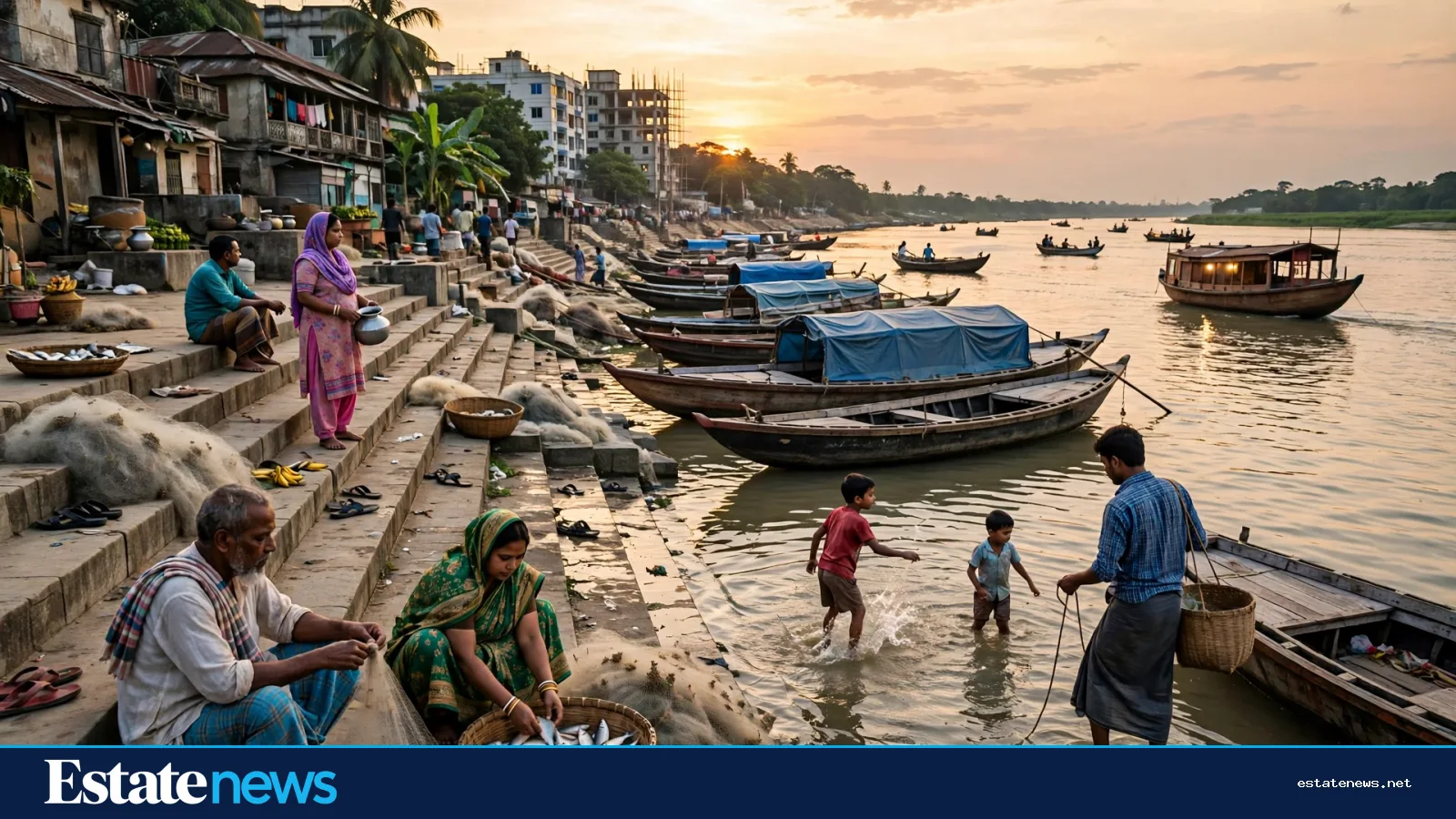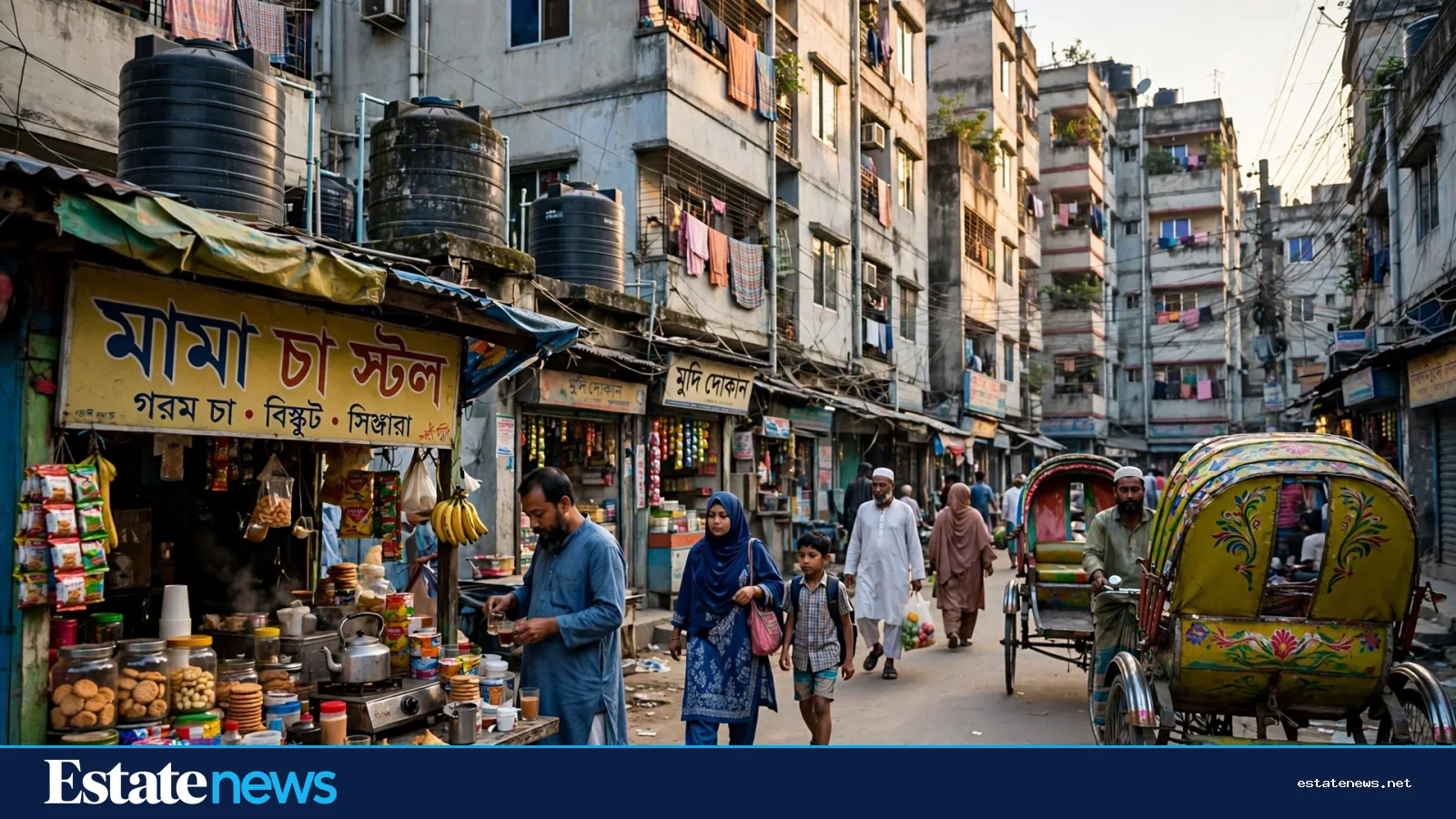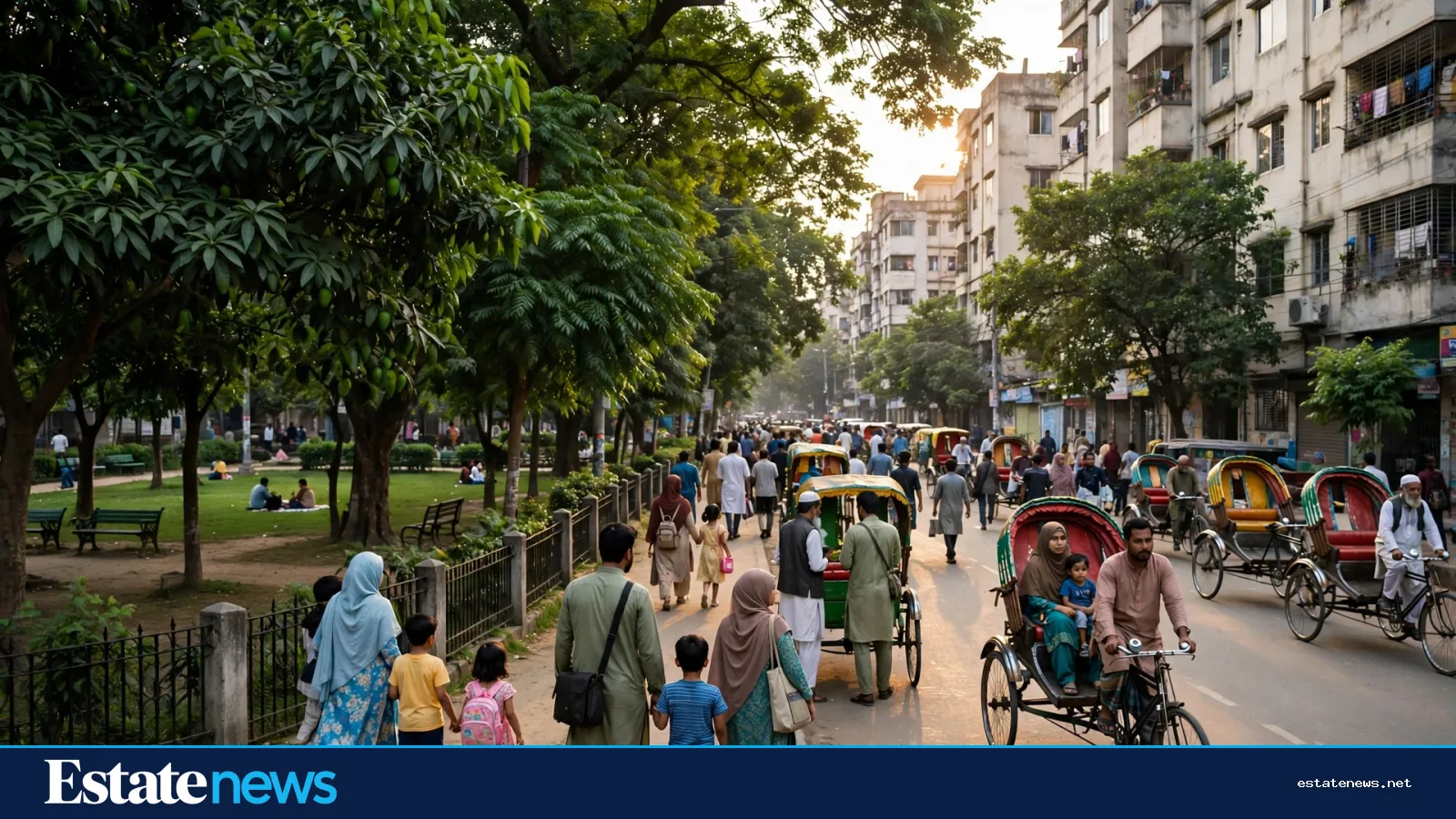
Walk from Gulistan to Farmgate on a working day and the city will tell you its own story. Rickshaws, buses, shoppers with bags, students, office workers, vendors selling tea. About 15,000 people pass through each of those junctions in a single hour, according to the Institute for Planning and Development. Somewhere in that crowd, someone needs a toilet. Most of the time, there is not one to find.
The Daily Star put the headline number on the problem today: one public toilet for every 2.5 lakh people in Dhaka. The detailed count behind the story comes from the same institute. Dhaka has 131 permanent public toilets and 17 mobile ones, against a requirement of 1,500, on the global benchmark of one toilet unit for every 1,000 pedestrian trips. The city sees 15 million pedestrian trips a day. Counts differ by survey and by year, and another recent count put the figure at one toilet for every 1.72 lakh people. Whichever count is used, the gap is the same shape: roughly a tenth of what the city needs.
The shortage is not only a number. It is a daily calculation made by the people who live in the city. A WaterAid Bangladesh study found that 69 percent of women surveyed said they avoided drinking water while outdoors, and 74 percent named the lack of clean, hygienic facilities as the main reason. A woman who works in a market, a student travelling across the city, a domestic worker on her way home: each of them plans her day around a facility that may not be there, may be closed, or may be unusable.

What the counts actually show
The two city corporations maintain the toilets between them, and the record is uneven. Dhaka North lists 116 facilities and Dhaka South 78, but the working number is smaller. In Dhaka South, only 51 of its facilities are currently operational under various management arrangements, according to the corporation's own figures, with six closed, four abandoned and six under renovation. Across the capital, the total number of functioning public toilets does not exceed 150 by one recent count.
The problem is not unique to Dhaka. The same Institute for Planning and Development study looked at three other cities. Chattogram, a city of seven million people, has only 28 functioning toilet facilities though it requires at least 380. Barishal, home to 700,000 people, requires 30 facilities but has only two in operation, out of ten existing toilets. Rajshahi, with 550,000 people, has 14 facilities against a requirement of 60.
The draft Dhaka Structure Plan 2016-2035 set the standard higher still. It put the need at more than 2,400 toilets, using a standard of one toilet per 2,000 people and eight per square kilometre. Adil Mohammed Khan, executive director of the Institute for Planning and Development, has said that unlike city authorities in many countries, those in Bangladesh have no official guidelines that specify the required number or distribution of public toilets in urban areas. There has been no comprehensive study of daily commuters and visitors in Dhaka or other cities, he said, which is why the planning starts from a guess.


What a working system looks like
A working public-amenity system is not a mystery. It has four parts, and Dhaka has pieces of each already. The first is placement: toilets where the crowds actually are, at bus terminals, markets and junctions like Gulistan and Farmgate, not only in parks and quiet corners. The second is maintenance, which is where most public toilets in Dhaka fail. A toilet that is built and then left to rot is worse than no toilet at all, because it teaches people not to look for one.
The third part is a funding model that pays for cleaning. Some facilities in Dhaka South are already run by non-government organisations, including WaterAid, or by market associations and lessees. A small user fee, collected and visibly spent on water, cleaning and a caretaker, is the model that keeps toilets open in many cities. The fee is not the problem. The problem is a toilet that charges a fee and still has no water.
The fourth part is design for the people who need it most. Separate facilities for women, with light, water and a door that locks. Access for people with disabilities. A caretaker on site during the busy hours. None of this is expensive beside the cost of the building itself, and none of it appears in a count of toilets built. It appears only in a count of toilets that work.
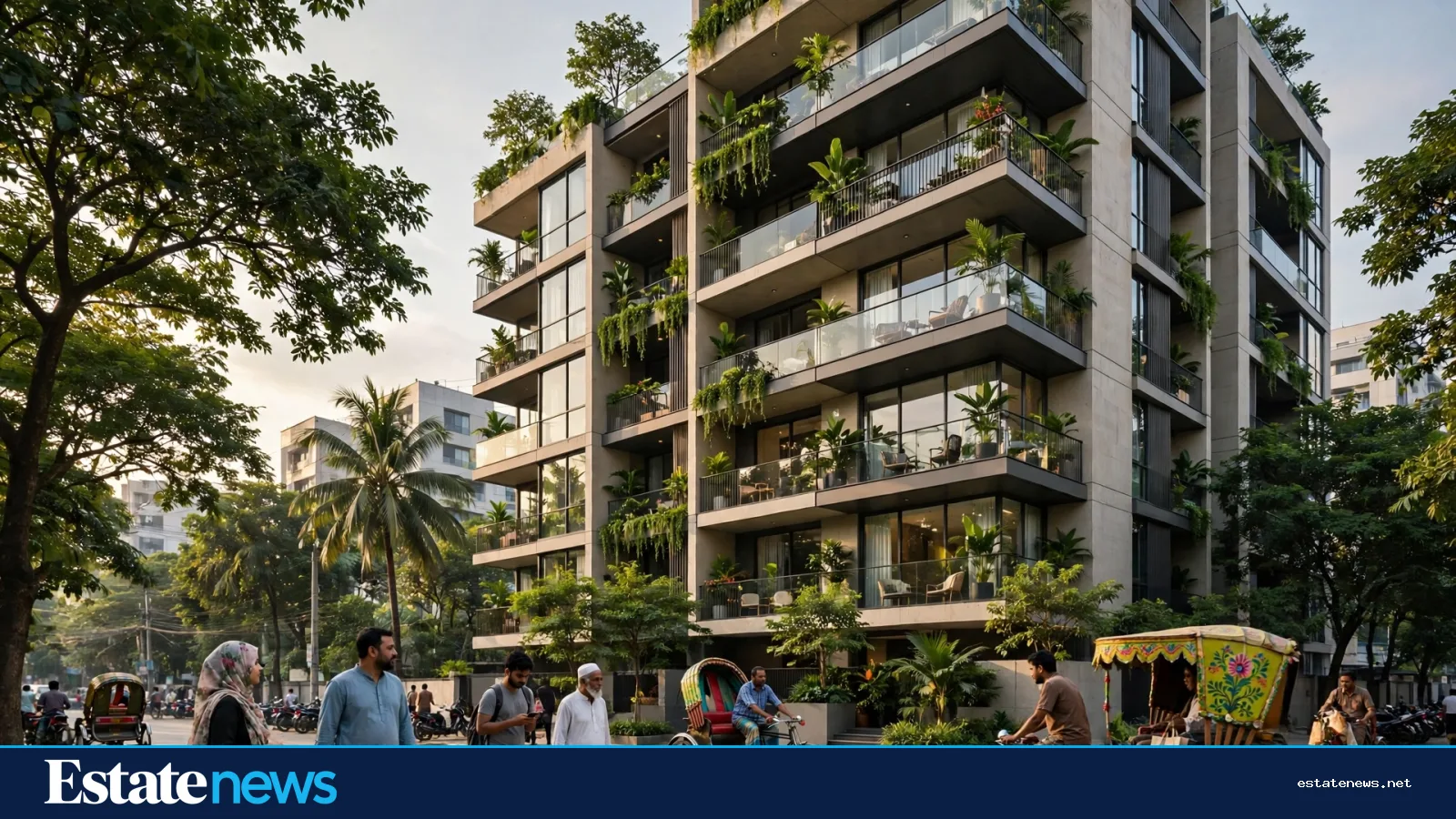
This is a liveability question, and liveability is a housing question. A family choosing where to live in Dhaka weighs the flat, the rent, the school and the commute. It also weighs the street outside. A neighbourhood with a clean public toilet at the market and a park with working facilities is a neighbourhood where a grandmother can walk with a grandchild, where a vendor can work a full day, where a woman can drink water on a hot afternoon. Estate News has been following the cities people actually live in: "Narayanganj: The River City Where Dhaka's Workers Live", the 20 November feature on the city across the river, and "Rangpur: The Northern City Finding Its Own Buyers", the 19 November feature on the northern city building its own market. Dhaka's toilet gap belongs in the same story. The cities that work are the ones whose public spaces work.
"Savar: The Town That Makes the Clothes and Builds the Homes", the 17 November feature, made the same point from the other side: a town that houses factory workers needs the streets and services to match the homes. Dhaka has the homes. It has the flats, the towers and the new neighbourhoods. What it does not yet have, in anything like the numbers it needs, is the small public infrastructure that makes a dense city liveable.
The fix does not need a new invention. It needs a standard, a count that is kept honestly, and a maintenance budget that survives the year the toilet is built. The number in the headline is a useful shock. The work after it is quieter: one facility at a time, in the right place, cleaned every day, with water running and a door that locks.