The most expensive mistake in flat buying is usually made in a hurry. The flat looks right, the price works, and the booking money changes hands before anyone has looked at the papers properly. Later, the buyer learns that the building approval has a problem. This piece is about stopping that mistake. It is the English companion to Estate News's Bangla checklist, "রাজউকের অনুমোদন যাচাই: ফ্ল্যাট কেনার আগে যা দেখবেন", and it covers the same checks a buyer should run before signing anything.
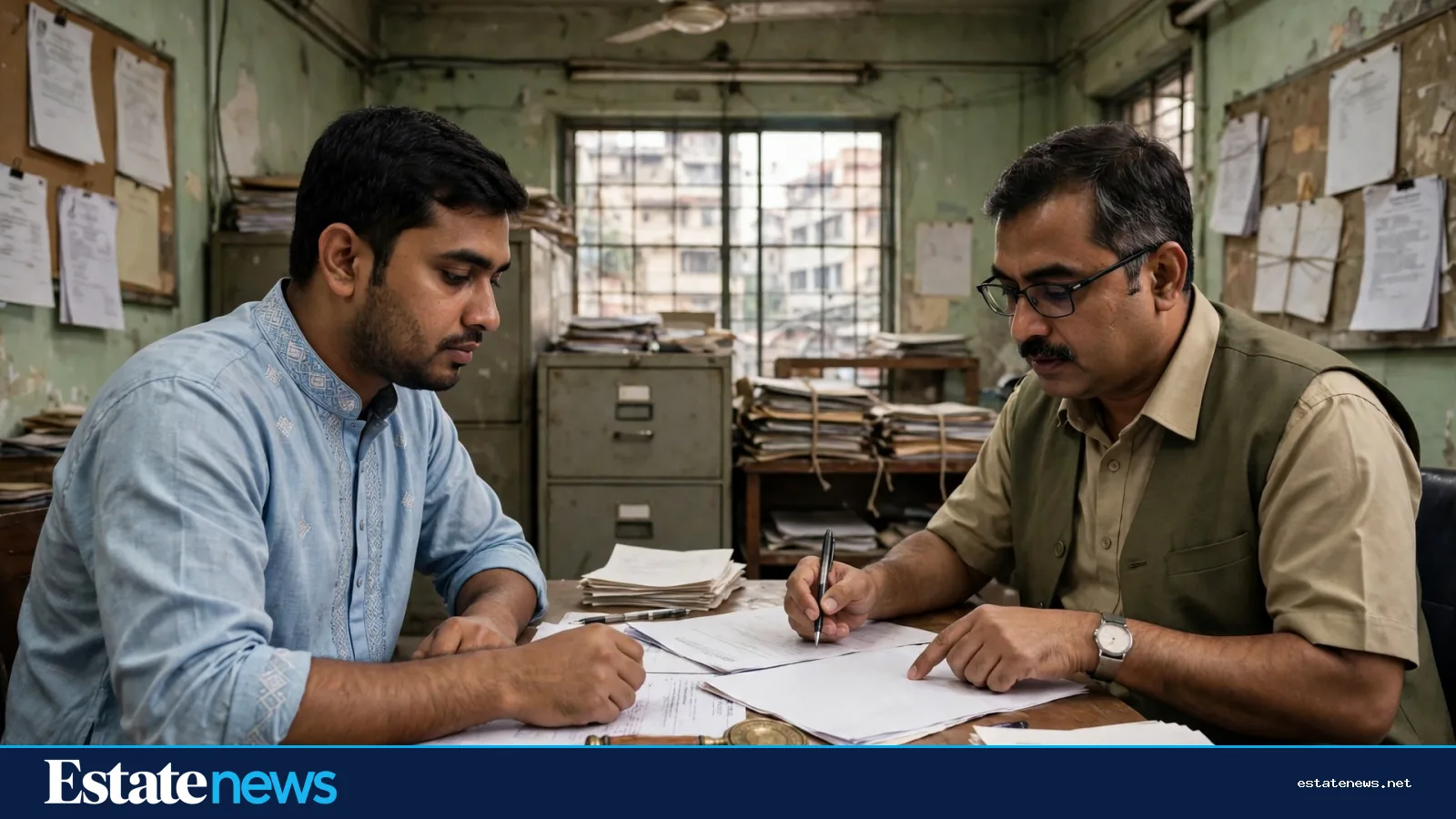
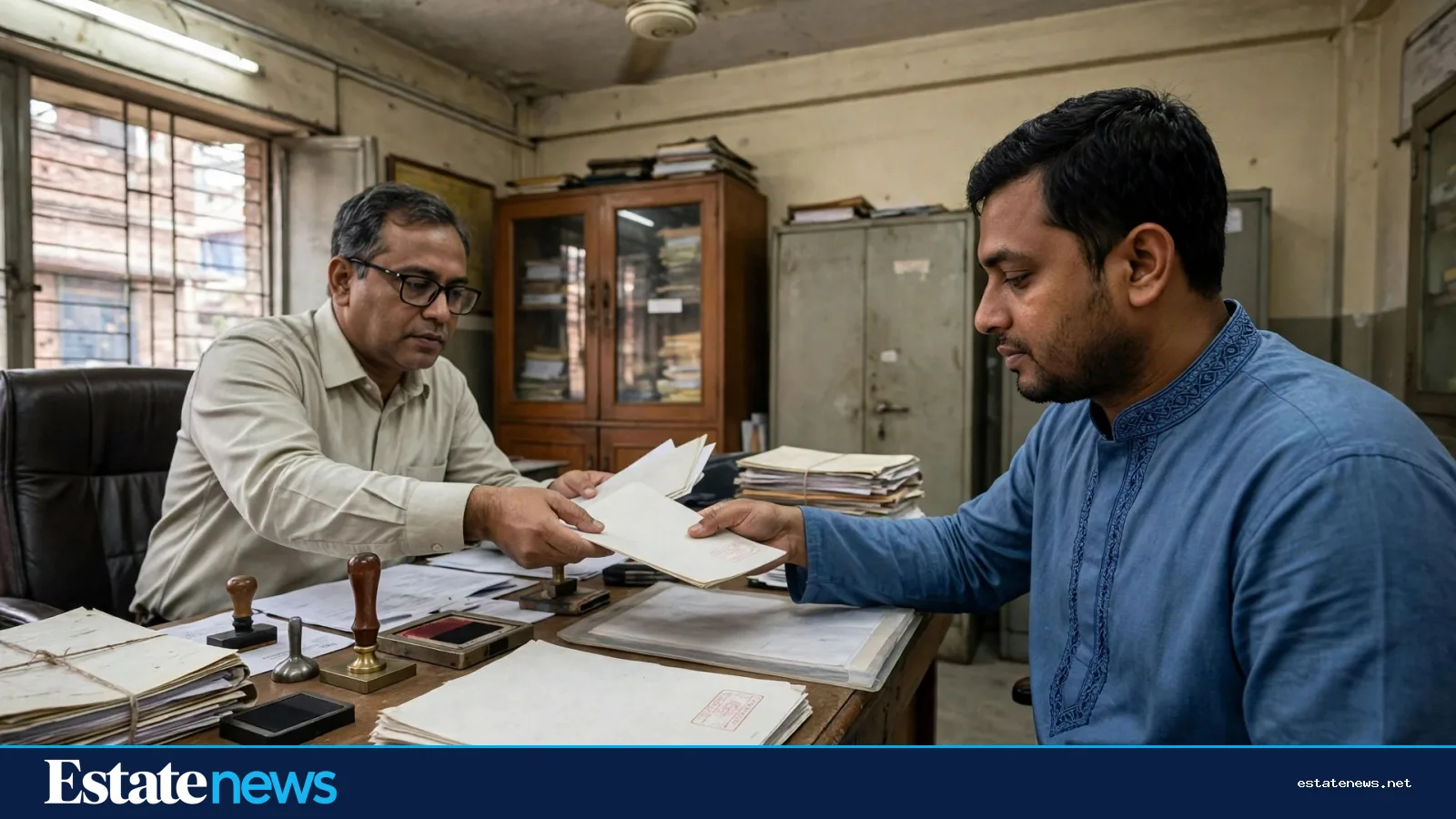
The first job is the simplest, and the one buyers skip most often. Ask the developer for the original copy of the approval letter, not a photocopy. The approval letter carries the plot address, the owner's name and the number of floors approved. Read the address on the letter and compare it with the address on the deed, letter by letter. One wrong letter can turn into a long argument later, and it is far cheaper to catch it at the sales office than at the registration office.
The plan and the building

The approval letter comes with an approved plan, and the plan is the document that says what the building is supposed to be. How many floors, how many flats, what sits on each floor. The buyer's real work is to hold that plan up against the building that actually stands there and check whether the two match.
The mismatch shows up most often in the floor count. The approval is for six floors and the building has eight. Or the plan shows parking on the ground floor and the ground floor holds shops instead. A flat in an unapproved part of a building carries a risk that no discount can cover, because the extra portion has no approval at all, and any trouble with it later falls on the buyer. If the drawings are hard to read, take them to an architect or an experienced engineer and have them checked. An hour of an expert's time costs far less than a flat with a disputed floor.
The papers after the approval
Approval is only the first paper. When the building is finished, it needs an occupancy certificate, the paper that says the building is fit to live in. Before buying, a buyer should know whether that certificate exists, and if it does not, when it will come. Estate News's "Occupancy Certificate: The Paper That Says Your Building Is Ready to Live In" explains what that certificate is and why it matters.
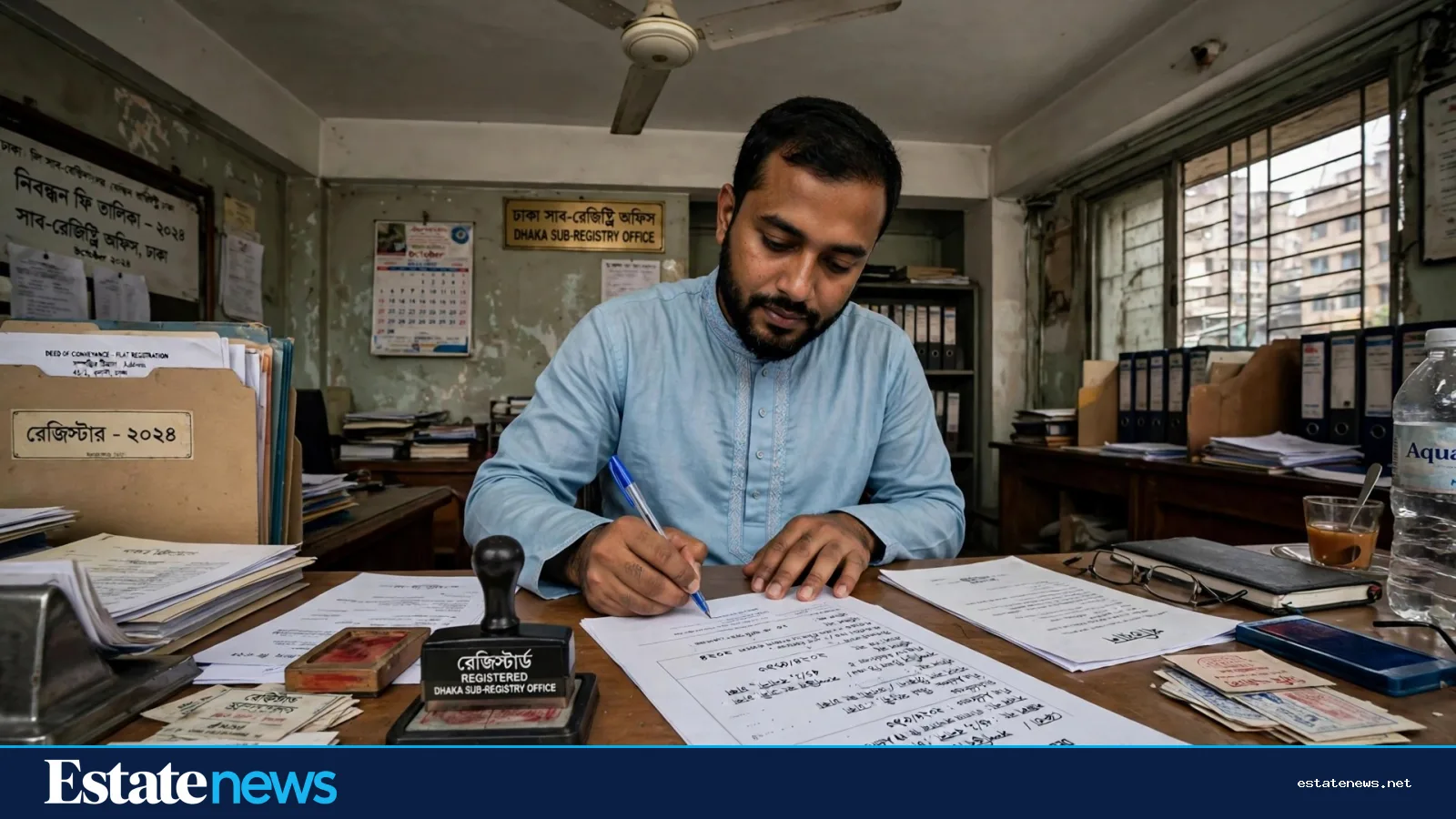
Then comes mutation. After buying a flat, the buyer must get the name changed in the government record, or the ownership does not change on paper. The full process is set out in "Mutation After Buying a Flat: The Paper Trail From Deed to Holding Number". And if the handover runs late, the buyer's rights sit in the agreement itself, as explained in the Bangla piece "হস্তান্তরে দেরি: চুক্তিতে আসলে কী লেখা থাকে". Each of these papers answers a different question, and a buyer needs all of them answered, not just one.


The checklist, in one place
Taken together, the checks run like this. Has the original approval letter been seen, not just a copy? Do the address and the owner's name on the letter match the deed? Does the approved floor count match the building standing on the plot? Does the plan match the real building, floor by floor? Does the occupancy certificate exist? And does the agreement say who will handle the mutation?
The process that produces the approval is worth knowing too. Estate News's "RAJUK Approval Step by Step: How a Building Plan Gets Its Stamp" walks through it, stage by stage. That piece is the other side of this one. Knowing how a plan gets approved makes it easier to check an approval, and an approval that has been checked makes a purchase safer.
What to do when something does not match
Finding a mismatch is not the end of the purchase. It is the start of a question, and the question should be put in writing. Ask the developer, in a letter, why the building differs from the approval. A spoken assurance is not worth much when the booking money has already been paid. If the answer does not come, or the answer is not convincing, the safest step is to stop before paying the booking money. Getting booking money back after a hurried payment is far harder than holding it back before one.
The deed chain belongs in the same check. The ownership papers for the plot should run in an unbroken line, seller to seller, with the names matching at every step. That check is part of the approval check, because a sound approval on a disputed plot is no protection at all. Estate News's guide, "How to Verify a Land Title in Bangladesh: The Documents That Matter", sets out the land-title side of the same job, and the 20 November Bangla guide on checking a developer's record covers what to ask about the builder itself.
One habit ties the whole thing together. Keep a copy of every paper. The papers seen at the developer's office may not be there on the next visit, and a copy in the buyer's own file is the only version that cannot disappear. A buyer who walks into a sales office with this list in hand knows exactly what to ask for, and that is what keeps the purchase safe.
This article is not legal advice. In a complicated case, a lawyer's advice is the safest step. But a buyer with the checklist can ask a lawyer the right questions, and that half hour spent on the papers is what makes a life-changing decision a safe one.