The clock on Bangladesh's graduation from least developed country status now reads three years. The United Nations General Assembly granted a three-year extension on 29 October, moving the date to November 2029. The question that follows is not whether the country can keep selling cheap labour. It is whether it can sell something else by then.
A recent opinion piece in The Business Standard puts the problem plainly. Bangladesh ranks 105th out of 139 economies in the World Intellectual Property Organization's Global Innovation Index 2026, at the bottom of South Asia, with a score of 21.5 out of 100. The United States scores 62.3. The piece argues that graduation on low-cost labour alone will not work, and the numbers it cites are hard to argue with. International patent filings fell 29.3 percent between 2021 and 2023. Venture capital deal numbers fell 48 percent between 2024 and 2025. There is no available data at all on research and development spending, robot adoption or electric vehicle adoption.
That last point matters more than the ranking itself. A country cannot fix what it does not measure. The opinion piece, written as analysis rather than a government statement, treats the missing data as part of the story: the innovation system is thin enough that some of its basic gauges do not exist yet.

What the 2029 targets actually demand
The government's own roadmap gives the debate a shape. The National Roadmap for Smooth, Sustainable and Irreversible LDC Graduation 2026-2029 sets three targets for 2029: raise the non-garment share of exports from about 19 percent to at least 25 percent, certify three million industry workers, and fully digitise government business services. The ambition beyond that is a trillion-dollar economy by 2034.
Each target points at a different weakness. The export target asks whether Bangladesh can sell pharmaceuticals, agro-processed food, leather, jute, light engineering goods and information technology services at the scale garments now occupy. The piece names those six sectors as the ones that must build competitive products. The workers target asks whether training can keep up with the factories. The digitisation target asks whether a business can deal with the state without paper, queues and delays.
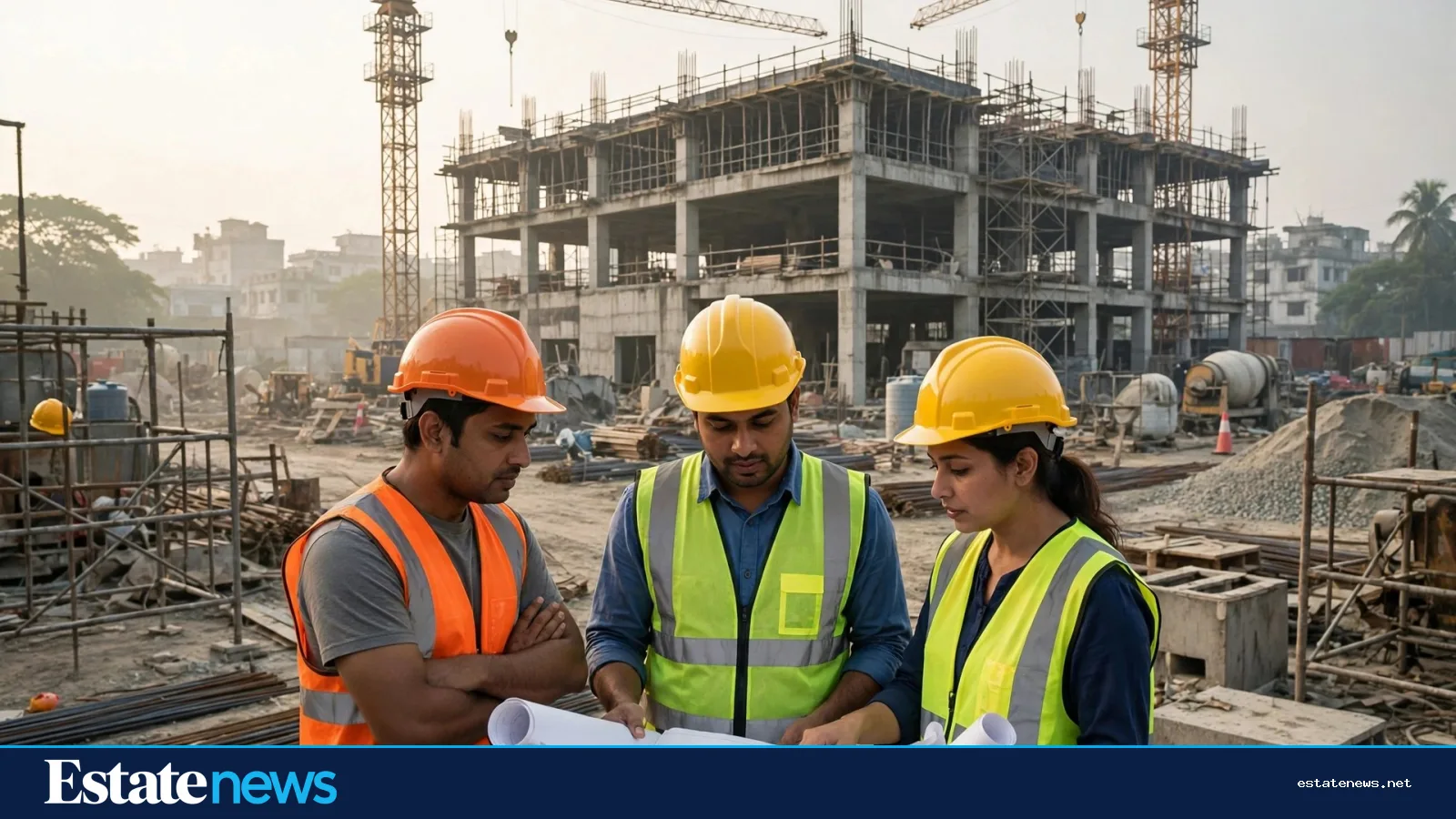
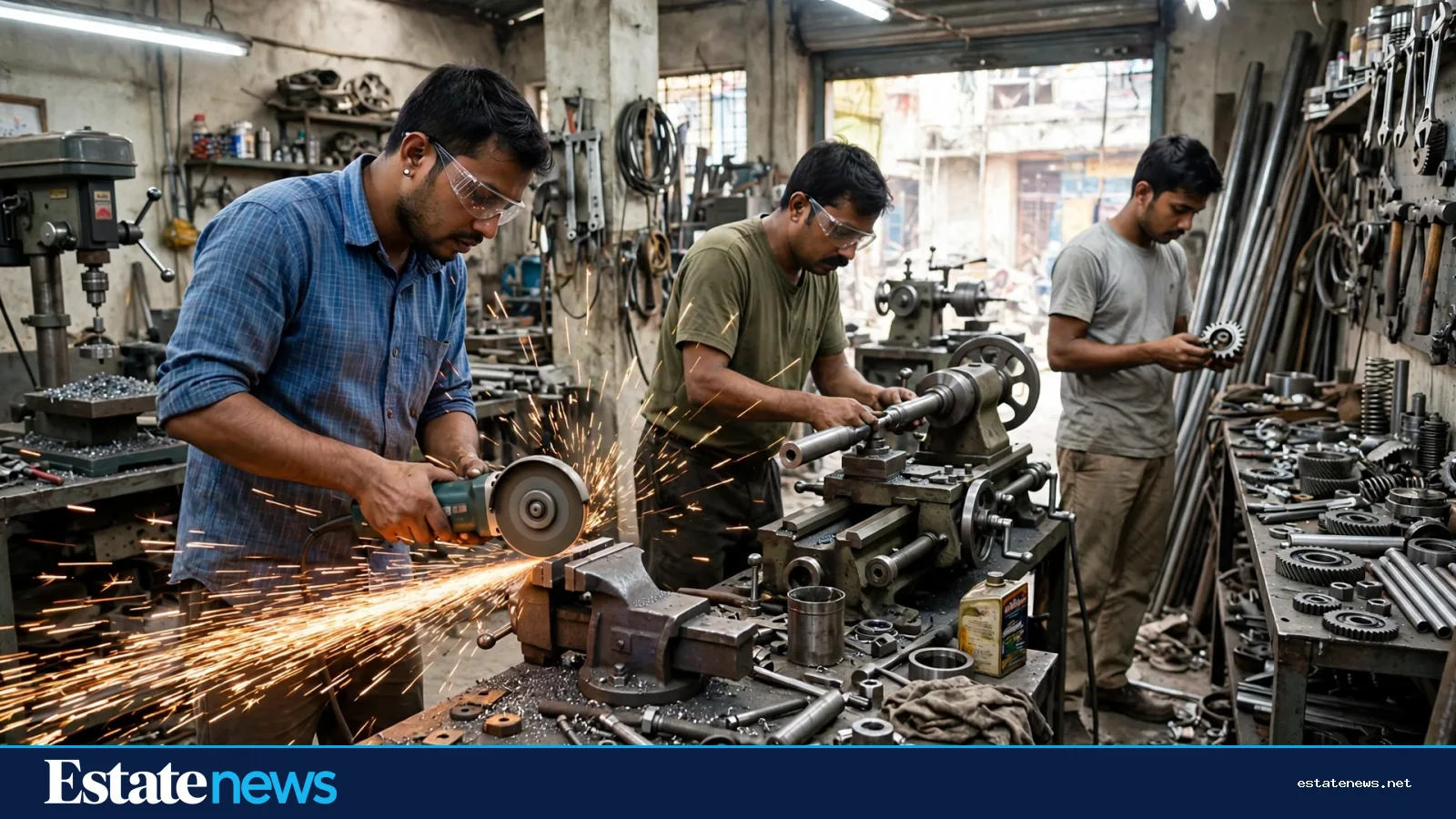
None of this is abstract for the property market. A light engineering workshop in Dhaka's old industrial belts needs a shed, power, workers who can run machines, and buyers who trust the product. An agro-processing plant needs cold storage and roads that carry goods to port. The factories of the next decade need land, buildings and infrastructure just as garment factories did. The difference is what happens inside them.


The first signs of a different economy
There are small signs that the shift has started. The first Bangladesh AI Business Summit was held on 5 November, organised by the Dhaka Chamber of Commerce and Industry with the Ministry of Science and Technology. A summit is not an industry. But it is a room where business owners and officials talk about artificial intelligence as a commercial question rather than a distant one.
Estate News covered a similar kind of shift in "Sylhet Tea Goes Global: A London Launch With Royal Backing", where a familiar Bangladeshi product found a new market by being presented differently. The lesson travels. Tea, leather, jute and light engineering all have the same problem and the same opening: the raw material is here, the higher-value version of it is made somewhere else, and the gap between the two is design, branding, certification and reliable delivery.
"Approvals in 14 Days: The Reform That Could Speed Up Building" looked at the other half of the equation, the state side. A business that waits months for an approval cannot move fast enough to win an export order. Digitised government services, one of the three 2029 targets, would change the daily life of every builder and factory owner who files papers in Dhaka. And "Footwear Exports Rise 9% as Bangladesh Finds New Buyers Beyond Garments" showed the export target in motion, with a non-garment sector finding buyers on its own.
The warning in the opinion piece is not that Bangladesh will fail. It is that the country will graduate on paper while its economy stays the same underneath, and then discover that the trade preferences it relied on are gone. The three targets are the test. Non-garment exports at 25 percent, three million certified workers, and a government that works online would be a different economy from the one that entered the graduation queue. November 2029 is close enough that the work has to start in workshops like the one in the picture above, with a lathe, a grinder and a worker learning a trade that pays more than stitching a seam.
This article is analysis of published figures and a published opinion piece. It is not financial advice.