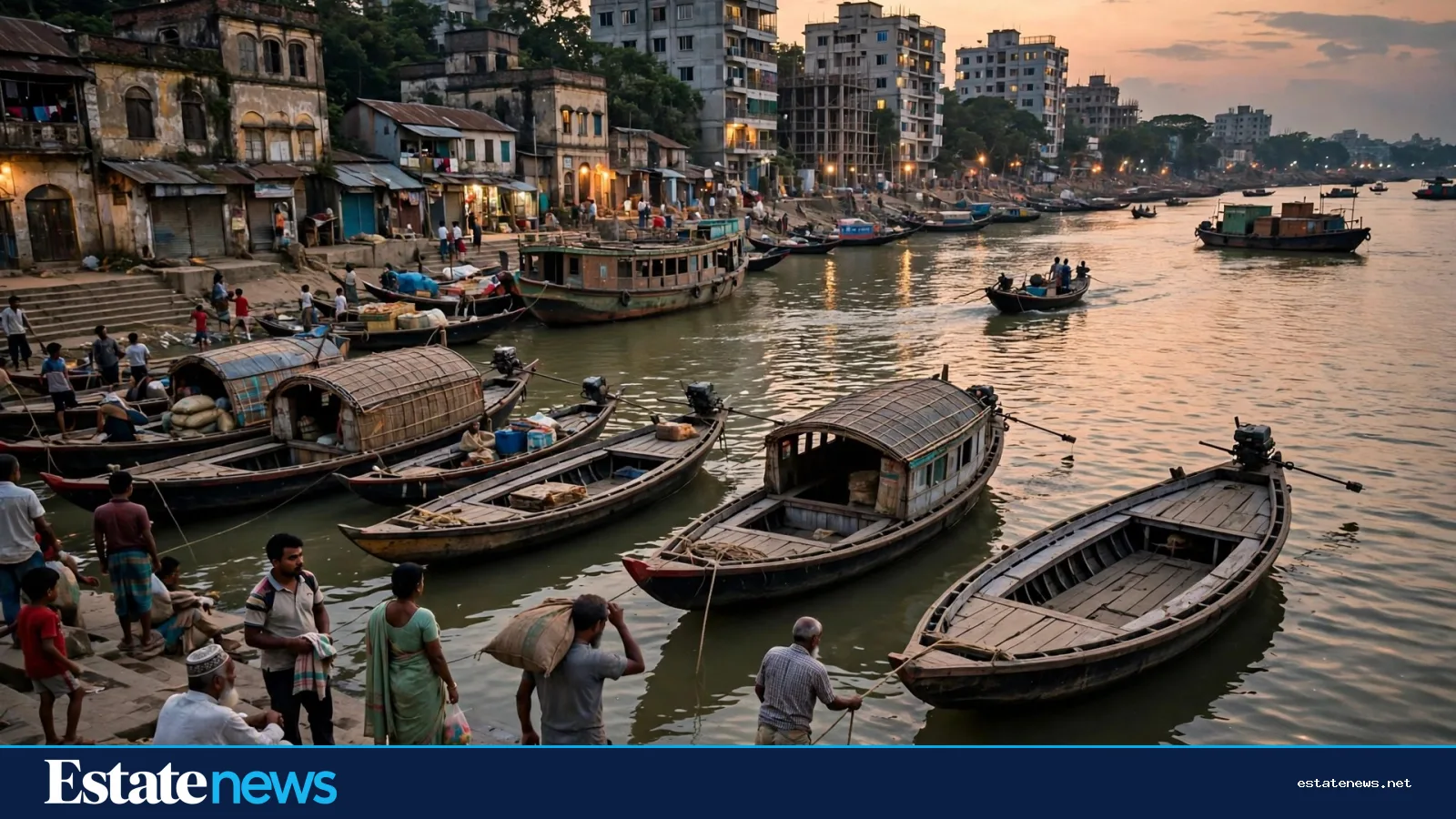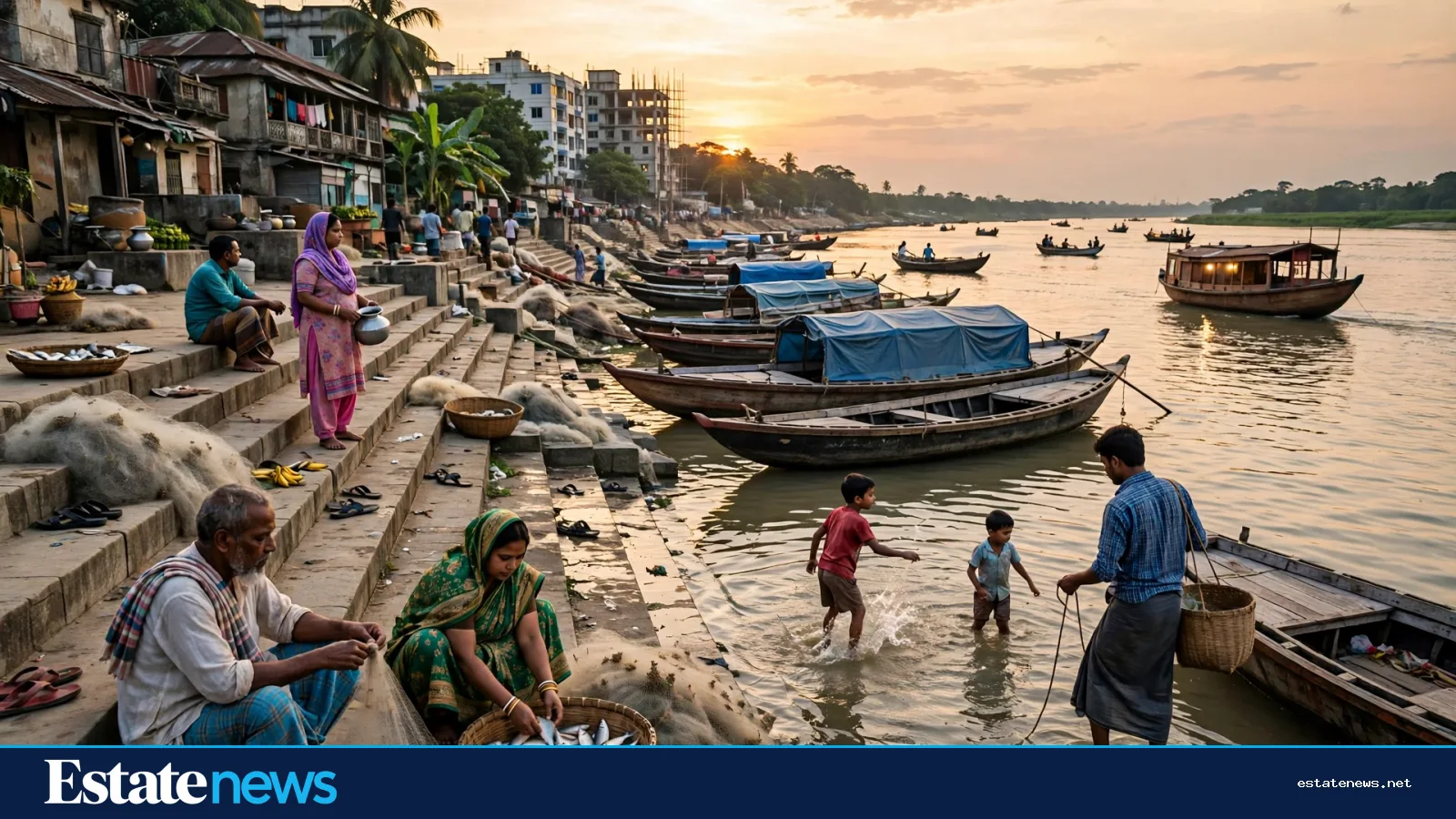
The ghat fills up before the light goes. Fishermen mend nets on the steps, a woman in a green sari sorts the morning catch into a basket, and children splash at the edge of the water while a wooden launch slides past with its lights on. Behind them, the bank rises in layers: tin roofs and old two-storey houses, then concrete blocks going up floor by floor, laundry strung across the balconies. The Kirtankhola moves past it all, wide and unhurried, the way it has for two hundred years.
Barisal is the river city of the south, and it is learning to build up. The city that grew sideways along the water, house by house and lane by lane, now has apartment blocks rising along the bank and families weighing a flat against a plot of their own. The question hanging over that change is a simple one: can a city built on launches and ghats grow taller without losing the water that made it?
The place has always been a port before it was anything else. The region was once known as Chandradwip and Bakla, and the district that became modern Barisal was Bakerganj, set up in 1797 under the Bengal Presidency. Four years later, in 1801, the district headquarters moved to Barisal town, because the river port made it the natural centre for the southern delta. A municipality followed in 1876, one of the oldest in the country, and the town grew through the late colonial years as a rice-trading and steamer port. The nickname stuck: the Venice of the East, a city of rivers and canals where the boat was the bus and the ghat was the market square.

That history still shows in the street names and the institutions. Ashwini Kumar Dutta, the reformer who founded Brojomohun College, worked here in the late nineteenth century, and A. K. Fazlul Huq, who became the first prime minister of undivided Bengal, came from this soil. The college, the courts, the hospitals and the markets of the city still draw people in every day from the districts around it. On 1 January 1993, Barisal became the headquarters of a new division, carved out of Khulna Division with six districts: Barisal, Barguna, Bhola, Jhalokati, Patuakhali and Pirojpur. The municipality became Barisal City Corporation on 25 July 2002. At the 2022 census, the city corporation counted 419,484 residents across 30 wards, according to Bangladesh Bureau of Statistics figures, and the daily crowd is larger still, with students, patients, traders and litigants arriving from across the south.
A city that arrives by water
The launch is still the way most people picture Barisal, and the picture is not wrong. Overnight launches tie the city to Dhaka, and smaller boats fan out to the towns and villages of the division through a web of rivers. For a family moving to the city, that matters in a practical way. A teacher posted to Barisal can keep a home in Bhola or Patuakhali and come and go by water. A trader can bring paddy, coconut and betel nut in from the hinterland and sell it at the ghat markets the same day.
The road has changed the arithmetic, though. Since the Padma Bridge opened in 2022, the drive to Dhaka no longer depends on a ferry queue, and the south has felt closer to the capital ever since. That closeness cuts both ways for housing. It makes Barisal easier to reach, easier to supply, easier to build in. It also puts the city in competition with every other town on the new road, for the same buyers, the same builders and the same bank loans.
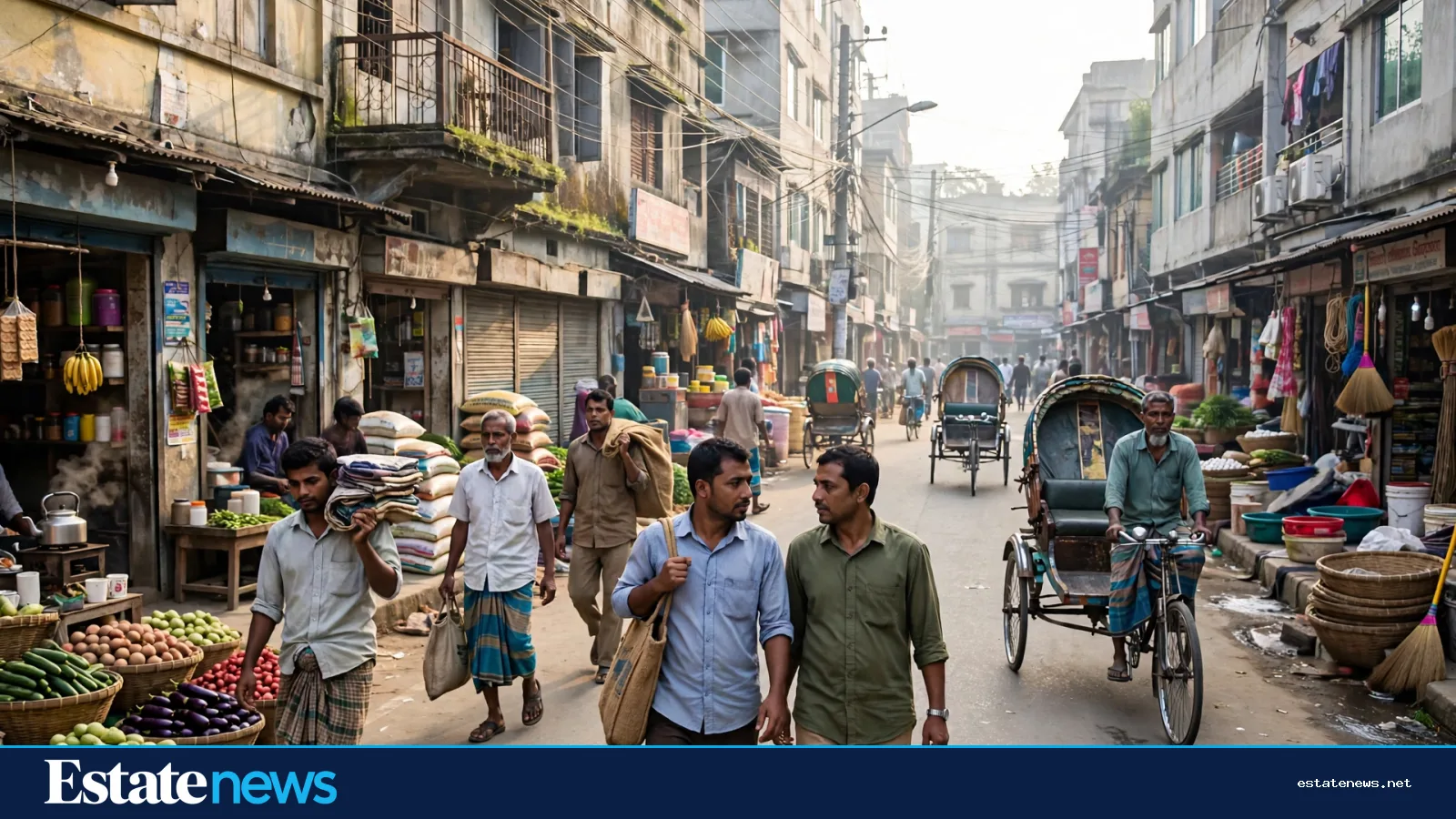
The working day in Barisal starts before the sun is properly up. Shop shutters roll up along the market streets, rickshaws gather at the corners, and men in shirts and lungis walk to the wholesale yards with sacks on their shoulders. The city runs on small trade, government offices, colleges and the hospital, and the people who keep those things running need somewhere to live within walking distance of them. That is the demand the new blocks are answering, one building at a time.
What a home looks like here
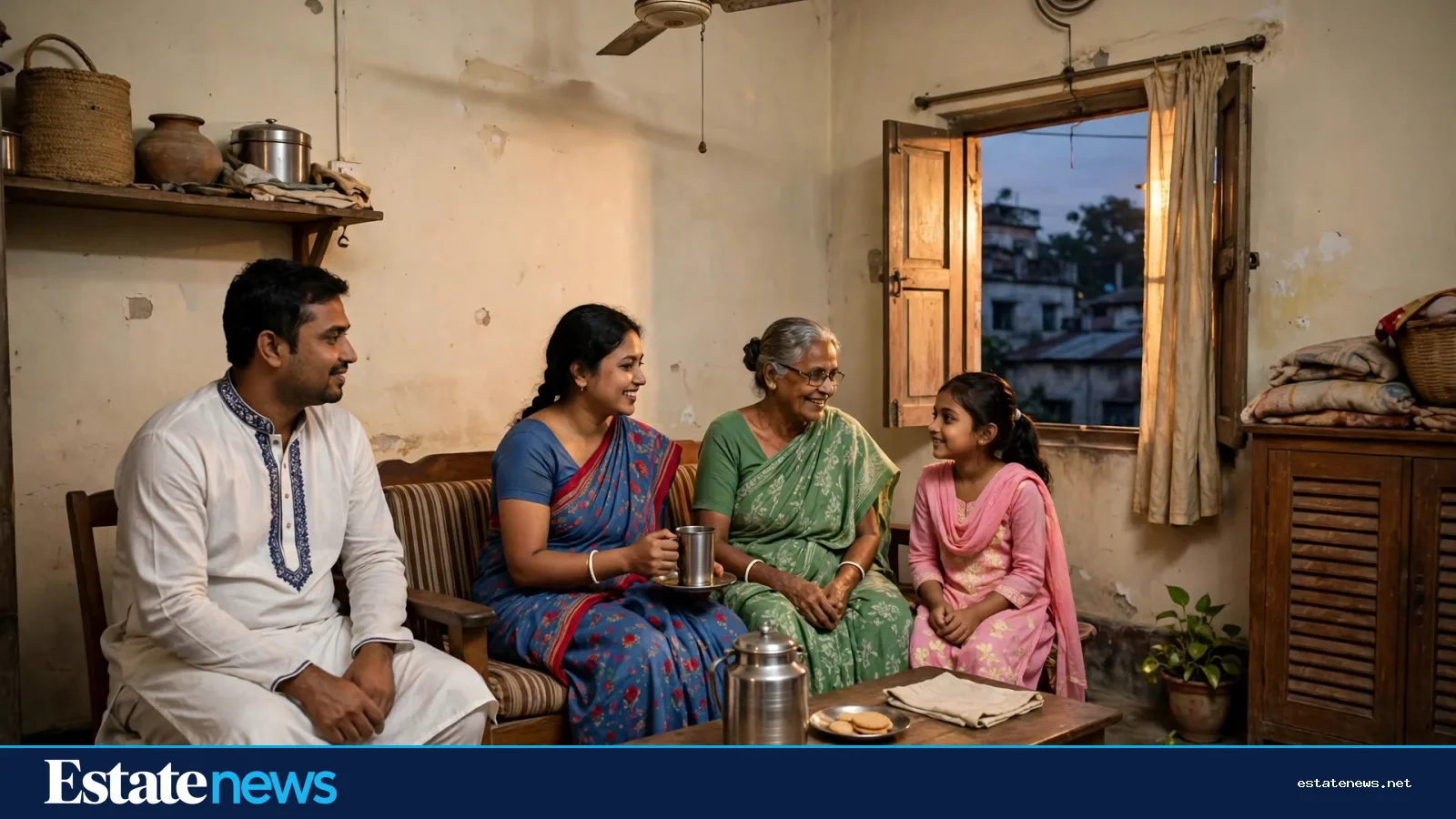
Inside a Barisal flat, the evening runs on a different clock from the street outside. The ceiling fan turns, tea is poured from a steel jug, and three generations sit together in a room that holds the whole family: a father in panjabi, a mother in sari, a grandmother in green, a child in pink listening to the talk. The furniture is simple wood, the walls are plain, and the window looks out over rooftops and tin sheds. It is a modest room, and it is the centre of the household.


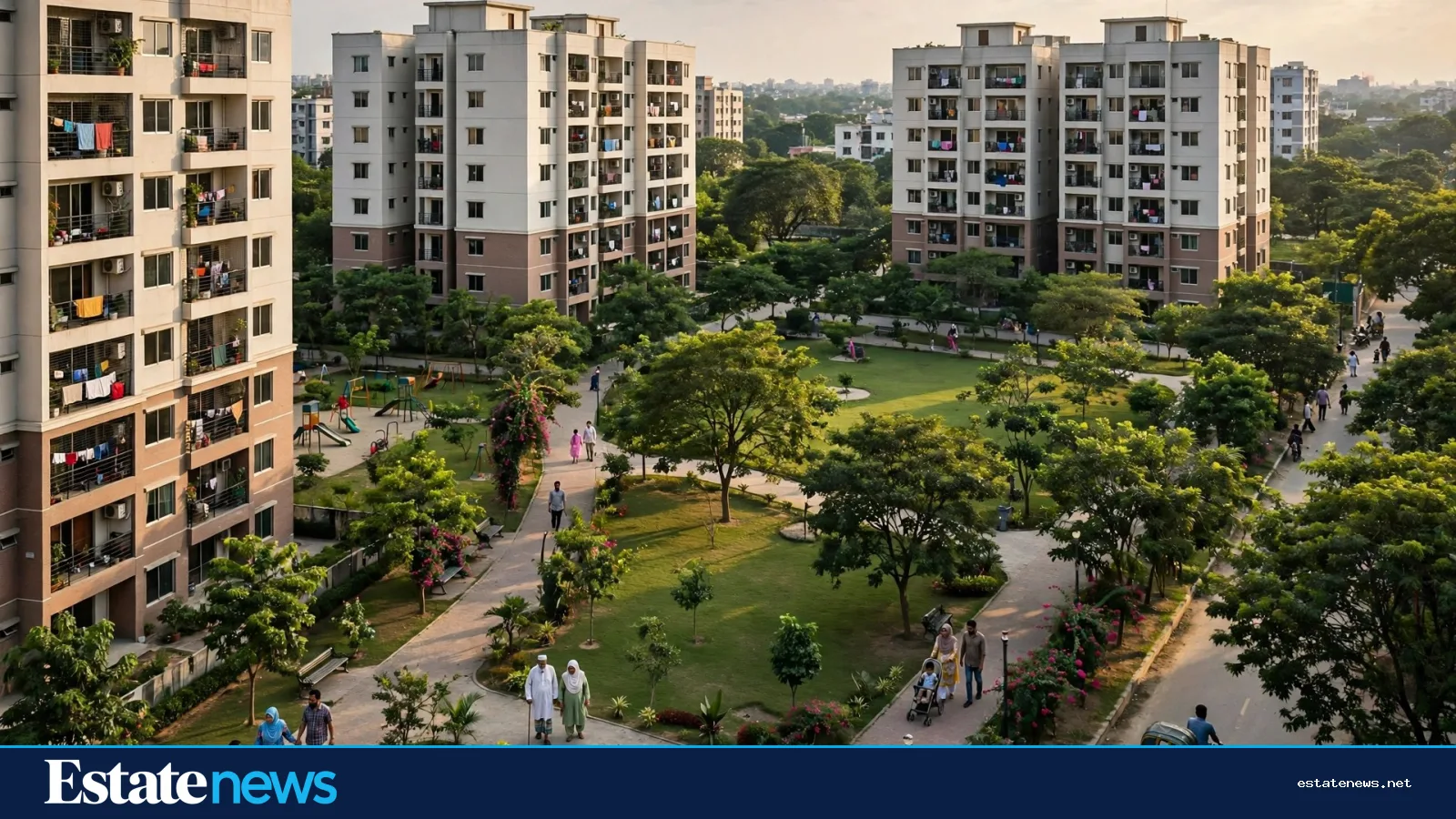
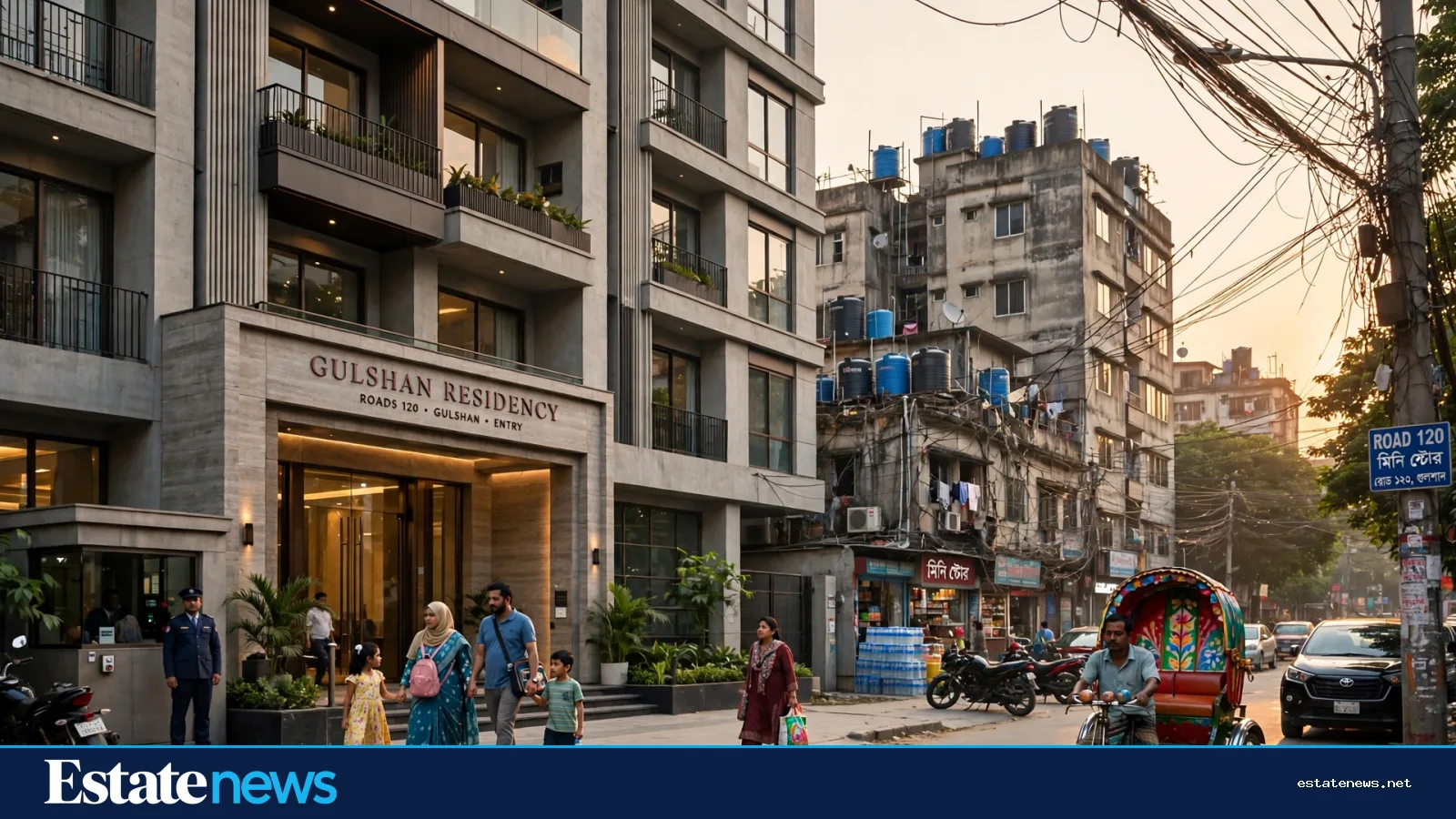
Most of the city's homes are still like that: small flats and older houses, rented or owned, shared by extended families. The new apartment blocks add a different shape to the mix, with a gate, a lift and a caretaker, and a monthly service charge that the older houses never had. Buyers here ask the same questions buyers ask in Dhaka, only with a river-town accent. Who built it, and what else have they built? Does the deed match the record? Is the building approved, and does the flat on the plan match the flat on the ground? Estate News has carried the same checks for buyers in other river cities, in "Narayanganj: The River City Where Dhaka's Workers Live" and in "Khulna: The Port City Where the South-West Buys Homes", and the answers matter just as much here, where the market is smaller and a bad purchase is harder to walk away from.
The land itself sets the terms. Barisal sits on flat delta ground only a few metres above sea level, and the rivers that feed it can also flood it. A plot that looks cheap in the dry months can turn out to sit low. The buyers who do best here walk the lane after rain, ask the neighbours about the last flood, and look at the plinth height before they look at the tiles.
Building up, slowly
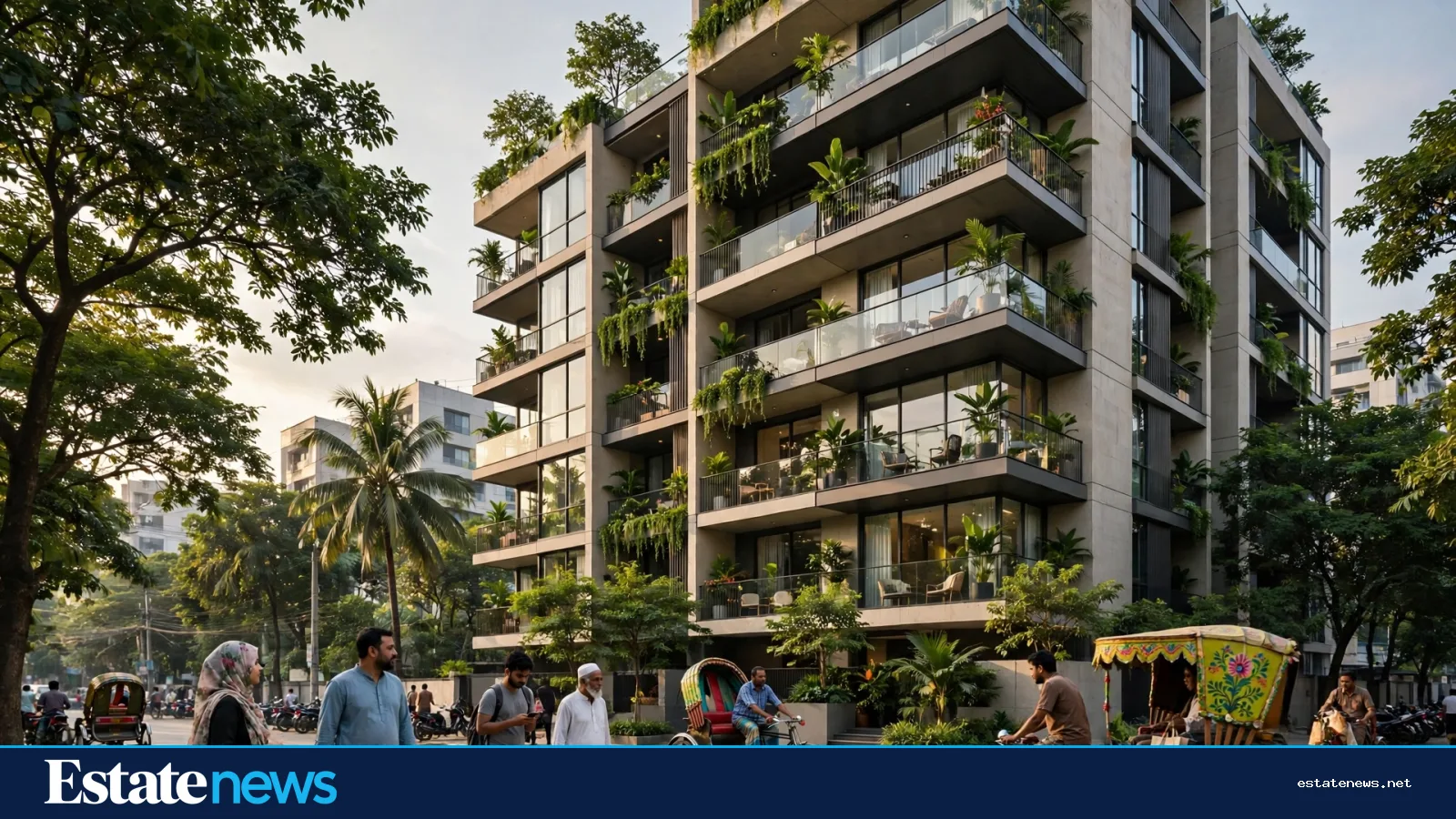
The blocks going up along the bank are not Dhaka towers. They are mid-rise, a handful of floors, built by local builders for local buyers, and they sell on the strength of the neighbourhood around them: the school down the road, the hospital two lanes over, the ghat at the end of the street. Nobody here is buying a view. They are buying a shorter walk to work and a roof that does not leak in the monsoon.
That modesty is the city's strength, and its risk. A slow market means fewer half-finished skeletons than a boom town would carry, and fewer buyers left holding a booking slip for a building that never comes. It also means the city grows in small steps. The builders who last here are the ones who finish what they start, keep the lift running and the stairs swept, and let the residents do the advertising by word of mouth.
Estate News has followed the same slow build in other divisional cities, most recently in "Rangpur: The Northern City Finding Its Own Buyers", and the pattern holds. The cities outside Dhaka do not boom. They accumulate, one building and one family at a time, until the skyline changes without anyone noticing the day it happened.
The river decides
Barisal's future will be written on the water as much as on the land. The launches still run, the ghats still fill at dusk, and the river still sets the rhythm of the working day. The new blocks along the bank will keep going up, and more families will choose a flat with a gate over a house with a yard. The test for the city is whether that growth keeps the river in daily life, or turns its back on it.
A city that forgets its river loses the thing that made people come here in the first place. Barisal still has its ghats, its boats, its fish baskets on the steps and its children splashing at the edge. If the buildings going up now keep their doors open to that life, the river city will have learned to build up without building away from itself.