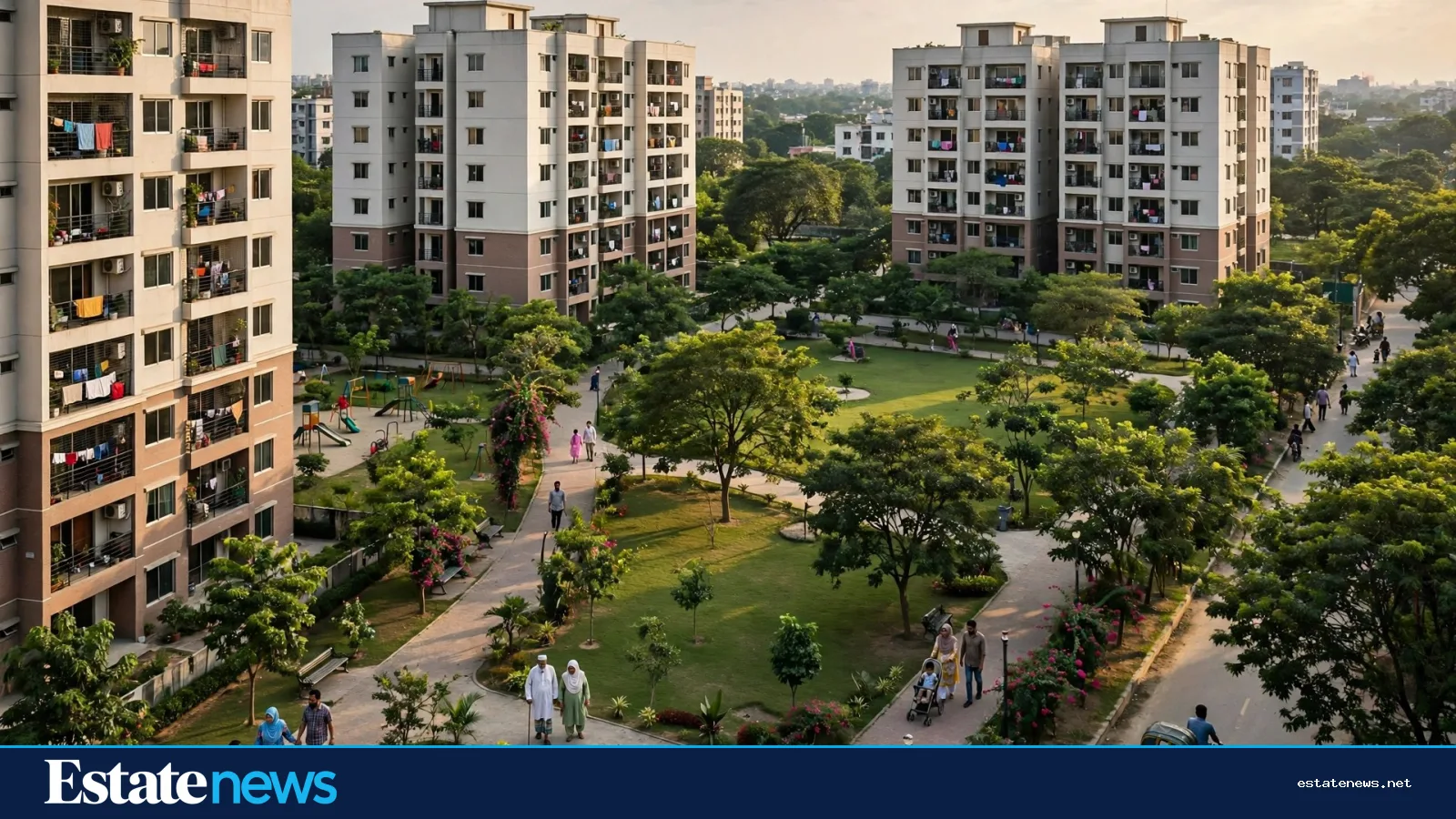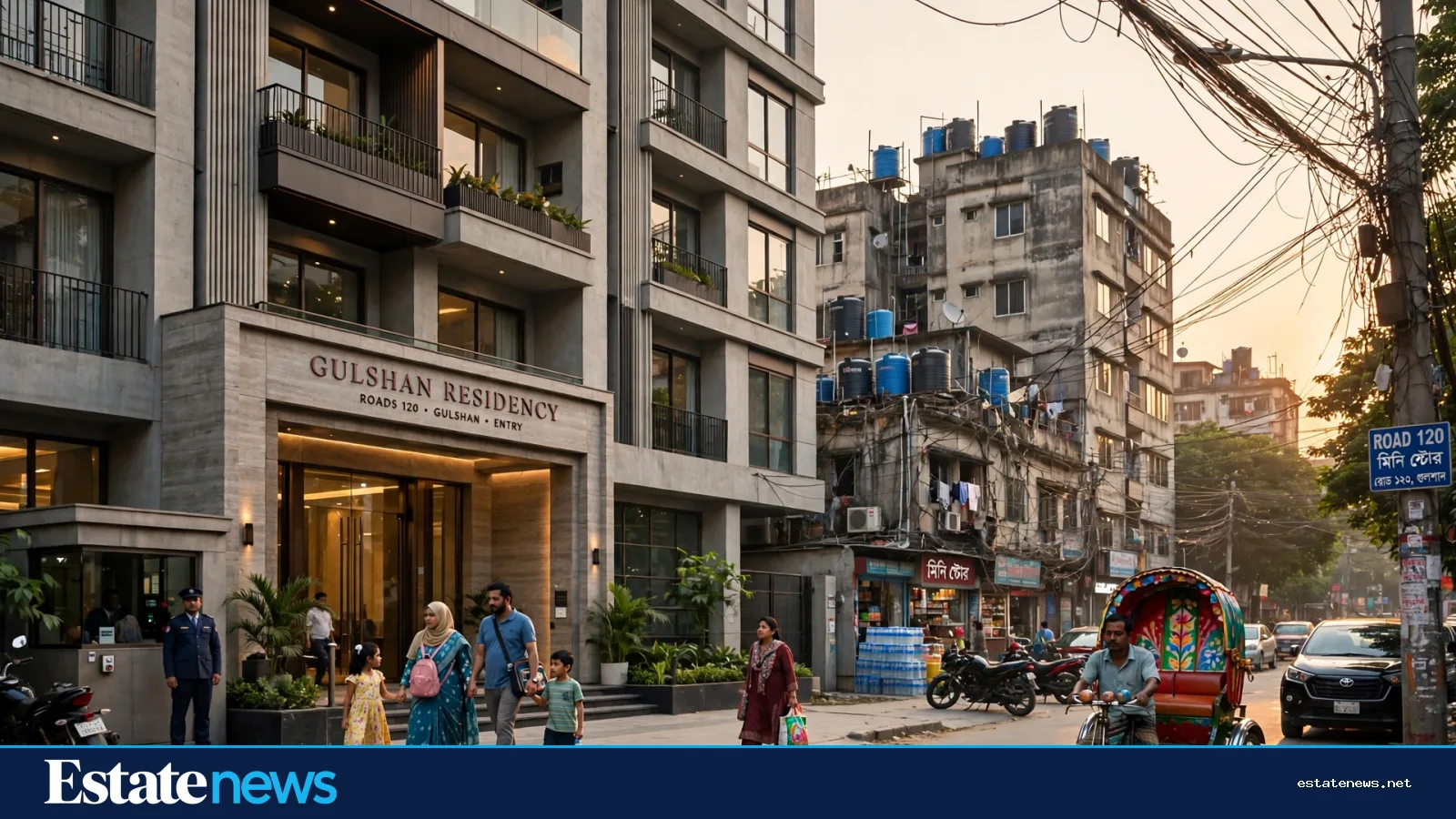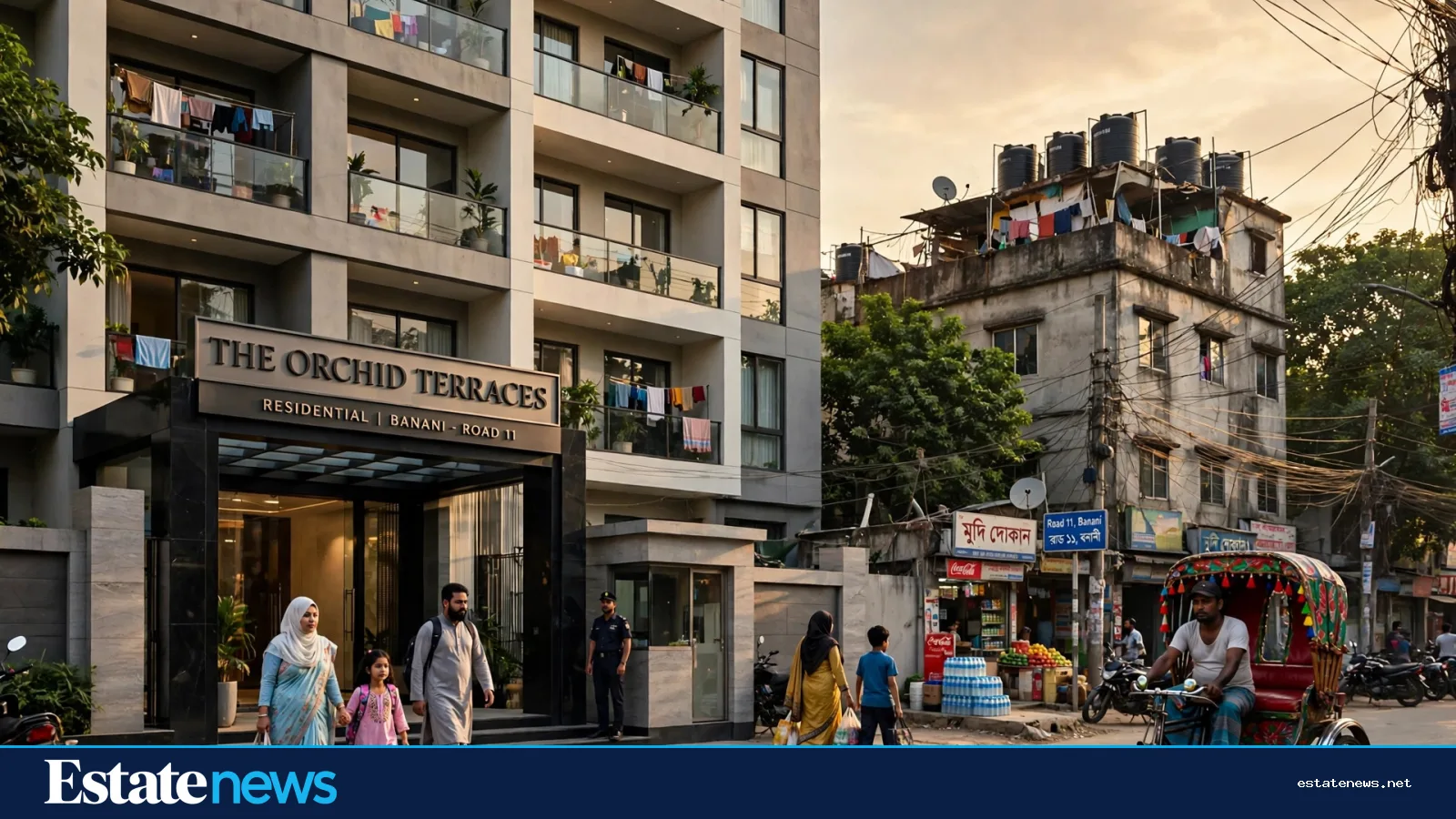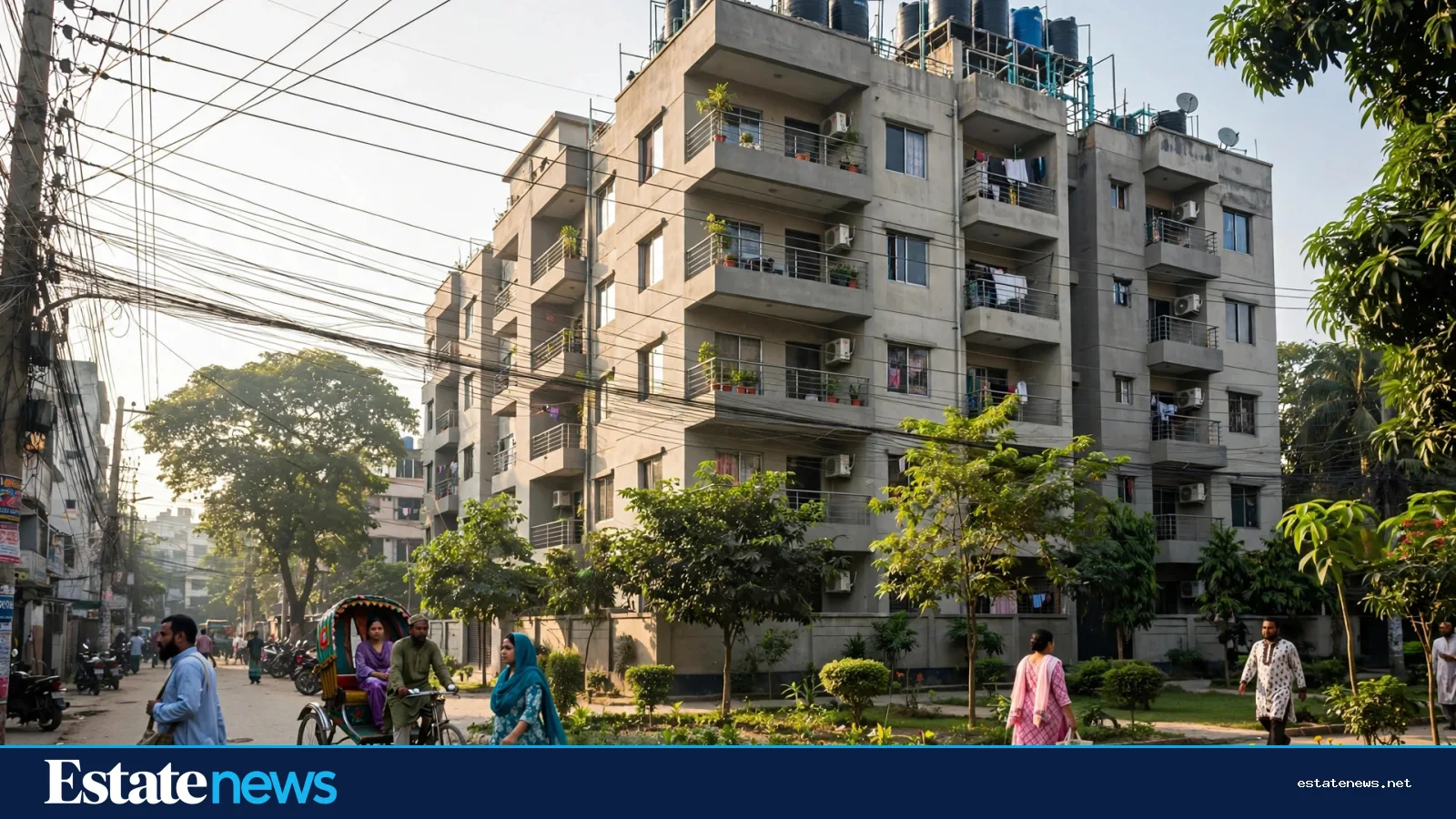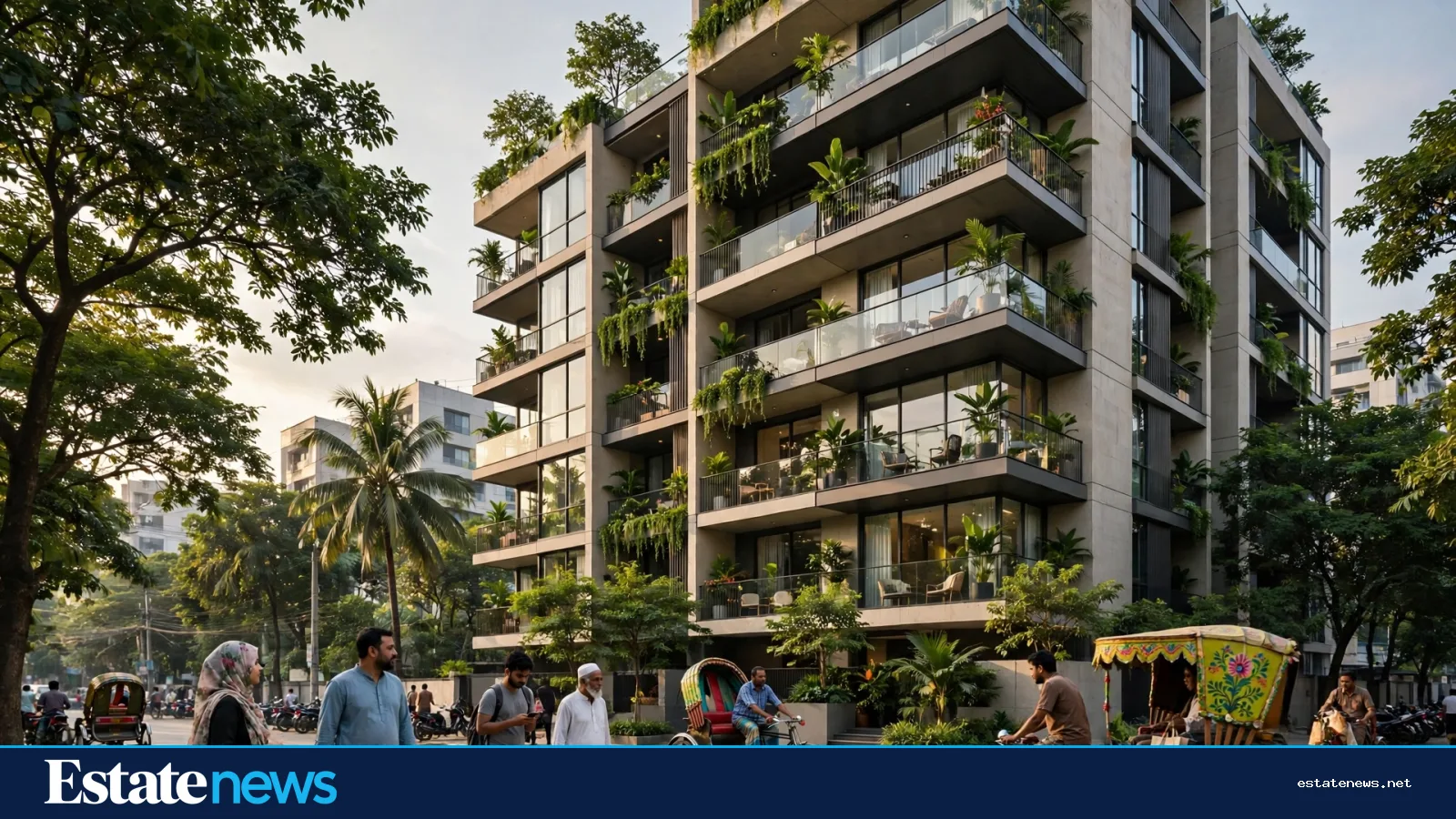
The light goes soft over Gulshan at half past four. Rickshaws drift past the gates of the mid-rise towers, a woman in a sari walks home with a shopping bag, and the balconies fill with potted plants and drying laundry. Nothing here shouts. The towers stand back from the road, the trees do their work, and the street keeps the quiet rhythm of a neighbourhood that knows what it is.
Bay Developments builds in this part of Dhaka. Gulshan, Baridhara and Banani are its ground, and its homes are made for buyers who want space, light and privacy rather than height and noise. The company keeps a low profile. It does not advertise loudly, and it does not build in volume. Its record is a short list of projects, each one small, each one finished, and each one sold to people who already knew the streets it stands on.
That restraint is the story. Dhaka's premium market is full of builders chasing scale, but Bay has spent its years doing the opposite: few buildings, large flats, and a design habit that treats the garden and the lake as part of the home. The company says nothing about prices in public. What its project pages do say is what each building is made of: the light, the air, the trees that were kept, and rooms sized for families who plan to stay.

The garden that came first
The clearest example sits in Gulshan. Gulfeshan, the company's project by the lake, launched in 1999 and finished in 2002. Ten flats, each between 3,200 and 4,000 square feet, all of them sold. The building stands on a 10-katha lawn with mature trees kept through construction, including two old Albizia trees that rise above the roofline. Large bay windows open onto the lake and the garden below, and double walls between the flats keep one family's life out of the next family's hearing.
The lawn was deliberate, a patch of green set against the older trees, and the red facing brick was chosen to sit beside glass and aluminium. A buyer at Gulfeshan was not buying square footage alone. The company was selling the quiet between the buildings, and the trees that made it possible.
Gulfeshan set the pattern Bay has followed since: small counts of flats, generous sizes, green kept where other builders would have paved. The project is more than two decades old now, and a buyer walking past it today can see, without a brochure, what a Bay building is meant to feel like.
One house, one family
Banani holds the company's most unusual project. Orbit House is a single private residence, seven levels high, built for one family. A double-height entry and atrium open the house to light. Two apartment floors sit above a dining area, a large banquet hall and a movie room. The company's page lists its launch and completion as still to be decided, and the house is described as an exceptional residence in one of Dhaka's most prestigious locations.
A single-family tower is a rare thing in Dhaka, where most premium builders stack dozens of flats into one block. Orbit House goes the other way. It is a house that happens to be tall, and it shows how Bay thinks about its buyers: not as a market to be served in bulk, but as families with their own way of living. The banquet hall and the movie room belong to one household, not a hundred.
Westlake and the Signature Series
The company's current flagship stands on Road 50 in North Gulshan. Bay's Westlake, the company's Signature Series building, holds 15 flats in duplex, simplex and penthouse layouts, ranging from 4,500 to 9,000 square feet. A reflection pool runs along the planted ground floor. Double-glazed windows run through the building. The rooftop carries a garden and an infinity pool. Each flat has a grand entry foyer, gallery and feature walls, tall ceilings and full-height windows.
Westlake also carries the company's most distinctive habit. Clients are brought in for what Bay calls Early Design Involvement, a process that lets each buyer shape the interiors of their own flat before it is finished. A family that will live in a flat for decades should have a say in how its rooms are arranged. In a market where most buyers take what the developer gives them, that is a real difference, and it explains why the company's flats run large.


An ICE Today feature from 2019, "Modern Opulence", walked through Westlake and noted the lake view, the greenery and the sense of a private retreat inside the city. The building still sets the standard the company's newer work is measured against.
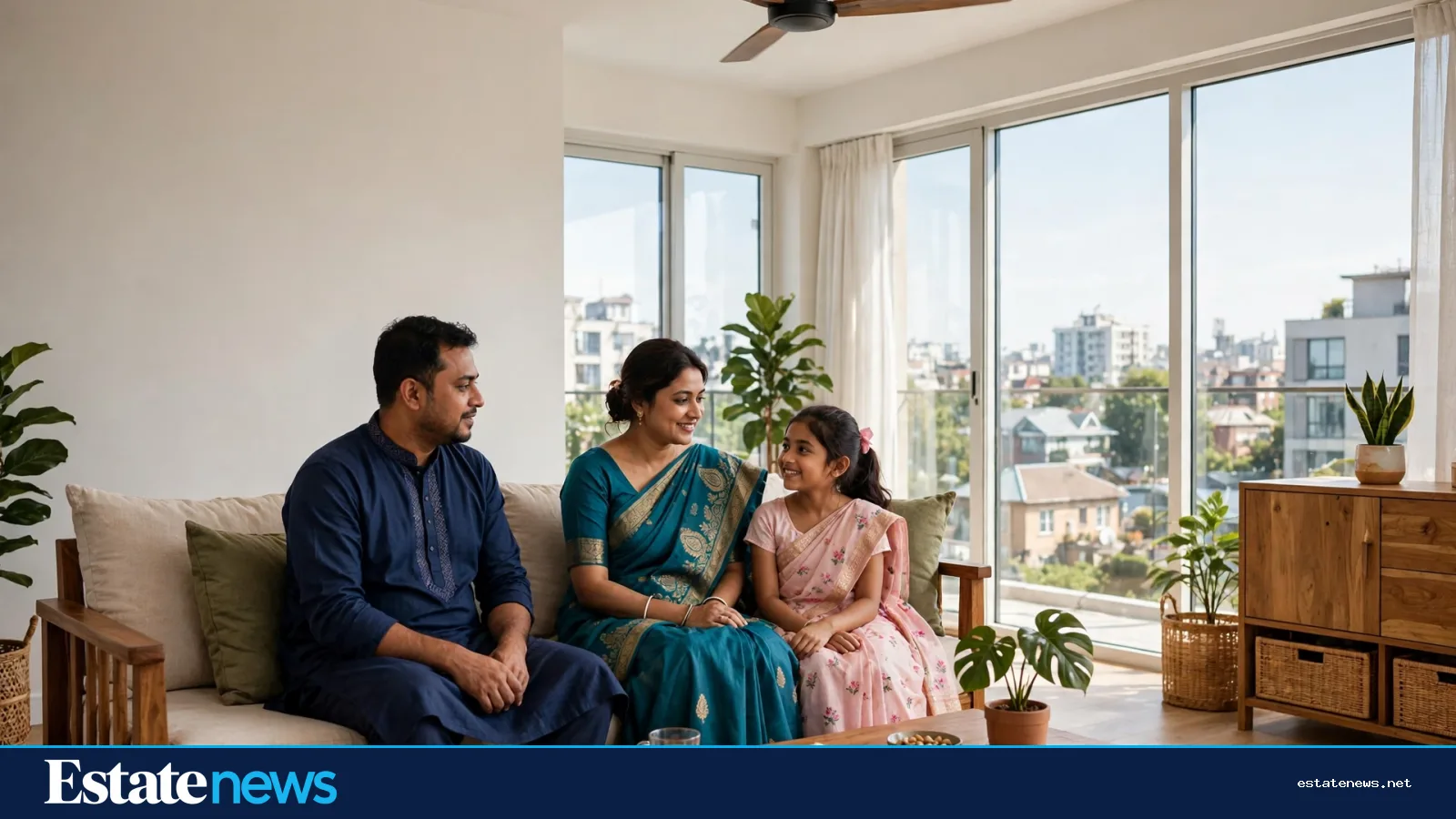
Step inside one of these flats in the late afternoon and the pitch becomes physical. The ceiling fan turns above a wooden dining table. Daylight comes through wide windows. A family sits together after the day's work, and the rooms feel finished for living in. Plants on the sill and a child's school bag by the door: the interior does the slow work of making a large development feel like a home.
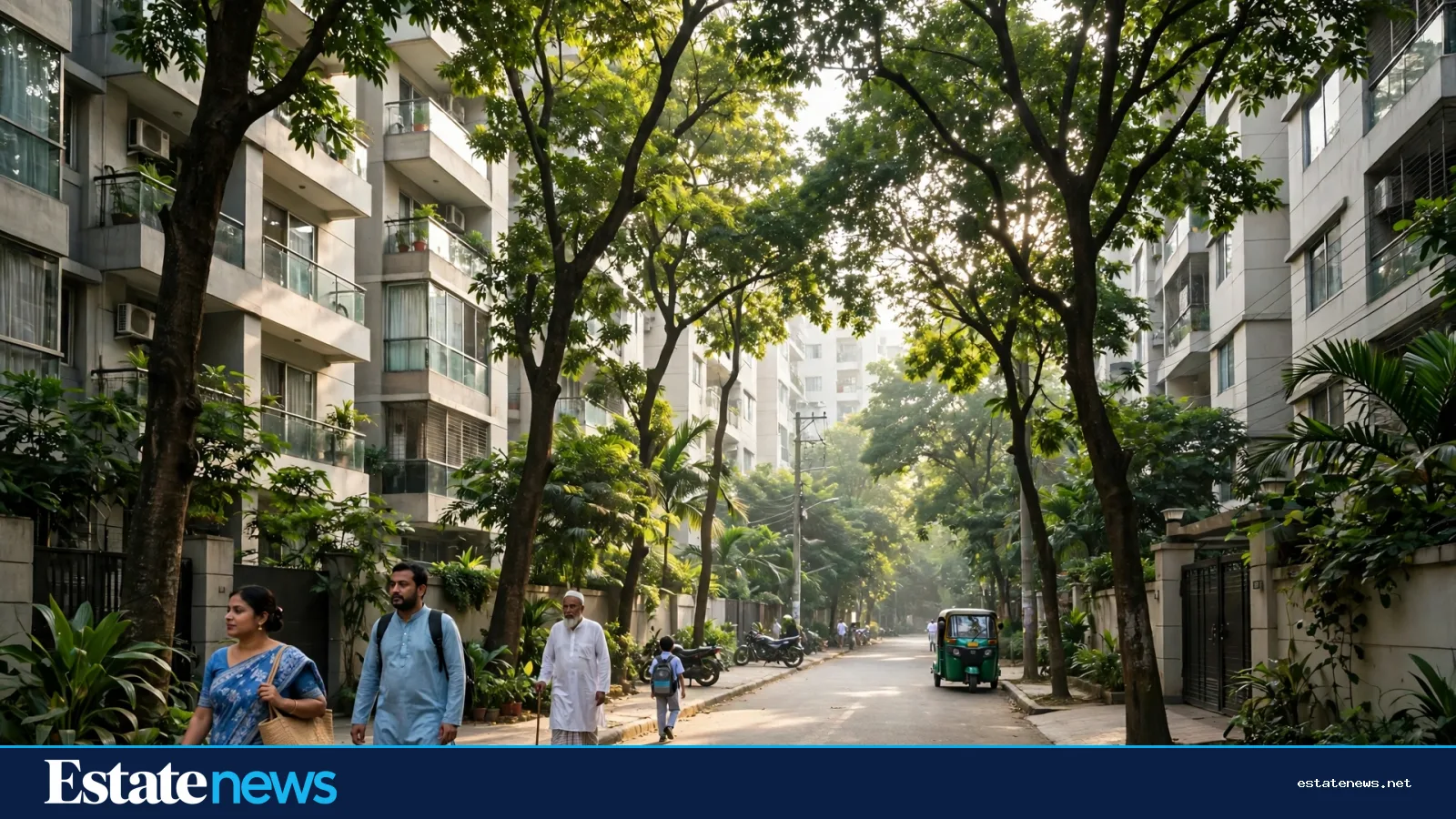
The streets do as much of the selling as the buildings. Gulshan's tree-lined roads, the lake, the embassies of Baridhara and the cafes of Banani make this corner of Dhaka a place people choose for the walk to school and the evening stroll as much as for the flat itself. A buyer here is buying into a neighbourhood that already works: the rickshaw stand at the corner, the fruit seller on the pavement, the mosque and the market within walking distance.
What the premium market is paying
The numbers behind this market are asking prices, not transaction prices, and they need to be read that way. Estate News's own area tracker, collected on 20 November 2026 from current public sale listings, puts the median asking price in Gulshan at Tk 20,000 per square foot, and in Banani at Tk 13,888. Dhanmondi matches Gulshan at Tk 20,000. What a buyer actually pays is settled in negotiation, and the gap between the two is where a good broker earns a fee.
Bay's own flats sit at the top of that market, and the company publishes no prices. The sizes tell part of the story: flats of 4,500 to 9,000 square feet at Westlake, and 3,200 to 4,000 at Gulfeshan, are not built for first-time buyers. They are built for families moving up within the same streets, and for buyers returning from abroad who want the address to match the move.
Estate News has profiled the same kind of builder before: "Asset Developments: Dhanmondi's Quiet Premium Builder", "Anwar Landmark: The Quiet Builder of Dhanmondi and Gulshan", and "ABC Real Estates: The Quiet Premium Builder From Banani to Uttara". Bay belongs in that company: a developer whose name travels by word of mouth among buyers who already live in the premium streets, rather than by hoardings on the highway.
The checks before you buy
A premium address does not remove the ordinary checks. The deed and the chain of title, the RAJUK approval for the building, the handover terms written into the agreement, and the registration cost after purchase all matter as much as the lake view. A buyer should see the approval papers, confirm the flat's size against the deed, and read the handover clause before signing. The registration cost alone runs to several percent of the price, and it is worth counting before the deal is agreed rather than after.
For a building like Westlake, with customised interiors, one more question belongs on the list: what exactly is included in the price. A flat shaped around one family's choices can be harder to resell to the next family, and a buyer should know which fittings travel with the flat and which were personal to the first owner.
Bay Developments will not be the biggest builder in Dhaka, and it does not seem to want to be. Its projects are few, its flats are large, and its streets are the same three neighbourhoods it has always worked in. The test for a builder like this is not how fast it grows. It is whether the next project feels as considered as Gulfeshan did in 2002, and whether the quiet the families paid for is still there when they come home in the evening.