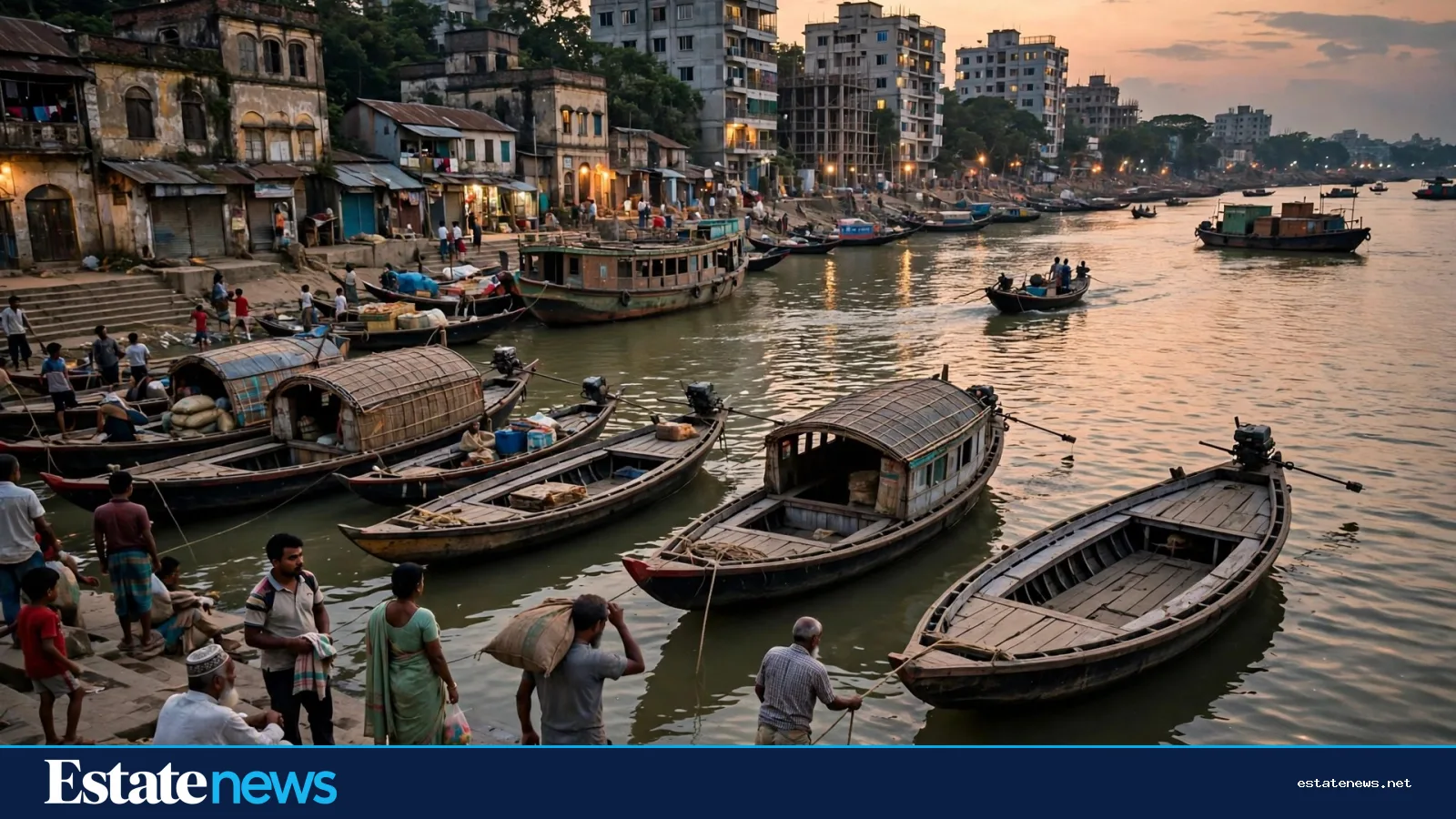
The boats come in before the light does. On the Shitalakshya at Narayanganj, the launches nudge against the ghat in the half dark, and the men who work the river tie up and step ashore with sacks on their shoulders. A woman in a sari waits on the steps with a plastic bag of vegetables. An old man in a white panjabi and a prayer cap sits and watches the water, the way men who have lived by a river always do. Behind them, the bank rises in layers: tin-roofed shops, weathered brick houses, and new apartment blocks going up behind bamboo scaffolding. The river is still the first thing you notice. The buildings are the second.
Narayanganj is the city Dhaka leans on. It sits where the Shitalakshya bends past the capital's eastern edge, close enough that a worker can live here and work in Dhaka, and old enough that its port predates most of the capital's modern neighbourhoods. For generations it was a jute town. Then it became a garment and industrial belt. Now it is both of those things at once, a working city of factories, warehouses, launches and flats, where the housing question is never abstract. It is the room a family sleeps in after a twelve-hour shift, and the rent that has to be found at the start of the month.
A port before the factories

Narayanganj grew up on the river because the river was the road. Boats carried jute and goods down the Shitalakshya to Dhaka and on to the sea, and the ghats filled with traders, boatmen and labourers. The town's name is tied to that trade, and its streets still run the way a river town's streets run: towards the water, past the market, past the mosque, and back to the lanes where people live.
The jute years gave the city its most famous address. Adamjee Jute Mill was set up at Siddhirganj, about six kilometres north of Narayanganj, in 1950, on the bank of the Shitalakshya, and it grew into the largest jute mill in the world. Banglapedia records that it was closed on 30 June 2002, after years of losses. The Daily Star, reporting on the site years later, put the accumulated loss at about Tk 13 billion and the jobs lost at an estimated 20,000 to 25,000 workers. A whole workers' town, Adamjee Nagar, had grown around the mill, with its own housing, schools and markets. When the mill shut, the town did not disappear. It waited.
What came next was not another mill. The government handed the land to the Bangladesh Export Processing Zones Authority on 1 December 2004, and the Adamjee Export Processing Zone was inaugurated on the same ground on 6 March 2006. The looms were gone. The factories that moved in made other things, for other buyers, under a different set of rules. The site that once defined jute in Bangladesh now defines something else: the way an old industrial town reinvents itself without moving.
The working city
By seven in the morning the streets are already full. Men in shirts carry cloth bags to the factory gate. Women in salwar kameez walk in small groups, talking as they go. Rickshaws thread between the shops, and the tea stalls are doing their best business of the day. The factories are not all in one place. Some sit inside the export processing zone. Others line the roads out of town, in sheds and low buildings that look temporary until you notice how long they have been there.
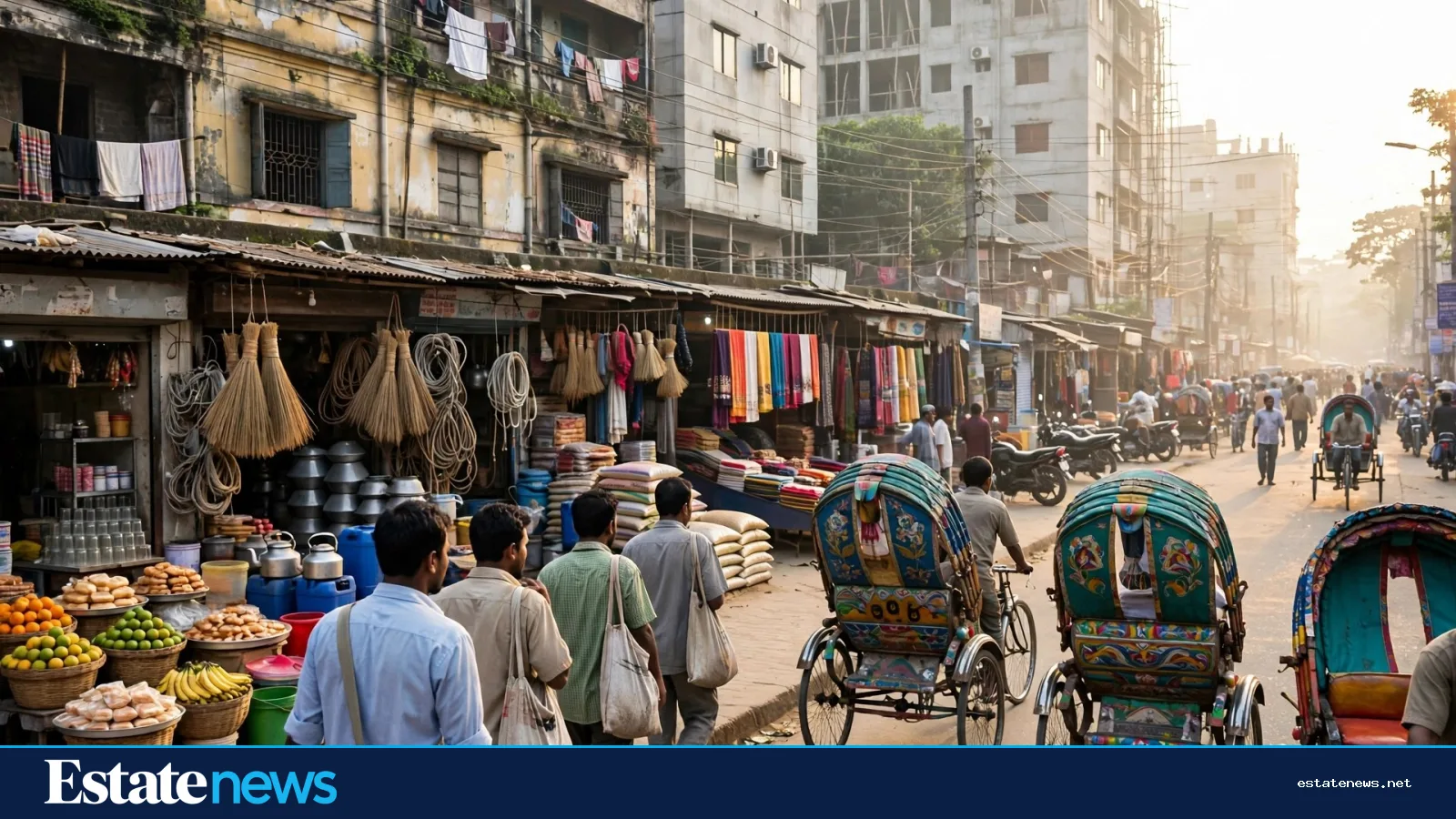
The work is the reason the housing exists. Garment factories, dyeing units, warehouses and the small workshops that serve them employ the people who fill Narayanganj's flats and rented rooms. Some workers live in the city and walk to the gate. Others live here and travel to Dhaka, on the launch or by road, because the rent in the capital is out of reach and the river city is close enough to make the journey bearable. The launch terminal is part of the housing story in a way no estate agent would list: it is the link that lets a family live in Narayanganj and earn in Dhaka.


Estate News has followed the same pattern in other factory towns. "Savar: The Town That Makes the Clothes and Builds the Homes" looked at how a town on Dhaka's western edge houses the workers of its own factories, and "Gazipur: The Factory Belt Turning Into a Housing Market" traced the same change north of the capital. Narayanganj is the older version of that story. Its factories came first, and its housing grew around them, lane by lane, without a master plan.
How workers' families live
Step inside one of those flats in the evening and the city's working day comes home with the people who live there. A ceiling fan turns over a small living room. A man in a panjabi sits on a wooden chair after his shift, a woman in a sari talks with her son on the sofa, and a plate of cut guava waits on the table. The furniture is simple and the walls are plain. The room works hard: it is a sitting room, a dining room and, on some nights, a study corner for the child.
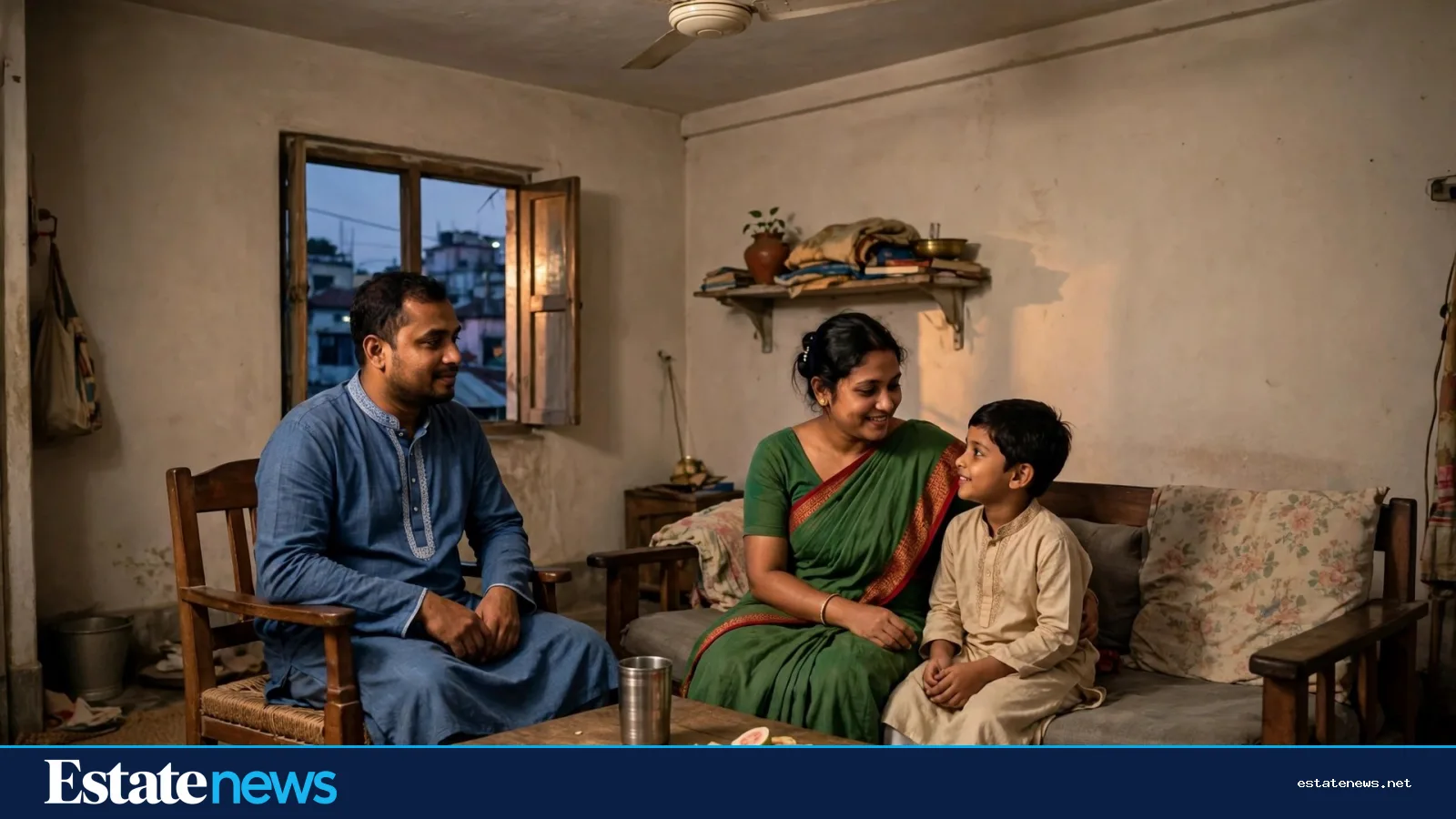
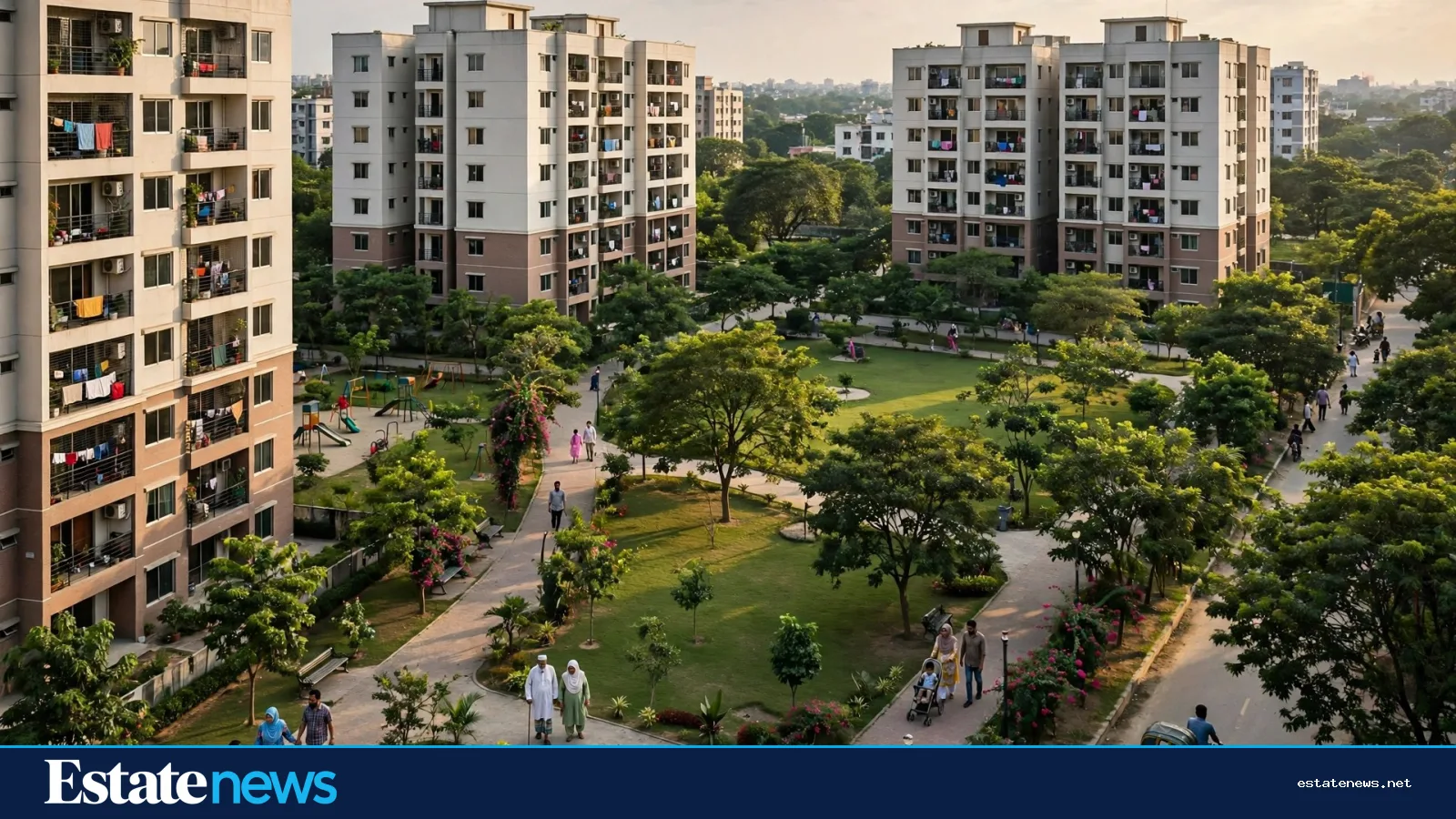
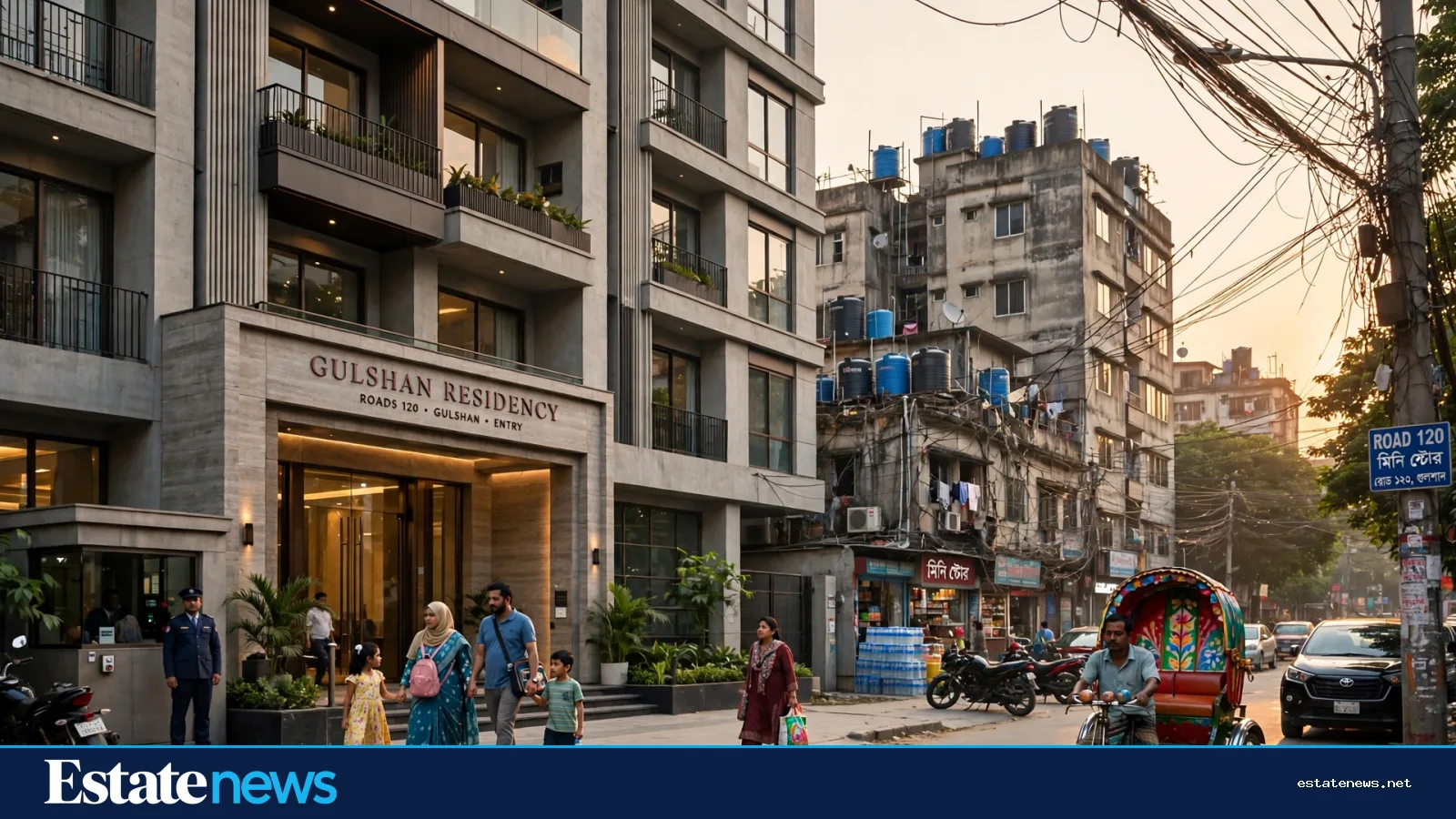
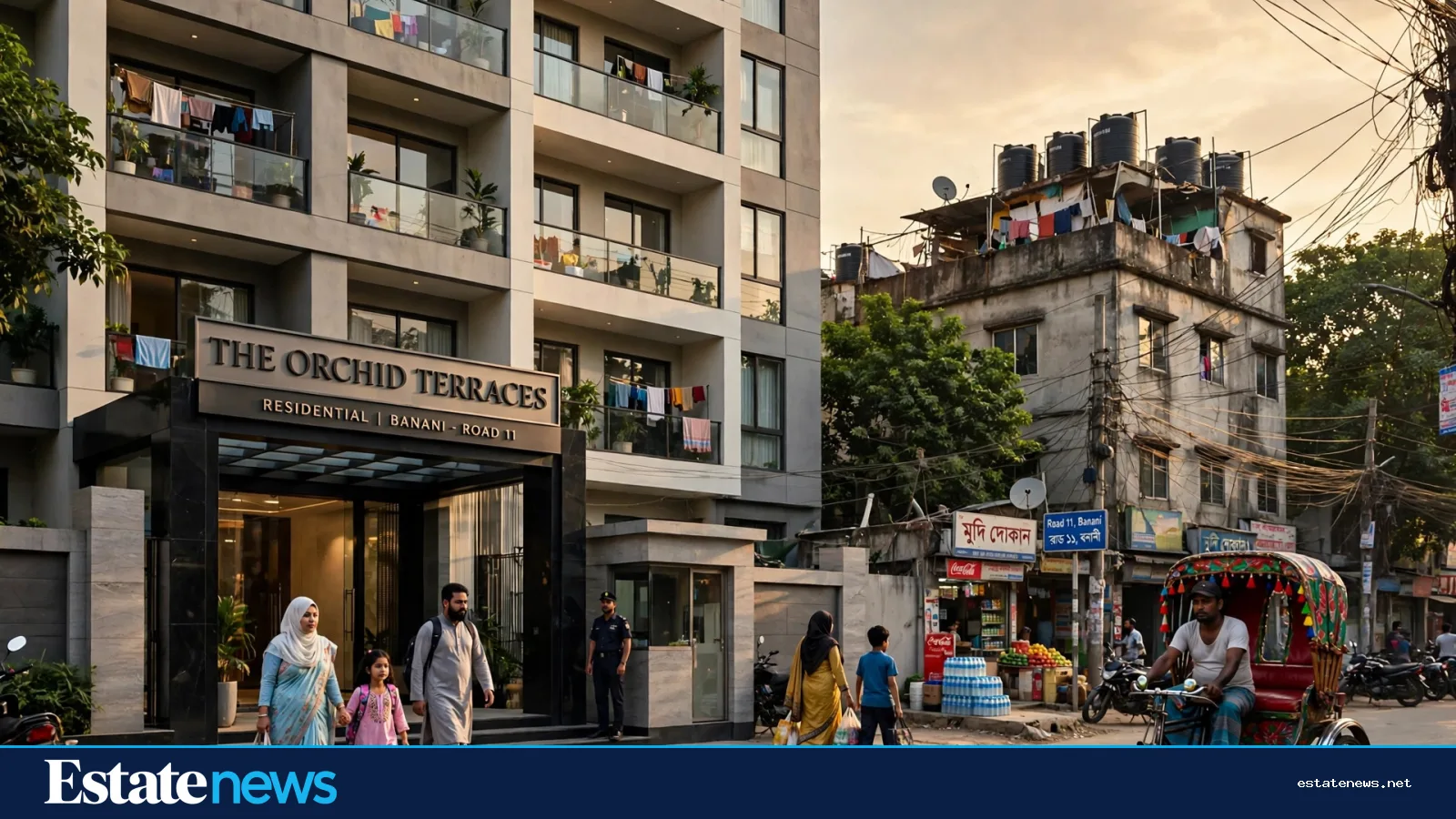
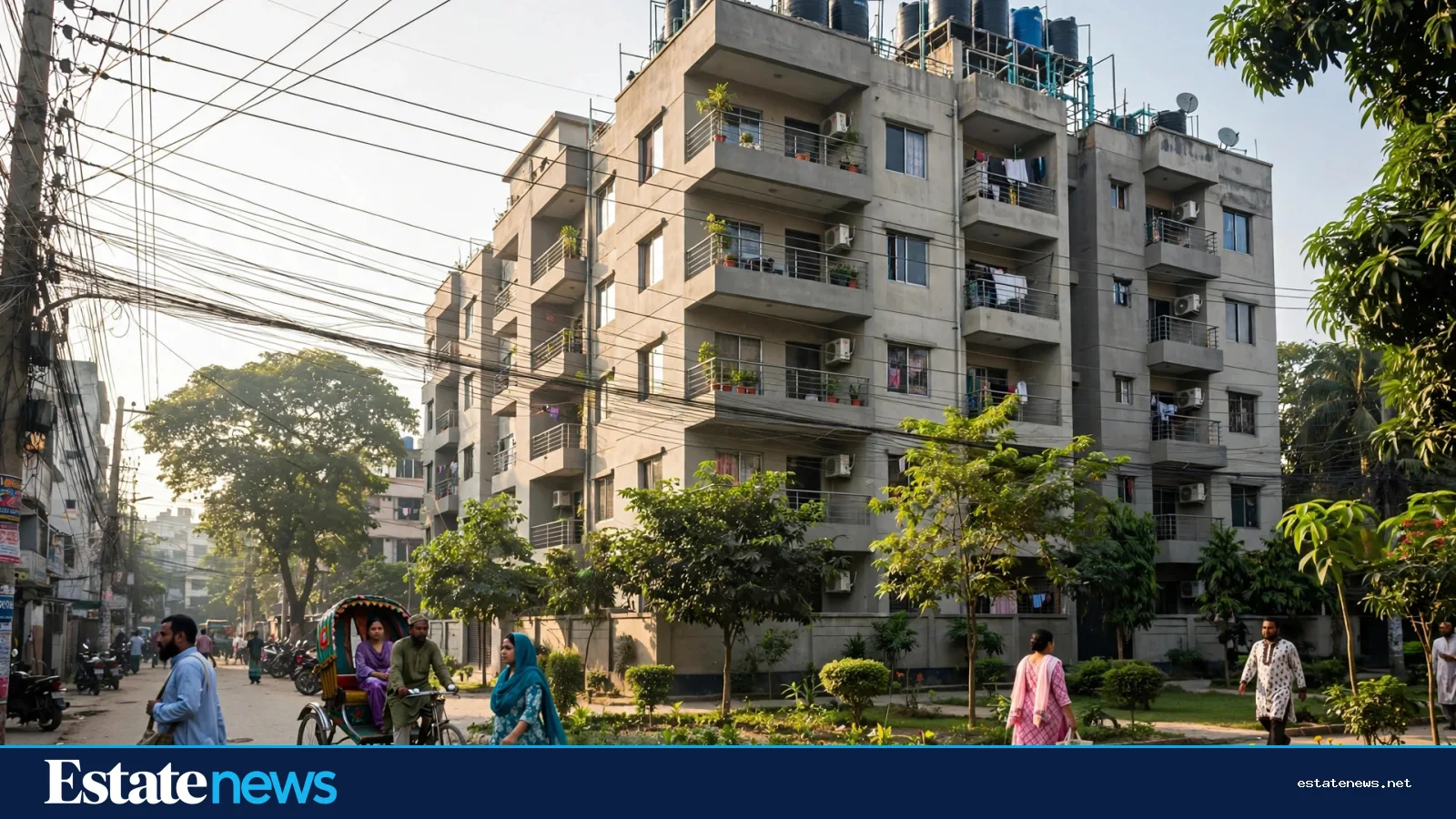
That modesty is the point. Narayanganj's housing market is not built on premium towers and club houses. It is built on small flats, rented rooms and family houses that have been divided and divided again as children grew up and married. A worker's family rents what it can afford near the factory or the launch terminal, and moves when the rent rises or the job moves. The landlord is often a neighbour. The caretaker knows the family by name. The building has no lift and no generator, and nobody pretends otherwise.
The pressure on that housing comes from two directions. The factories keep hiring, and Dhaka keeps pushing workers outwards as its own rents climb. Every new factory floor in the export processing zone or along the river road adds families who need a roof within walking distance or a short ride of the gate. The city has answered with more floors on old plots, more rooms in old houses, and new apartment blocks on the bank where the jute godowns used to stand. None of it is planned in the way a new Dhaka suburb is planned. All of it is lived in.
The river still decides
For all the factories, the river still sets the terms. The ghat is where the day starts and ends. The launches carry workers and traders. The water carries the city's waste, and the smell on a hot day tells you what the river has been asked to absorb. Flooding is a fact of life in the low lanes near the bank, and a family that rents there learns the monsoon the way it learns the factory's overtime calendar: by living through it.
That is the honest side of the story, and it matters for anyone thinking about a home here. A flat near the ghat is close to work and close to the water. A flat on higher ground costs more in time or money. The choice is never only about the rooms. It is about the walk to the gate, the launch timetable, and whether the lane outside the door stays dry in July.
Narayanganj's future will be written the same way its past was: by the river and by the work. The export processing zone keeps filling. The garment and industrial belt keeps spreading along the roads to Dhaka. The launches keep running. And the families keep finding rooms, splitting houses, and putting up new floors where the old ones ran out. The city does not advertise itself. It does not need to. Every morning, the boats come in, the gates open, and the workers who keep the capital running go home to the river city at the end of the day.