Nine Bangladeshi industrial groups moved more than $1 billion of trade each in the last financial year. Together they handled $14.55 billion of imports and exports, including customs duties and taxes, or $12.87 billion in goods alone. That is nearly 11 percent of everything Bangladesh traded with the world in FY2025-26, according to National Board of Revenue data analysed by Prothom Alo.
The year itself was not an easy one for industry. Energy shortages disrupted factory production, and exports recorded no significant growth, Prothom Alo reported on 9 November. The nine groups crossed the threshold anyway. In the previous financial year, eight groups had made the list. This year there are nine.
Meghna Group of Industries kept the top spot. Its import and export trade, including customs duties and taxes, came to about $3.269 billion, up 14 percent on the previous year. PRAN-RFL Group ranked second at $2.262 billion, up 19 percent. Then came Youngone Corporation of South Korea at $1.755 billion, Abul Khair Group at $1.600 billion, Square Group at $1.218 billion, BSRM at $1.167 billion, TK Group at $1.126 billion, Khair Kashem Group at $1.074 billion, and Ha-Meem Group at $1.050 billion.

What a billion dollars actually measures
The figure needs reading carefully, because it is easy to mistake it for something it is not. The billion-dollar threshold counts a group's import expenditure, including customs duties and taxes, plus the value of its exported goods and services. It does not represent total sales, and it does not represent profit. A group can move a billion dollars of goods through the ports and still earn a thin margin on them.
The split shows why. The nine groups imported goods worth $9.83 billion during the year and exported goods worth about $3.05 billion. They paid Tk 199.44 billion, around $1.63 billion, in customs duties and taxes at the import stage. Add it all together and the combined trade comes to $14.55 billion. Take out the duties and taxes and count only the goods, and the figure is $12.87 billion, against the country's total import and export trade of $119.33 billion.
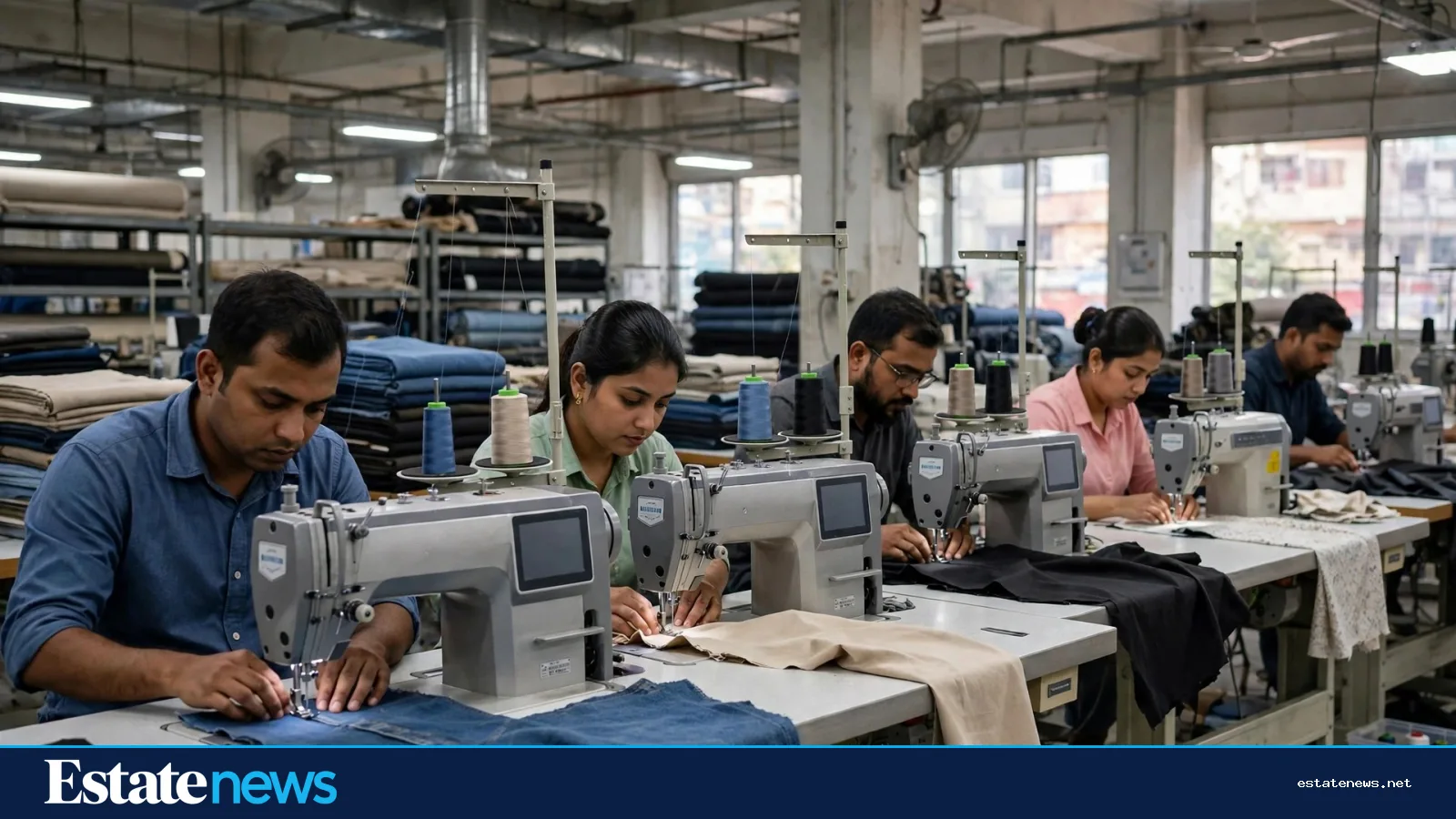
About 600,000 people work in the nine groups, according to the report. That is the number that connects the trade figures to the housing market. Six lakh jobs, spread across factories, mills, warehouses and offices, mean six lakh households with an income, a commute and a place to live.
The steel name on the list


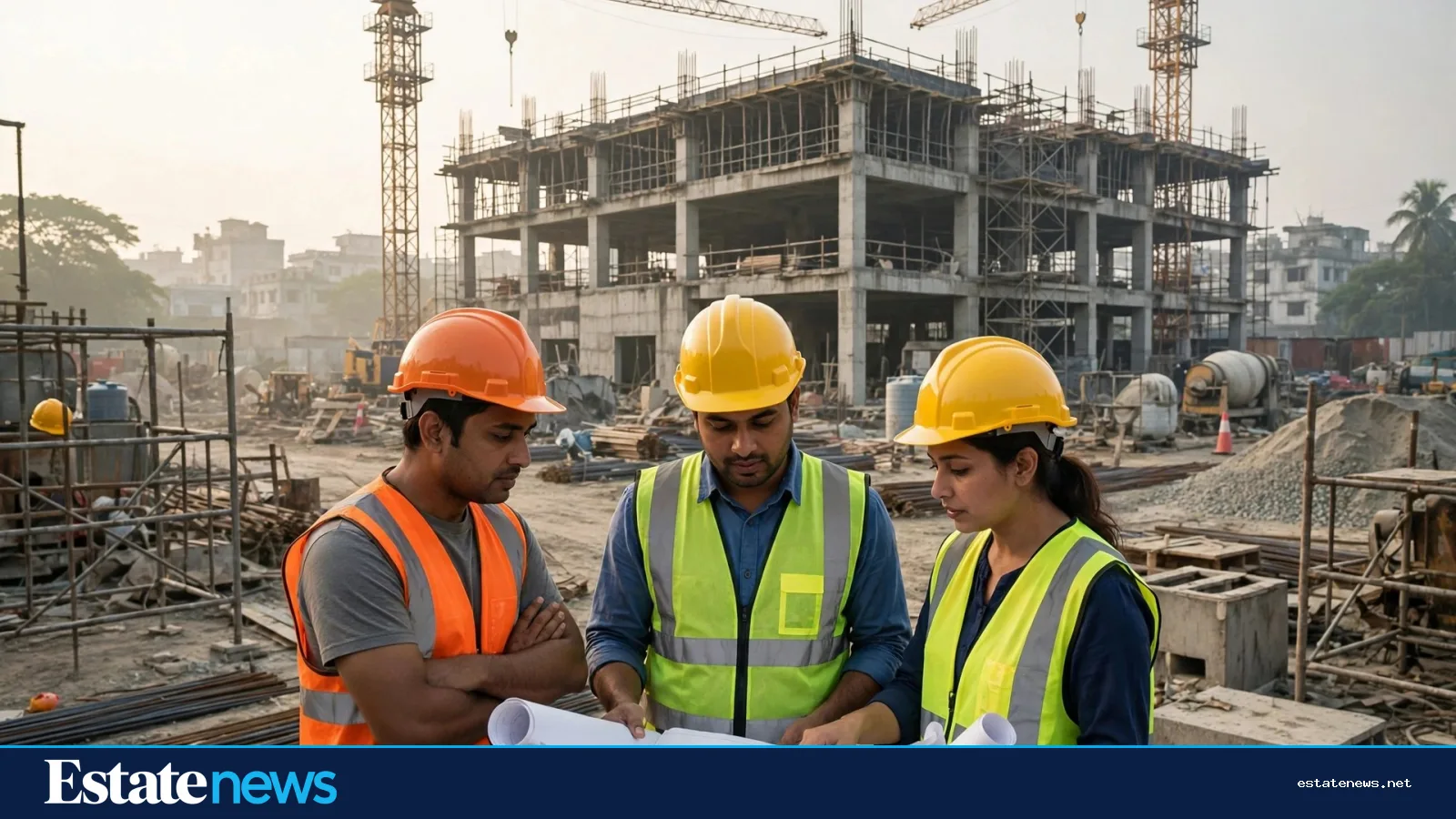
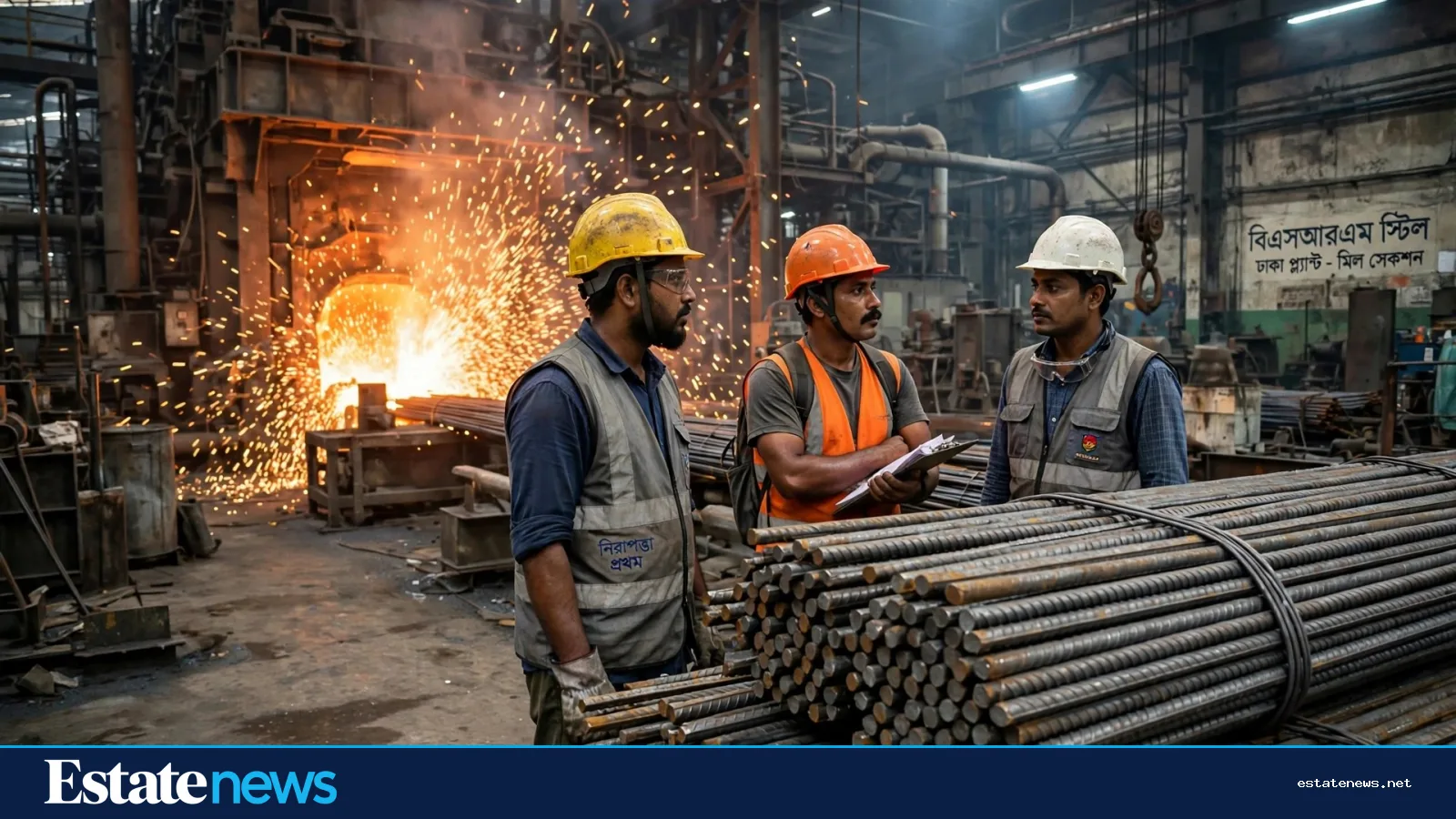
For builders, one name on the list matters more than the rest. BSRM ranked sixth, and it got there through its steel business alone. Every flat in Dhaka has BSRM rod in its columns, or rod from one of its rivals, and the price of that rod is one of the numbers that decides what a square foot costs to build.
"Steel's Winter: What BSRM, KSRM and GPH Ispat Tell Builders" set out what the steelmakers were telling the market this month, and "Building Costs This Winter: Rod, Cement and the Sq Ft Maths" worked the figures through to the cost of a flat. A group that moves more than a billion dollars of trade through its steel business alone is not a small supplier. It is the supply chain.
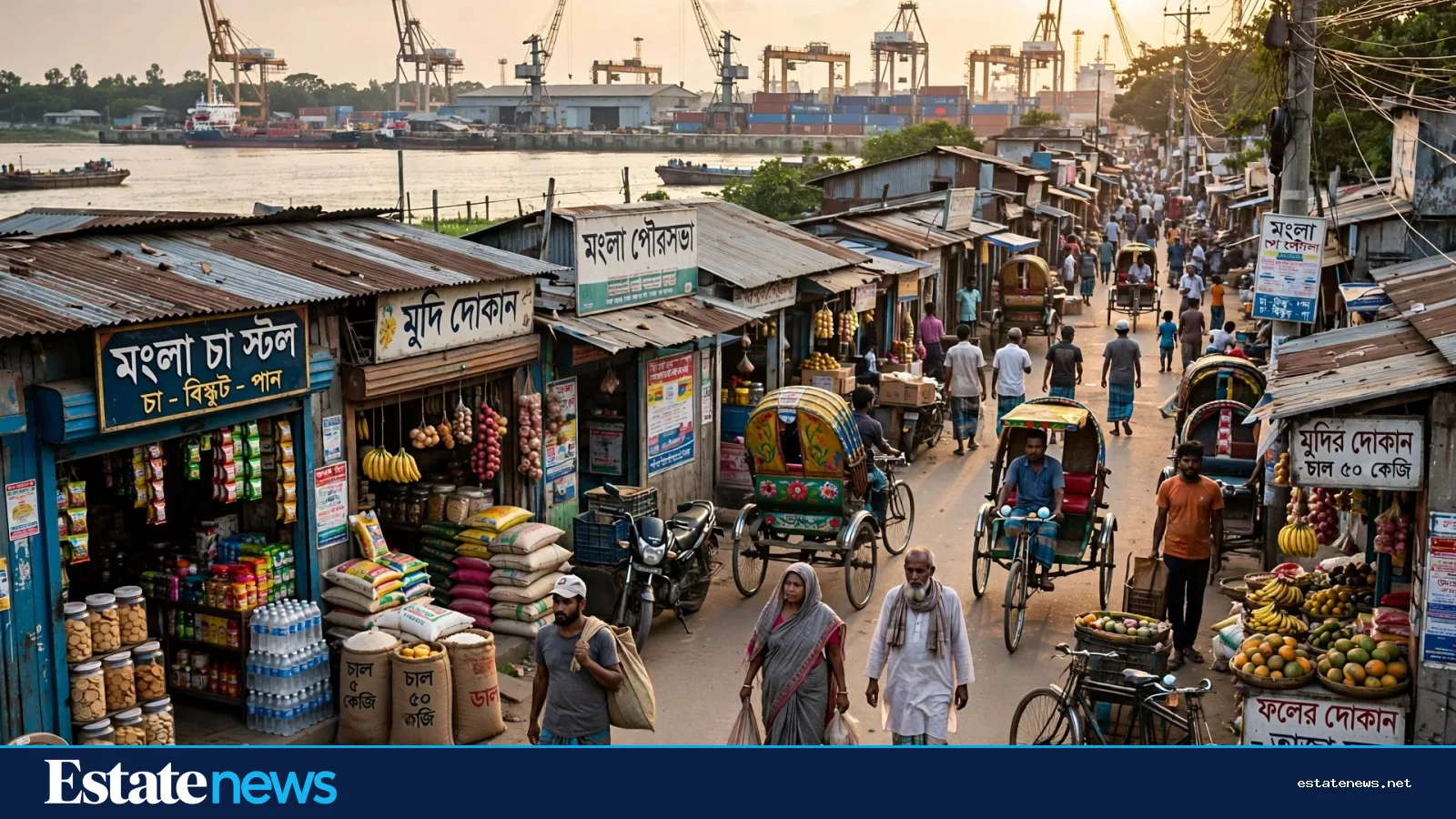
The other names tell their own stories. PRAN-RFL, second on the list and the fastest growing at 19 percent, is food, plastics and light engineering. Youngone, the only foreign group on the list, is a South Korean garment maker. Square is pharmaceuticals and consumer goods. The list is a map of what Bangladesh actually makes and moves: food, garments, steel, medicine and consumer goods, with the trading houses that supply them.
Scale, and what it buys
There is a temptation to read a list like this as a league table of winners. It is better read as a measure of scale. Nine groups moving a tenth of the country's trade means the economy's industrial base is concentrated in a small number of large hands. That concentration has an upside for construction: large groups can fund large plants, keep supply steady and ride out a bad year. It has a downside too, which is that a problem at one of them is a problem for a whole sector.
The export side of the figures is the part to watch next. "Bangladesh Sold More Basics: The Export Mix That Worries" looked at how much of the country's export growth comes from basic goods rather than higher-value products. The nine groups exported only about $3.05 billion against $9.83 billion of imports. The gap is the story of an economy that still buys more than it sells, and of groups whose strength lies as much in bringing goods in as in sending them out.
Nine groups, $12.87 billion of goods, nearly 11 percent of the country's trade. The club is small, and it got one member bigger this year. For the builders who buy its steel, the factories that buy its packaging and the households that depend on its wages, the list is not an abstraction. It is the shape of the economy they live in.