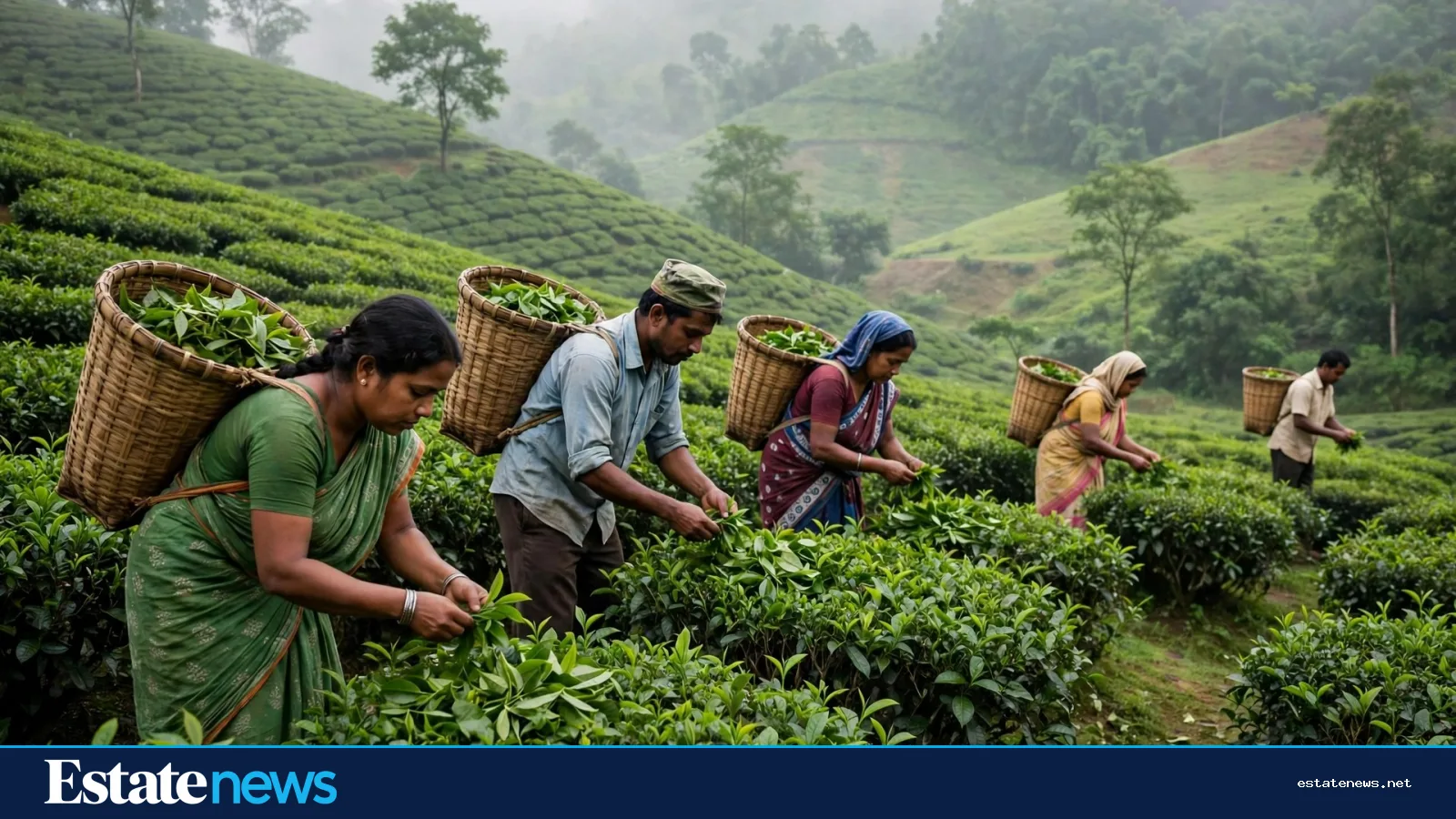
The tea came from Sylhet. The launch happened in Dhaka. The market, if the people behind it get their way, will be the world.
London Tea Exchange, a UK-based company, launched its new Sylhet Tea brand at the Pan Pacific Sonargaon Hotel in Dhaka on Wednesday afternoon, 18 November. Portugal's historic royal House of Braganza has joined the initiative, and Princess Maria Francisca, the Infanta and Duchess of Coimbra, attended the launch with her husband, Duarte de Sousa Araújo Martins. The pair are visiting Bangladesh from 16 to 24 November at the invitation of London Tea Exchange.
Sheikh Aliur Rahman OBE, group chairman of London Tea Exchange, said at the ceremony that the company is working with 14 tea gardens in Bangladesh. The plan, as he described it, is to take Bangladeshi tea to at least 40 countries around the world next year. About 14 countries have already shown interest in sourcing the tea, he said, and the brand has already been introduced in Portugal.

That is the commercial pitch. The story underneath it is older, and it is the reason a Portuguese princess was in the room. On the last International Tea Day, a blend from the Sylhet Tea collection, the Braganza Blend, was presented as the Portuguese Royal Family's official tea. The Portuguese came to Bengal centuries ago, and the launch leaned on that shared history: Princess Maria Francisca spoke at the event about the historical connection between the Portuguese and Bangladeshi tea, and at a meeting at the Prothom Alo office in Karwan Bazar the next day she said Bangladeshis and Portuguese people have much in common in their way of life, culture and values.
What the brand means for the gardens
A brand does not change a tea garden overnight. The bushes still have to be plucked, the leaves still have to be processed, and the wages still have to be paid. What a brand can change is the price a garden can ask and the number of buyers who know its name. Darjeeling, Assam and Ceylon teas are found in hotels in major cities around the world, Sheikh Aliur Rahman said at the launch. Sylhet tea, he argued, belongs on the same shelf.
London Tea Exchange has no tea garden of its own in Bangladesh. It buys from gardens and sells under its own name, which means the test of this launch will be what the gardens themselves get out of it. One part of the answer sits in the visit's other purpose. A key aim of the princess's trip, according to the company, is to support the Global Fair Pay Charter, an international initiative founded by Sheikh Aliur Rahman that promotes fair and dignified pay for workers around the world. Tea workers are among the lowest-paid formal workers in Bangladesh, and any brand that carries Sylhet's name into 40 countries will be judged, sooner or later, on what it pays the people who pick the leaf.


Tea, tourism and the north-east
Sylhet is more than its gardens. The city sits at the edge of the hills, and its economy runs on tea, remittance money from London, and visitors who come for the rain, the rivers and the old shrines. A global tea brand touches all three. It gives the gardens a buyer beyond the auction floor. It gives the London Sylheti community a product with their home district's name on it. And it gives the city a story to tell visitors that is not only about the past.
The launch also fits a wider shift in how Bangladesh sells itself abroad. Commerce Minister Khandaker Abdul Muktadir told a World Bank delegation at the Secretariat this week that the government aims to cut the time for key business services from 50 to 55 days or more to 14 days, with trade licences, environmental and fire safety clearances and import registration certificates being digitalised through a one-stop portal called Invest Bangladesh. Leather and leather goods, non-leather footwear, shipbuilding and recycling, and light engineering are being given special importance alongside garments, and a three-year action plan is being prepared ahead of graduation from least developed country status, now set for 24 November 2029.
Tea was not on that list. It did not need to be. The Sylhet Tea launch shows the other route to the same destination: a private company, a foreign partner and a name that already means something to buyers abroad.
Estate News has followed the same thread from the other end. "Approvals in 14 Days: The Reform That Could Speed Up Building" covered the government's plan to cut approval times, "Footwear Exports Rise 9% as Bangladesh Finds New Buyers Beyond Garments" looked at one of the diversification industries on the minister's list, and "Ali Amjad's Clock Tower: Sylhet's Story on the Banks of the Surma" told the story of the city's best-known landmark. This launch connects the three: a Sylhet name, an export market and a reform meant to make both easier.
The brand is launched. The gardens are still there. Whether Sylhet Tea becomes a fixture on hotel shelves abroad, or a launch that fades after the photographs, will be decided in the next two years, in the orders the company places and the prices the gardens receive.