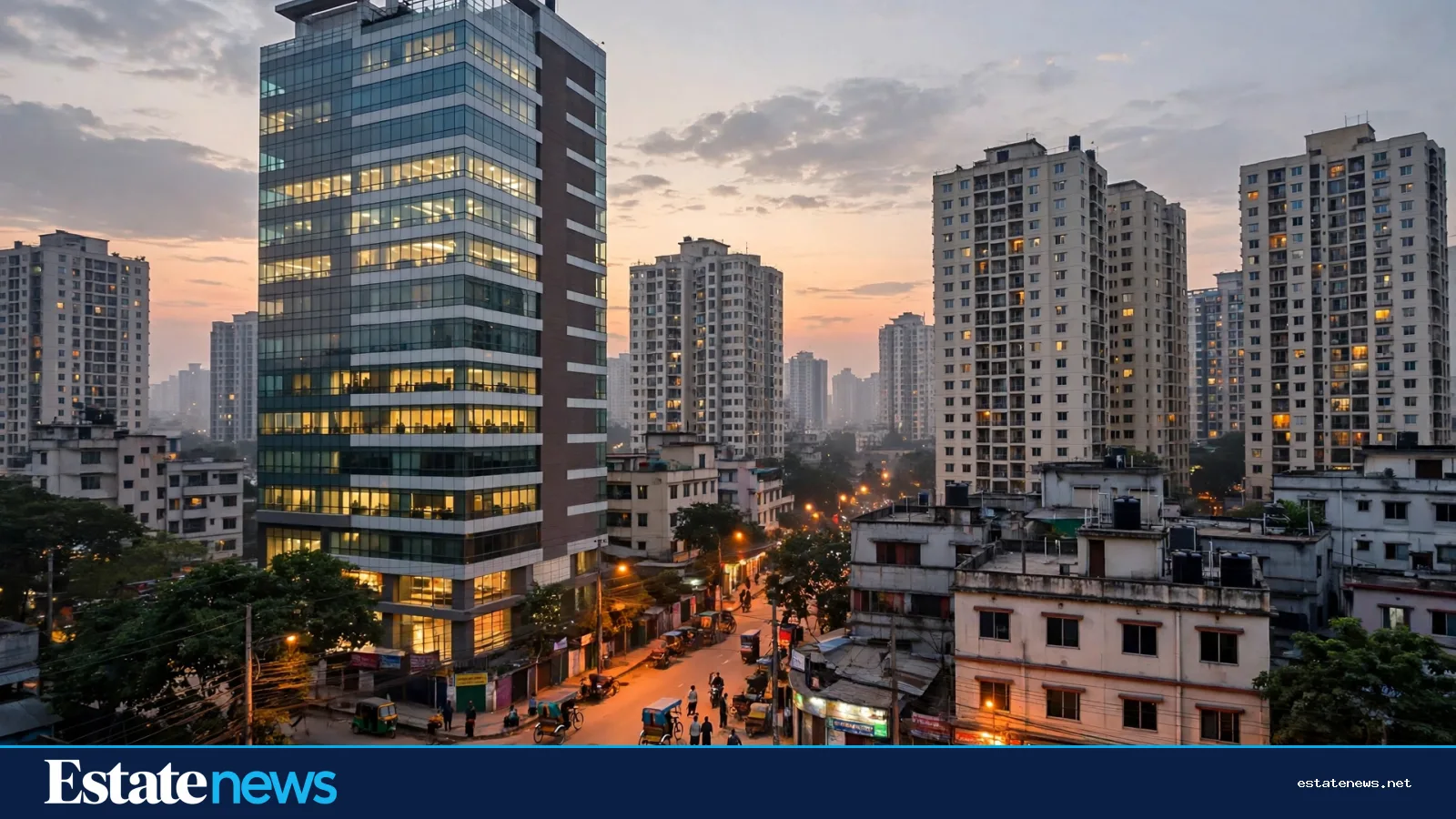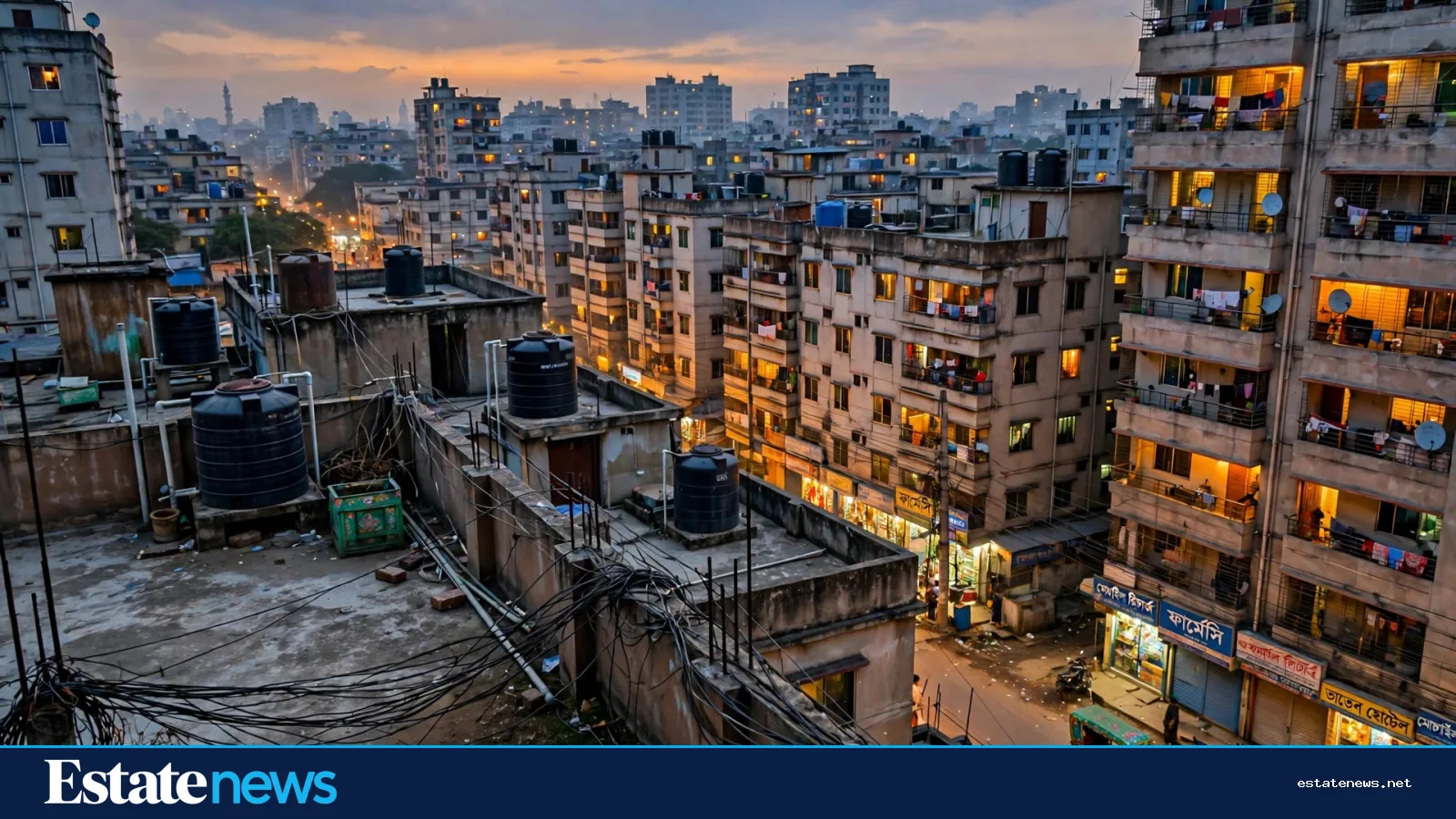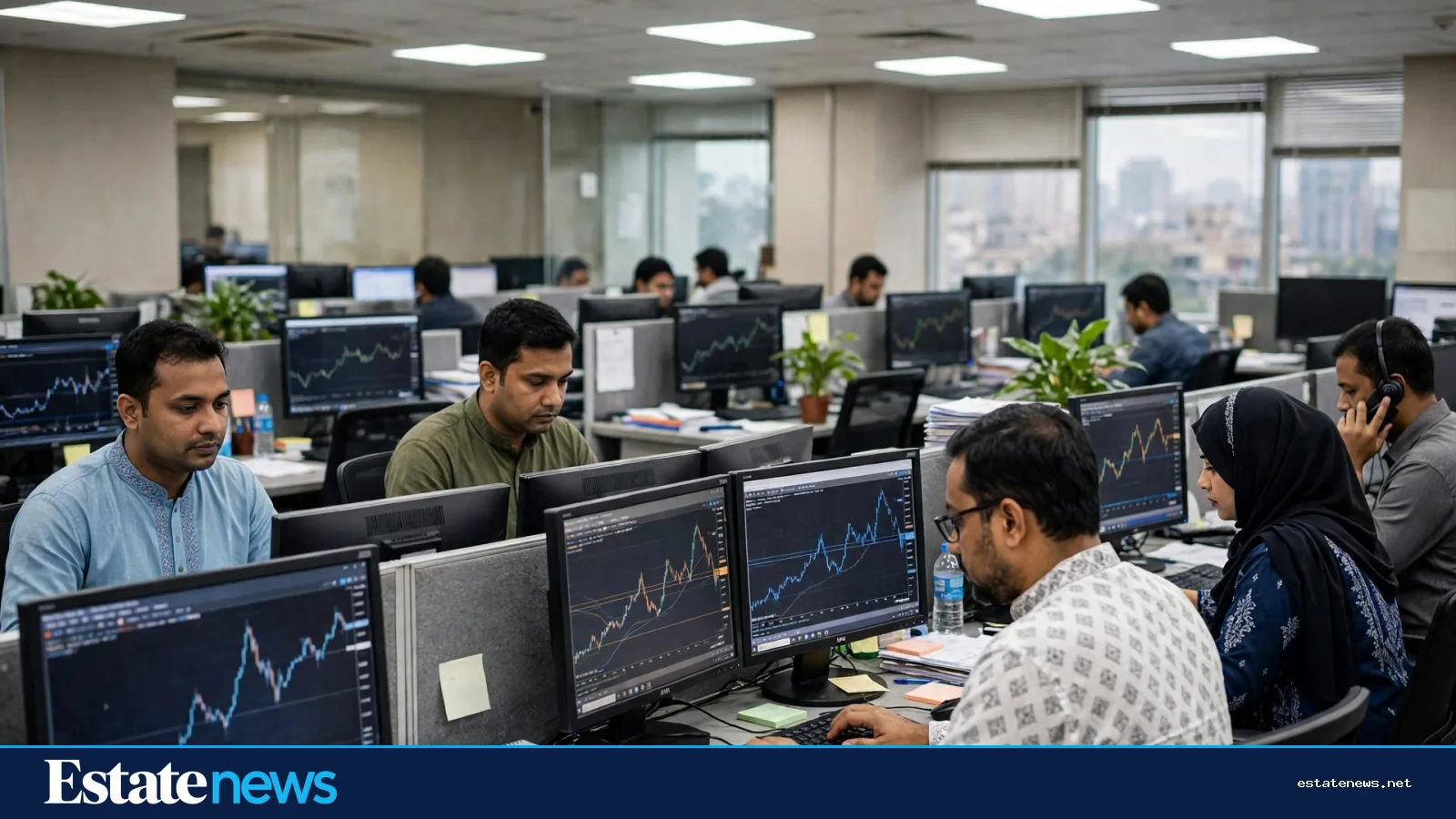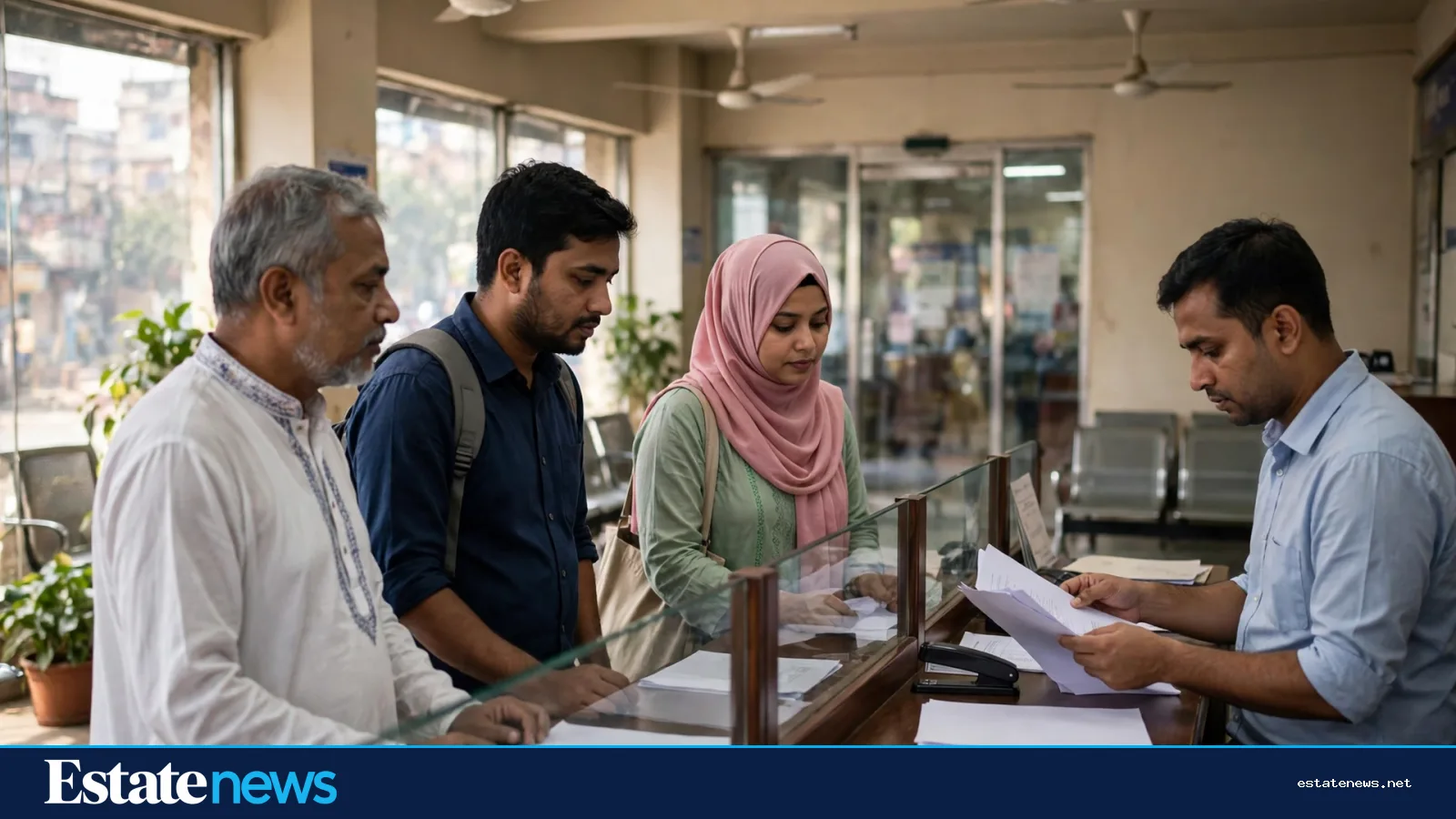
The market closed the week the way it spent most of it: above 5,500, and a little tired. The DSEX added 4.80 points on Thursday to finish at 5,505.64, its fifth straight winning session, holding the line it first crossed on Wednesday after seven weeks below it. Friday is a market holiday, so this is the week's last close, and the number it leaves behind is a small one with a larger meaning. Five green sessions in a row, and the 5,500 level is starting to look like a floor rather than a ceiling.
Turnover cooled for a second day. The exchange's own figures put Thursday's turnover at Tk 746.64 crore, down from Wednesday's Tk 819.90 crore, with 201,554 trades and 215.68 million shares changing hands. Late-hour buying carried the close, according to the Daily New Nation, despite selling pressure through the day. Textile led the turnover, with 26.2 percent of the total, followed by fuel and power at 14.9 percent and banks at 9.9 percent. Of the 359 issues traded, 123 advanced. The rally is real. It is also running on thinner trading than it was on Tuesday, and that is the honest caveat to carry into the weekend.
Reserves slip after the central bank sells dollars
Bangladesh Bank's reserves slipped to $29.56 billion on 19 November on the BPM6 measure, down from $29.68 billion two days earlier, after the central bank sold $220 million at Tk 123.90 per dollar on Wednesday to meet banks' demand. The figures come from Bangladesh Bank, confirmed by its spokesperson Arief Hossain Khan and reported by The Business Standard.
The fuller picture is worth keeping straight. Gross reserves stood at $34.50 billion and BPM6 reserves at $29.68 billion as of 16 November, according to Bangladesh Bank data reported by Ittefaq. A figure of $36.35 billion has also been quoted in Parliament, described as of 19 October 2026. That is the prime minister's statement, not a current Bangladesh Bank figure, and it should not be read as one. The reserves story this week is a modest one: a $220 million sale, a small slip, and a central bank meeting demand.
Remittance, the other half of the dollar story, is still running ahead of last year. Bangladesh received $1.964 billion in the first sixteen days of November, up 15.8 percent on the same period a year earlier, according to Bangladesh Bank data reported by Ittefaq, with $101 million arriving on 16 November alone. From 1 July to 16 November, the total was $13.43 billion, up 13.4 percent year on year. The money is coming in. The question for the weeks ahead is whether it keeps coming at this pace, and what it does to the housing market when it does. Remittance has long been one of the quiet funders of flat purchases, and a strong November helps the families saving for a deposit.
The wage countdown reaches Monday


The garment wage story reaches its next date on Monday. The wage board holds its third meeting on 23 November at 11:30am in Segunbagicha, and the new wage is scheduled to take effect on 1 December, paid with the January 2027 salaries. Before that, the industry is counting what the unrest cost. BGMEA has asked member factories to submit their loss data, covering 1 to 18 November, by 22 November. The Bangladesh Garment Buying House Association put the losses at an estimated Tk 30 to 40 billion, at a press conference on 19 November, and warned the losses would keep mounting and reach beyond garments, into transport, banking and logistics.
The estimate is the buyers' body's, not a verified total, and BGMEA's own count is still being collected. The International Labour Organization has urged an evidence-based wage review and peaceful dialogue, and international buyers have sought a quick resolution. The meeting on Monday will be watched in Gazipur and Narayanganj as closely as in Dhaka, because the wage that comes out of it decides what factory families earn, and what they can spend on housing.
The rest of the day
The Chattogram International Trade Fair opened today at the Railway Polo Ground, the fair Estate News covered earlier in the week. On the regulatory side, the securities regulator eased foreign dividend payout rules for listed companies, and the derivatives market made its debut, both reported by The Business Standard. Neither changes a flat buyer's arithmetic today. Both are the kind of plumbing change that foreign investors notice, and they belong in the background of a market that is slowly opening up.
Readers who want the longer view on the port story behind much of this week's trade news should go back to "Chattogram Port: DP World to Take Over New Mooring Terminal in March 2027", the piece that has been drawing the most search traffic, and to "Factories Grew 8.79% in August: What It Means for Housing", which tracked the output growth behind the jobs debate. "How Natural Light Shapes Interior Architecture and Mood" is a different kind of read, and it has been finding readers too, a reminder that the housing market is also about the rooms themselves, not only the numbers around them.
The week ends with the market above 5,500, reserves a little lower, remittance still strong, and a wage meeting three days away. None of those numbers decides a flat purchase on its own. Together they set the mood in which families make the decision, and the mood this week is steadier than it was at the start of the month. Monday will tell us whether it holds.