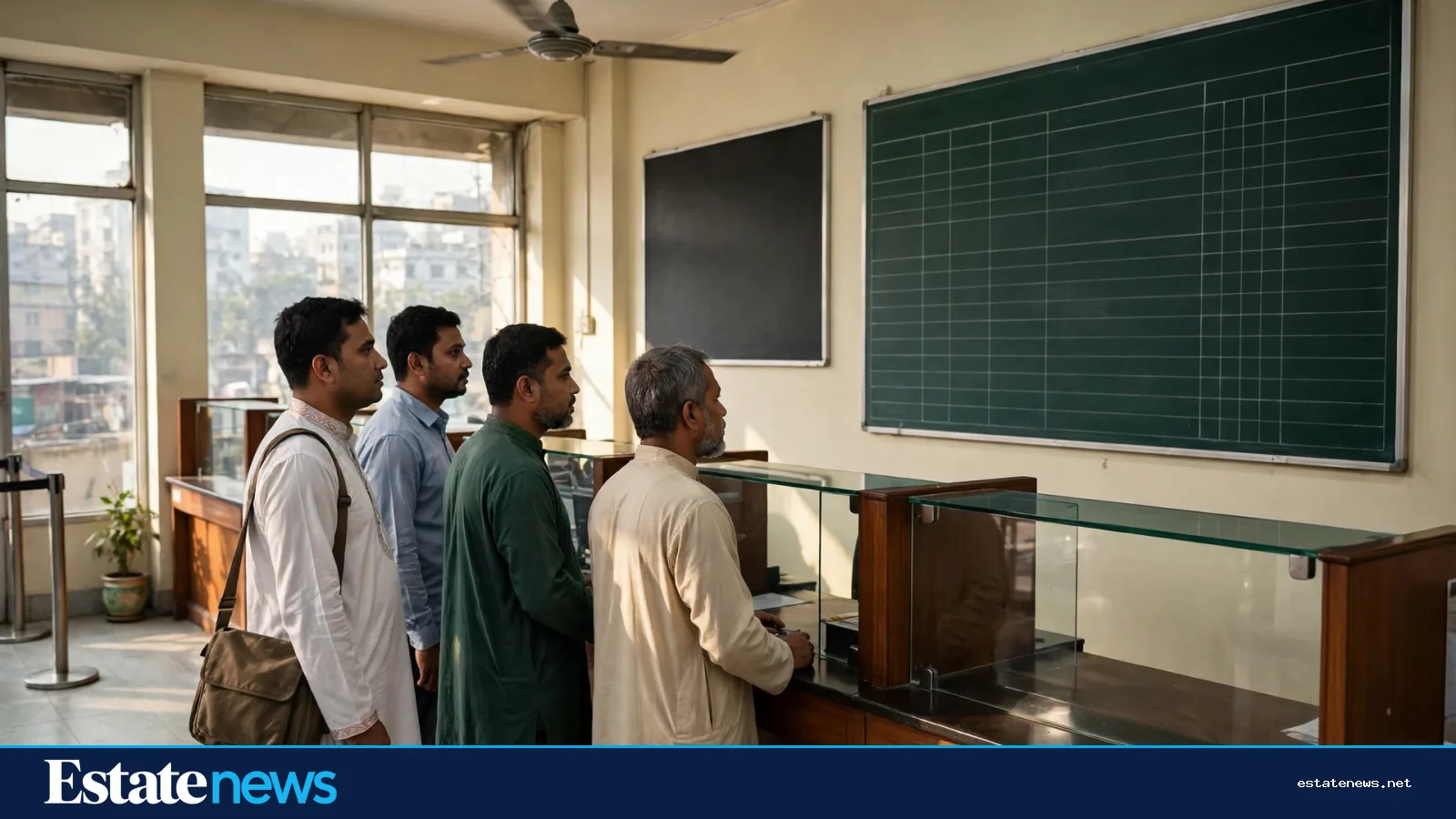

The number was read out in Parliament, and it stopped the room. Defaulted loans in Bangladesh reached Tk 5,97,154.93 crore at the end of September 2026, or 32.17 percent of all outstanding loans. Nearly one taka in three that the banks have lent is not being repaid on schedule. The finance minister, Amir Khosru Mahmud Chowdhury, gave the figure to Parliament on 16 November, and it is the highest the country has recorded.
The number is not a surprise to anyone who has followed the banks. It is the total of years of lending that went wrong, and of loans that were rescheduled again and again instead of being recovered. What is new is the plan that now sits beside it. The government and Bangladesh Bank have jointly started an 18-month plan to bring the bad loans down, reported in September, and the work of that plan is now the story that matters more than the number itself.
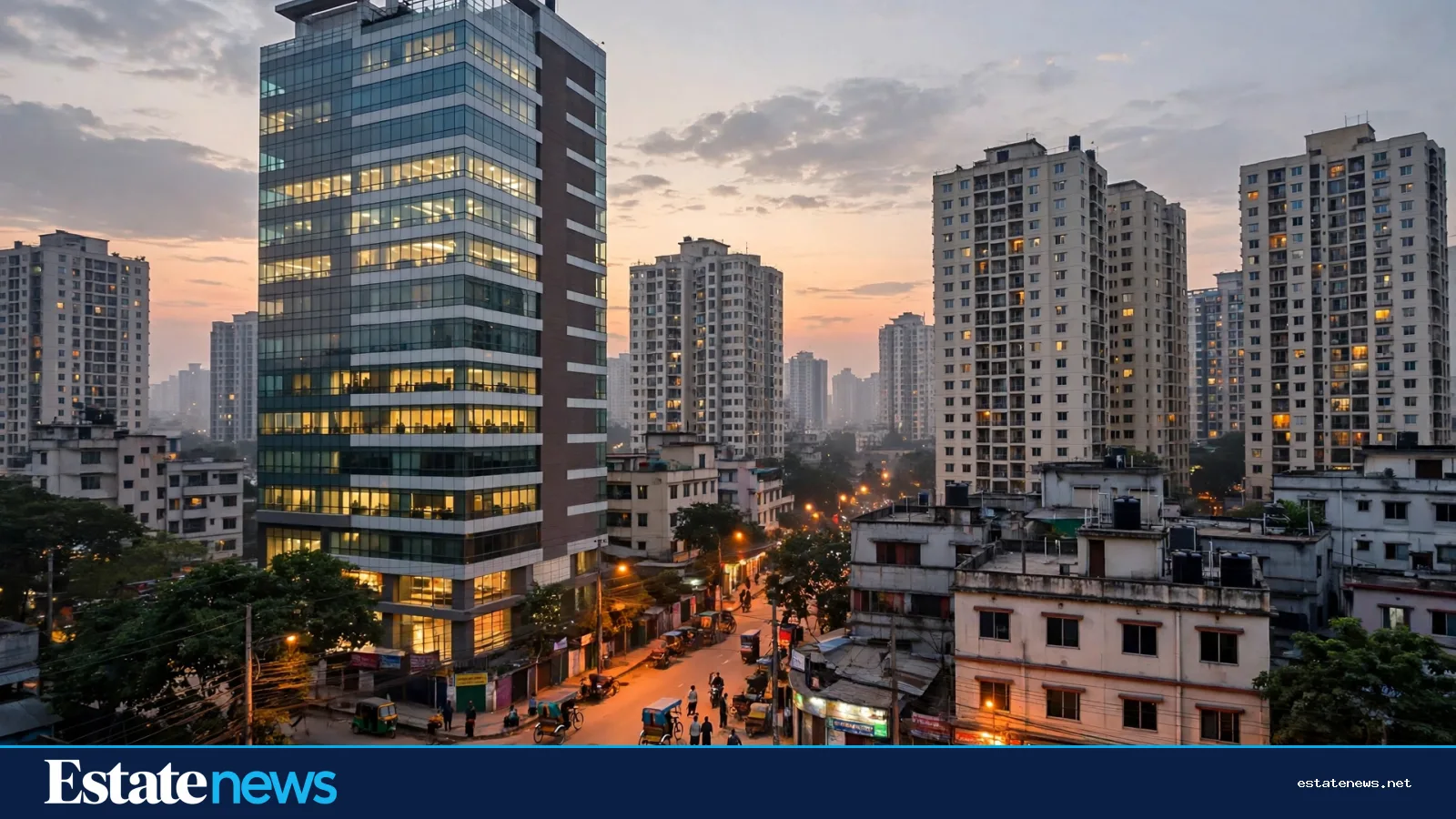
A bad loan is not an abstraction for a homebuyer. When a third of a bank's loans are not returning, the bank lends less, charges more, and asks for more security. A developer who needs working capital to finish a project finds the door half shut. A family applying for a home loan finds the checks longer and the rate higher. Credit is the oxygen of the housing market, and a banking system carrying this much bad debt cannot breathe properly.

The wider numbers behind the headline
The minister's Parliament statement carried more than the bad-loan figure, and the rest of it sets the context. Per capita national income reached $3,020 in the 2025-26 financial year, up from $2,769 the year before, on provisional Bangladesh Bureau of Statistics estimates. Real GDP growth was 4.14 percent, up from 3.49 percent. The economy is growing, and incomes are rising, while the banks carry their worst loan book on record. That combination is the puzzle the 18-month plan has to solve.
Tax collection tells a similar story of a state trying to keep up. The National Board of Revenue provisionally collected Tk 92,525 crore in July to September of the 2026-27 financial year, against a target of Tk 1,34,396 crore, or 68.68 percent. Income tax brought in Tk 33,044 crore, VAT Tk 28,790 crore, excise Tk 560 crore and import and export taxes Tk 30,130 crore. Goods exports in the first quarter reached $11.856 billion, up from $11.085 billion, while import payments rose to $19.331 billion from $16.80 billion.


Inflation, the number every household feels first, was 8.27 percent in October on a point-to-point basis, down from 8.34 percent in September. Food inflation was 6.40 percent and non-food 9.89 percent. The government aims to bring inflation down to 7.50 percent this financial year. Total government debt stood at Tk 23,37,575 crore as of 30 June, split between Tk 10,00,325 crore foreign and Tk 13,37,250 crore domestic, and the government repaid $2,950.52 million in foreign loans between March and September 2026.
What the plan has to do
An 18-month plan to cut bad loans has to do three things at once, and each of them is hard. It has to make banks recognise the loans that are truly bad, instead of hiding them behind fresh rescheduling. It has to recover what can be recovered, through the courts and through restructuring, from borrowers who can pay. And it has to keep credit flowing to the businesses that can still use it, so that the cure does not kill the patient.
Two pieces of that work have already been reported on this site. Estate News covered the banks' own rescue in "A Tk 30,000 Crore Fund to Fix Weak Banks: What It Means", the 19 November piece on the Bank Resolution Fund, which is the money set aside to deal with weak banks. And the same day's stimulus piece, "The Tk 60,000 Crore Stimulus Now Reaches Court-Protected Defaulters", reported Bangladesh Bank's decision to open the stimulus to borrowers holding court stay orders, so that credit can reach firms even while their cases run.
The 20 November World Bank piece set out the growth path the clean-up is meant to protect. A banking system that cannot lend is a ceiling on everything else: on factories, on exports, on the flats that developers want to build and the families who want to buy them. The bad-loan number is the measure of how high that ceiling sits.
The test of the 18-month plan will not be a speech or a circular. It will be the next quarterly figure, and the one after that. If the share of defaulted loans starts to fall, and if home loans and developer finance start to move at the same time, the plan is working. If the number stays above 30 percent while credit stays tight, the plan will need more than time. For now, the figure is on the record, the clock is running, and the banks know they are being watched.