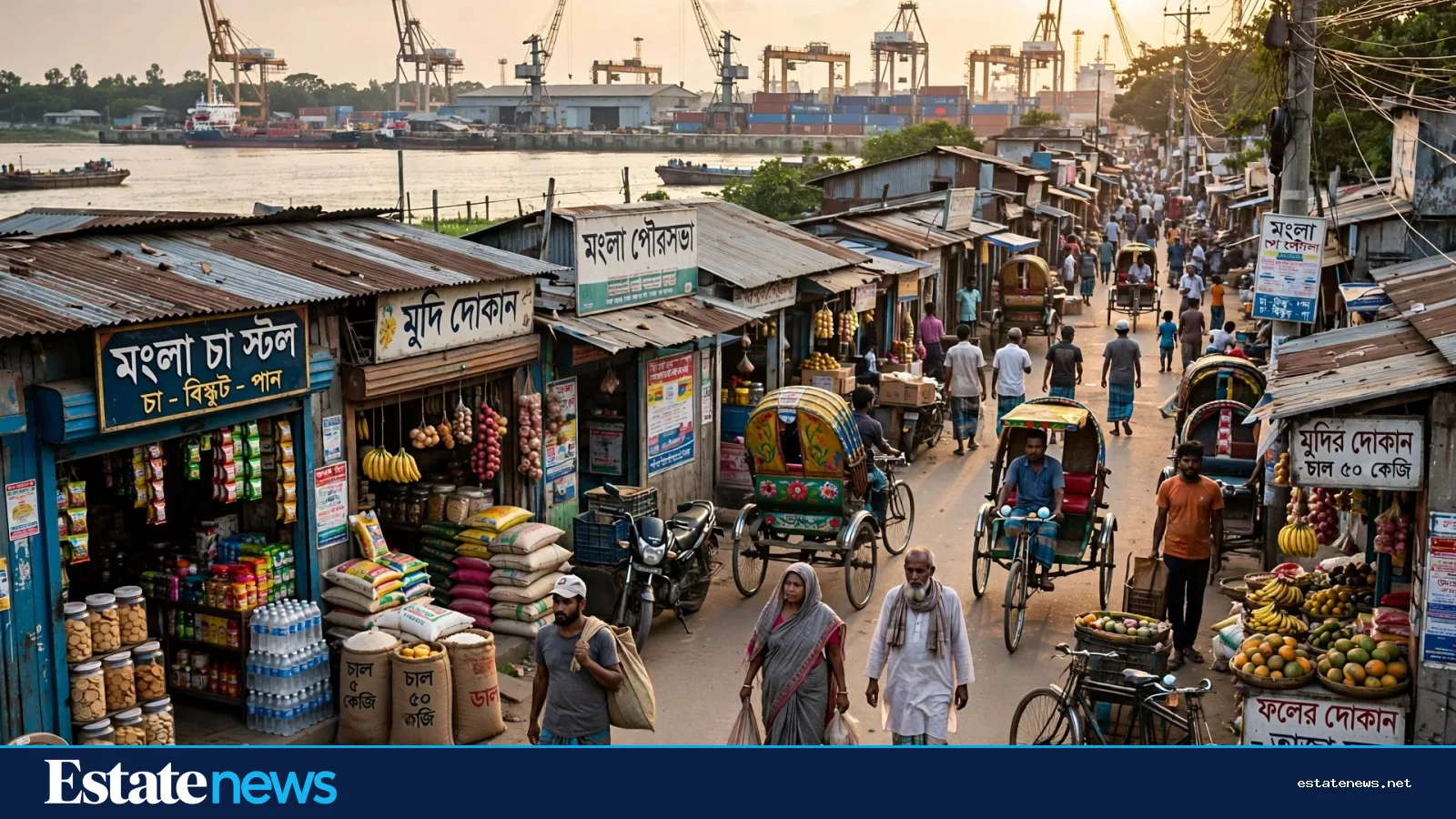
Mongla has spent years in the shadow of its bigger neighbour. Chattogram gets the headlines, the terminals and the investment delegations. Mongla, the port town at the mouth of the Pashur river in Bagerhat, gets mentioned when a ship is stuck or a channel needs dredging. This week, the town got a different kind of mention: a new factory, 450 jobs, and a land lease signed in Dhaka.
Blue Mangrove Packaging Ltd will invest $8.07 million to set up a garment accessories factory in Mongla Export Processing Zone, according to a press release from the Bangladesh Export Processing Zones Authority. The company will make the small things every garment shipment needs: poly bags and sheets, gum tape, scotch tape, packing tape, masking tape, printed and plain cartons, hang tags, price tags, label paper, header cards, barcodes and barcode stickers, numbering labels, RFID labels, riders and adhesive tapes. Annual production capacity is 19.50 million kilogrammes.
The land lease was signed on Thursday at the BEPZA Complex in Dhaka. Abdullah Al Mamun, Member (Engineering) of BEPZA, signed for the authority, and Tajuddin Ahmed Sajib, Managing Director of Blue Mangrove Packaging, signed for the company. BEPZA Executive Chairman Major General Mohammad Moazzem Hossain witnessed the signing with senior officials present.

450 jobs, nearly all local
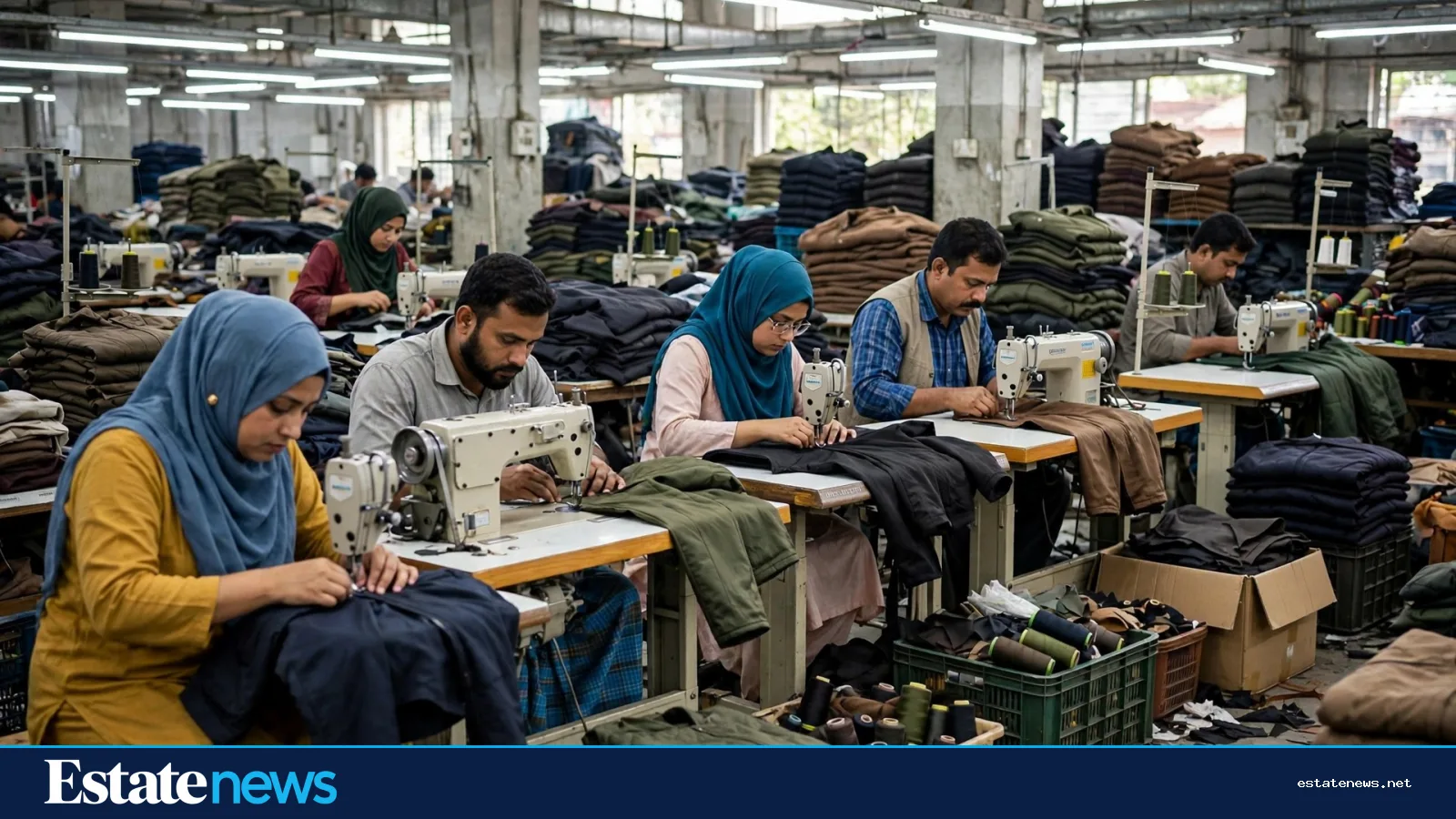
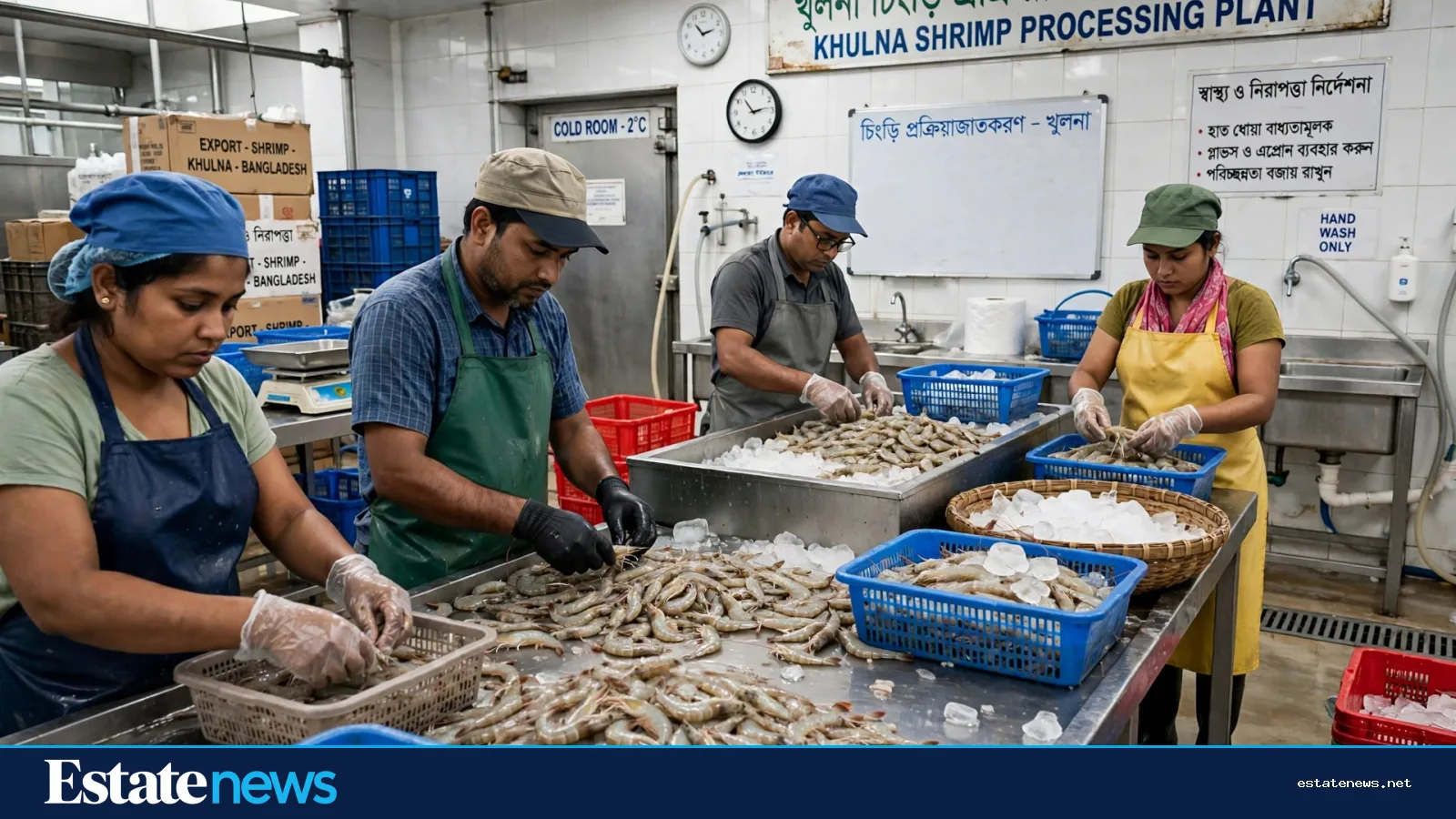
The jobs figure is the part that matters most to the town. The project is expected to create employment for 450 people, including 448 Bangladeshi nationals, according to the press release. That is 450 pay packets in a town where work has long depended on the port, the river and the shrimp ponds around it.
A garment accessories factory is not glamorous, and that is the point. It supplies the factories that sew the shirts, and it sits close to the port that ships them out. Mongla's export processing zone already has that shape. As of October 2026, 39 enterprises are operating in Mongla EPZ, with another six at various stages of implementation. The zone has recorded cumulative exports of $1,704.04 million and actual investments of $271.98 million, generating employment for 16,167 Bangladeshi nationals, the release said.
Those numbers are modest next to Chattogram's. They are also the reason the town is worth watching. A zone with 39 operating enterprises and six more coming is a zone that keeps adding roofs, roads and rented rooms around its gates.
What a factory does to a town


A new factory changes a port town in small, practical ways before it changes it in big ones. Workers need somewhere to live within a rickshaw ride of the gate. Shopkeepers near the EPZ get busier at shift change. Landlords along the roads into the zone start painting their buildings. None of that shows up in an investment announcement, but it is where the announcement turns into daily life.
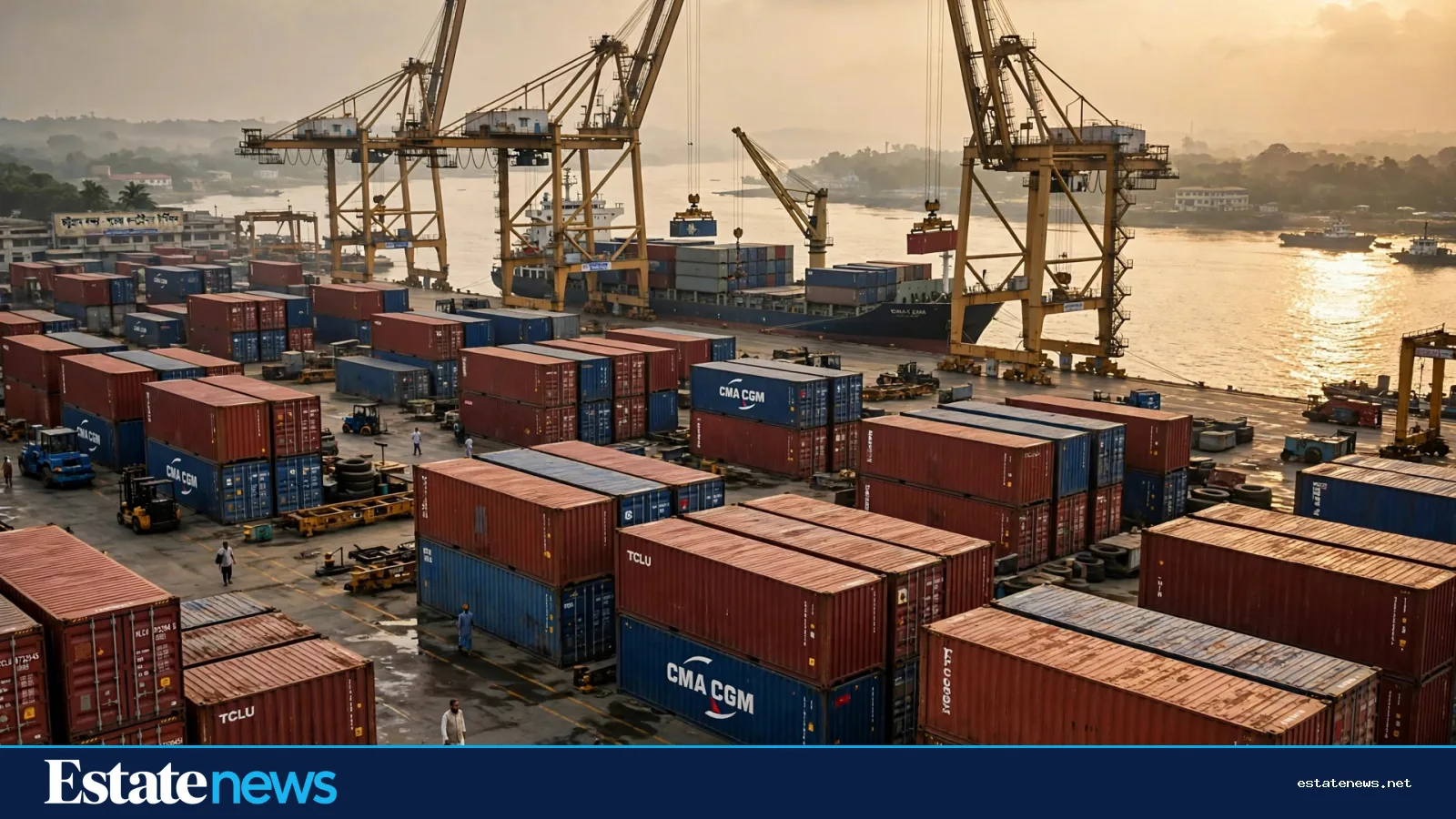
Mongla has an advantage that many factory towns do not: it is a port town first, and the port is the reason the zone exists. The river brings the cargo in and takes it out, and the EPZ sits beside it. A packaging factory that serves garment exporters fits that geography neatly. Its raw materials arrive by water, its finished cartons and labels go a short distance to the factories they serve, and the finished garments leave through the same port.
The pattern is familiar from the country's other export zones. "Joyful to Build a $6m Outerwear Factory in Chattogram EPZ" covered a similar announcement in the port city's zone this week: a factory, a jobs figure, a lease signed in Dhaka. Mongla's version is smaller, and the town around it is smaller too, which makes each new enterprise count for more.
The south-west's slow turn
Mongla sits in the south-west, a region that has long watched investment flow east toward Chattogram and north toward Dhaka and Gazipur. "Khulna: The Port City Where the South-West Buys Homes" looked at how the region's main city houses its buyers, and the same question applies here on a smaller scale. When industry arrives in a town like Mongla, the housing question follows it: who builds the homes for the new workers, and where do they go?
The port's own future is part of that question. "Chattogram Port Turns Landlord: Tenders Terminals, and the Bay Terminal Bill" set out how the country's main port is changing the way it runs its terminals. Mongla is a different port with a different scale, but the direction of travel is the same: ports run as businesses, zones fill up enterprise by enterprise, and the towns around them grow house by house.
Blue Mangrove's factory is one enterprise, one lease, one set of 450 jobs. It will not transform Mongla on its own. What it does is add another line to a record that has been building quietly: 39 enterprises operating, six more coming, exports past $1.7 billion. A port town gets a second look one factory at a time, and this week it got one more.