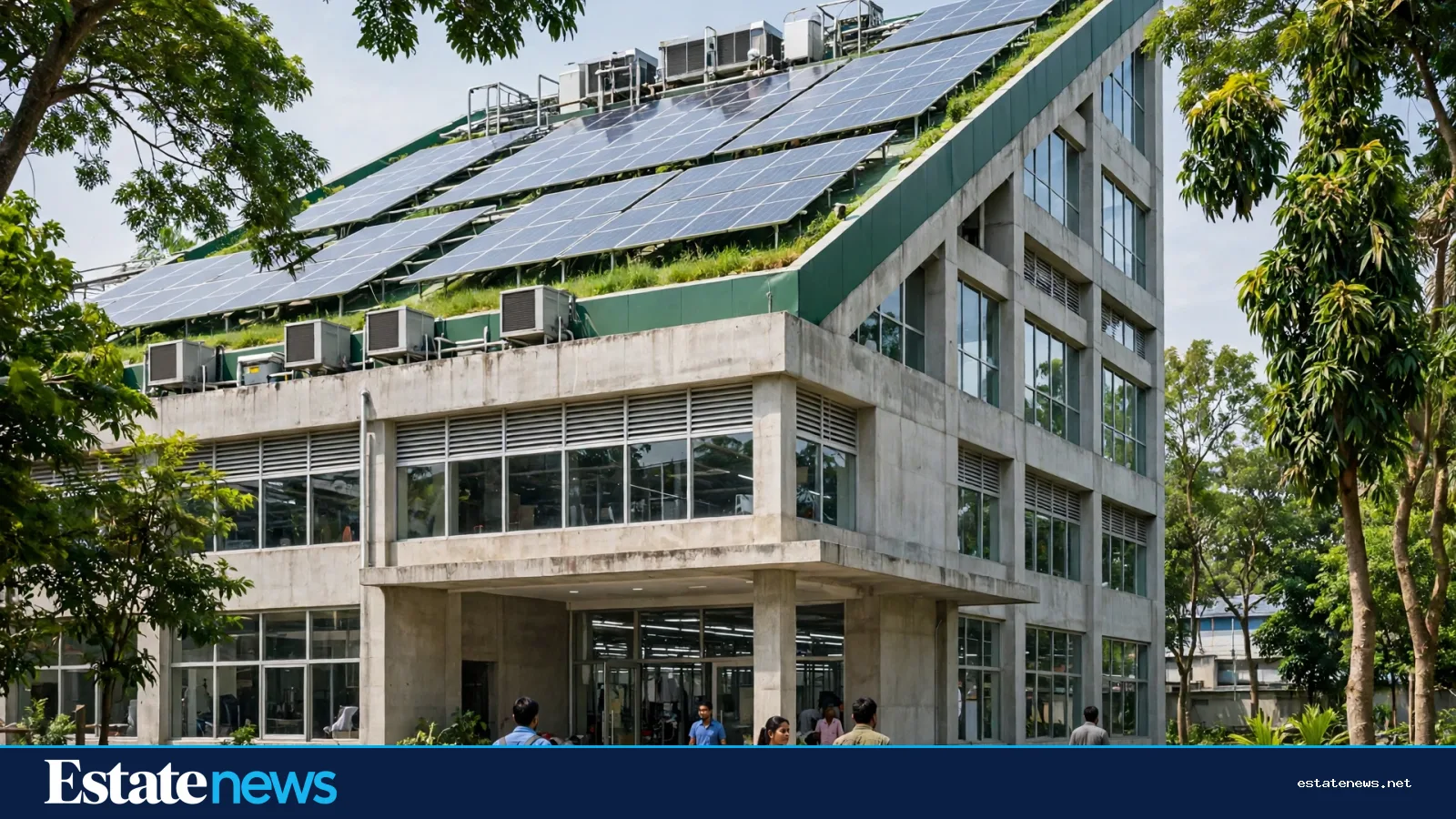
Bangladesh now has 302 factories certified under the Leadership in Energy and Environmental Design standard, known as LEED, the most of any country in the world. Twelve more garment, textile and accessories factories earned the certification on Thursday, according to data from the US Green Building Council, compiled by Bangladesh Apparel Voice.
The count crossed 300 for the first time, and the breakdown shows how high the bar has risen. Of the 302 factories, 134 hold Platinum, the highest rating, 148 hold Gold, 16 hold Silver and four hold the basic Certified rating. Bangladesh is also home to 53 of the world's 100 highest-scoring LEED-certified factories. Nine of the 12 newly certified factories earned Platinum, and three earned Gold.
The newest names on the list

The highest scorer among the new group was Adzi Trims Ltd in Dhamrai, Dhaka, with 97 points, earning Platinum under the LEED system for new construction. D and S Pretty Fashions Ltd in Gazipur scored 91 points, also Platinum, under the system for existing buildings. Probriddhi Apparels scored 88 points. The list is compiled by Bangladesh Apparel Voice, whose founder Mohiuddin Rubel tracks the certifications as they are awarded.
The factories behind these names are the buildings that make the clothes the world buys from Bangladesh. A LEED rating is not a prize for a single feature. It scores the whole building: how much energy it uses, how much water it saves, how much daylight reaches the work floor, how clean the air is inside, and how the waste is handled. A factory that scores 97 points has been designed, from the roof to the drains, to use less and give its workers a better place to spend the day.
What green means inside a factory


Walk through a green-certified factory and the differences are physical. Rooftop solar panels cut the power drawn from the grid. Rainwater is collected and reused. The work floor is lit by daylight from high windows rather than by tube lights at noon. The air moves through the building instead of sitting still. None of this is visible from the road, but a worker feels it in an eight-hour shift, and a buyer sees it in the energy bill.
That is why the milestone matters beyond the garment trade. Bangladesh's factories are the country's biggest industrial buildings, and the green standard they now meet is a building standard, not a fashion statement. The same ideas, solar on the roof, water saved and reused, light and air designed in rather than added on, are the ones Dhaka's homes and offices are starting to adopt. Estate News covered the solar workforce behind that shift in "The Solar Jobs Bangladesh Cannot Fill Yet", and the financing behind it in "ADB Backs 1,000 MW of Solar: What It Means for Dhaka Roofs".
A selling point the buyers can check
For exporters, the certification is also a commercial fact. Global brands now ask their suppliers to prove their factories meet environmental standards, and a LEED certificate is a document a buyer can verify. Bangladesh holding the world's largest count, with more than half of the top 100 highest-scoring factories, is a claim no rival exporting country can match. It gives factory owners a reason to invest in their buildings, and it gives buyers a reason to keep their orders here.
The count will keep moving. Twelve factories joined the list on Thursday alone, and the pipeline of factories working toward certification is long. Estate News covered the port town where some of that growth is landing in "Mongla: The Port Town Getting a Second Look". The green factory story started as a response to buyers' demands. It has become something larger: proof that Bangladeshi industry can build to a world standard, and that the buildings behind the exports are now among the best of their kind anywhere.