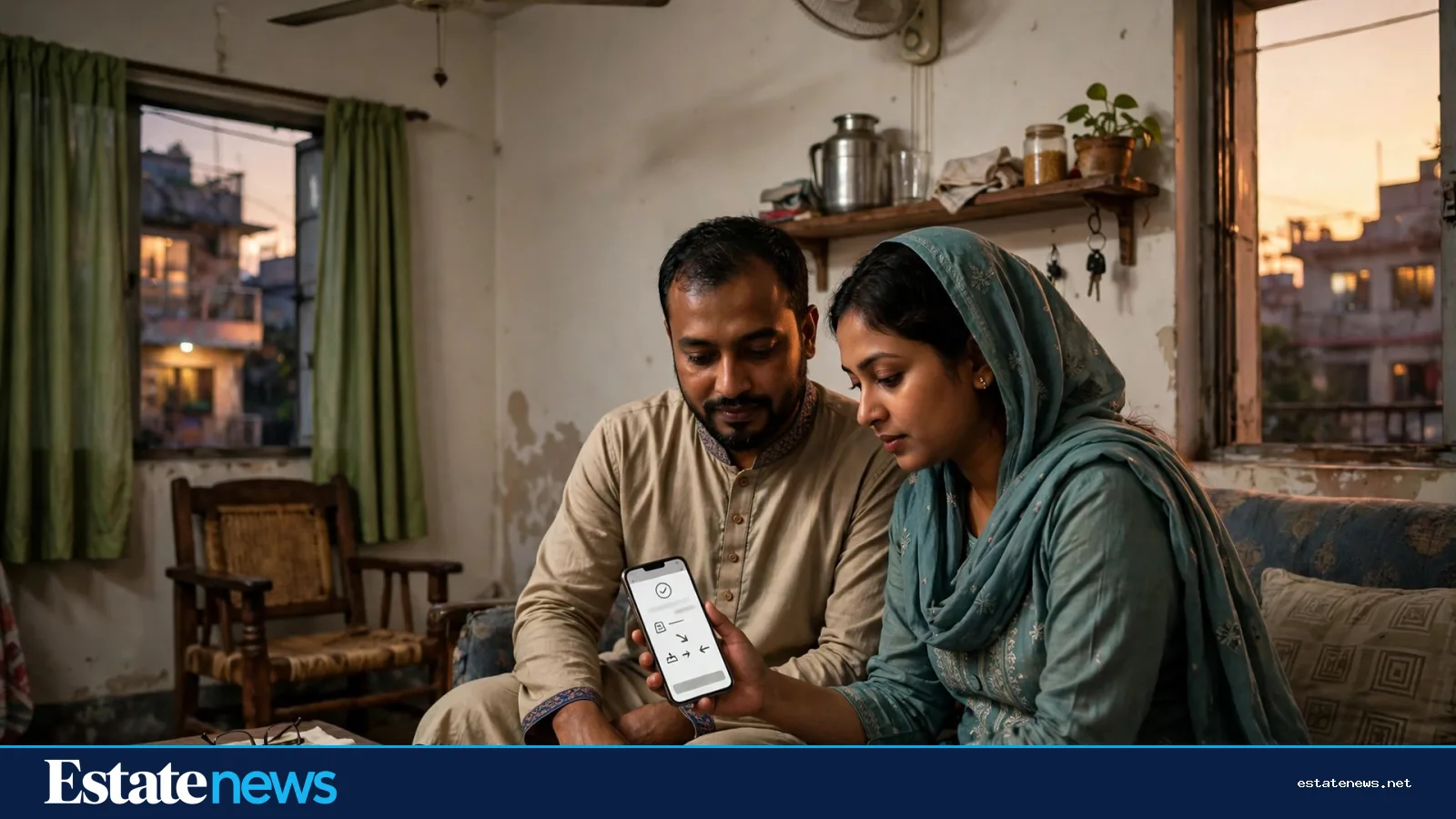
A family with Tk 10 lakh saved faces a familiar argument at home. One voice says put it in a flat. Another says keep it in the bank, where it is safe. A third says buy shares while the market is low. All three voices have a point. None of them has the whole answer, because Tk 10 lakh does a different job in each place.
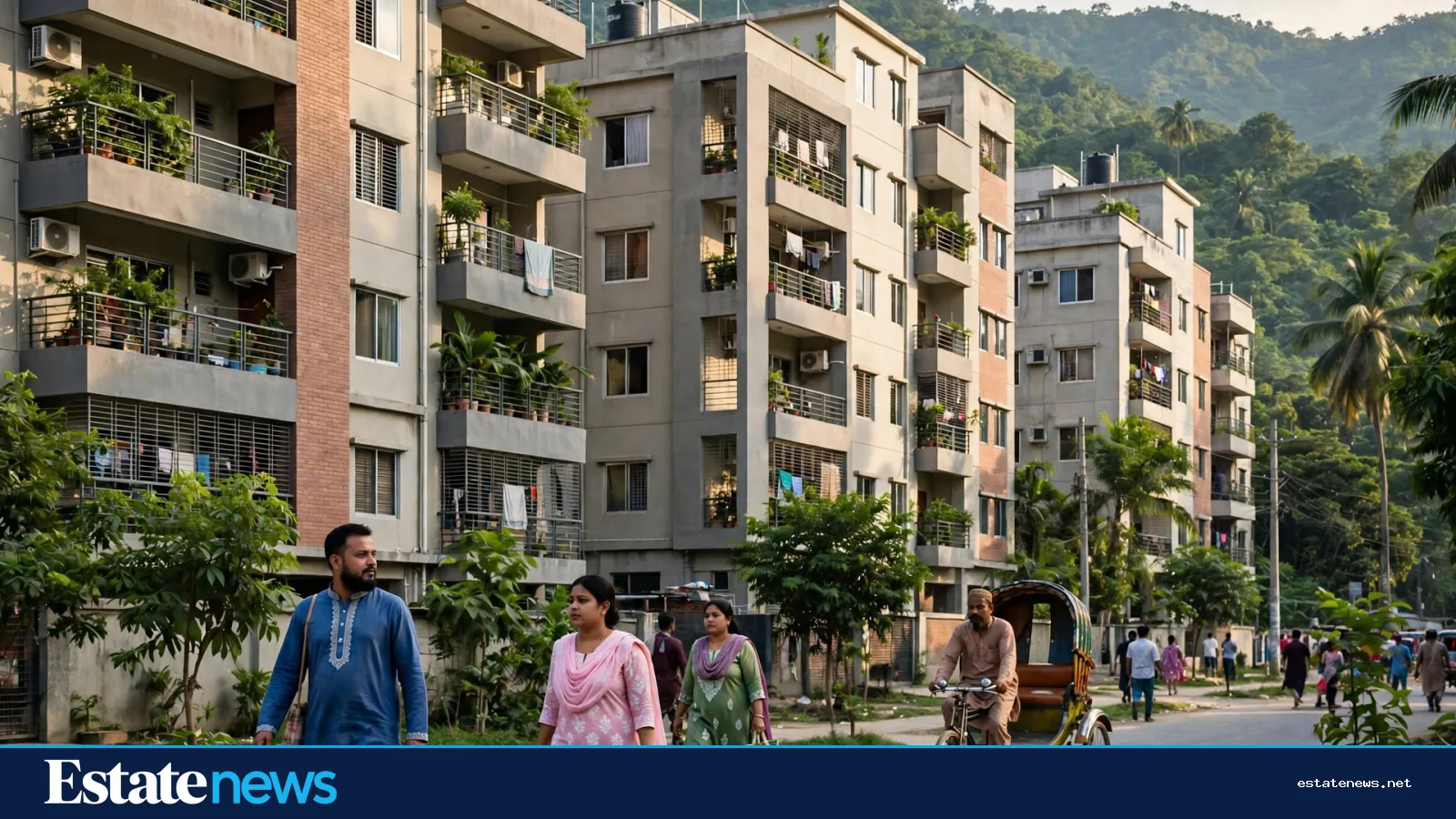
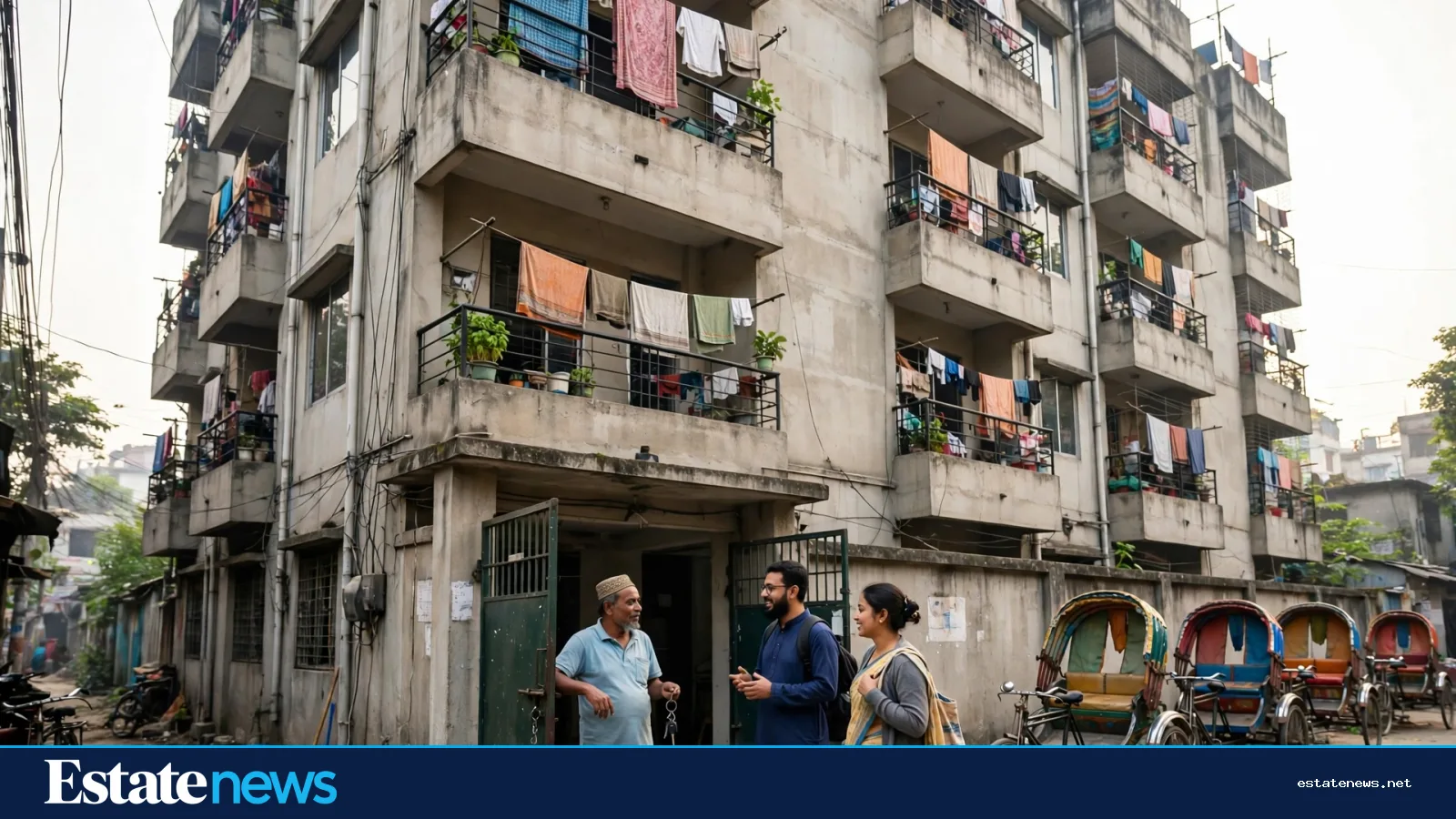
Start with the flat. Tk 10 lakh does not buy a flat in Dhaka. It buys a start: a down payment on a small flat outside the centre, or a booking amount on a project still under construction. A flat priced at Tk 50 lakh needs a Tk 10 lakh down payment at 20 percent, and then a loan for the rest, plus registration costs on top. The return comes in two forms that are hard to compare: rent saved or rent earned, and the value of the flat over years. Like-for-like rental yields in Dhaka run roughly 2.5 to 3.5 percent, per the site's 6 November rental-yield piece. That is the rent, after the usual costs, set against the price. It is modest. The gain, if any, comes from the flat's value over a long holding period, and that is never certain.
The bank deposit: quiet, and taxed by prices

A bank deposit is the calmest of the three. The money sits where it can be reached, the return is known in advance, and there is no tenant to chase and no lift to repair. The trade is that the return is fixed while prices move. If the cost of living rises faster than the deposit rate, the money buys less at the end of the year than it did at the start, even though the balance has grown. Deposit rates differ by bank and by tenure, and a saver should ask for the rate in writing, with the tax on interest explained, before locking money away. A deposit that cannot be broken without losing the interest is a different product from one that can.
For a family saving for a flat, a deposit has a clear role. It is the parking place for the down payment while it grows. It is not, on its own, a plan to beat the price of flats, because flat prices and deposit rates move on different tracks. A saver who needs the money in two years should care more about getting it back safely than about squeezing the last fraction of return from it.
Shares: the week's good news, and the week's warning
Shares are the loudest of the three this week. The DSEX closed at 5,413.04 on Thursday 5 November, up 71.41 points, or 1.34 percent, from 5,341.63, with turnover of Tk 645.43 crore, up 23.6 percent from Tk 522 crore. It was the second straight daily gain after a four-session losing streak, and the index had hit a five-month low on 2 November. A buyer who entered near that low has done well in two days. A buyer who entered a month ago may still be waiting.
That is the shape of share investing in Dhaka. The market can move 1.34 percent in a day, in either direction, and a Tk 10 lakh portfolio can be worth Tk 9 lakh by the end of a bad week. The same money in a deposit would not have moved at all. Shares suit money that can be left alone for years, through falls as well as rises, and they punish money that is needed next month for a flat booking. A family that buys shares with the down payment, hoping to grow it quickly before the booking date, is gambling with the flat itself.


How the three compare on the things that matter
Liquidity comes first. A deposit can be withdrawn, a share can be sold in a trading session, and a flat cannot be sold in a hurry at all. A property sale takes weeks of paperwork, a buyer who can pay, and a registration process that does not move fast. Anyone who may need the Tk 10 lakh back within a year should not put it into property.
Risk comes second. The deposit risks losing value to rising prices. Shares risk a sharp fall in value. Property risks a slow market, a delayed handover, or a title problem that takes years to fix. Each risk is different, and a family should pick the risk it understands, not the one a neighbour recommends.
The third test is the family's own calendar. Money needed next year belongs in a deposit. Money meant for a flat in five years can sit mostly in a deposit, with a smaller part in shares if the family accepts the risk. The calendar, more than the headline return, should decide.
A practical way to hold Tk 10 lakh
Many families end up splitting the sum, even without calling it a portfolio. The larger part stays in a deposit, where it is safe and reachable. A smaller part goes into shares, in companies the family has actually looked at, with the understanding that it may fall. The flat stays a separate goal, funded by fresh savings and, when the time comes, a loan sized to the family's income. That is not a formula. It is a way of keeping each kind of money doing the job it is best at, without asking any of them to do a job it cannot.
The DSE's two good days are a reminder that markets move, and a warning that they move both ways. October brought exports of $3.99 billion and remittance of $2.87 billion into the wider economy, and those flows support household incomes more steadily than any single day on the exchange. A Tk 10 lakh decision made on a quiet evening, with the family's own dates and needs written down, will outlast a decision made in the excitement of a green trading screen.
This is general information, not financial advice.