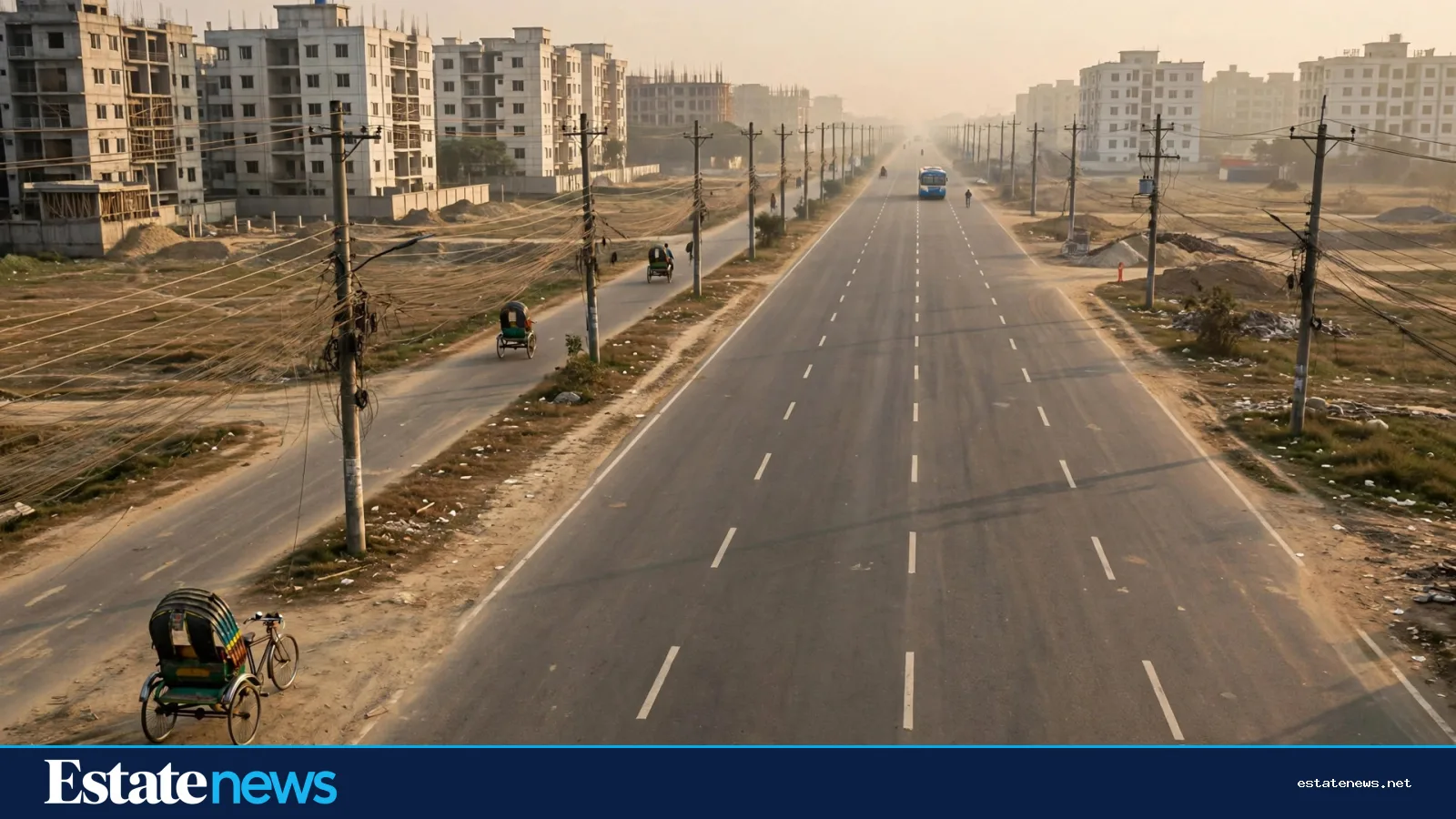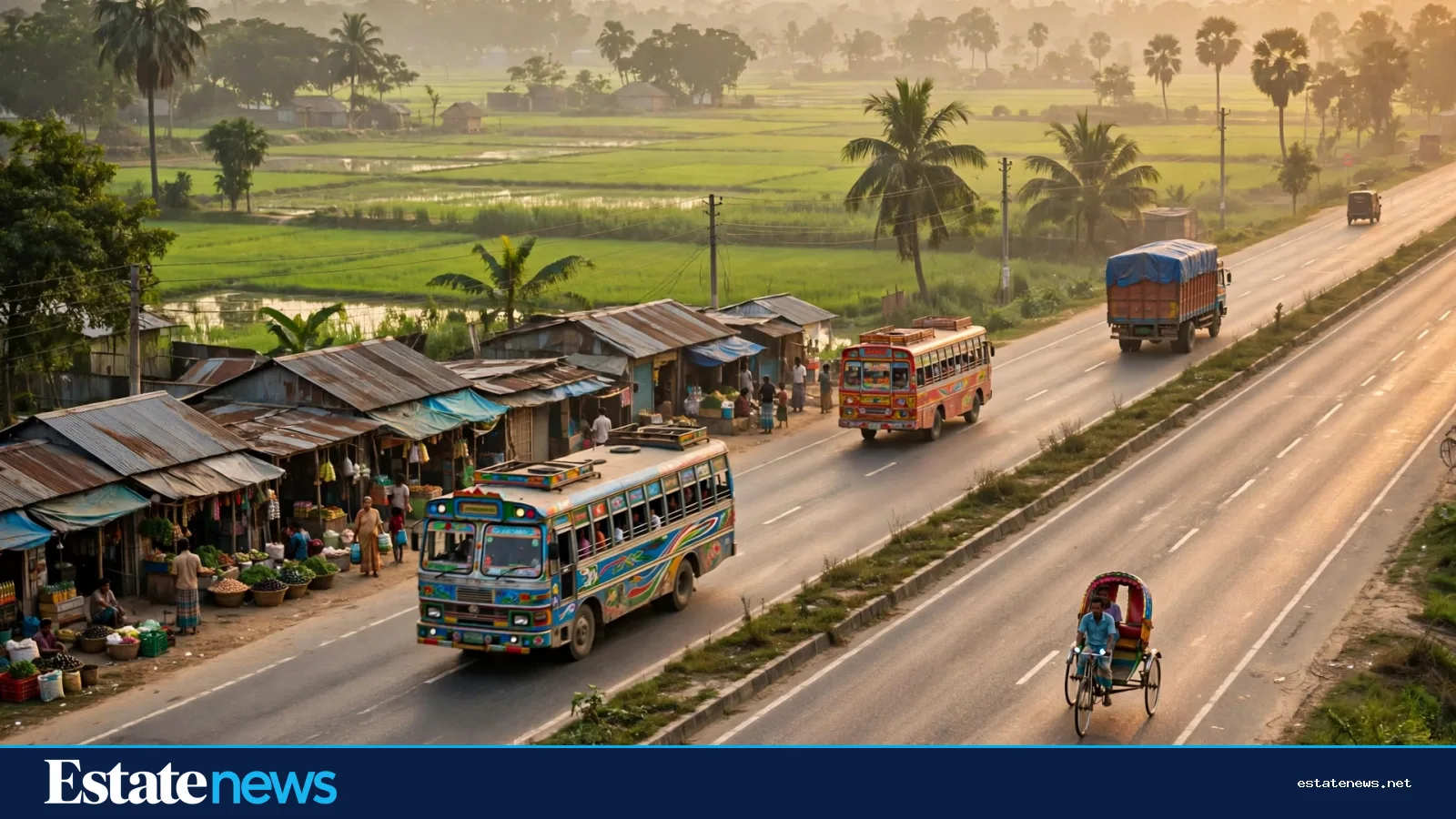
The road from Dhaka to Sylhet has always been more than a way to get from one city to another. It is a working road. Trucks carry tea and stone and cement along it. Buses leave Dhaka before dawn and reach Sylhet by afternoon, or later when the traffic turns bad. Students, traders, patients going to hospital and families going home for a wedding all share the same narrow carriageway, and everyone who uses it knows its slow stretches by name.
Four lanes would change that rhythm. A wider road means the same journey takes less of the day, and a journey that takes less of the day changes what people can do with the hours they save. A trader in Bhairab can reach a wholesale market in Dhaka and be back before dark. A student from Habiganj can sit a morning exam in the capital without leaving home the night before.
The towns the road passes through

The highway does not run through empty land. It threads through a chain of towns that already live off the traffic: Narayanganj at the Dhaka end, Narsingdi with its textile mills and cloth markets, Bhairab where the road meets the river trade, then the haor-edge towns and market centres of Habiganj and Moulvibazar before the road climbs toward Sylhet city. Each of these places has its own economy, and each of them reads the road differently.
In Bhairab, the bazaar sits close to the road, and shopkeepers watch the flow of buses the way farmers watch the sky. When the road is blocked, the bazaar quiets. When it moves, the tea stalls fill up. In Habiganj, the road is the link to the gas fields and the tea gardens, and to the hospitals and colleges that people travel to when their own town cannot provide what they need.
A four-lane road does not make these towns the same. It makes each of them easier to reach, and easier to leave. That is a double edge, and the towns know it. Better access brings customers and buyers. It also lets young people leave faster, and lets big-city shops compete with the local bazaar. The towns along the corridor will have to live with both sides of that bargain.
What a shorter journey does to a house
For readers of a property paper, the question is a practical one: what does a better road do to the price of a house, and to the decision of where to live? The honest answer is that nobody can say yet, because the work is still under way and the market along the corridor moves on many things at once: jobs, schools, gas connections, flood risk, and the price of a plot. A road alone does not fix a house price. But a road does change the map of where people are willing to live.


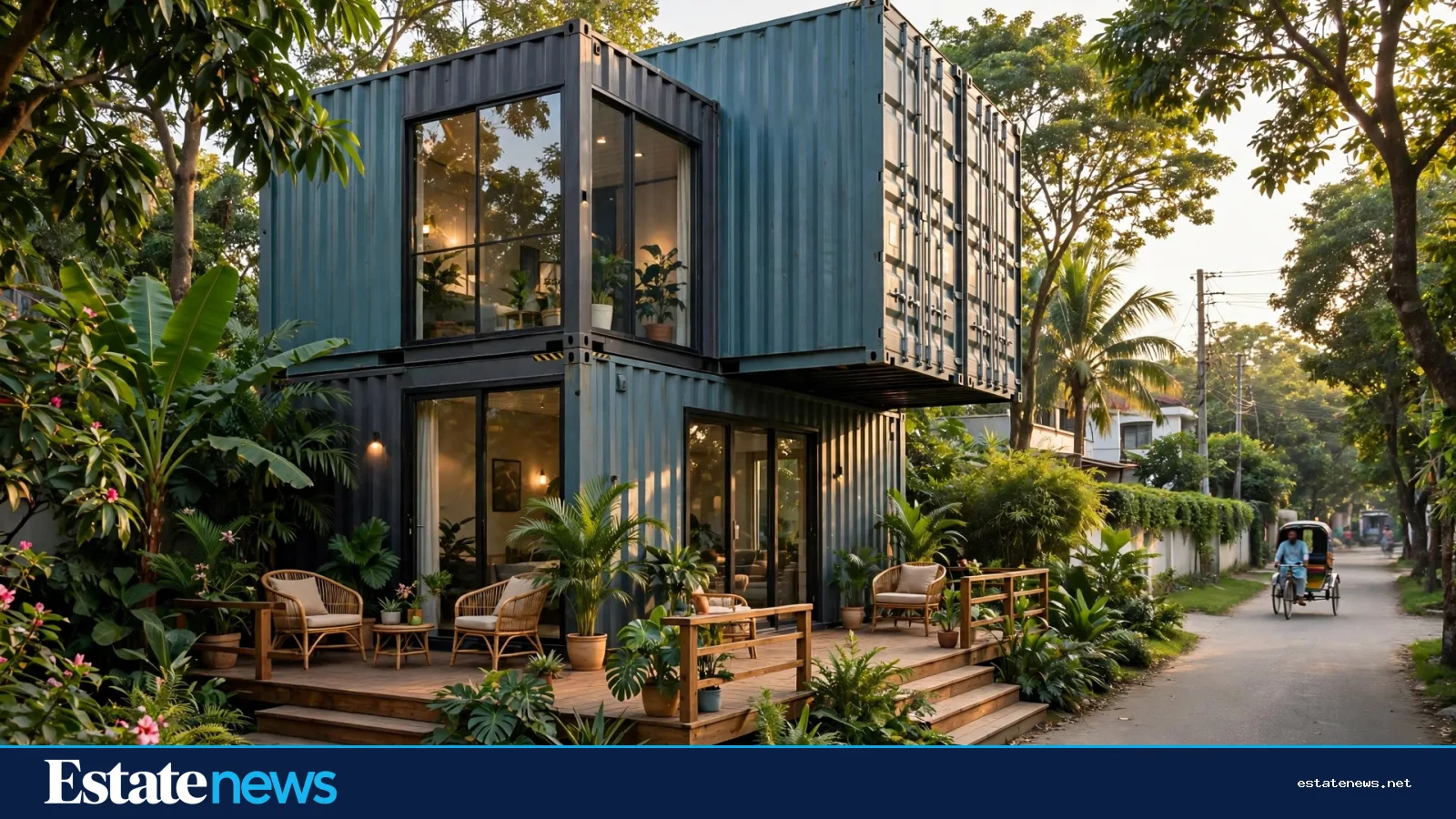
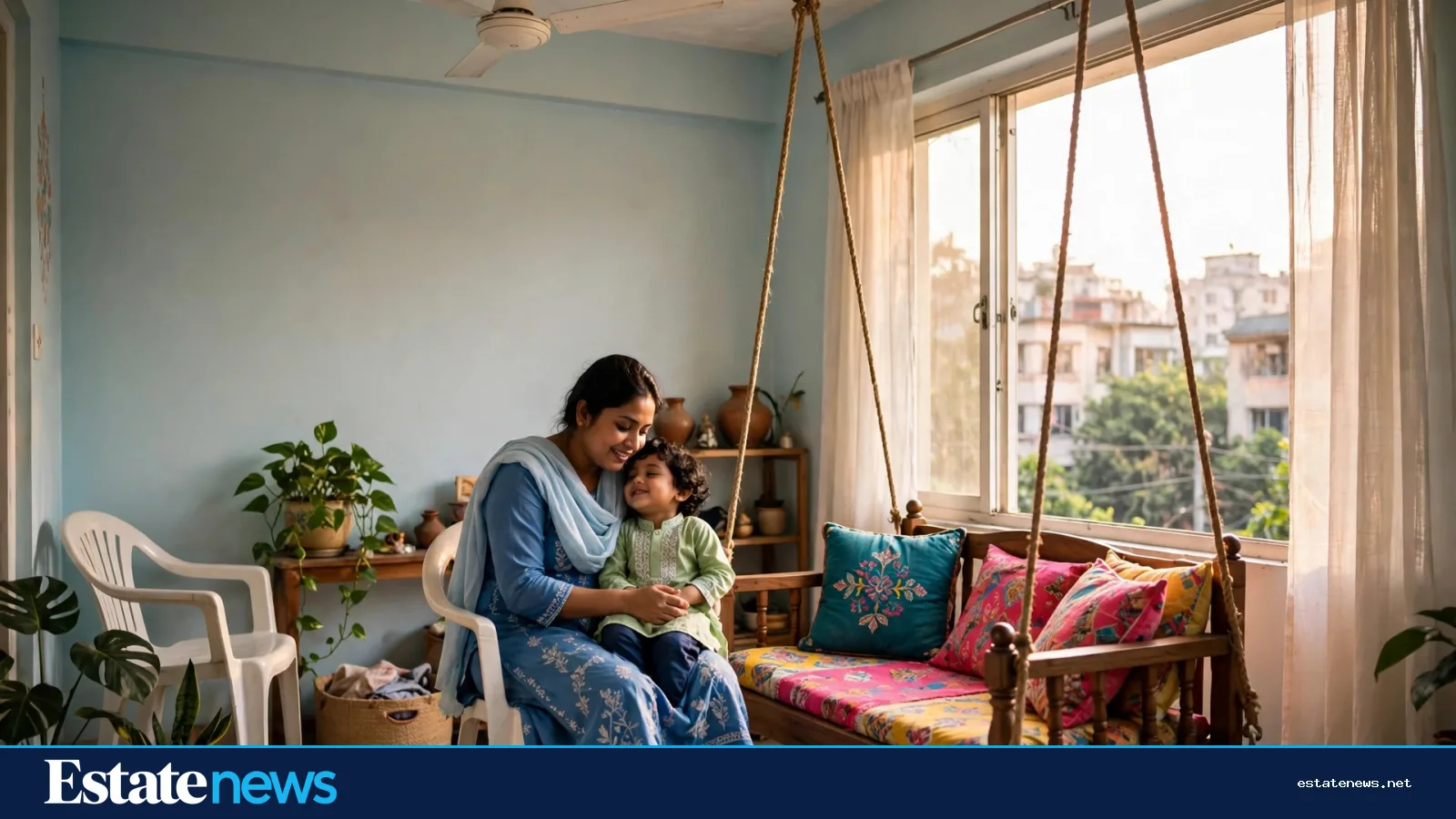
Look at it from a family in Dhaka. A flat in the capital costs what it costs, and for many families the numbers no longer add up. If the road to Sylhet becomes a reliable four-lane drive, the towns along it start to look like real options: a plot in Narsingdi or Bhairab, a house built slowly over years, a commute that is long but no longer a gamble. That is how the corridors around Dhaka have always grown. Narayanganj and Gazipur grew first because the roads to them improved first. The towns further east have been waiting for the same shift.
People who already own land near the highway will watch the roadworks closely, and some will hold their plots rather than sell, hoping the finished road lifts the value. But land beside a busy highway is not the same as land in a quiet residential lane. Noise, dust and heavy traffic sit on one side of the scales, and access sits on the other. Buyers looking along the corridor should walk the plot, stand on it at midday when the trucks are running, and ask the neighbours how the road sounds at night before they sign anything.
The bazaar test
The simplest way to judge what the four lanes will mean is to watch the bazaars. A road that works brings more than vehicles. It brings the small businesses that feed off them: the tyre shop, the roadside restaurant, the cold storage, the building materials yard. Along the Dhaka to Sylhet road, these businesses already exist in rough form. A wider, smoother road gives them a reason to grow, and growth in the bazaar is what turns a roadside settlement into a town where people want to live.
That growth will not be neat. Ribbon development, the string of shops and houses that grows along any busy road, is already visible on stretches of the highway. The towns that do best from a new road are the ones that plan the growth behind the roadside, with housing lanes set back from the traffic and schools that do not open onto the carriageway.
What to watch next
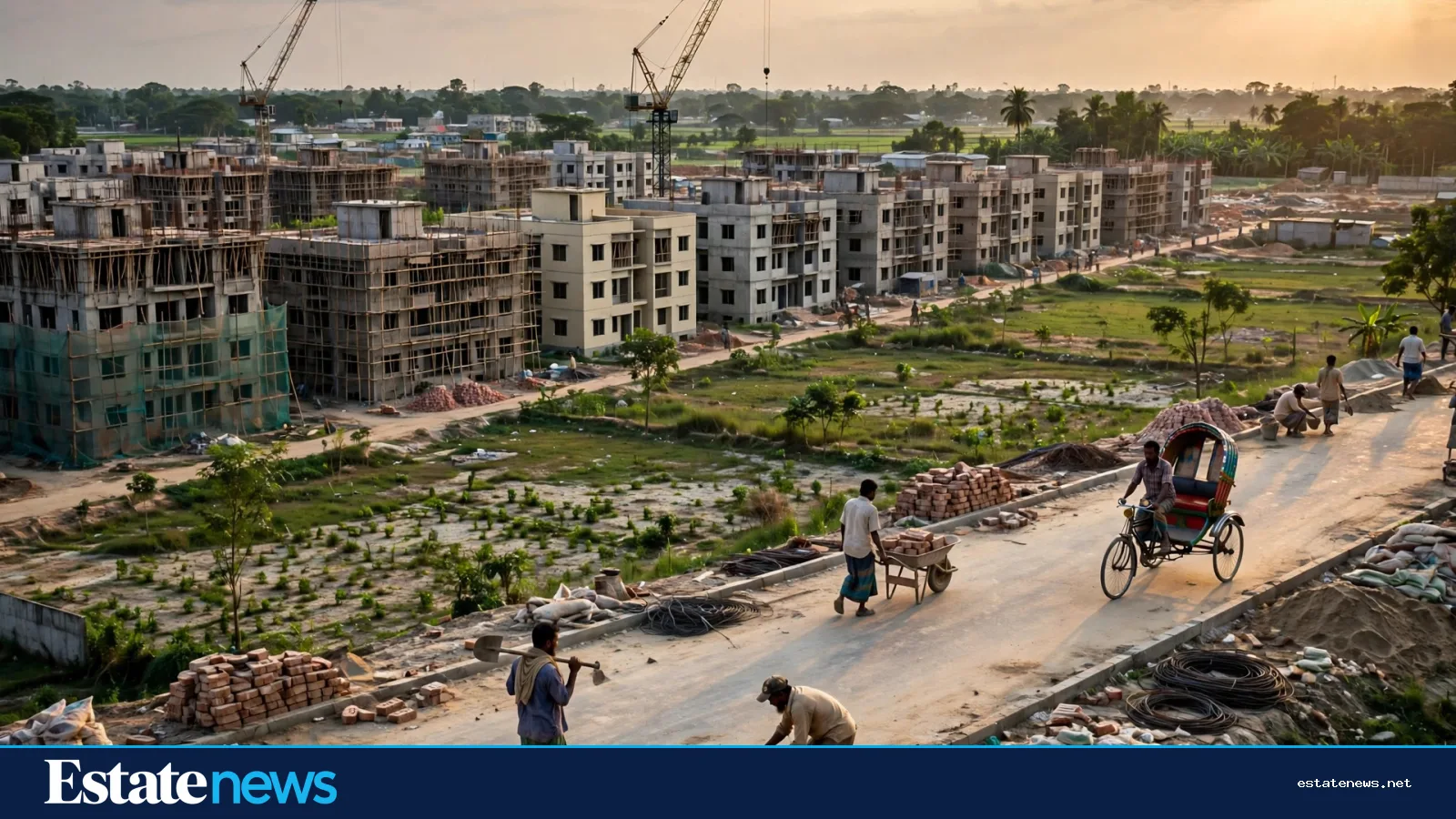
For now, the people along the corridor are watching the work itself. Roadworks mean dust and diversions and months of inconvenience, and the towns will put up with them because they have seen what a finished road does elsewhere. The test will come after the cones are gone: whether the buses run on time, whether the trucks stop cutting through the bazaars, whether the towns use the road to build something that lasts.
The Dhaka to Sylhet highway has carried this country east for a long time. Four lanes will not change where it goes. They will change how many people can use it, how fast they can travel, and how far from Dhaka a family can live and still work in the capital. That change will arrive one town at a time.