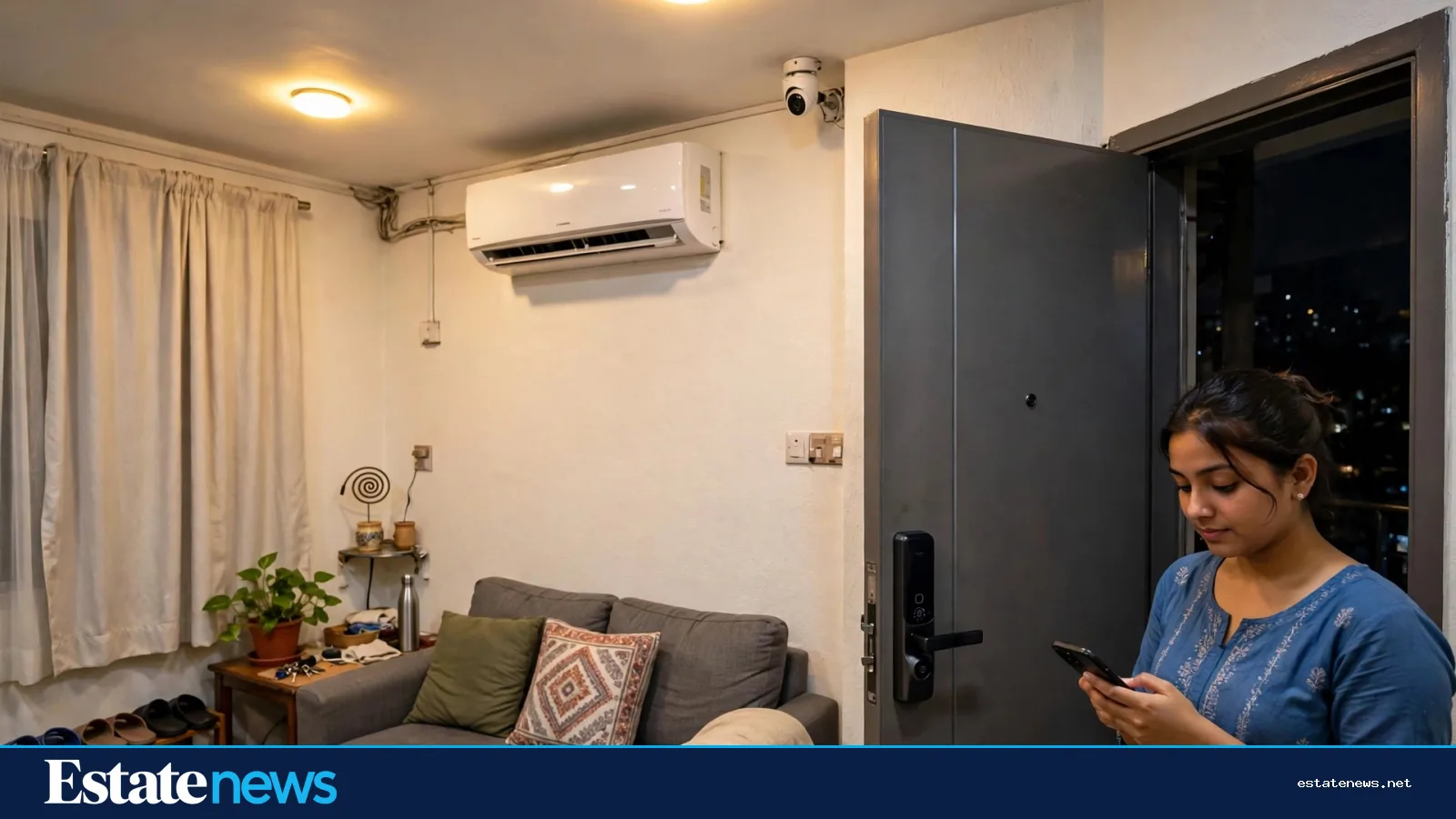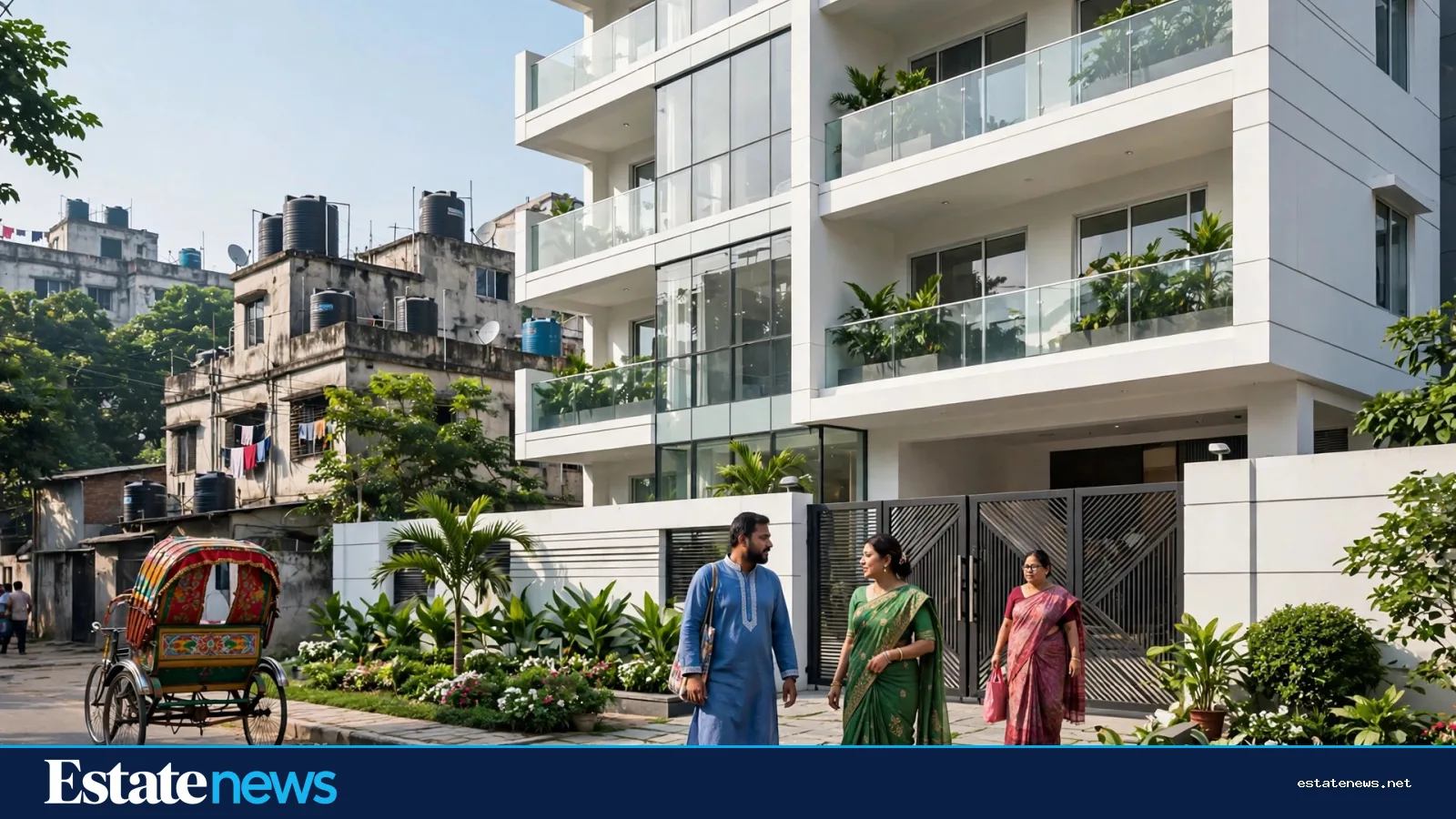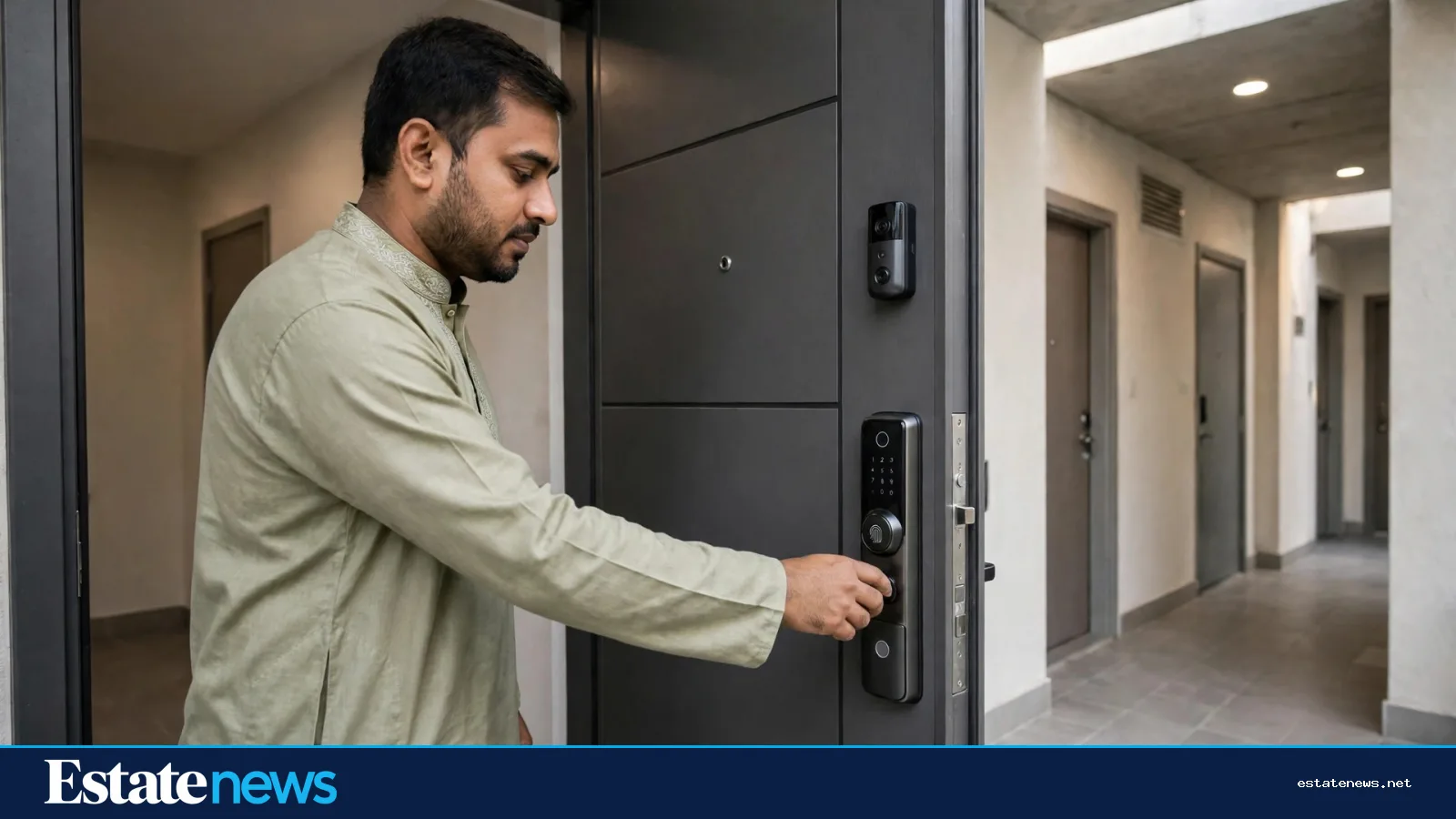
The lock on a Dhaka flat has changed less in fifty years than almost anything else in the home. A steel door, a padlock or two, and a bunch of keys that the whole family shares, copies, and loses. Now a new kind of lock is arriving in the city's apartment buildings: a smart lock that opens with a code, a fingerprint or a phone, and a video doorbell that shows who is standing outside before anyone opens the door. The shops in Gulshan and Dhanmondi stock them. The building societies argue about them. And buyers keep asking the same question: is this something a Dhaka flat actually needs, or is it a gadget looking for a job?
The honest answer is somewhere in between. A smart lock solves real problems that Dhaka families live with every day. A video doorbell solves a different one. But both of them bring new problems of their own, and in a Dhaka building those problems are practical: power cuts, internet that drops, a caretaker who needs access, and a flat where four generations may need to get through the same door.
What a smart lock does

A smart lock replaces the key, or works alongside it. The common types open with a PIN code, a fingerprint, a card, or a phone app. Some also keep a regular key as a backup. The appeal is obvious. There is no key to lose, no need to cut copies for the domestic worker or the driver, and no locksmith to call at midnight when the key snaps in the lock. A family can give the cleaner a code that works only on certain days, and change it when the cleaner leaves. A landlord can change the code between tenants without changing the lock.
For a flat in Dhaka, the most useful feature is often the simplest: the auto-lock. The door locks itself when it closes. In a building where the main door is opened a dozen times a day by children, guests and delivery riders, a door that locks itself is worth more than a fingerprint reader. It removes the daily question of whether someone remembered to lock up.
The power cut problem
Every smart lock runs on batteries, and every video doorbell needs power and, usually, internet. That is where Dhaka pushes back. A lock that depends on electricity must keep working when the power goes. Most smart locks run on standard batteries and keep working through a power cut, since the lock itself does not draw from the mains. That is the first thing to check before buying: how the lock is powered, how long the batteries last, and what happens when they die. A good lock warns well in advance, and keeps a key or an external power option for the day the batteries give out.
The video doorbell is more exposed. It needs power, and most models need a steady internet connection to send video to a phone. In a flat where the Wi-Fi router dies with the power, the doorbell goes quiet at exactly the moment the building is running on generator power and strangers are coming and going. A buyer should ask, plainly, what the doorbell does during a load-shedding hour, and not accept a vague answer.


The building has a say
A flat is not a standalone house. The door opens onto a common corridor, and the building has rules about what can be fixed to it. Some building societies allow a smart lock on the flat door without question. Others want to be told, because the lock affects the caretaker, the security guard and the fire exit plan. A video doorbell that records the corridor raises a different question: the neighbours walk past it every day, and they may not want to be filmed doing so.
Before buying anything, a flat owner should ask the building management what is allowed. The conversation takes ten minutes and saves a dispute later. It also settles the practical questions: who holds the spare key, how the guard opens the door in an emergency, and what happens when the owner is abroad and the lock needs attention.
Codes, fingerprints and trust
A smart lock changes who can enter a home, and that changes trust inside the household. A PIN code can be shared, and shared codes travel. A fingerprint cannot be lent to a neighbour, but it cannot be given to a guest either. Families should think about who actually needs access: the domestic worker who comes at seven in the morning, the driver who brings the children home, the relative who visits once a month. Each of them needs a different kind of access, and the lock should be set up to match, with codes that can be changed when someone leaves.
What to buy, and what to skip
The market is full of options, from cheap imports to expensive systems that need a technician to install. The right choice for most Dhaka flats is a modest one: a lock with a PIN and a fingerprint, a physical key as backup, batteries that last months, and a brand with a service centre in Dhaka that answers the phone. A video doorbell is worth it for a flat where the door opens onto a corridor that strangers use, or for a family with children at home alone. It is less useful in a small building where everyone knows everyone and the guard sits at the gate.
Smart locks and video doorbells are not a luxury any more. They are becoming ordinary parts of a Dhaka flat, like the intercom before them. The families that get the most from them are the ones that buy for the building they actually live in: the power cuts, the shared corridor, the people who need to come and go. Buy for that flat, not for the advertisement, and the gadget earns its place on the door.