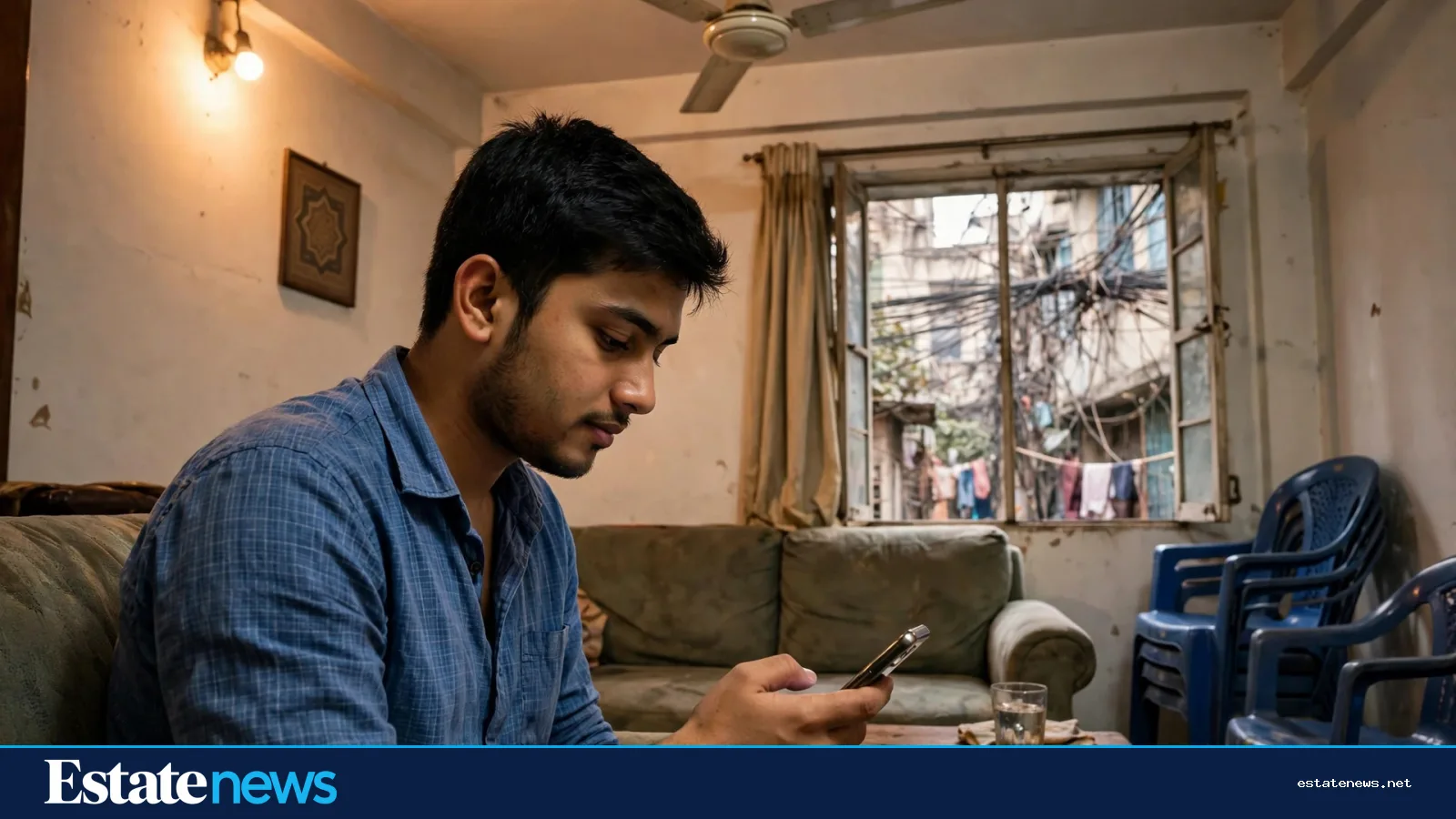
A buyer scrolls for two weeks. One evening a listing stops them. A three-bedroom flat in Uttara, bright photographs, a price far below the other flats in the same sector. They call within minutes. The man on the phone is friendly, and in a hurry. Another buyer is coming in the morning, he says. A small advance would hold the flat. They nearly pay. Then they ask for the exact address, and the man changes the subject. The flat, it turns out, does not exist at that price, in that sector, or possibly anywhere.
That pattern is common enough that most Dhaka flat hunters have a version of it. Listing platforms and apps have made the search easier, and they have made the traps easier too. A photograph costs nothing to copy. A price costs nothing to type. The work of telling a real listing from a fake one still falls on the buyer, and it takes less time than most people think.
The listing itself gives the first clues

Start with the photographs. A genuine listing usually shows the same flat from several angles: the living room, the bedrooms, the kitchen, the bathroom, the view from the window. The light, the flooring and the window grills should match from one photograph to the next. A listing that uses only wide, bright photographs with no trace of the building's age, or photographs that look like they came from a hotel, deserves a second look. Run a mental check: do the photographs show a lift lobby, a staircase, a rooftop tank, anything that ties the flat to a real building in Dhaka?
The price is the next clue. A flat listed far below the area's usual rate is not automatically fake, but it is a question that needs an answer. A seller in a hurry, an urgent relocation, a building with a known problem, all of these are possible. "Owner abroad, price negotiable" is not an answer. Ask what the service charge is, how old the building is, and why the flat is empty. A genuine seller answers. A fake one moves on to the next caller.
Location is the third test. A listing that names only an area, "Uttara" or "Mirpur", without a sector, a road or a house number, is hiding something. So is a listing that refuses a video call from the flat itself. Ask for a short live video walkthrough. A real owner or agent can walk through the flat with a phone. A scammer will have a reason not to.
The call, and what to ask
Before a visit, make one careful call. Ask who owns the flat, and whether the person speaking is the owner or an agent. Ask for the deed status and whether the mutation is done. Ask how long the flat has been empty, and what the monthly service charge covers. Ask about gas, water and the lift. Write the answers down. If the answers change between the call and the visit, treat that as information, not as a small mistake.


Never pay money before a visit. No booking amount, no advance, no "token money" sent through mobile banking to hold a flat you have not seen. A genuine seller may ask for a token after you have visited, seen the papers and agreed terms. Before that point, any demand for money is a warning sign. Keep every message and receipt. If a listing disappears after you ask a hard question, that is also an answer.
The visit is where the truth lives
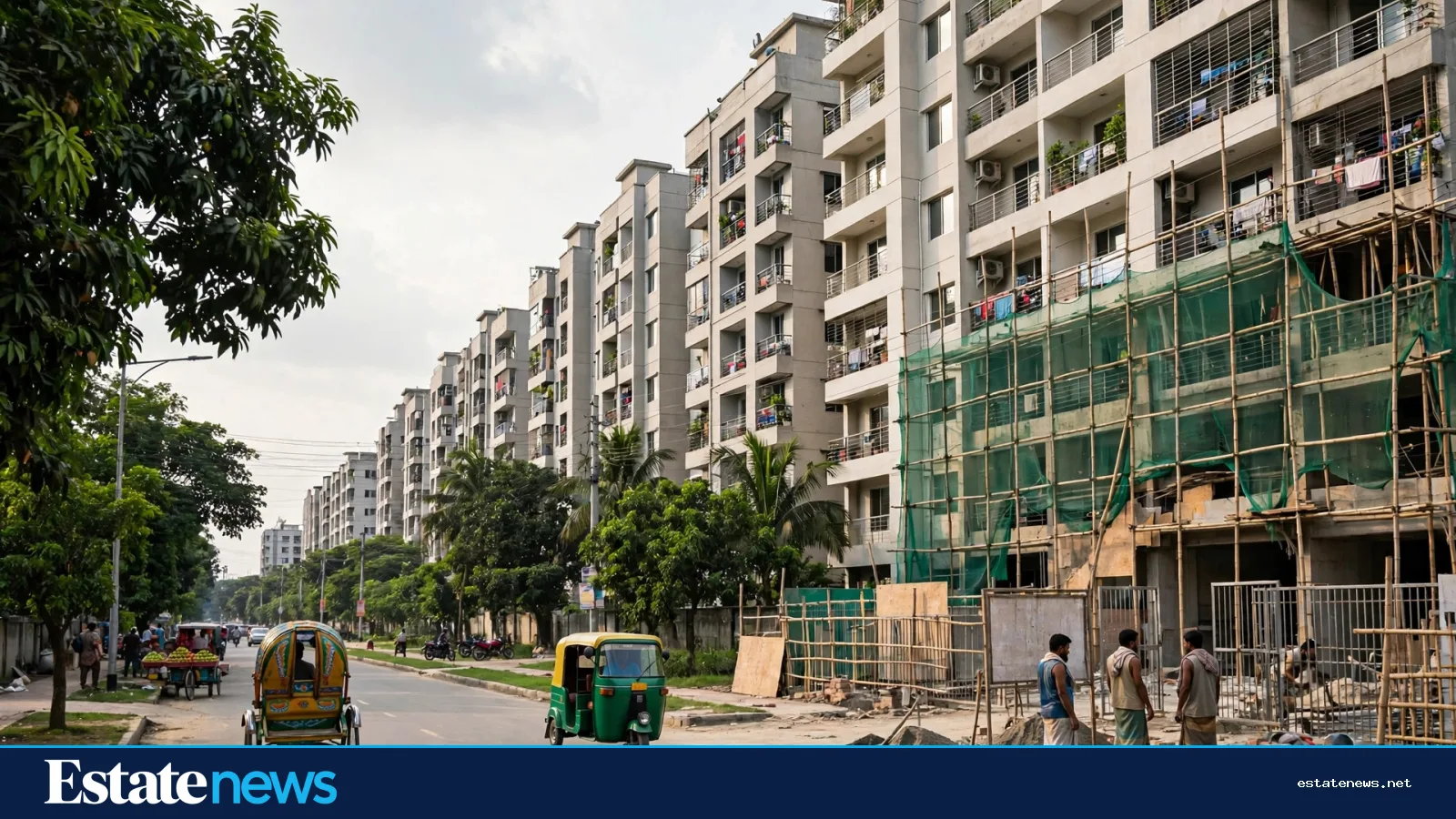
A listing can be polished. A building cannot. On the visit, look at the things no photograph shows. Ride the lift. Walk the staircase. Look at the roof and the corners of the top-floor ceiling for damp. Check the water pressure and the gas flame in the evening, when the building is at full use. Knock on a neighbour's door and ask how the building is run. A resident who has lived there for two years knows more than any listing.
Check the papers on the same visit, or ask to see them before a second one. The deed, the RAJUK approval and the mutation record should match the flat you stood in. If the agent says the papers are "with the owner" and cannot be shown, do not agree to pay anything until they are. A flat with clean papers and a straight story is worth waiting for.
Using the platforms well
Listing apps are tools, not judges. Use them to compare: same area, same size, several listings side by side. Save the ones that look consistent, and ignore the ones that look too good. Set alerts for your area and size, and check new listings the same day they appear, since good flats move fast. Talk to more than one agent, and cross-check a price with a broker in the area who has no stake in the sale.
The best listings do a simple job. They show the flat honestly, name the building, and give a number that matches the area. The worst ones do the opposite, and they rely on hurry. Slow down, ask the questions, and visit before you pay. The flat that is real will still be there after a careful day. The one that is not was never yours to lose.
[Read more: Property Listings in Bangladesh: How to Use Online Platforms Well and Spot a Listing to Avoid](https://estatenews.net/proptech/property-listings-in-bangladesh-how-to-use-online-platforms-well-and-how-to-spot-a-listing-to-avoid) | [Smart Homes in Dhaka: What Is Actually Worth Paying For, and What Is Just Gadgetry](https://estatenews.net/proptech/smart-homes-in-dhaka-what-is-actually-worth-paying-for-and-what-is-just-gadgetry) | [The Flat Site Visit: Light, Noise, Water, Lift and the Papers to Ask For](https://estatenews.net/markets/the-flat-site-visit-light-noise-water-lift-and-the-papers-to-ask-for)