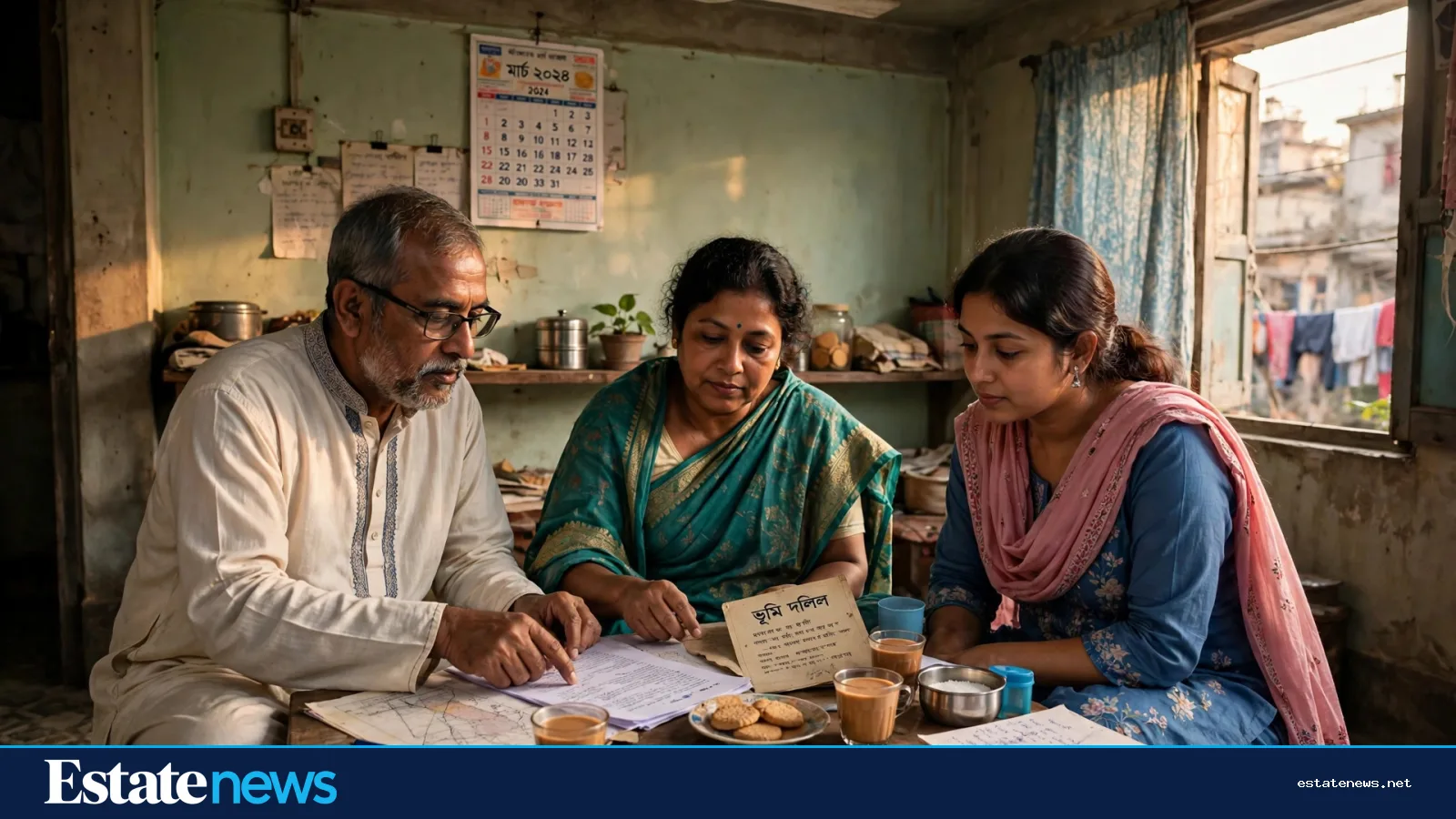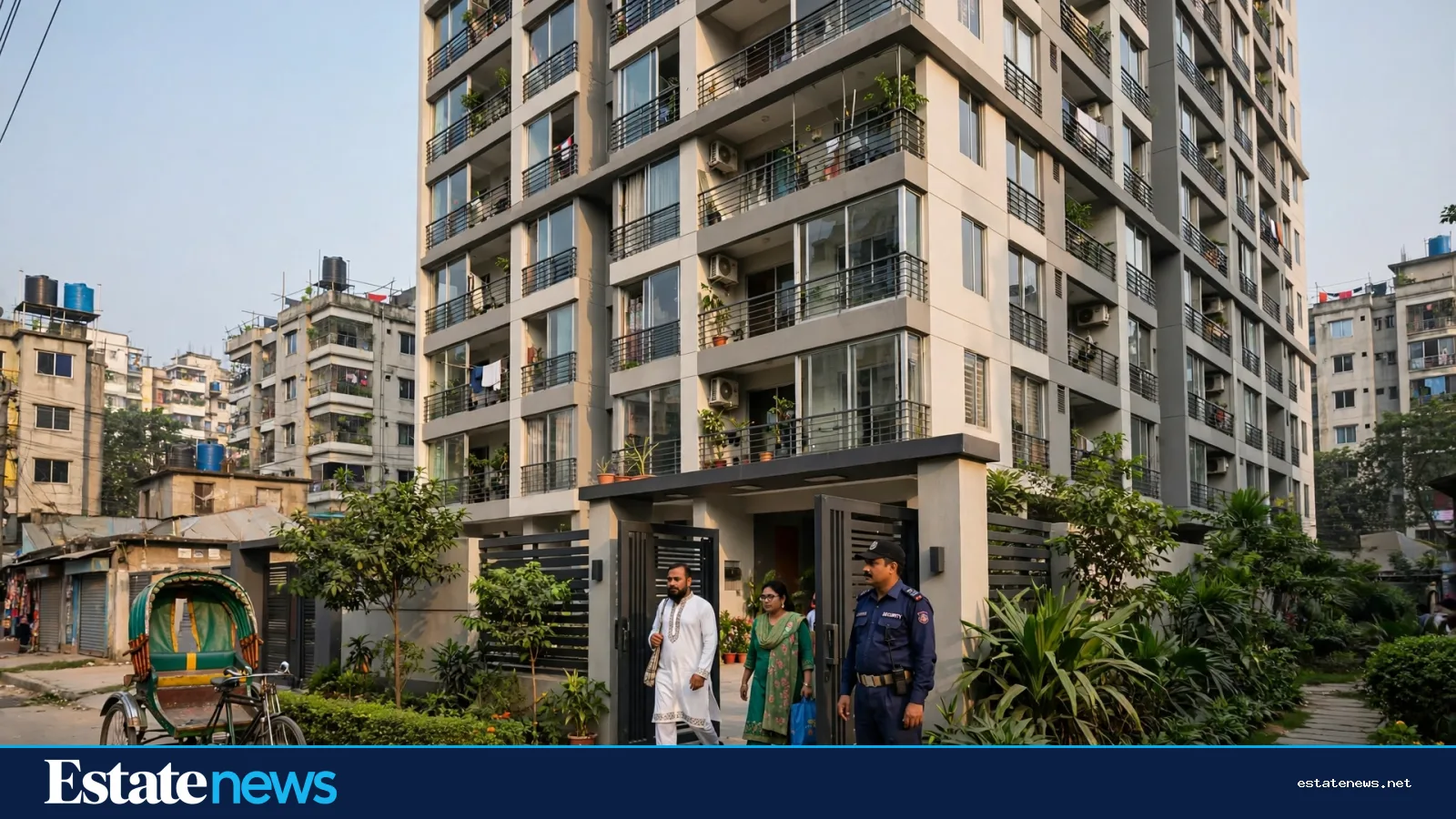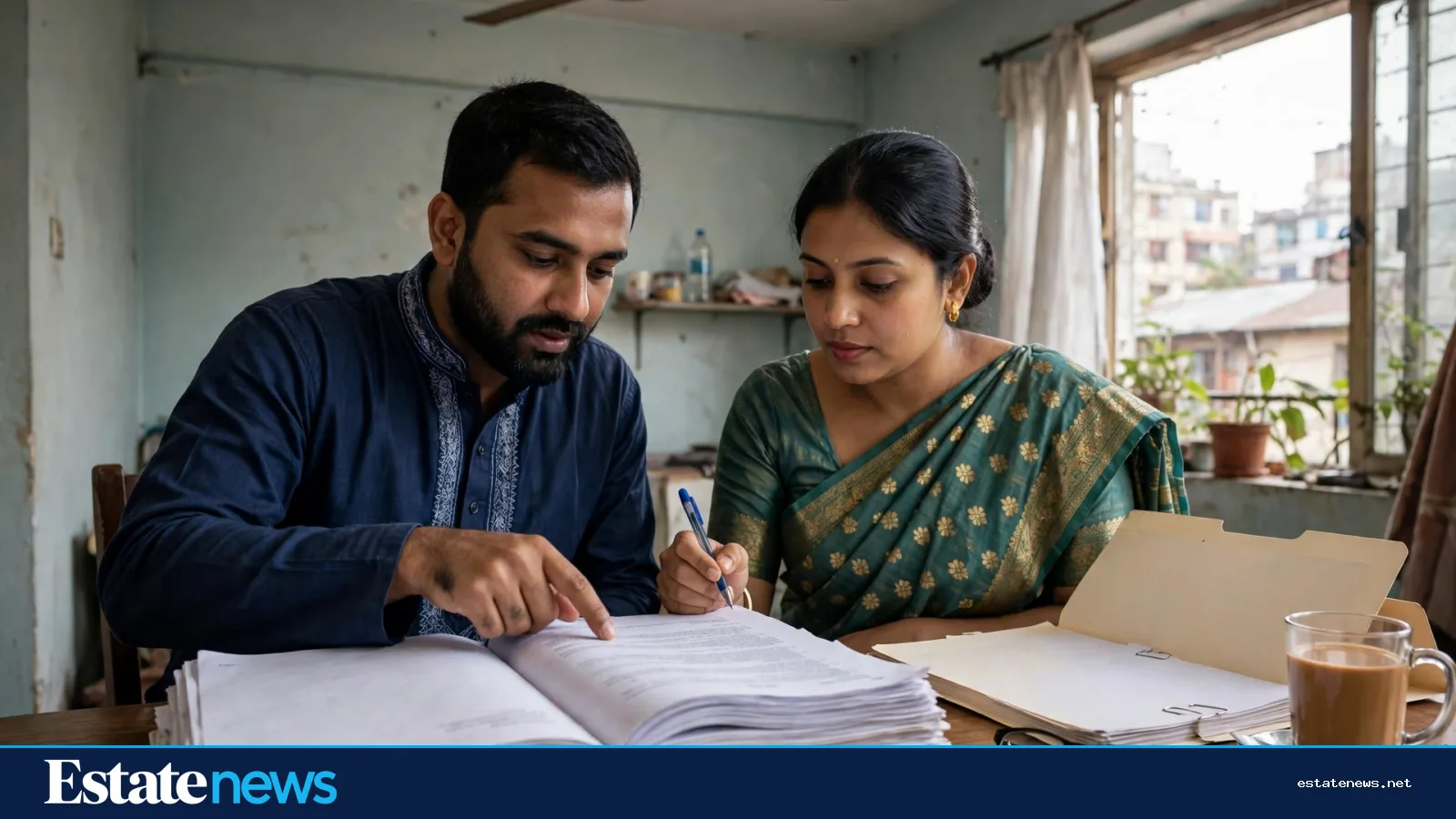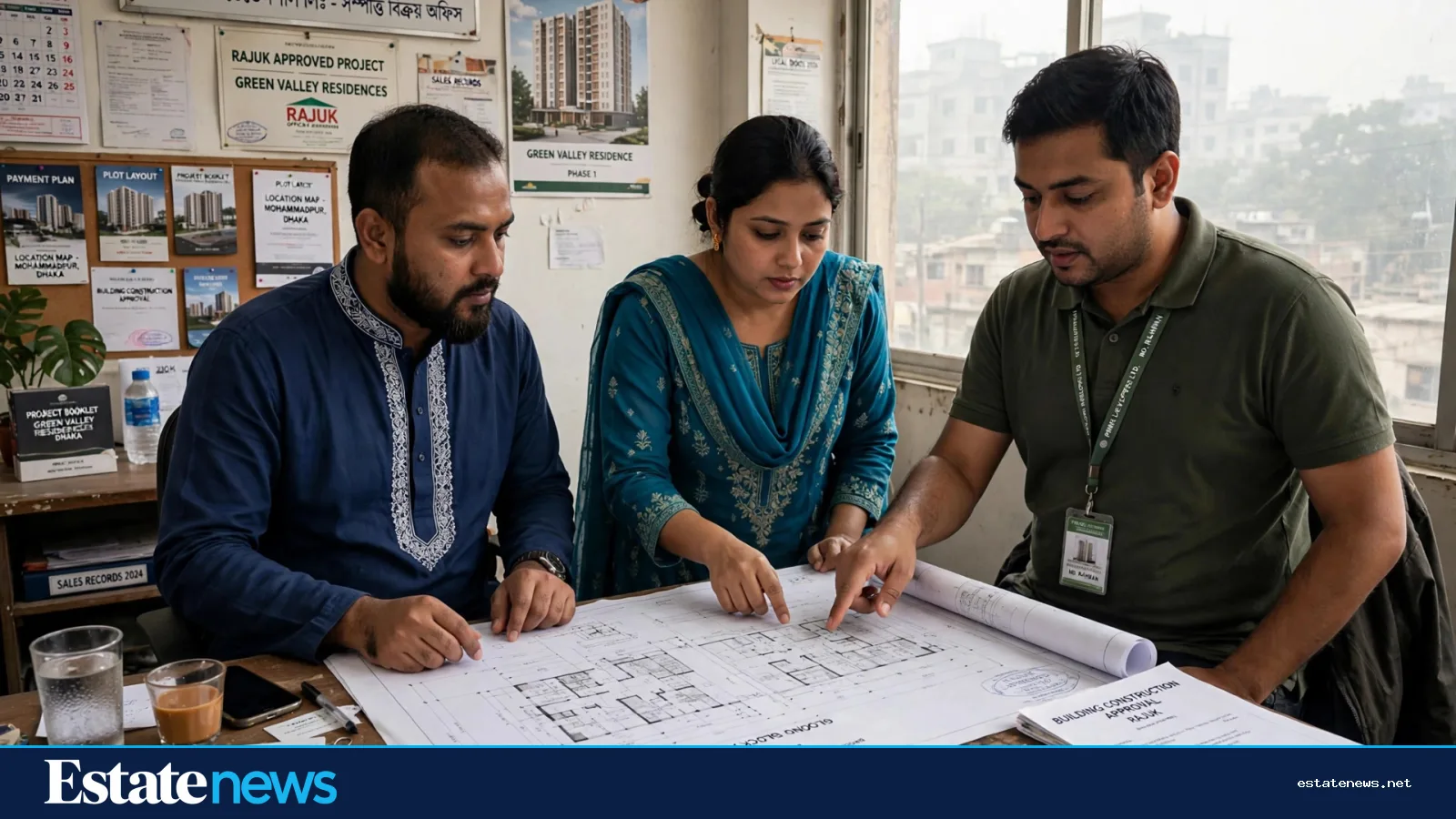
A buyer in Dhaka will spend months comparing flat sizes, and ten minutes on the one document that decides whether the flat is legal. The RAJUK approval is not paperwork for its own sake. It is the record of what the city allowed this developer to build on this plot: how many floors, how many flats, how much of the land the building may cover, and what was left open.
When the approval and the building do not match, the buyer pays. Extra floors can mean a flat that cannot be registered cleanly. A building that covers more land than approved can mean a dispute that outlives the developer. The check is straightforward, and it belongs at the start of the buying process, not at the end.
Start with the approval number

Every approved building has an approval number, issued by the Rajdhani Unnayan Kartripakkha, RAJUK, against a sanctioned plan. Ask the developer for the number and for a copy of the approval letter. A developer selling a genuine project produces this without hesitation, usually in the first meeting. It is a normal request, and honest sellers treat it as one.
With the number in hand, you can ask RAJUK to confirm it. RAJUK's offices handle verification of approvals, and buyers can also check through a lawyer who regularly works with RAJUK files. Do not rely on a photocopy alone. A copy is easy to produce. Confirmation from the authority, or from a lawyer who has seen the file, is the part that counts.
Match the plan to the building you are buying
The sanctioned plan is the drawing that RAJUK approved. It shows the number of floors, the number of flats on each floor, the setbacks from the plot boundary, and the open space. Ask for the plan and walk it against the building, or against the model and the floor plan in the brochure.
Look for the simple mismatches first. The brochure says twelve floors and the approval says ten. The plan shows two flats per floor and the sales office is selling three. The setback on the south side is marked as open space, and a shop already stands there. Any of these is a reason to stop and ask, in writing, for an explanation. Some differences come from a revised approval, which is legitimate, but a revised approval is also a document. Ask to see it.


Check the plot itself as well. The deed, the khatian and the mutation record should name the same seller, the same plot number and the same area. A flat is only as clean as the land under it. If the land papers and the approval papers describe different plots, walk away until the developer can explain why.
The red flags buyers learn to spot
A few signs come up again and again in Dhaka's problem projects. The developer cannot produce the approval letter, or produces only a receipt for an application. The approval covers a smaller building than the one being sold. The developer says the approval is "in process" while taking booking money for a building already under construction. The project is marketed with a name and a location that do not match the papers.
None of these proves fraud on its own. An approval can genuinely be in process for a project that has not yet broken ground. But booking money paid against a promise of a future approval is a risk the buyer carries alone. The safer rule is simple: booking money follows the approval, not the other way round.
What to do with what you find
If the approval checks out, keep copies of everything: the approval letter, the sanctioned plan, the deed and mutation papers, and the allotment letter that records your flat number and size. These papers are what a bank will ask for with a home loan, what the registration office will ask for later, and what a future buyer will ask for when you sell.
If something does not check out, write to the developer and ask for the missing document, and give a date for the answer. Take the papers to a lawyer who handles property work in Dhaka before paying anything more. A one-hour consultation costs far less than a disputed flat.
Dhaka's housing market rewards buyers who ask early. The approval check takes a week at most, and most of that is waiting. The flat will still be there when the check is done. The question is whether the building on the papers is the building on the ground. That is worth knowing before the booking money leaves your account.