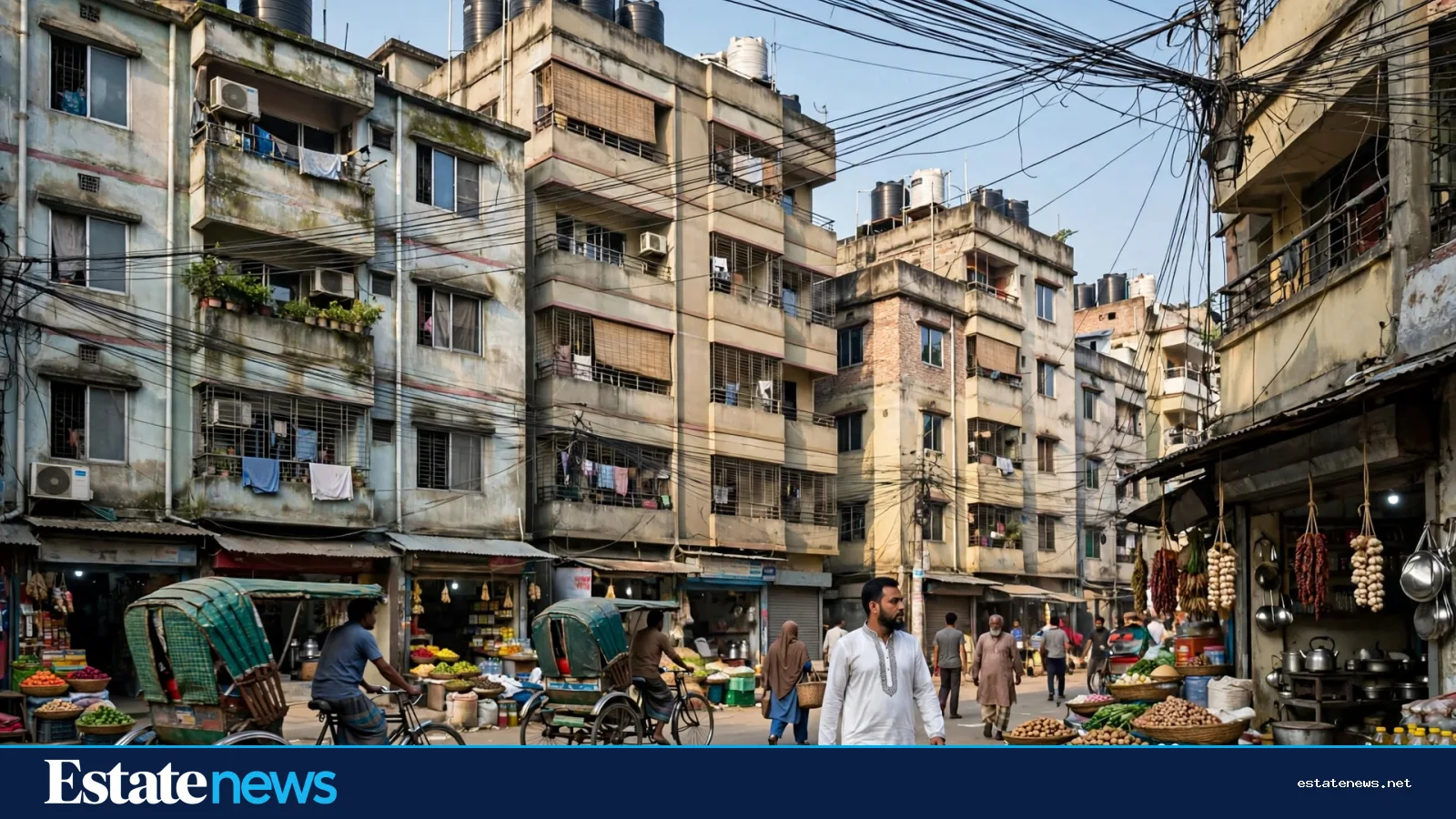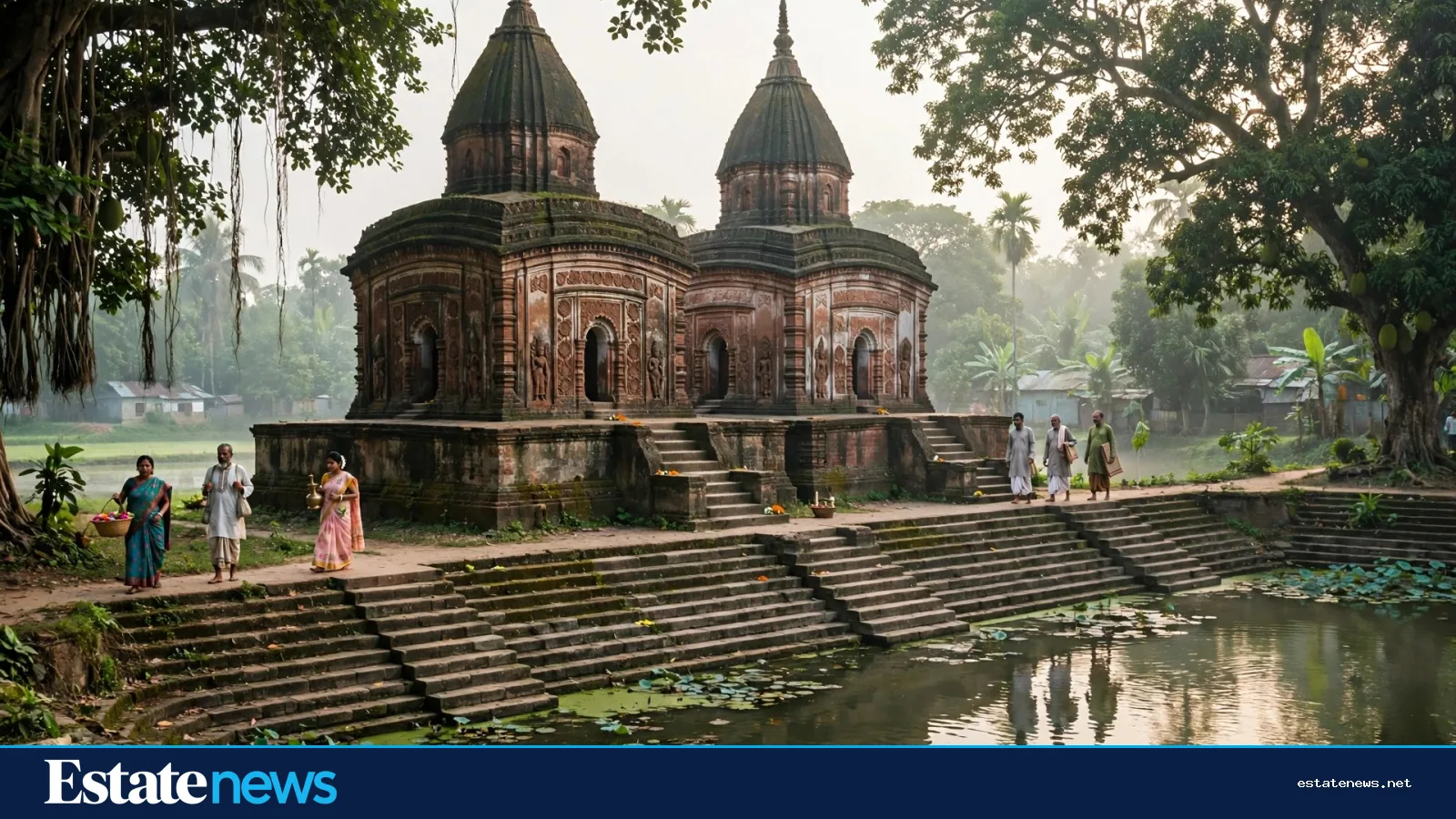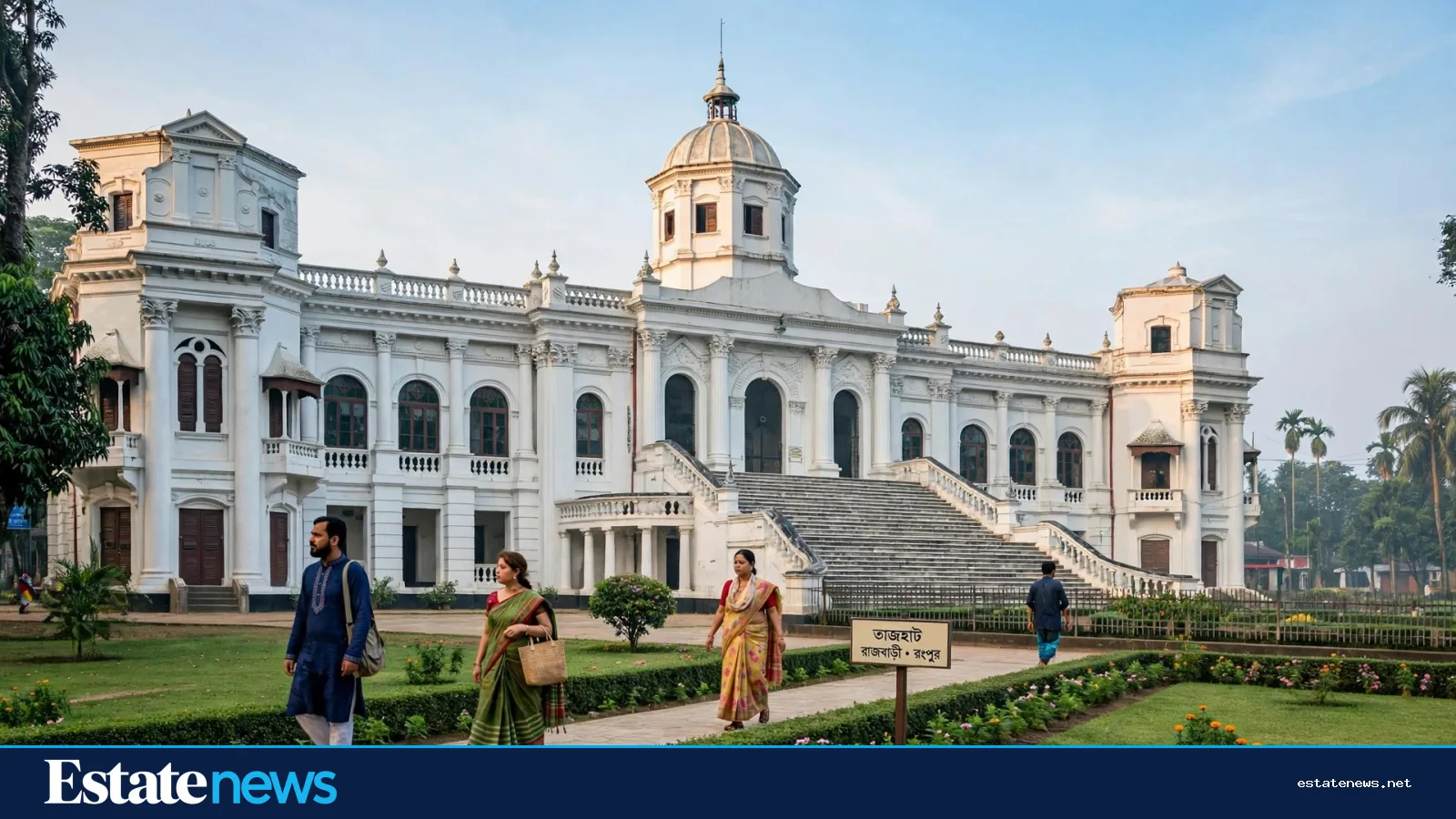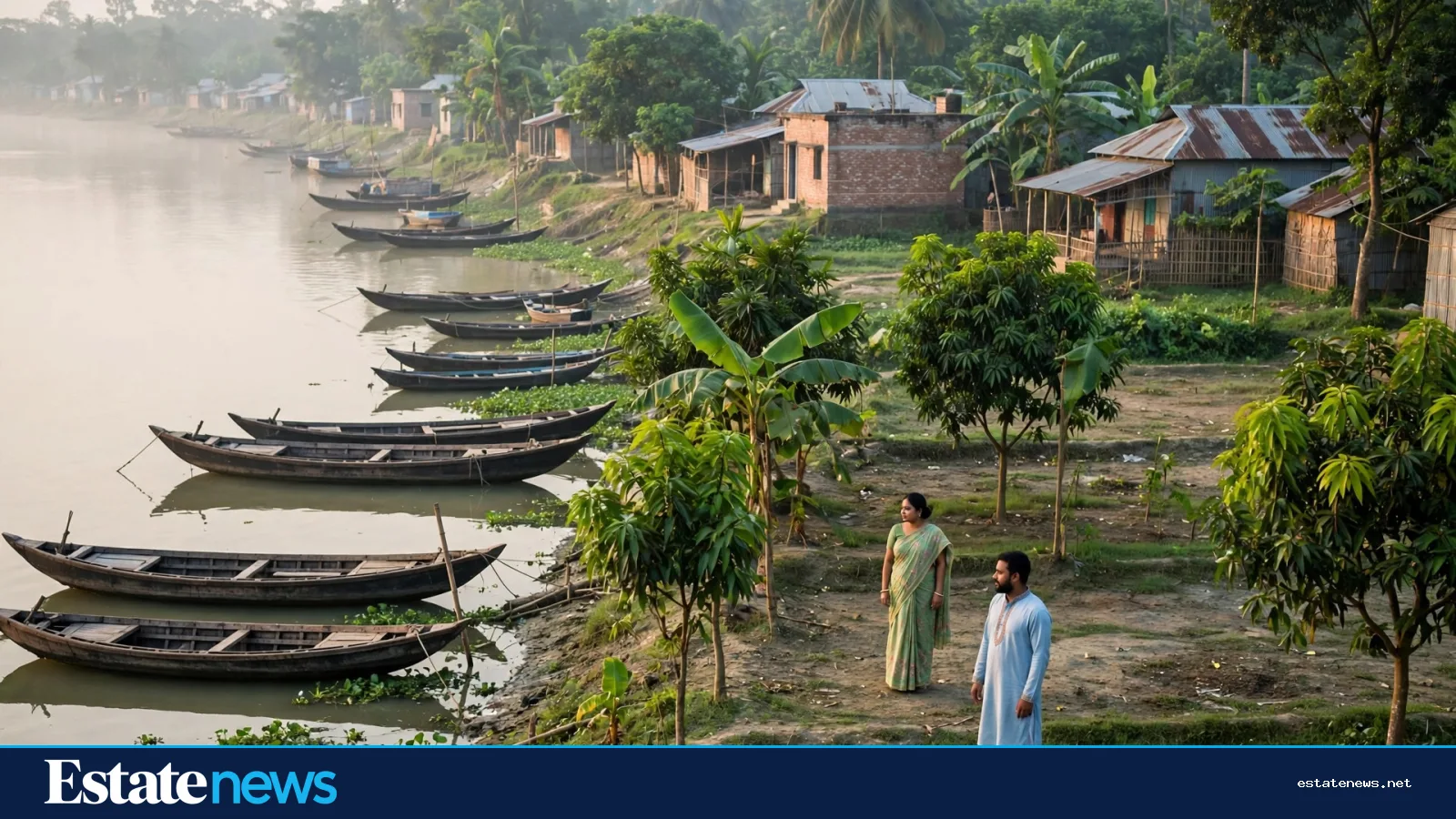
Barishal wakes up to the river. Boats move along the water before the shops open, and the mist sits low over the bank until the sun burns it off. It is a city shaped by water in a way Dhaka never was, and its housing follows the same shape. In Barishal, home still means a plot of land, a house built on it, and room to grow. The flat, Dhaka's default answer to housing, has never quite taken over here.
Walk through the older paras and the pattern is easy to read. Houses stand on their own plots, often with a courtyard, a few fruit trees and space for a kitchen garden. Families add a room when a son marries, put up a second floor when the money allows, and keep the same address for generations. The house grows with the family, instead of the family fitting itself into a flat someone else designed.
Land first, building second

The plot comes first in Barishal in a way it no longer does in Dhaka. A family buys land, holds it, and builds when it can. The decision is usually made with the whole family in the room, and the question is not only what the land costs but who lives nearby, how the plot drains in the monsoon, and whether the road reaches it in all seasons. A plot beside a good road, near a school and a bazaar, is worth more than a larger plot at the end of a lane that floods.
That way of building has a logic Dhaka has lost. The family controls the pace. It builds one floor this year and another in five years. It chooses its own mason and its own materials, and it knows every wall in the house because it watched each one go up. The cost is spread over years instead of landing in a single purchase, and the house ends up fitting the people who live in it.
Why flats have been slow to arrive
Flats have arrived in Barishal, but slowly. The city's developers build apartments, and buyers do buy them, particularly families who want a ready home without the work of building. Yet the flat has not become the default the way it has in Dhaka. Land is still available, and families with land see little reason to pay for a share of someone else's building when they can build on their own ground.


There is also the matter of how people live. A Barishal household often spans three generations, with grandparents, parents and children under one roof. A plot house stretches to fit them. A flat, with its fixed rooms and shared walls, stretches less easily. And in a river city, where the water sets the rhythm of the day, a courtyard with a mango tree still counts for more than a balcony.
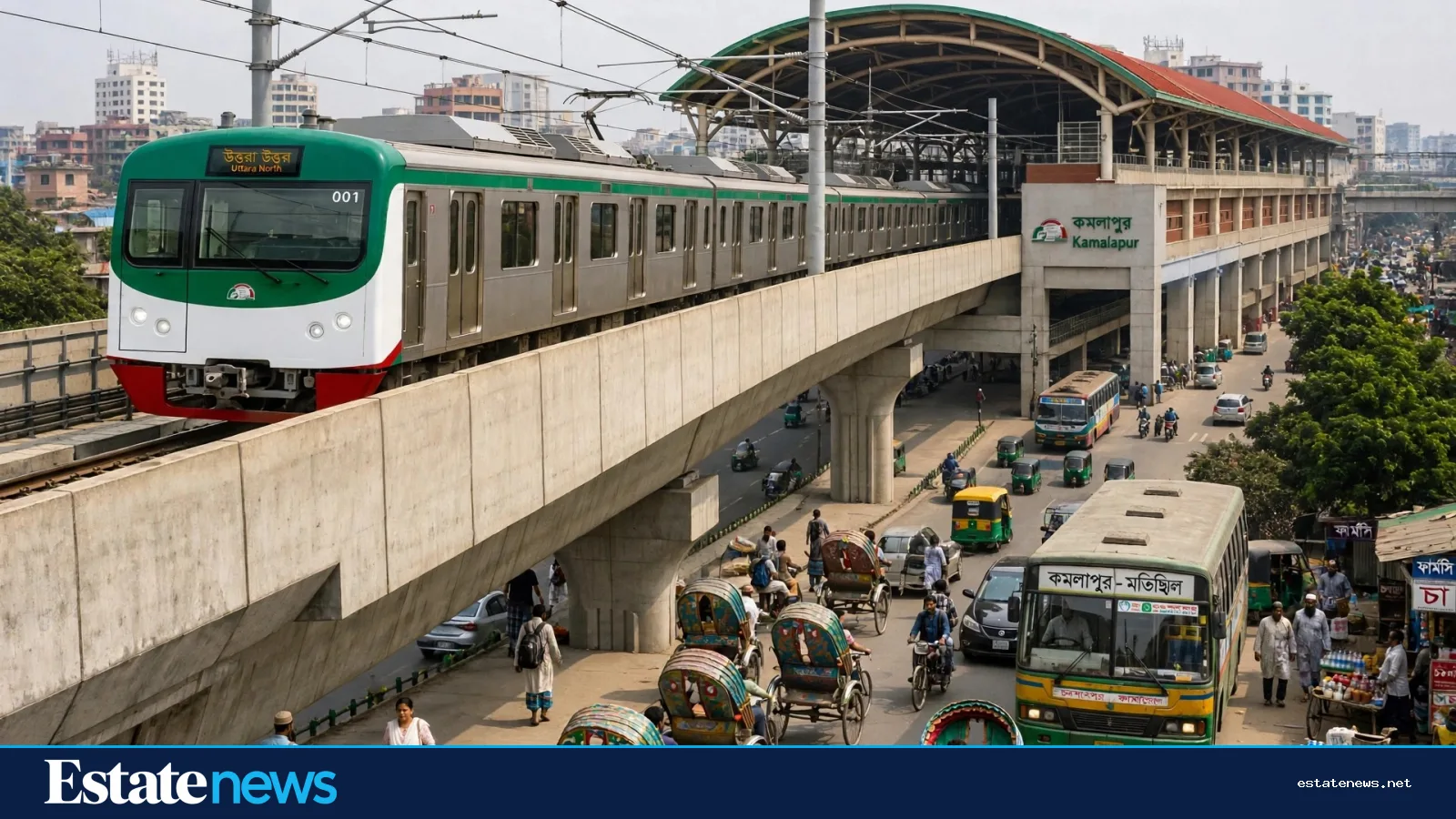
That does not mean the city's housing is standing still. Roads, bridges and better connections to Dhaka have changed what it means to live in Barishal, and younger families think about housing differently from their parents. Some want the lock-and-leave ease of a flat. Some want a plot near the town centre and a house they can build slowly. The two markets sit side by side, and the balance between them is the story of the city's housing today.
What a buyer should check
A buyer in Barishal should start with the same checks as anywhere in Bangladesh, and the river makes some of them more urgent. Title comes first: the deed, the mutation record and the survey records should all describe the same plot, and any gap between them should be settled before money changes hands. Then comes the ground itself. How does the plot behave in the monsoon? Does water stand on it? Does the road stay passable? Ask the neighbours, who have watched the plot through more rainy seasons than any seller has.
For a flat buyer, the checks are the familiar ones: the developer's record, the approval for the building, and whether the flat matches the approved plan. For a plot buyer, the question is simpler and harder at once: is this the ground the family will live on for the next thirty years? The answer is not in a brochure. It is in the soil, the road, the water and the neighbours.
Barishal's housing market will keep changing. More flats will rise, and more families will choose them. But the plot will stay at the centre of how this city thinks about home, because the plot is what a family owns outright, builds slowly and hands down. In Dhaka, the flat became the answer when land ran out. In Barishal, the land has not run out yet, and the answer is still a house of one's own, on ground the family chose itself.