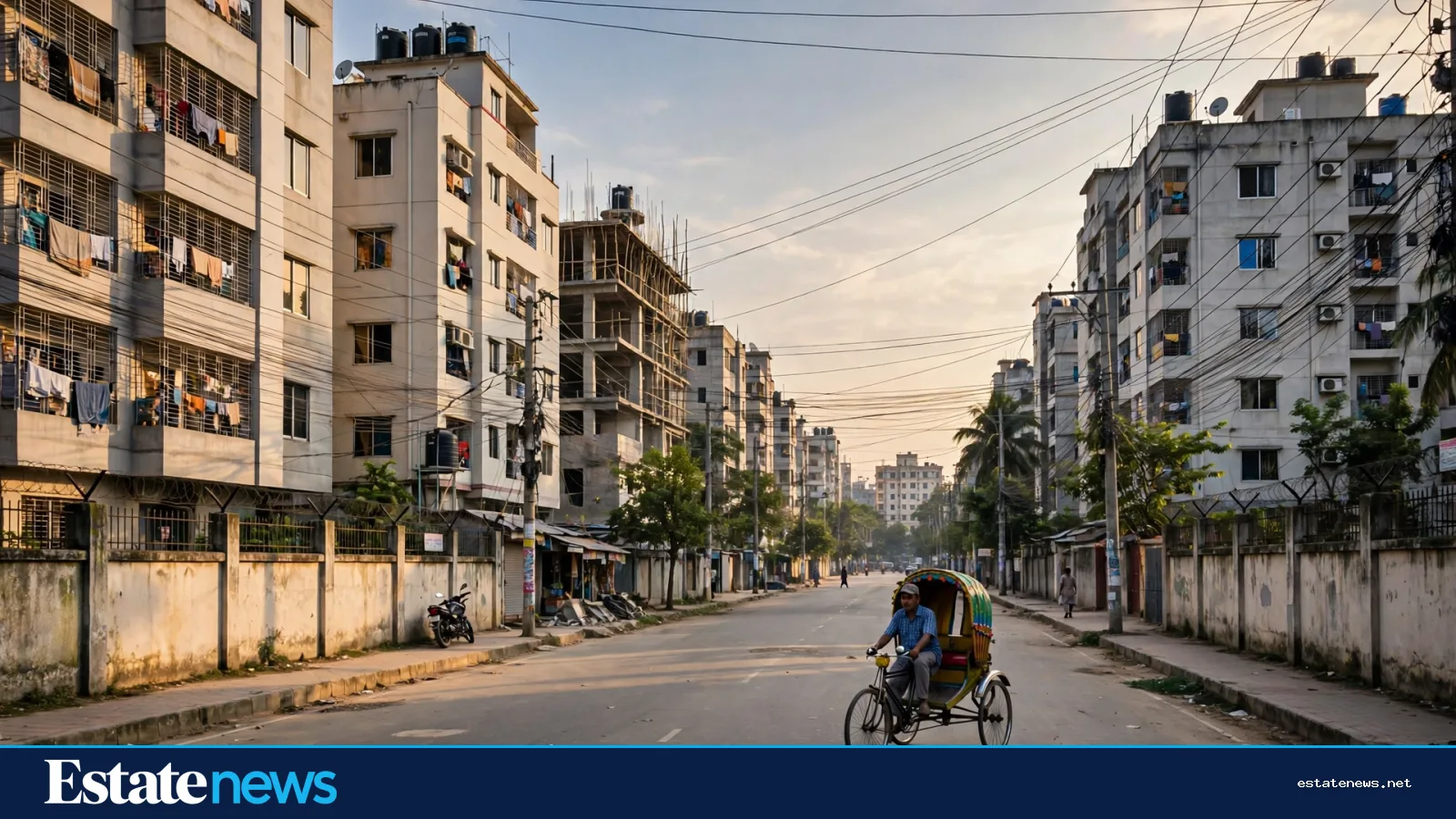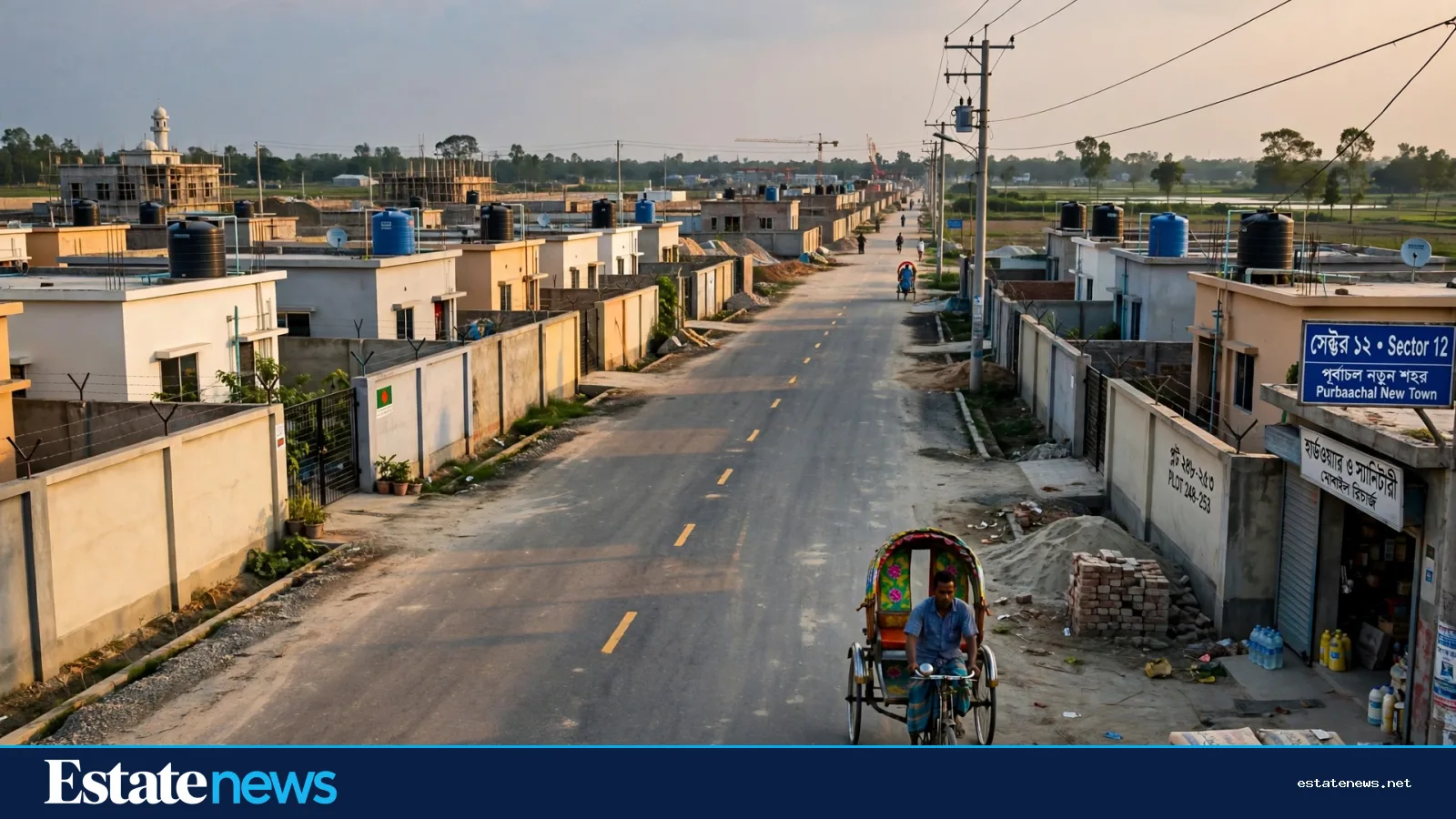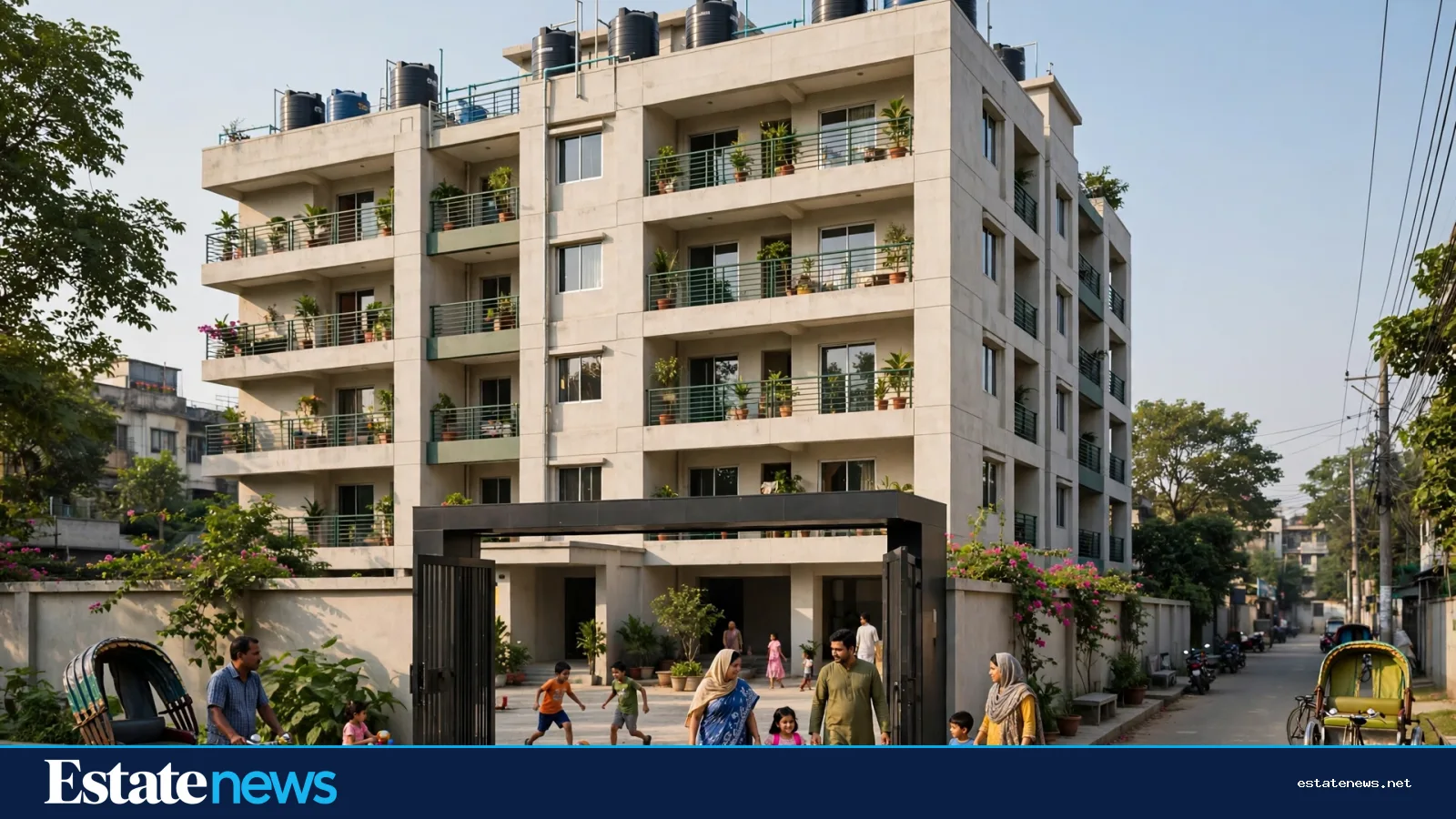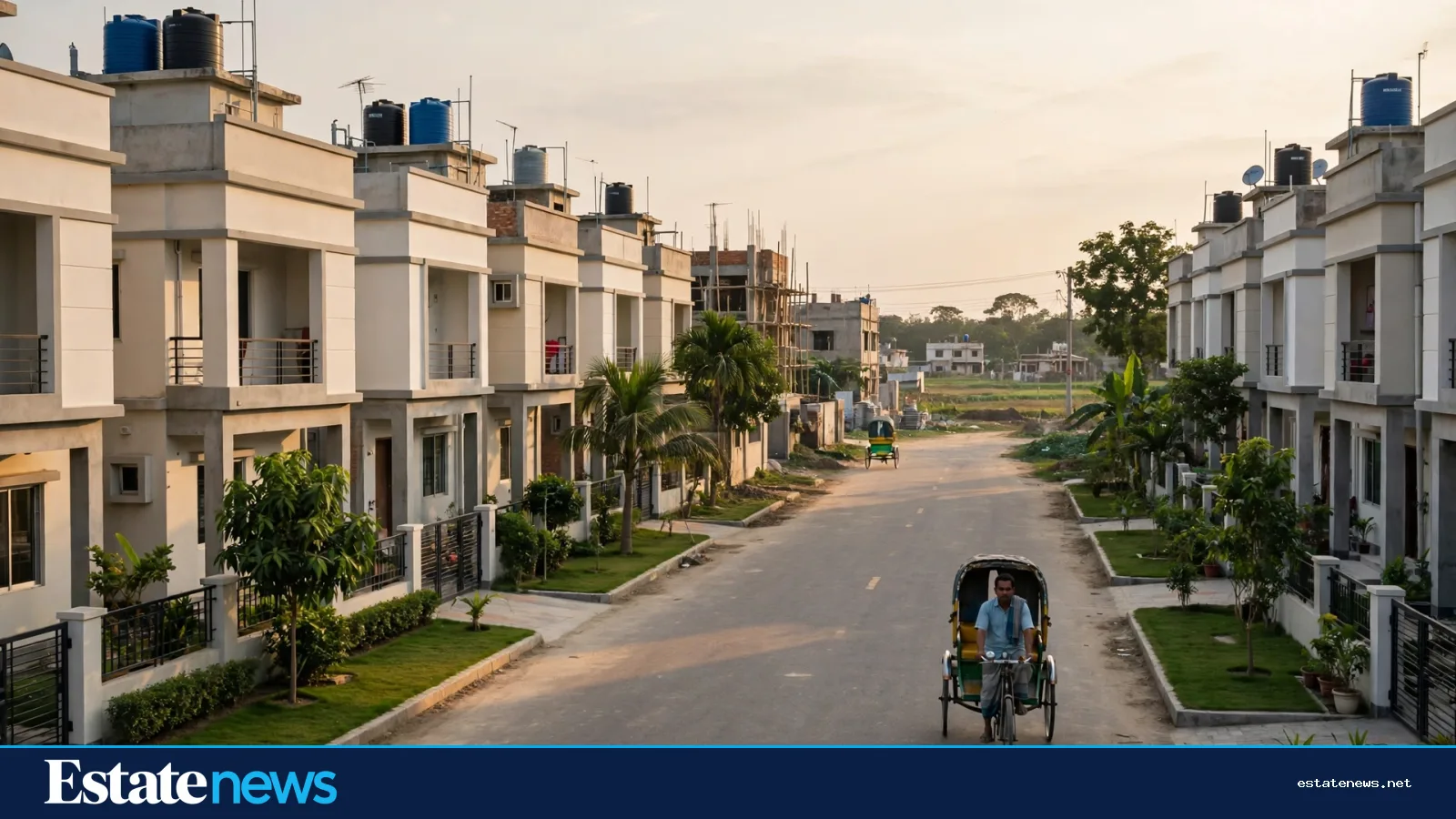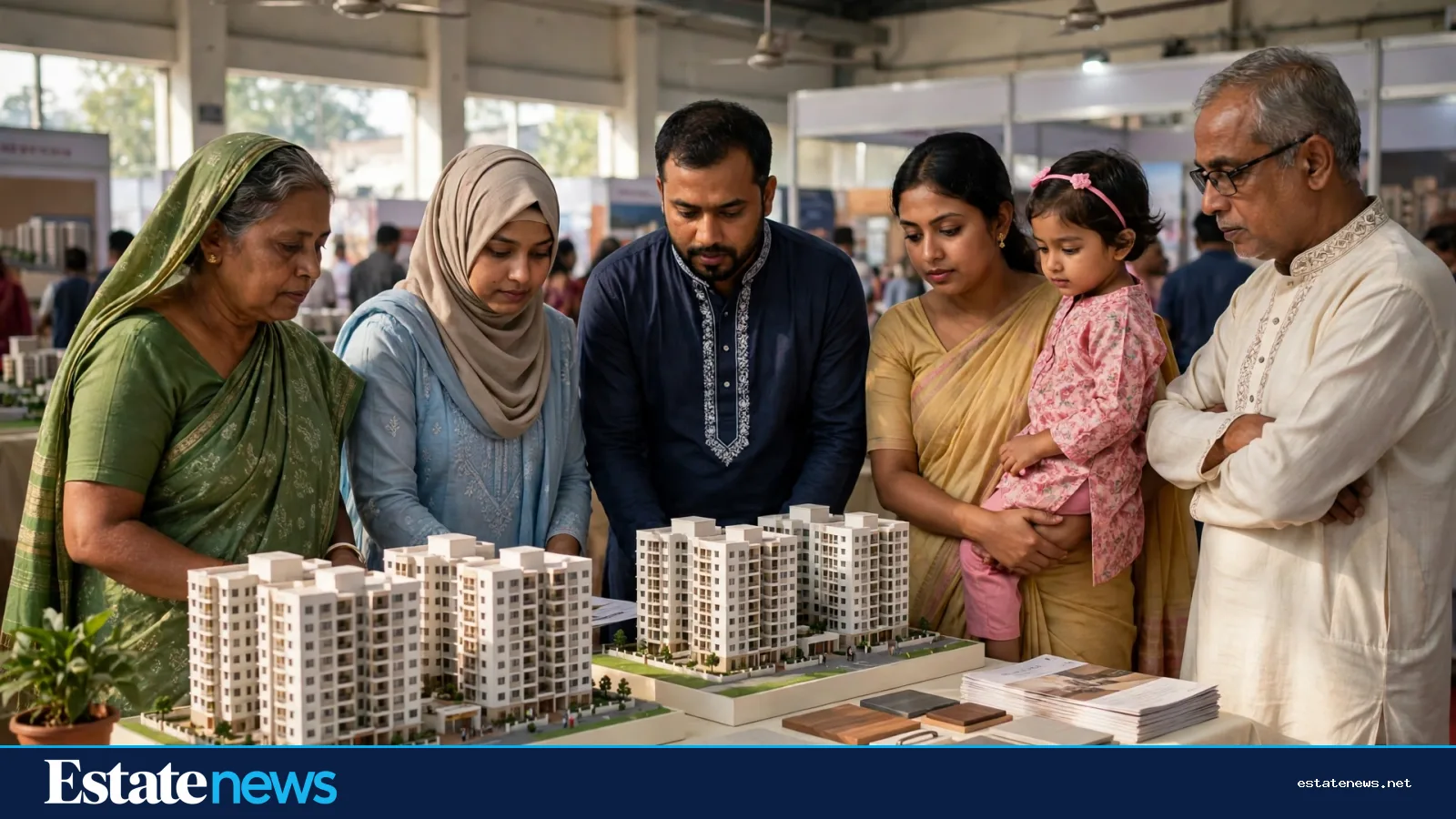
The number at the centre of the housing debate is Tk 45 lakh. That is the price the Real Estate and Housing Association of Bangladesh, REHAB, has put on the small flats it says it wants to build in and around Dhaka, to open homeownership to the families long priced out of the market. The promise comes from the association's current leadership, elected by direct member votes on 18 April, with Ali Afzal as president and Abdur Razzaque as senior vice president, leading a committee of seven office-bearers and 22 directors for a two-year term.
Afzal won the presidency with 232 votes, ahead of outgoing president Md Wahiduzzaman's 193. Razzaque won the senior vice presidency with 216 votes, narrowly ahead of Liakat Ali Bhuiyan's 214. The outgoing president and senior vice president handed charge to the new committee at the association's first board meeting at its Dhaka office. The handover was reported in the months after the election, and the affordable-housing promise has been the leadership's headline commitment ever since.
The promise, and where the flats would go

The leadership has said it plans to construct small-sized apartments in and around Dhaka priced at around Tk 4.5 million, according to the Daily Asian Age. The fuller version of the plan, reported by New Age, puts the price range at Tk 40 lakh to Tk 60 lakh, on the outskirts of the capital, in places like Savar, Gazipur and Keraniganj, where land is cheaper. Senior vice president Razzaque has been candid about the limit: it is not feasible to provide low-cost flats inside Dhaka under current conditions, because the land costs too much and the maths does not work.
That honesty is the useful part of the promise. A flat at Tk 40 to 60 lakh is within reach of a far wider group of buyers than the flats now selling inside Dhaka, where even a modest apartment runs well past a crore. Outside the city, where new roads are opening up and land is cheaper, the association says it can be done. The test is whether the projects appear, with names, locations and prices a buyer can actually visit.
What it would take


The leadership has named the levers it wants to pull. To bring down construction costs, it plans to push high-rise development, modern construction technologies and stronger policy support from the government. Its future development plans prioritise sustainable, planned urbanisation that does not encroach on cultivable land. The association has warned that unplanned horizontal expansion is eating into the country's agricultural base and threatening food security, and says housing growth must not come at the expense of the land that feeds people.
It has also committed to resolving the bottlenecks every developer and buyer knows by heart: high property registration costs, limited access to bank financing and cumbersome project approval processes. The leadership has said it will work with government bodies, including the National Board of Revenue, to make the environment more business-friendly. A delegation led by Afzal has already taken the case to RAJUK, pressing for amendments to the Detailed Area Plan, along with more high-rise and planned construction, separate zones for agriculture, housing, industry and afforestation, and credit facilities outside Dhaka.
The next date to watch
The next public test of the promise comes at the REHAB Fair 2026, running 24 to 28 December at the Bangladesh-China Friendship Conference Centre in Agargaon. Member companies, linkage organisations and financial institutions will exhibit, and visitors will get a raffle draw. A fair is where a promise either turns into a list of projects or stays a speech. Buyers walking the stalls in December will be looking for the small flats at the promised price, and for the names behind them.
Estate News has covered the industry's asks on finance in "Developers Ask for 7% Home Loans and Registration Costs Cut in Half", and the costs a buyer actually pays in "Flat Registration Cost in Bangladesh: A Buyer's Guide for 2026". The biggest private neighbourhood in the city, and the model that built it, is the subject of today's lead feature, "Bashundhara Housing: The Land That Became Dhaka's Biggest Neighbourhood". The Tk 45 lakh promise is a direction of travel. The projects, when they are announced, will show whether it is also a destination.