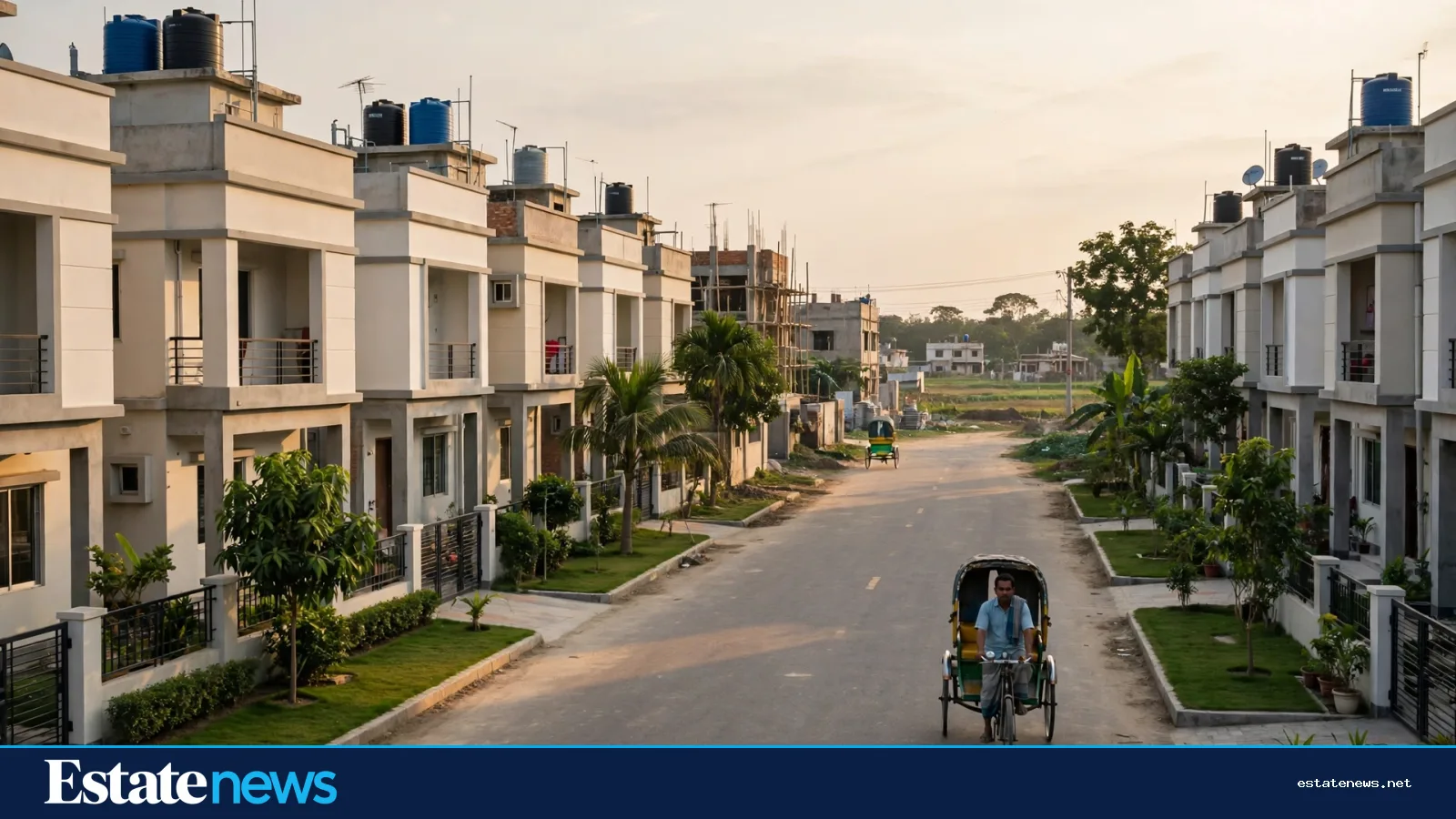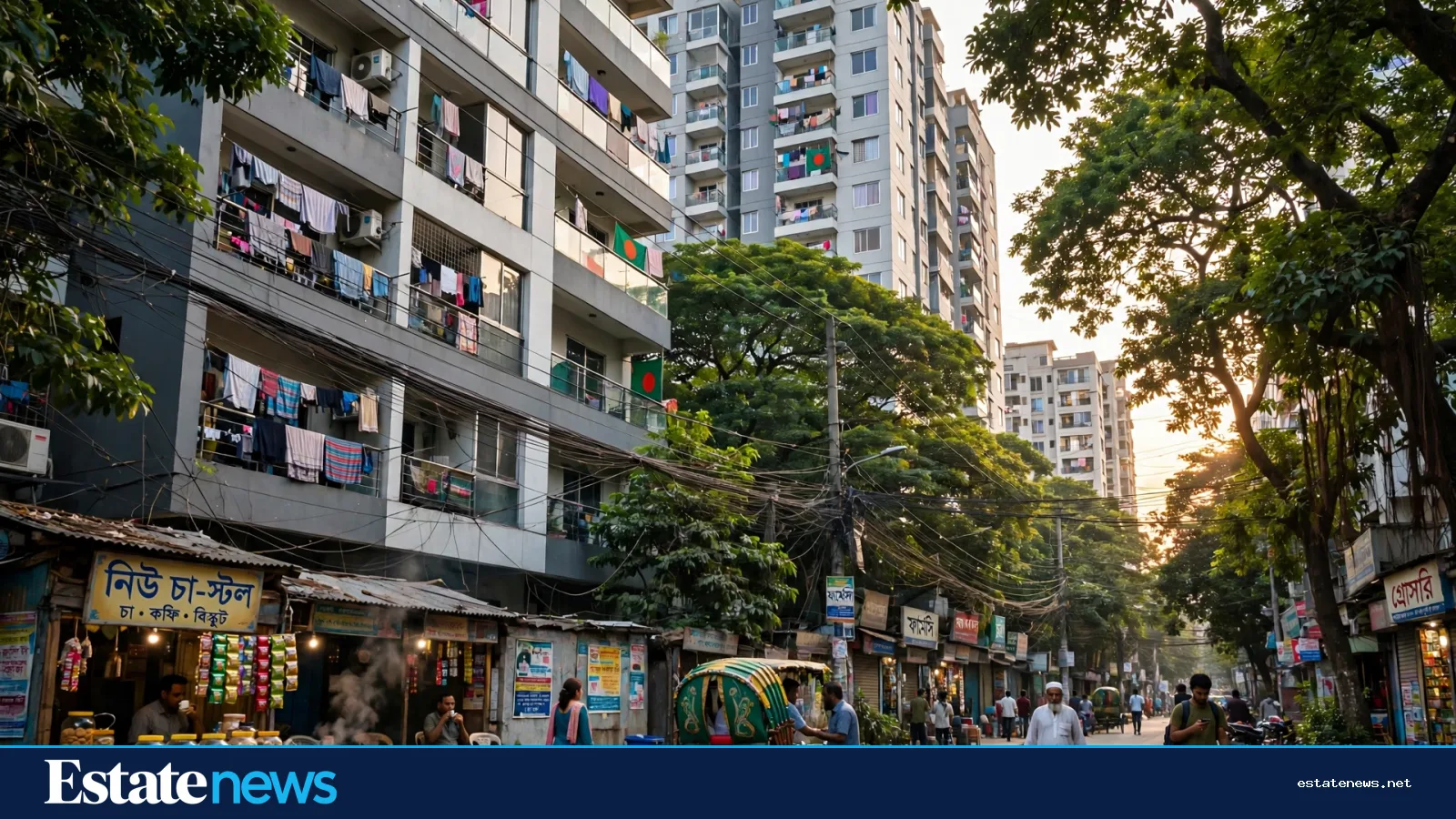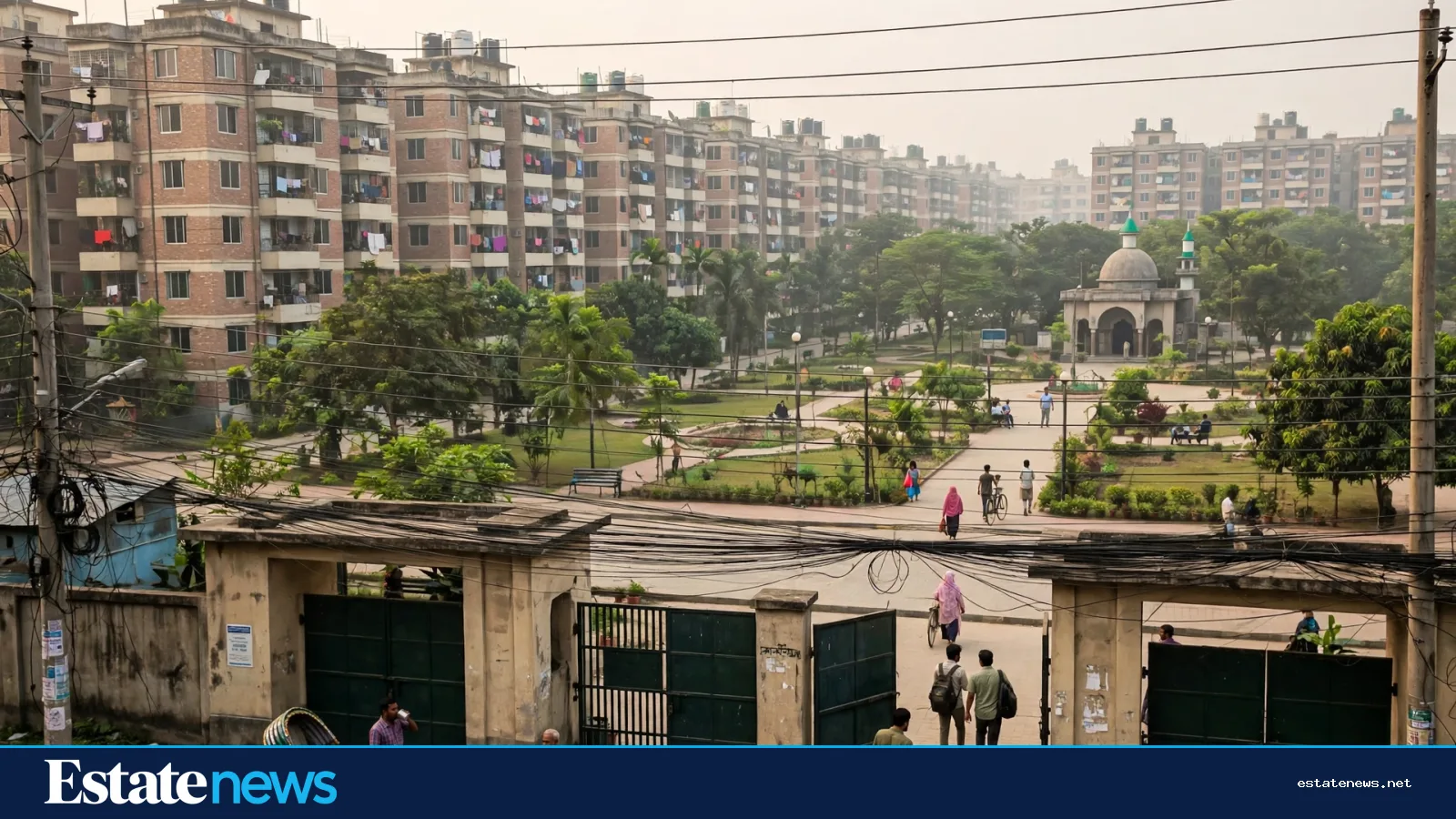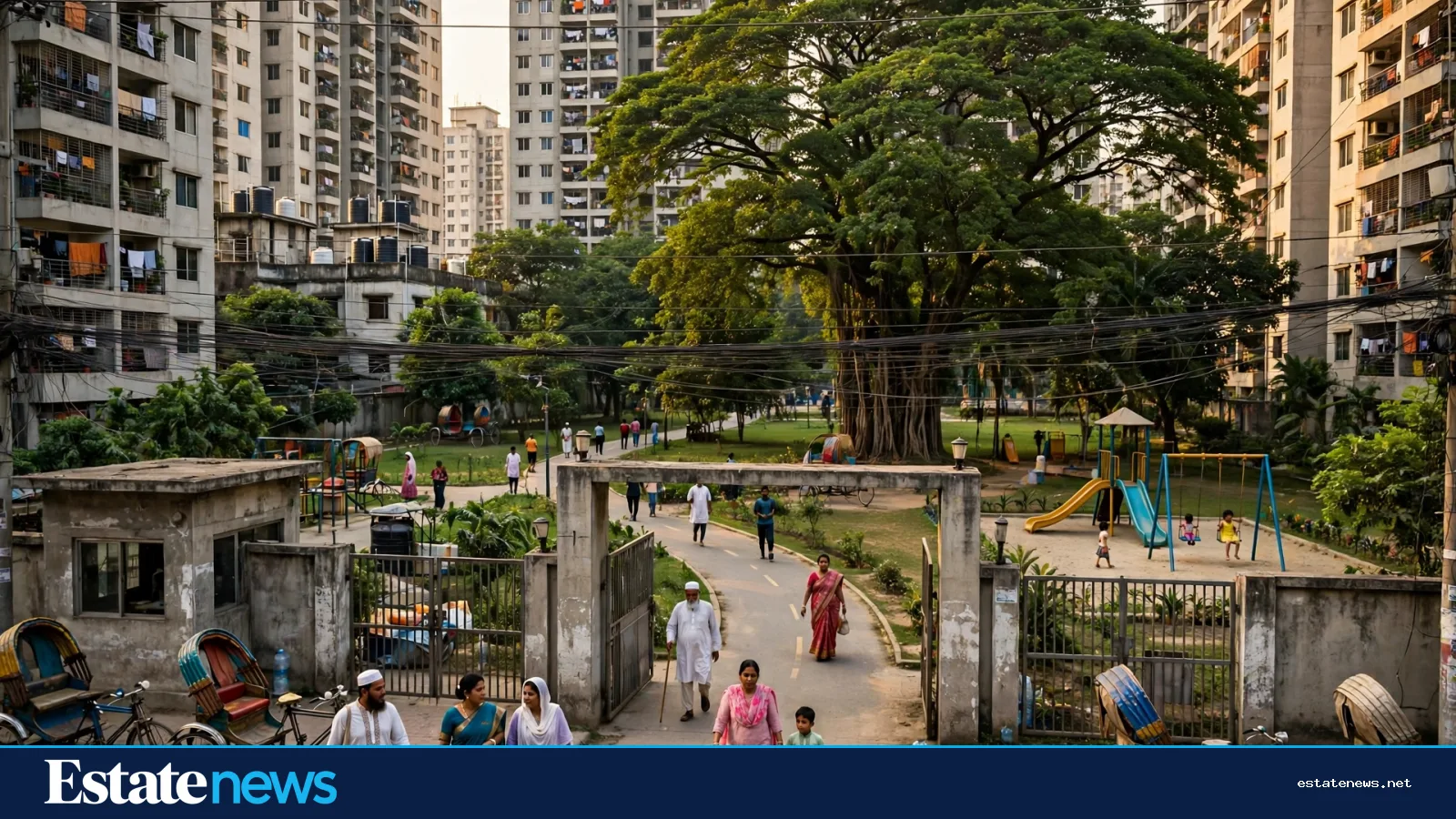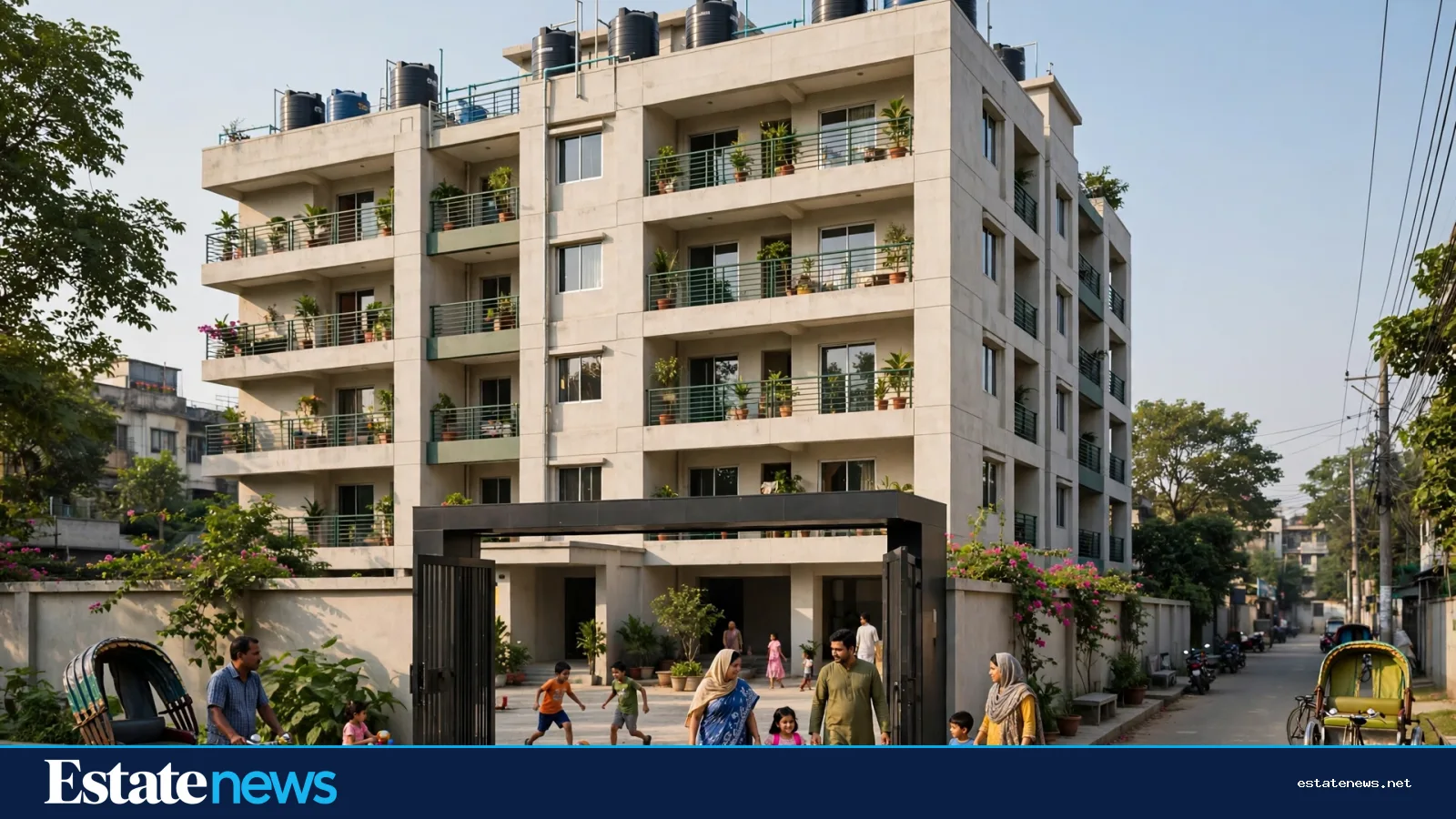
Ten years is not a long time in Dhaka's property market. The developers who dominate it have been building since the 1970s and 1980s, and their names are on the city's oldest towers. GLG Assets arrived in 2016, into a market already crowded with bigger and older firms, and it has spent the decade since trying to prove that a new builder can be trusted with a family's largest purchase. Its own figures tell the story it wants told: 22 projects handed over, about 220 families housed, and about 17 projects under way.
The company describes itself as a REHAB member and RAJUK-enlisted, and its slogan is "The art of living". Its office sits at House 12, Road 16/A, Gulshan-1, and its helpline is 16772. Those are the company's own details, and they are the first things a buyer can check. A developer that gives its address and its number plainly is a developer that expects to be found.
Four neighbourhoods, one model

GLG Assets builds across four neighbourhoods rather than betting on one. Its projects are scattered through Uttara, Bashundhara Residential Area, Mirpur and Mohammadpur, with upcoming work in Shyamoli, Kakrail and Indira Road. The handed-over list on its own site names GLG Lake Bridge, GLG Kalapa Terrace, GLG Sun Shine, GLG Kalpana Terrace, GLG Disha's Reverie, GLG Mahananda, GLG Hemchaya, GLG Crescent, GLG Salaha Ridge and GLG Udayan, along with GLG Pavilion in Mirpur, GLG Chrysanthemum in Bashundhara and GLG Quari Empyrean in Banani. GLG Rais Royal Regency, the company's 53rd project, is coming up in Banani.
The model behind the list is the joint venture with landowners that most mid-sized Dhaka developers use: the landowner gives the land, the developer builds, and the flats are shared between them. What sets a builder apart inside that model is not the idea but the execution, and GLG Assets pitches itself on affordable-premium flats, homes priced for buyers who want more than a basic flat and less than a luxury tower. Its team is described as having more than 20 years of experience in the sector, a figure that belongs to the company.


What the handover record does and does not prove
Twenty-two handovers in ten years is a real record, and it is the strongest card a young developer holds. A buyer can walk into a handed-over building, look at the lift, the water supply, the stairwells and the common areas, and see how the company's work ages. That is worth more than any brochure. The record also has limits. A handover count does not say how many of those projects were delivered on the date promised, and a buyer should ask that question directly, and ask for the answer in writing.
The checks that apply to any Dhaka developer apply here too. Ask for the RAJUK approval for the project, the deed and the chain of title for the land, and the mutation record. Ask who maintains the building after handover and what the service charge covers. Ask to see a finished flat in a building the company handed over two or three years ago, not only the newest one. A new builder earns trust one handover at a time, and the families already living in its buildings are the best evidence it has.
Rangs Properties built its name the slow way, as Estate News told in "Rangs Properties: The Quiet Premium Builder of Dhaka", and Tropical Homes built its name on lakefront flats, as told in "Tropical Homes: The Builder Behind Dhaka's Lakefront Flats". GLG Assets is trying to do the same thing a decade faster, across four neighbourhoods at once. The price guide for the areas it builds in is "Flat Price in Dhaka: What a Flat Costs Area by Area in 2026". Whether the young builder becomes a trusted name will be decided the way it always is in this market: by the buildings it has already handed over, and by the families living in them.