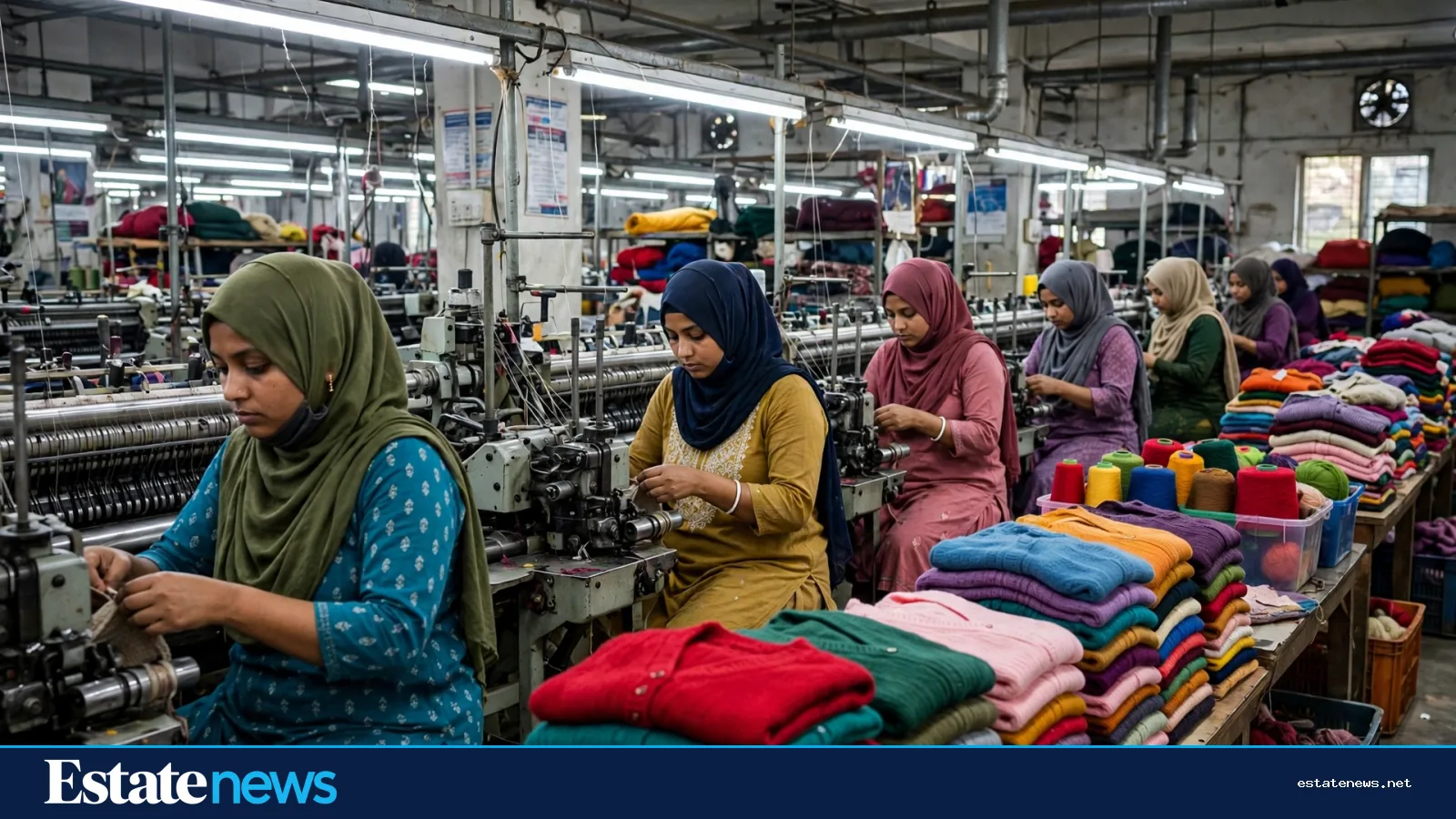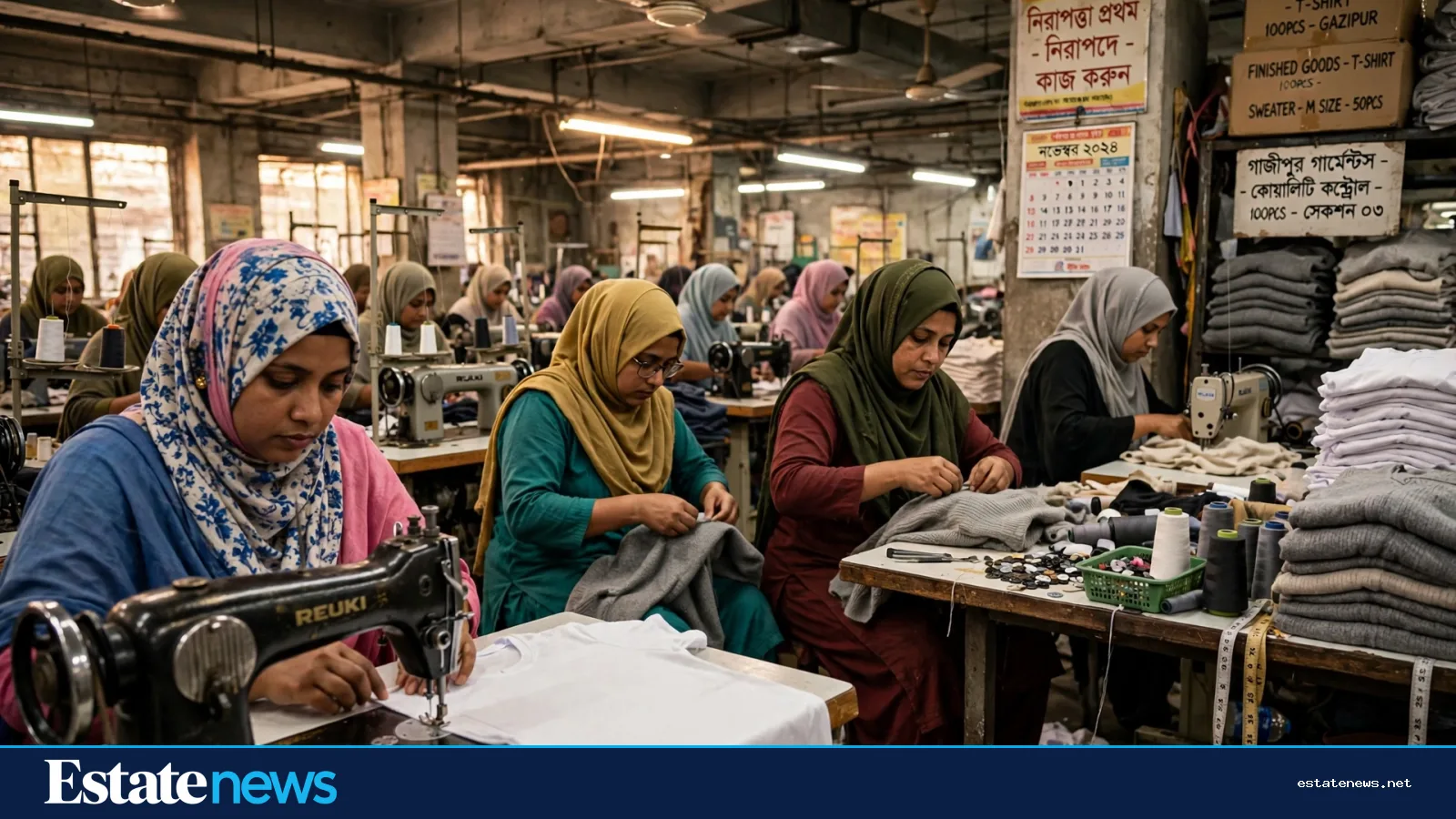
The most quoted sentence in Bangladesh's garment industry this week came from BGMEA President Mahmud Hasan Khan, speaking at a Power and Participation Research Centre discussion on 22 November. "People say wages in Vietnam are higher than ours. We have no problem paying wages equal to Vietnam's. But you have to provide us with the same facilities and infrastructure," he said. Then he listed what is missing: lead time, backward linkage, energy support, and a deep-sea port.
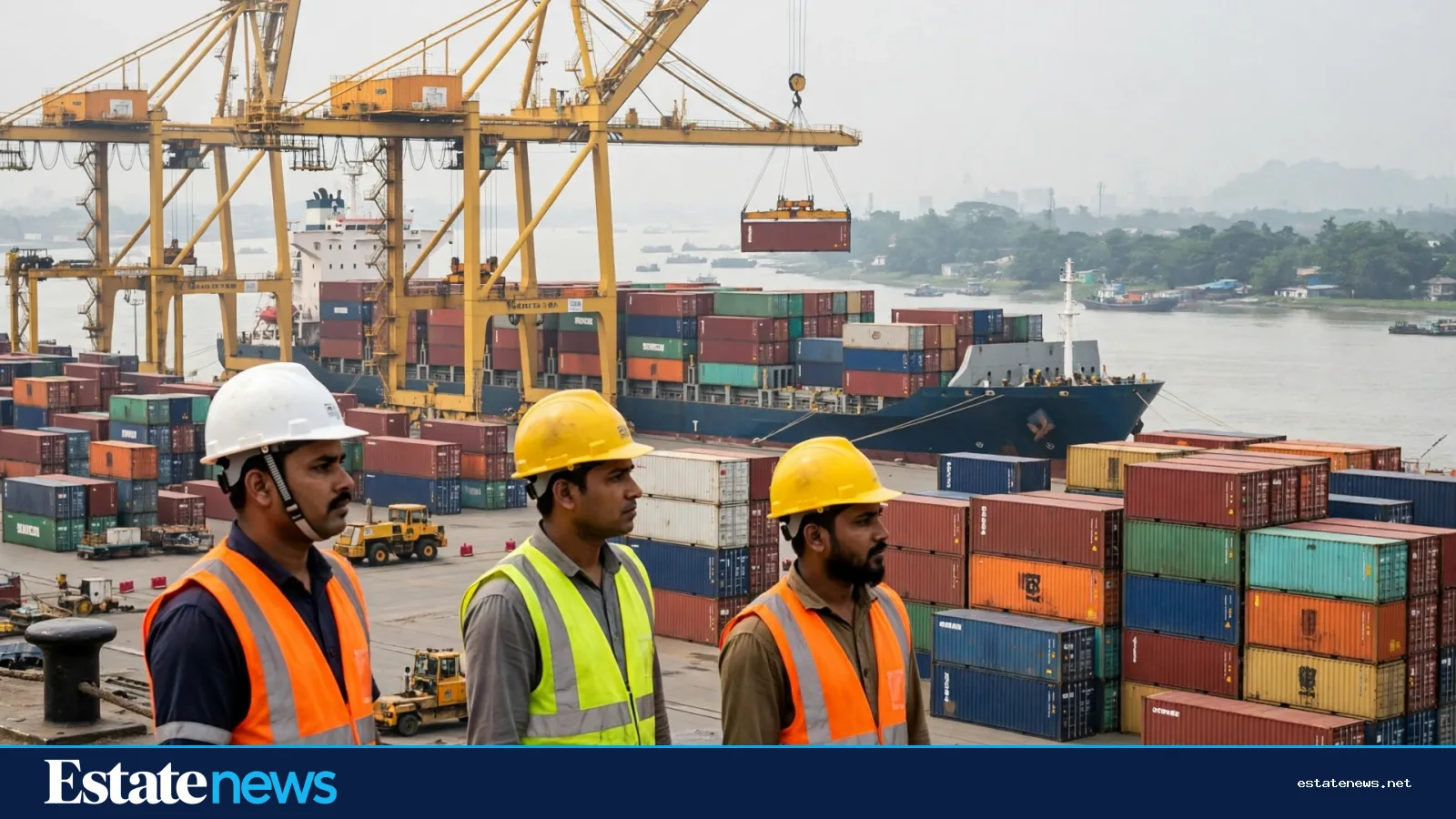
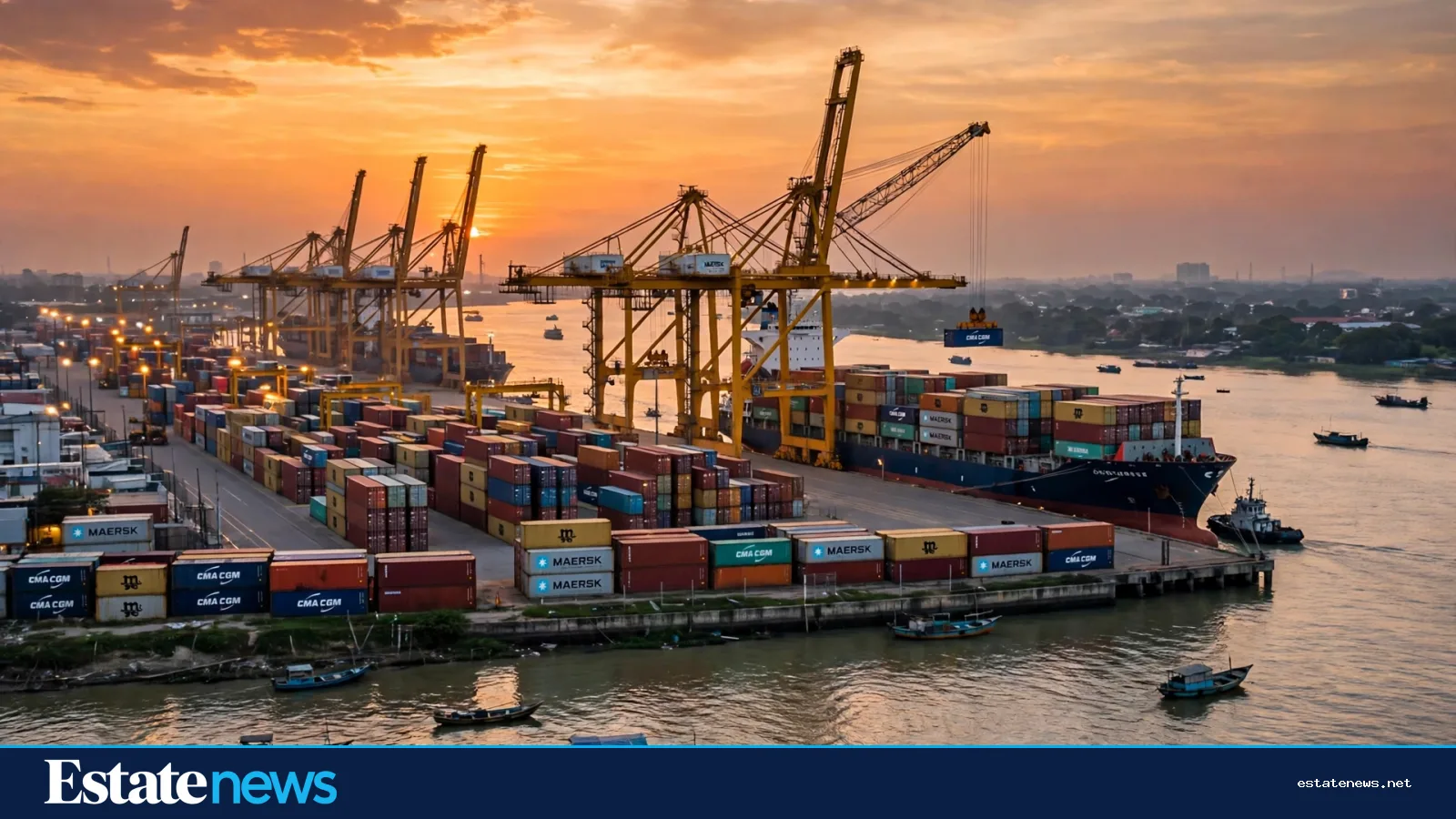
Bangladesh is the world's second-largest garment exporter, and it still has no deep-sea port. Every large container ship that carries the country's exports must first call at a transhipment port, Singapore or Colombo or one in Malaysia, before its cargo moves on to Europe or America. The extra stop costs days and money. Vietnam, the competitor Bangladesh measures itself against, does not have this problem. Its ports take large ships directly.
What a deep-sea port changes

A deep-sea port is a port with water deep enough, and a channel wide enough, for the big mother vessels that carry thousands of containers at once. Chattogram, the country's main port, handles more than 90 percent of the nation's trade and about 98 percent of its container trade, but its draft is shallow. Big ships cannot enter. Cargo moves on smaller feeder vessels to the transhipment hubs, and each transfer adds cost and time to every order. For a garment industry that lives on lead time, the speed at which a buyer in Europe receives an order, those days matter. A late shipment can mean a discounted price or a cancelled order.
The BGMEA president's argument is that the wage debate cannot be separated from this infrastructure gap. Bangladesh's garment workers earn a minimum of Tk 12,500 a month, and the wage board is meeting today, 23 November, to decide the next figure. The workers' representatives have proposed Tk 32,000. The Centre for Policy Dialogue has put forward an evidence-based range of Tk 18,578 to Tk 24,204. The BGMEA president claimed at the same discussion that although the minimum is Tk 12,500, workers' average actual monthly earnings stand at Tk 19,600. That figure is the BGMEA's claim, not a verified fact, and it should be read as the industry's case rather than as a settled number.
Matarbari: the port being built
The answer to the missing port is under construction at Matarbari, in Moheshkhali upazila of Cox's Bazar district. The project, financed by the Japan International Cooperation Agency, was approved by ECNEC in March 2020 at a cost of Tk 177.77 billion. A 14.3-kilometre artificial navigation channel has been inaugurated, and construction of the first terminal, with a 460-metre container jetty and a 300-metre multipurpose jetty, is under way. The channel has an 18.5-metre draft, deep enough for large vessels carrying around 8,500 containers. Once completed, the Japan-backed facility will be Bangladesh's only deep-sea port.


The project has moved slowly. The terminal was expected to start operations in 2026, according to earlier reporting, and the timeline has slipped as construction has proceeded. The prime minister visited Matarbari in August 2026 and was briefed on the project's next phases, and the Maheshkhali-Matarbari Integrated Infrastructure Development Initiative, covering the port, logistics, road and rail links and industrial zones, is now part of the government's agenda with Japan. Bangladesh is expected to seek around 3.14 billion dollars for the initiative. The port alone is not enough: it needs roads, rail, warehouses and an industrial zone around it before it can do the work the BGMEA president describes.
The Bay Terminal, and the other half of the answer
Matarbari is not the only project. At Chattogram itself, the Bay Terminal is moving ahead, with three terminals to be developed by the Chattogram Port Authority, PSA Singapore and DP World. By 2036, the Bay Terminal is projected to handle 5.36 million TEUs, against Chattogram port's current capacity of 2.86 million TEUs, which is already overstretched handling 3.3 million TEUs a year. The World Bank-financed Bay Terminal breakwater project is under way, and a subsidiary loan agreement was being signed around the middle of November. The New Mooring Container Terminal is also due to pass to a global operator, with the handover targeted for March 2027.
Estate News has followed the port story closely. "Chattogram Port: The PPP Monitor, the Terminal Bids and the DP World Handover" covered the DP World handover and the terminal bids, and "Four Bids, One Monday Deadline: Who Runs the Chattogram Container Terminal Next" covered the four bids for the six-month container terminal contract, with the operator decision due today. The port pieces are among the site's most-read work, and the reason is simple: the port is where the garment industry's costs are decided.
What the wait costs
The BGMEA's own survey of the November unrest put the cost of 18 days of disruption at 682 million dollars, 428 million in lost production and 254 million in orders shifted to other countries. Those figures describe a disruption, not the ordinary cost of doing business. But the ordinary cost is the one that never makes headlines: every container that travels by feeder vessel to Singapore pays a little more and takes a little longer than a competitor's container leaving a Vietnamese deep-sea port directly. Over a year, across millions of containers, the difference is large.
The wage board will decide a number today or in the days ahead. The port will take years. That is the mismatch at the heart of the BGMEA president's sentence. Wages can be set in a meeting. A deep-sea port has to be dredged, built, connected by road and rail, and staffed. Bangladesh has started building one, and the Bay Terminal adds a second route to the same goal. Until either one opens, the country's biggest export industry will keep paying the price of the missing port, one transhipment at a time.