Every quarter, two numbers come out of the garment trade, and they are not the same number. The first is the gross figure, the value of the shirts and sweaters that left the country. The second is the net figure, what stayed in Bangladesh after paying for the cotton, yarn, fabric and accessories that were imported to make them. In July to September this year, the gross figure was $10.58 billion, up 6.10 percent on a year earlier. The net figure was $6.77 billion, up 11.20 percent. The net number grew nearly twice as fast as the gross one, and that gap is the story of the quarter.
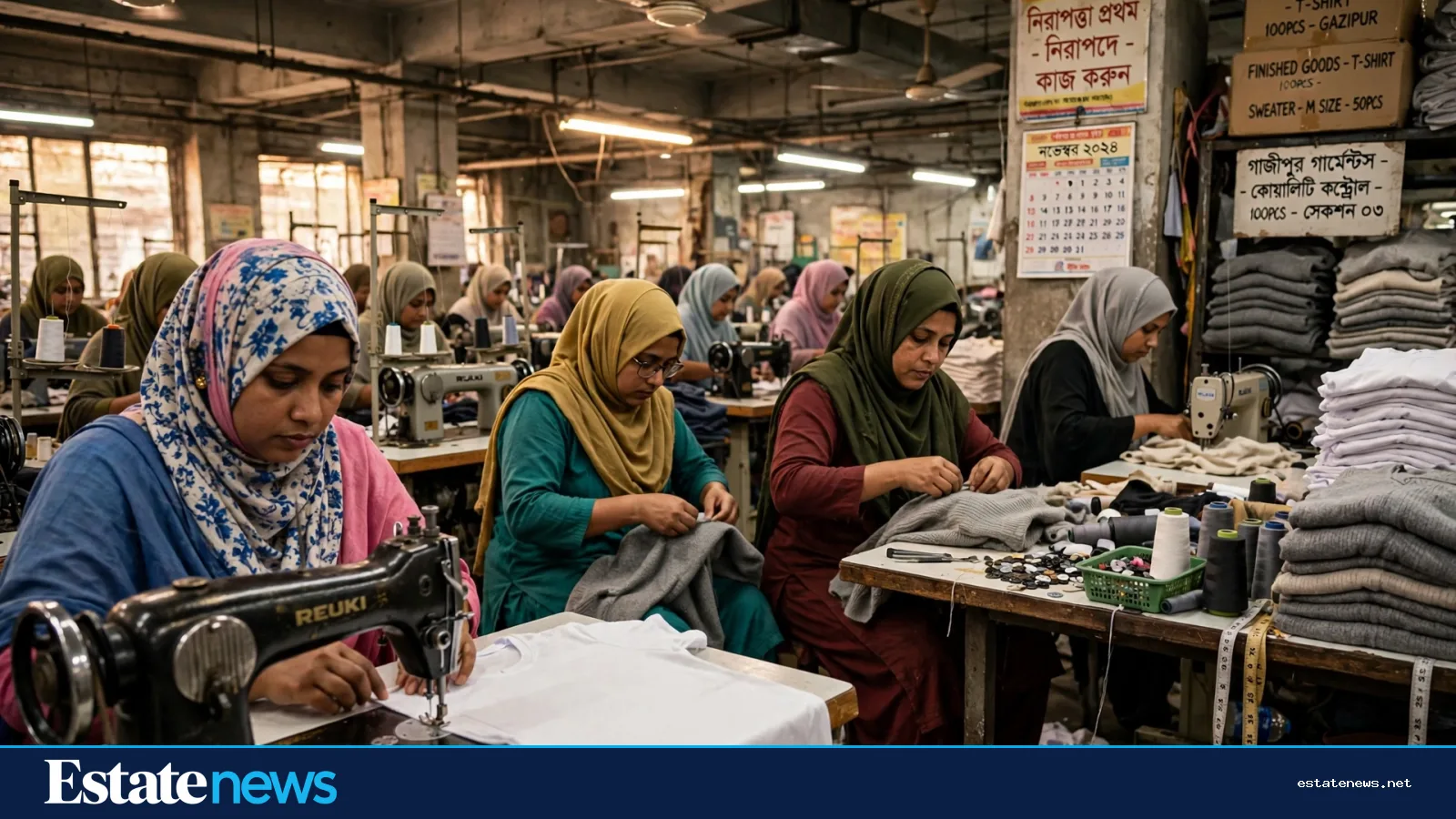
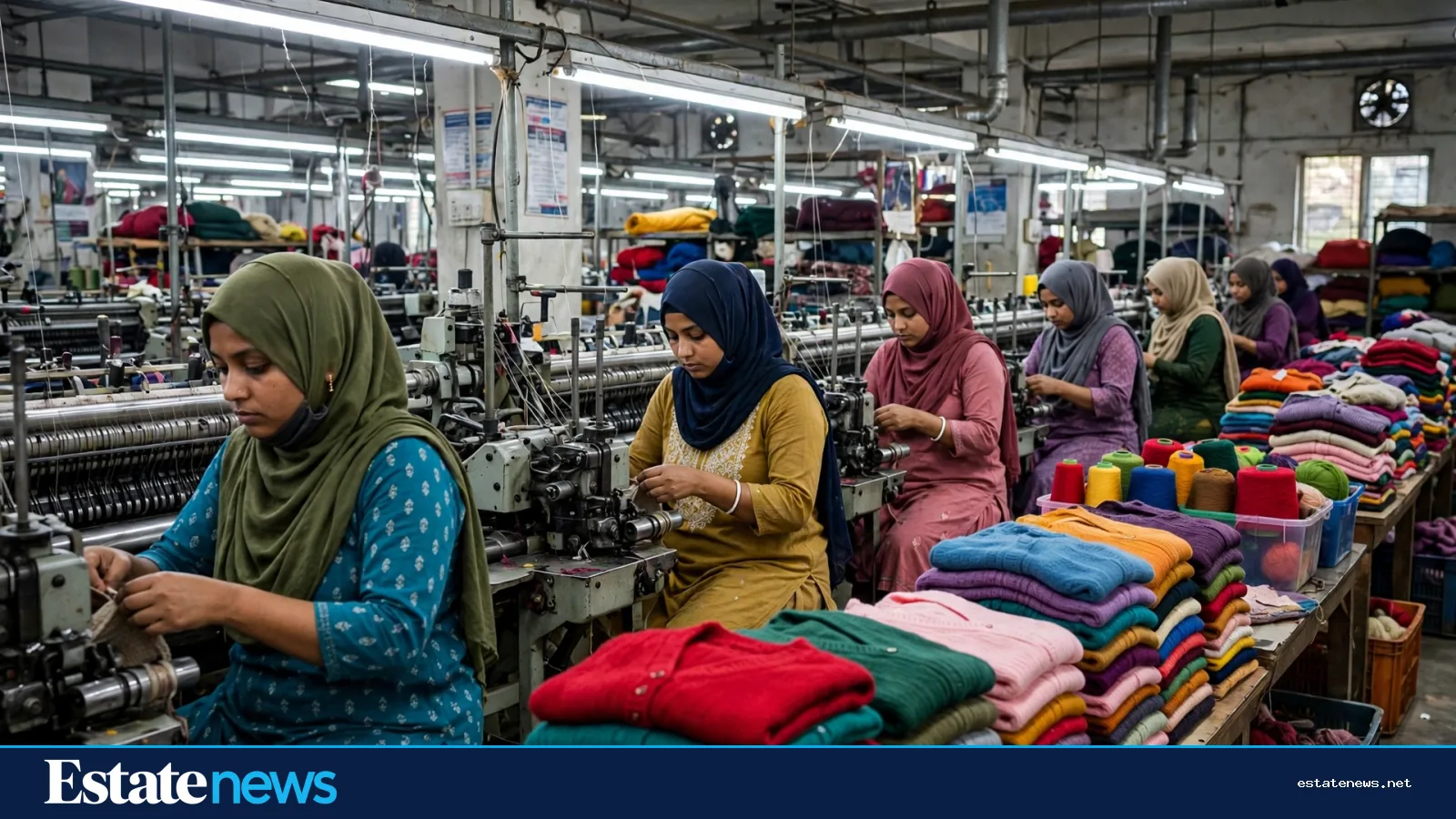
The figures come from Bangladesh Bank's Quarterly Review of Readymade Garments, reported by The Business Standard today. Net earnings of $6.77 billion compare with $6.09 billion in the same quarter last year and $6.23 billion in the April to June quarter. The reason the net figure outran the gross one is that factories used more of their own inputs and kept more of each export dollar at home. Knitwear led the way. Knitwear exports reached $5.96 billion in the quarter, up 6.88 percent, while woven garments reached $4.61 billion, up 5.11 percent. Knitwear is the segment where Bangladesh has built the deepest local supply chain, spinning and dyeing and knitting at home, and that depth is what turns a gross export into net earnings.
Where the orders went

The buyers behind the quarter were the familiar ones. The United States took $2.22 billion of garments, up 10.40 percent on the year. The European Union took $4.90 billion, up 3.33 percent. The United Kingdom took $1.29 billion, up 5.94 percent. The American figure is the one to watch, because it rose fastest and because the United States is the market where tariff questions have hung over orders all year. A double-digit rise there, in the same quarter that net earnings jumped, suggests the factories found buyers willing to pay for what Bangladesh makes best: basic knitwear, in volume, on time.


The longer view makes the quarter look less like a blip. For the full financial year 2025-26, net garment earnings reached $24.22 billion, with a value-retention rate of 62.15 percent. That rate, the share of each export dollar that stays in the country, is the number the industry watches most closely, because it measures how much of the trade is really Bangladeshi. A retention rate above 60 percent means the factories are not just sewing imported cloth. They are making the cloth, dyeing it, cutting it and shipping it, and the wages and the factory margins stay here.
November will test the second quarter
The quarter ended on 30 September, and October has already passed. The question for the current quarter, October to December, is what the November stoppages did to it. The wage dispute has kept factories shut or running short through much of the month, and the BGMEA's own survey counts $682 million in lost production and shifted orders between 1 and 18 November alone. Those losses will show up in the next Quarterly Review, and they will show up first in the gross figure, because an order that never ships is a gross export that never happens. The net figure will follow, since a factory that does not sew does not buy yarn either.
That is why the wage board meeting today, covered in "The Garment Wage Board Meets Today With Three Numbers on the Table", matters to the trade numbers as well as to the workers. A settled wage lets the factories plan the rest of the quarter. The port story matters too: the container terminal decision due today will shape how fast finished garments leave Chattogram, and Estate News followed that thread in "Four Bids, One Monday Deadline: Who Runs the Chattogram Container Terminal Next". For now, the July to September figures stand as a record of what the industry can do when its factories run: $6.77 billion kept at home, on $10.58 billion shipped, with knitwear doing the work that makes the difference.