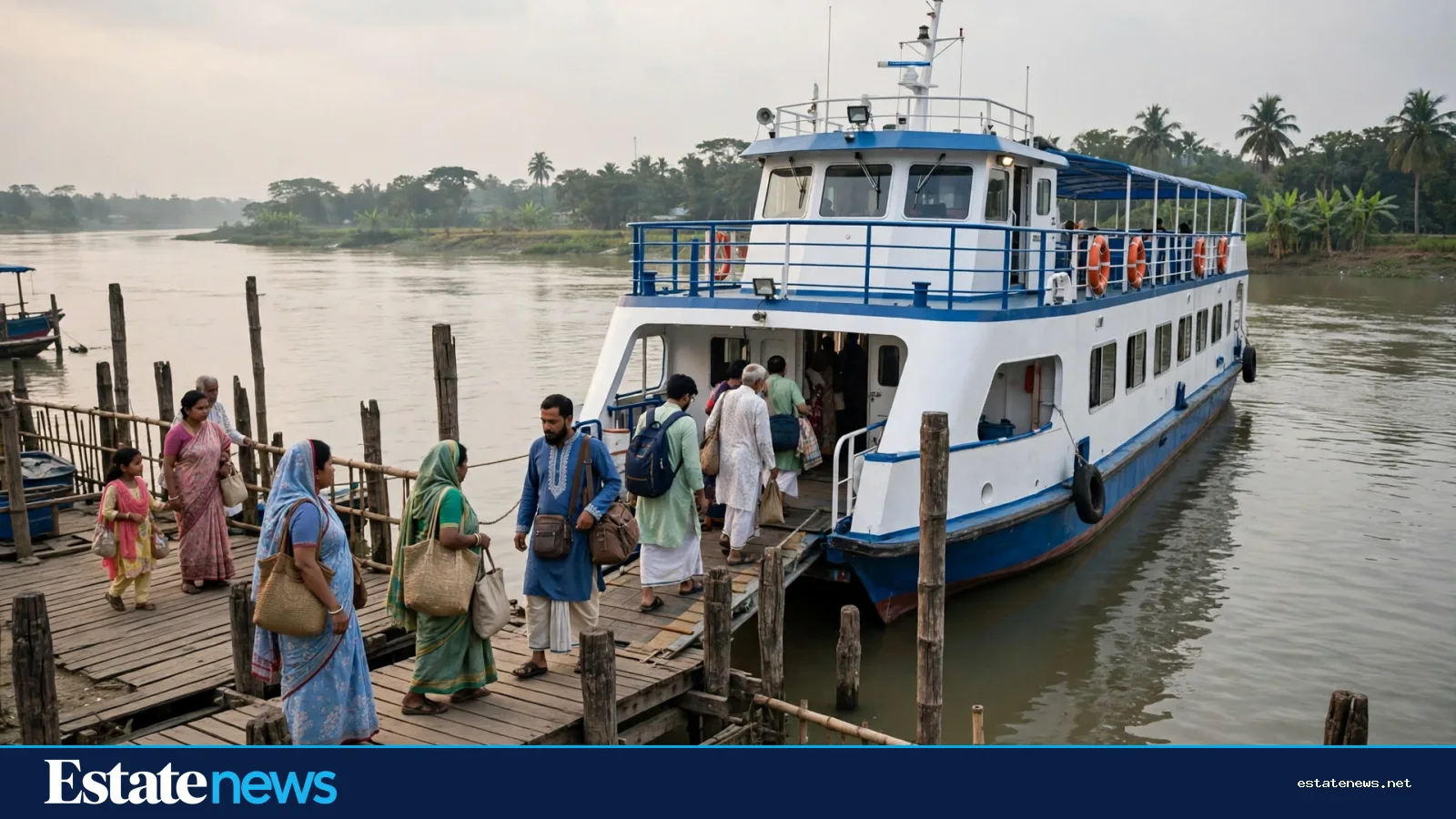
The two largest inland passenger ships built in Bangladesh now belong to the state river fleet. New Western Marine Shipbuilders handed over Rupsa and Sugandha to the Bangladesh Inland Water Transport Corporation in February, the Financial Express reported, adding 1,528 seats to a fleet that carries millions of people along the country's rivers every year.
Each vessel carries 764 passengers and a crew of 44, and the builder describes them as the largest inland passenger ships currently operating in the country. The two ships were built at the company's yard in Chattogram at a combined cost of Tk 677 million, according to the builder's statement. They will run on the Dhaka-Khulna-Barisal inland river route, one of the busiest waterways in the country, at a maximum speed of 12 knots.
Cabins, chairs and deck space

The ships are built for the way Bangladeshis actually travel by river. Each one has 46 cabins for 92 passengers: four VIP cabins, 27 first-class cabins and 15 second-class cabins. Second-class chair seating takes 90 more passengers, and the open deck holds 582. That split matters on a long river journey. A family travelling overnight can book a cabin, a trader going down to Barisal for the day can take a chair, and the deck carries the passengers who travel cheapest, as it always has.
BIWTC runs the launches that connect Dhaka with the south, and its fleet sets the standard for the route. New ships do not only add seats. They change the wait at Sadarghat, the crush on the gangway before Eid, and the choice a family makes between a bus and a boat. A launch that leaves on time, with cabins that lock and decks that are not packed past comfort, is the difference between a journey people plan around and one they endure.
What it means for the shipyards


The handover also says something about the yards at Chattogram. Western Marine has built ships for buyers abroad as well as at home, and these two vessels show a Bangladeshi yard delivering large passenger ships to a Bangladeshi buyer, to run on Bangladeshi rivers. That is a small circle, and it is the point. A country that builds its own river fleet keeps the work, the wages and the repair business at home, and it learns with each hull.
River towns feel that work first. A shipyard order means steel, paint, wiring and fitting work for local suppliers, and a launch in service means tea stalls, porters and rickshaw pullers at the ghats it calls at. The Dhaka-Khulna-Barisal route runs through some of the busiest river towns in the country, and a bigger, newer vessel on that run is good news for the shops and stalls that live off the passengers.
The test is the timetable
New ships earn their keep on the timetable, not at the handover ceremony. The test for Rupsa and Sugandha is whether they run on schedule through the monsoon and the winter fog, and whether the cabins and decks hold up to daily use. BIWTC's job now is to keep them running, and the travelling public will judge them by the simplest measure there is: a seat, a berth, and a boat that leaves when it says it will.
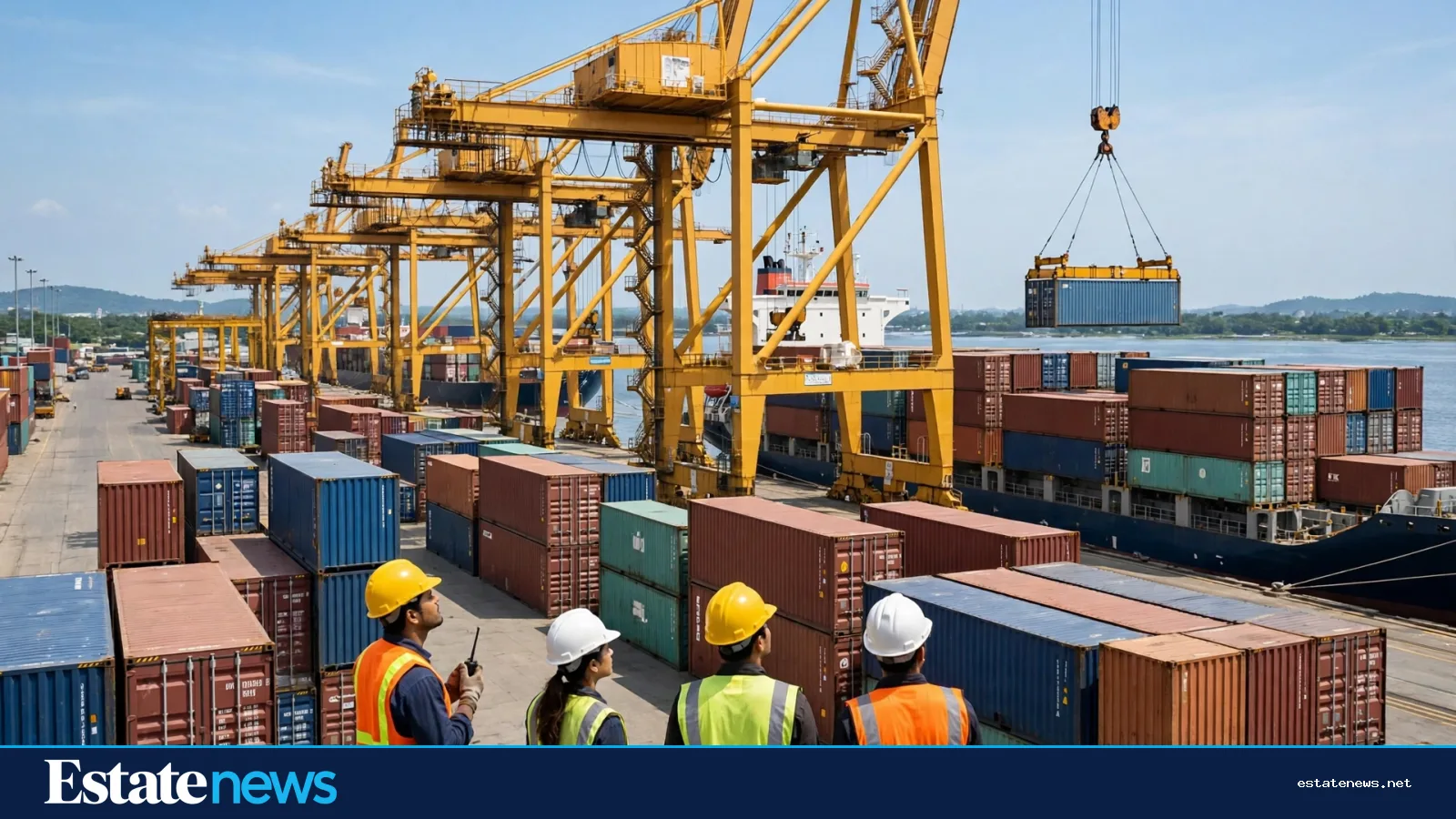
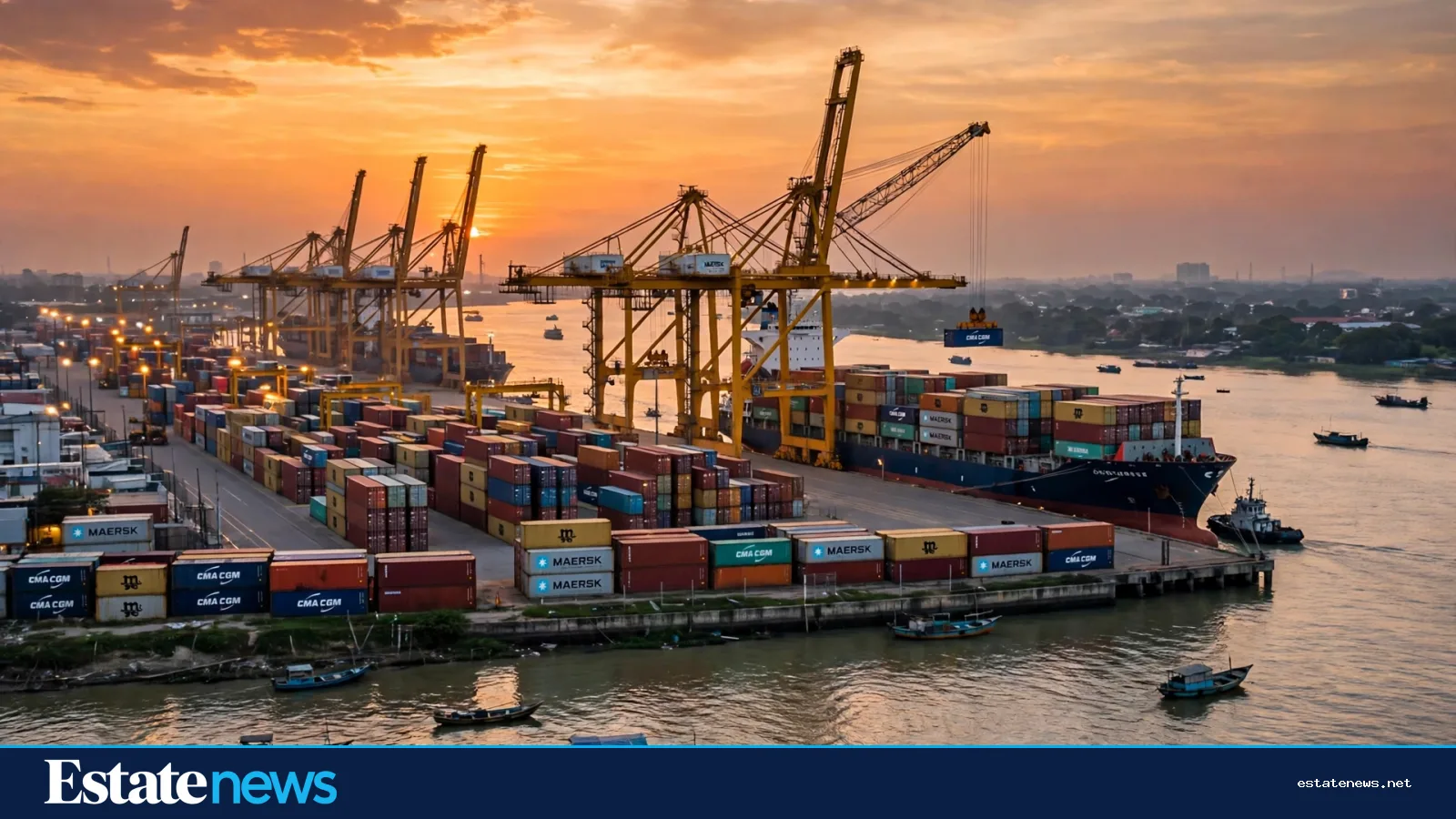
Bangladesh's ports are changing fast, and the river fleet is part of that story. Estate News reported on the container terminal handover in "Chattogram Port: DP World to Take Over New Mooring Terminal in March 2027", and on the port the country still does not have in "The Deep-Sea Port Bangladesh Still Does Not Have". The river is the older half of the same network, and the two new ships are its newest arrivals.