One taka in every three that banks have lent is now classified as bad. Bangladesh Bank data, reported by The Business Standard on 24 November, puts non-performing loans at Tk 6,27,404 crore at the end of September 2026. That is 33.80 percent of all lending, up from 32.78 percent in June. In the three months of July to September alone, the pile grew by Tk 20,849 crore.
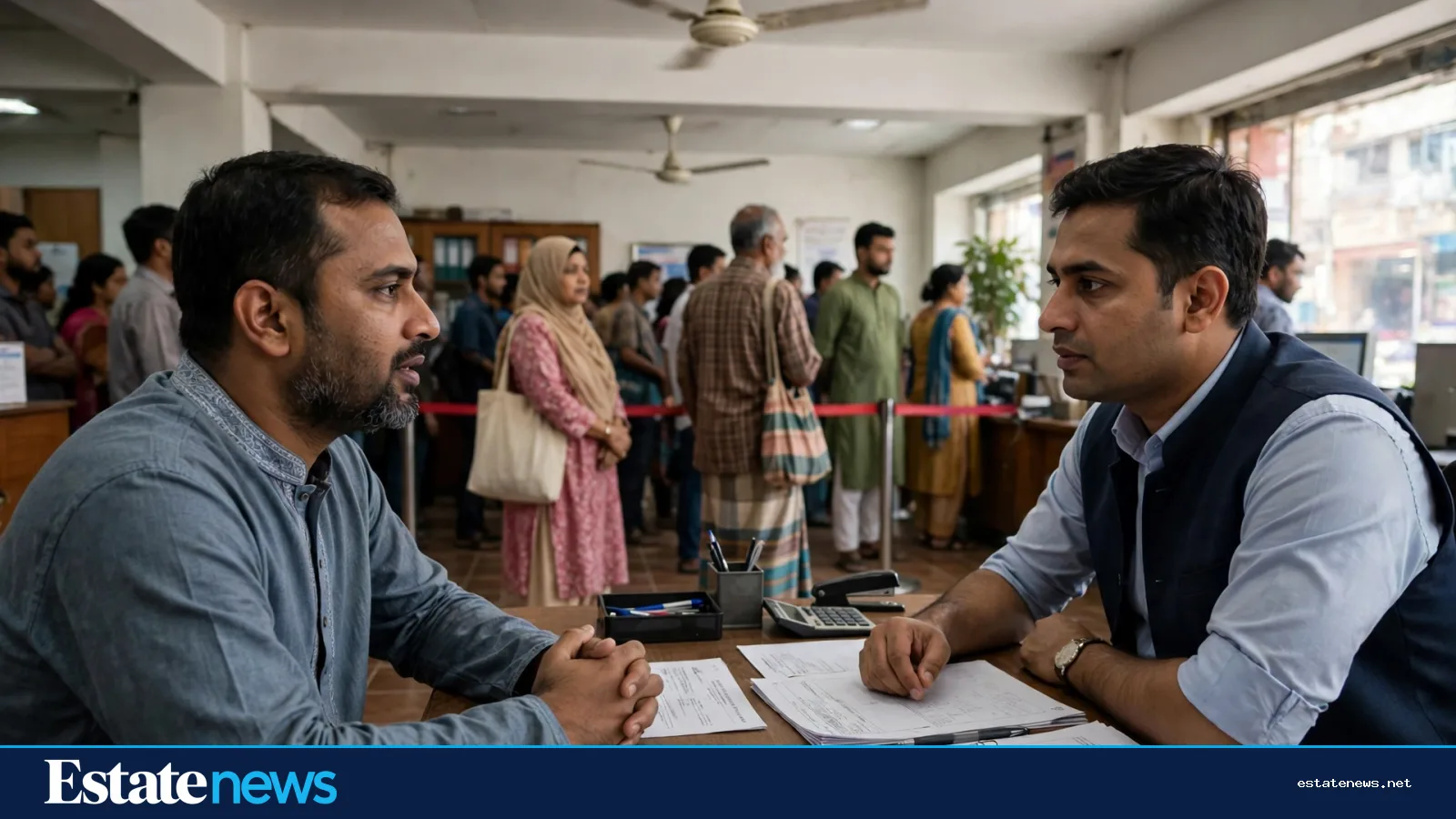
The number is large enough to sound abstract. Its effect is not. A bank carrying that much bad debt lends slowly, asks more questions and prices risk higher. Private-sector credit growth has stayed below 5 percent for seven months in a row, and a family applying for a home loan or a small trader asking for working capital is the first to feel the caution.
How the pile got this big

The September figure is the central bank's own count, and it is the one to use. A lower figure was given to Parliament on 16 November, Tk 5,97,154.93 crore, or 32.17 percent, but that was an earlier reporting. The end-September count from Bangladesh Bank is Tk 6,27,404 crore, and the ratio is 33.80 percent.
Bangladesh Bank has set itself a hard target: bring the ratio down to 20 percent by December 2026. That is a steep climb from a third of the book. The concentration makes it harder. Fifteen banks account for about 85 percent of all defaulted loans, a point made at the FinX Connect banking event on 22 November, and Estate News covered that debate in "Bangladesh Does Not Need 60 Banks: The Reform Debate at FinX Connect". The cleanup is therefore not spread evenly across the system. A handful of banks carry most of the weight, and their borrowers feel it most.
What it does to a home loan
A home loan is a long promise, and banks make long promises only when they trust their own balance sheet. With credit growth under 5 percent, loan officers are picking their cases carefully. A salaried borrower with a clean record, a steady employer and a clear title deed still gets heard. A borrower with patchy income proof, a flat whose papers are incomplete, or a developer with a thin record waits longer and answers more questions.
None of this means home loans have stopped. It means the paperwork matters more than it did two years ago. The deed, the mutation record, the RAJUK approval and the developer's handover history are no longer formalities a bank glances at. They are the evidence a cautious lender leans on. Estate News explained the documents that matter in "গৃহঋণে ৯ শতাংশের প্রস্তাব: ৭০:৩০ নিয়মে ফ্ল্যাট কেনার হিসাব", and the same logic runs through every file now: the cleaner the papers, the faster the answer.


The small borrower feels it first
Small businesses feel the squeeze harder than home buyers. A trader who needs Tk 5 lakh of working capital has less collateral, less history and less patience in the queue. That is where the central bank's other move comes in. Bangladesh Bank's Tk 1,500 crore refinancing fund lends through banks at 7 percent, with no collateral up to Tk 5 lakh, and Estate News set out who can borrow in "Bangladesh Banks' Tk 1,500 Crore Fund: Who Can Borrow and at What Rate". It is a small fund against a Tk 6.27 lakh crore problem, but it is aimed at exactly the borrowers the big banks are now turning away.
The fund's rules give a sense of the priority. At least a quarter of its loans must go to women borrowers and entrepreneurs. Farmers, small traders, students, rickshaw drivers, tailors, masons and freelancers are all named. The money moves through ordinary bank branches, and a borrower applies there, not at the central bank.
The cleanup, in plain terms
Cleaning up a bad-loan pile means three things, and all three are under way in some form. Banks must recognise the bad loans honestly instead of rolling them over. They must recover what they can, through courts, settlements and asset sales. And they must lend the next round more carefully, so the pile does not grow back.
The September numbers show the first part is happening. Recognition has risen, which is why the ratio keeps climbing even as the central bank talks about bringing it down. That is an uncomfortable stage. A ratio that falls because banks hid loans would be worse than a ratio that rises because they counted them. The test now is whether recovery and careful new lending follow, and whether the December target of 20 percent is reached by real recovery rather than by redefinition.
For a reader planning to buy a flat or borrow for a business, the practical advice is short. Keep your income proof tidy. Get the flat's papers checked before you apply, not after. Compare two or three banks, because caution is not the same everywhere, and a bank with a cleaner book will answer faster. And if the amount is small, ask at your branch about the Tk 1,500 crore fund before you accept a costlier loan.
The bad-loan figure will stay in the news for months. It should. A third of all lending gone bad is the single biggest fact in Bangladesh's banking story, and it decides who gets a loan for a home, a shop or a factory. The cleanup is slow work, and the September count is the honest starting point.